REVIEW · MEXICO CITY
Mexico City: Gay Tales
Book on GetYourGuide →Operated by Mex at Max - Mexico City Tours · Bookable on GetYourGuide
Mexico City has stories underfoot, not just on plaques. This LGBTQ+ history walking tour uses Mexico City’s iconic Madero Street to connect centuries of life, love, policing, and coded public culture, all in a tight 3.5-hour route. I like that it mixes major landmarks with the kinds of stops you’d miss on your own, like cinema and bath-house sites the guide brings to life.
Two things I especially enjoy: the way the guide turns architecture into context, and the mix of landmarks with street-level details like censorship, theater back doors, and cruising-era references (including the famous 1901 Those 41 cross-dressing ball shoe replicas). One consideration: this is real walking in the Historic Center, so plan for heat, sun, and uneven sidewalks, and skip it if you need mobility-friendly routing.
In This Review
- Key things to know before you go
- LGBTQ+ history on Madero Street: what you’re really signing up for
- Starting at C. de Tacuba 17 and getting oriented fast
- Stop 1: Museo del Ejército y Fuerza Aérea (Ex-Capilla de Bethlemitas)
- Practical note
- Casa de los Azulejos and the art of noticing what’s in front of you
- Pastelería Ideal: why food stops matter on a history tour
- What to know
- The Borcegui Footwear Museum: Those 41 shoes you can actually see
- Avenida Francisco I. Madero: cruising stories, censorship walls, and theater doors
- The Old National Theatre backstage door site
- Porn cinema and bath-house sites
- La Casa del Pavo and the idea of “public restrooms” as history
- Banamex Culture Palace: an easy-to-miss stop with big context
- The final stretch to Estanquillo Museum: closing the loop
- Price and walking pace: is $79 good value?
- Who this tour is best for (and who should skip it)
- What to bring and how to keep it respectful
- Should you book Mexico City: Gay Tales?
- FAQ
- How long is the Mexico City Gay Tales walking tour?
- Where does the tour meet?
- When does the tour finish?
- What is included with the tour price?
- Is food or drinks included?
- What language is the tour offered in?
- Is photography allowed?
- What should I bring?
- Is the tour suitable for children or teens?
- Is it suitable for people with mobility impairments?
Key things to know before you go
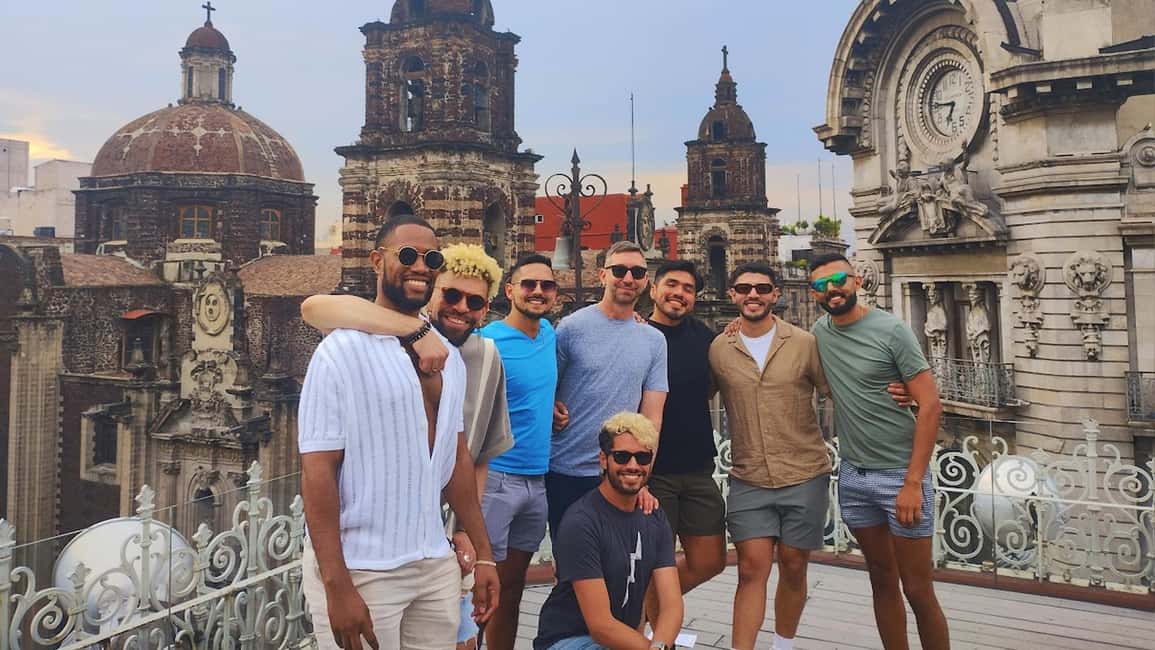
- Madero Street focus: you’ll walk a concentrated stretch and learn the LGBTQ+ angles of one of the city’s most iconic streets
- Coded history stops: the tour points out sites tied to cinemas, baths, censorship, and cruising life in the 19th and 20th centuries
- Museum moments: you start at a former chapel/ex-military academy site and end at the Estanquillo Museum
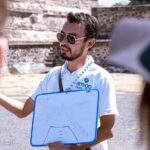
- Guide storytelling quality: in recent feedback, Carlos was praised for clear, accurate explanations that felt easy to follow
- No food included: you’ll want to plan around this so you’re not hungry during the march
- Bring sun protection: sunglasses, hat, and sunscreen are practical here, not optional
LGBTQ+ history on Madero Street: what you’re really signing up for
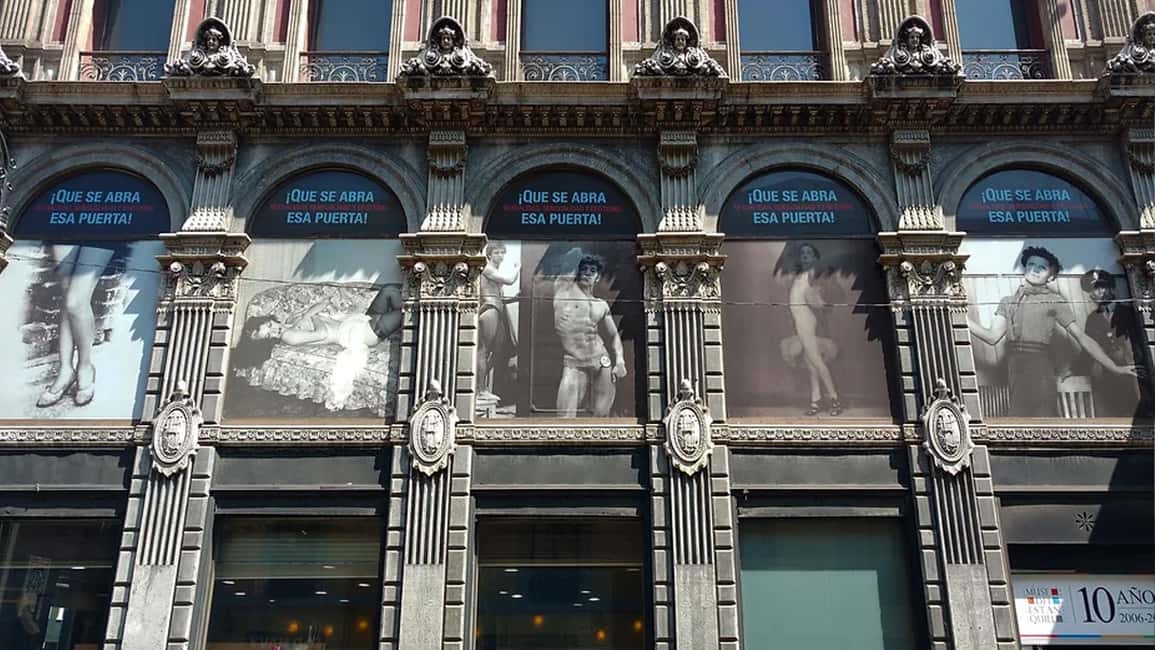
If your Mexico City trip is the usual hits—big plazas, big museums, big photos—this tour adds something different: the story of LGBTQ+ life as it shaped the city and was shaped by power. You’re not just learning “facts.” You’re learning how people lived around surveillance and stigma, and how that history left marks on buildings and streets.
The route stays in the Historic Center area and stays moving. That’s a good thing. You’ll see how one stretch of road can hold multiple eras at once: 19th-century cruising culture, early 20th-century cross-dressing events like Those 41, and later shifts when community geography changed.
You’ll also notice the tour isn’t shy about the topic. It talks about censorship, immoral-edition policing, theaters, and the places where people sought privacy. It’s handled as history, not shock value—still, it’s not a gentle walk through pastel postcards.
You can also read our reviews of more city tours in Mexico City


Starting at C. de Tacuba 17 and getting oriented fast
You meet outside the main entrance to the MIDE Museum, curbside, at C. de Tacuba 17. It’s about a block from the Allende Metro station, which makes it easier to get your bearings and arrive without stress.
From the start, the tour sets a helpful rhythm: you’re walking, stopping, looking up at details, then getting the story behind what you’re seeing. That matters because the Historic Center can feel like a blur if you arrive with no thread to follow.
Also, the tour is English and led live, so you can ask follow-up questions as you go. Recent feedback highlighted that the explanations landed clearly in plain terms, tied directly to the buildings and street corners you’re viewing.
Stop 1: Museo del Ejército y Fuerza Aérea (Ex-Capilla de Bethlemitas)
The first major stop is the Museo del Ejército y Fuerza Aérea Mexicanos, in the Ex-Capilla de Bethlemitas. Even if you’re not a military-history buff, this works because the tour uses the site to show how institutions shaped gender and identity through recognition and authority.
One of the most specific stories you’ll hear here is about the first trans man who was reportedly recognized by the army as a colonel. Even if you already know parts of LGBTQ+ history, this kind of detail changes how you read the building: it stops being just pretty architecture and becomes a piece of the power machinery.
Practical note
Because the first segment includes photo stopping and guided time, you’ll want comfortable shoes right away. You’ll be in full walking mode soon after.
Casa de los Azulejos and the art of noticing what’s in front of you
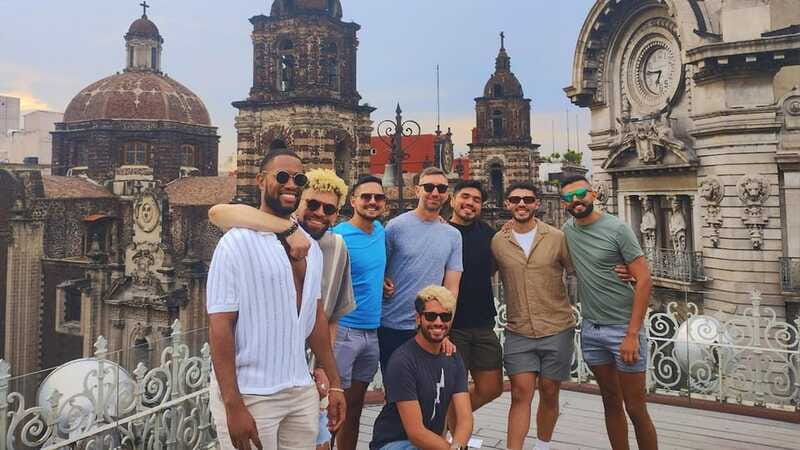
Next is Casa de los Azulejos, a place where the visuals do half the work. The tour uses it as a kind of reset: you look, you photograph, you listen, then you connect the glamour of the Historic Center with the reality that LGBTQ+ life often had to be coded, hidden, or controlled.
I like this stop because it helps you slow down. When you’re walking through dense streets, it’s easy to treat everything as a blur. Casa de los Azulejos gives you a clear “anchor” moment before the route moves back into street-level secrets.
You can also read our reviews of more tours and experiences in Mexico City
Pastelería Ideal: why food stops matter on a history tour
Then you hit Pastelería Ideal. It’s not just a sugary break. This kind of stop makes the story feel local because it’s tied to everyday life—something the Historic Center still runs on.
If you’ve ever wandered Mexico City and thought, Where do locals actually pause?—this is one of those moments. You’ll get a guided experience without forcing a sit-down meal as part of the tour.
What to know
Food and drinks aren’t included, so treat this as a sight-and-story stop. If you need a snack, you’ll have to sort that on your own before or after.
The Borcegui Footwear Museum: Those 41 shoes you can actually see
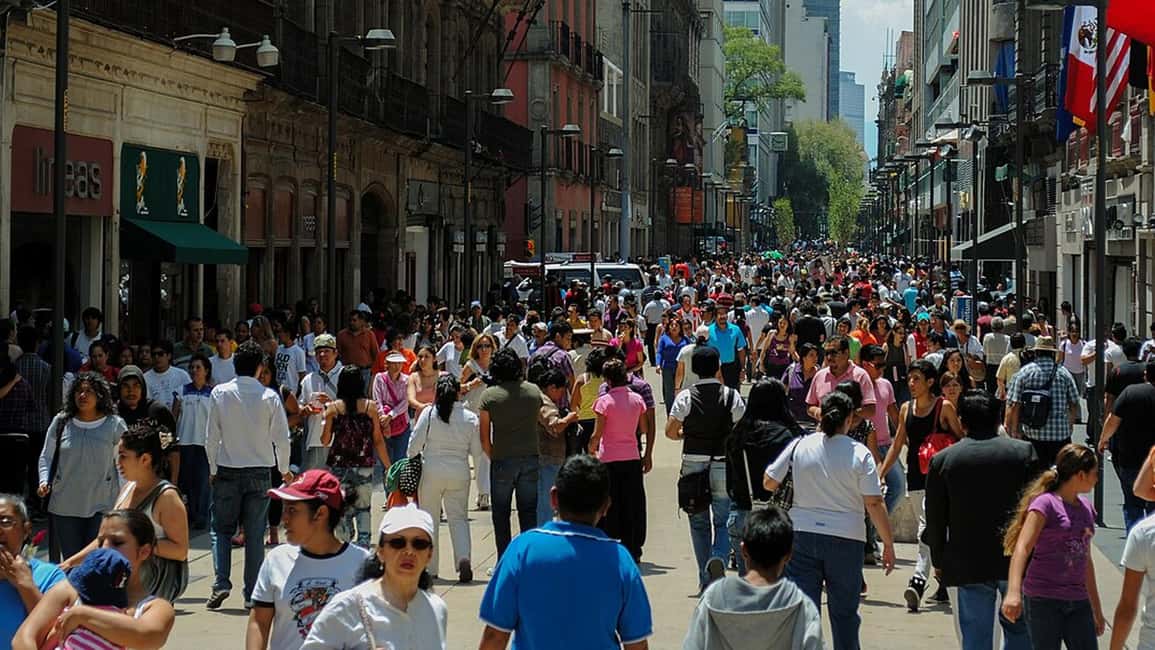
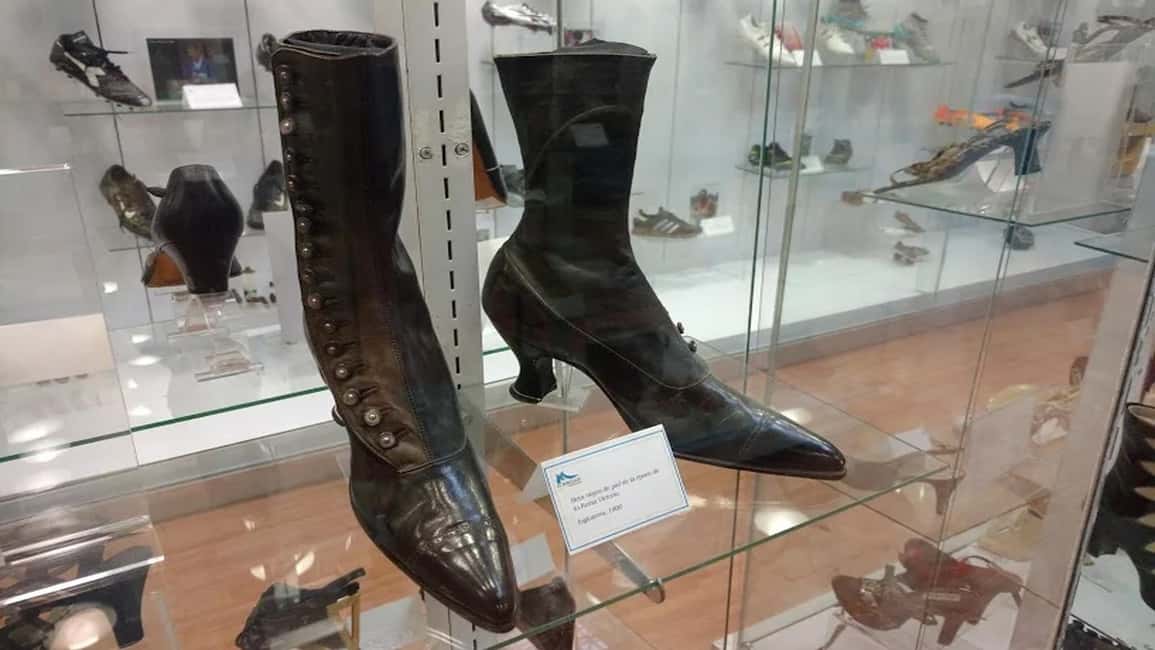
One of the most memorable stops is the Footwear Museum, The Borcegui. This is where the tour connects identity performance, fashion, and public spectacle to a physical object.
You’ll see replicas of high-heel shoes tied to the famous Those 41 cross-dressing ball from 1901. It’s a smart teaching move: instead of only discussing an event in abstract terms, the guide points to how clothing can be both art and risk.
I also like that the tour doesn’t treat gender expression as a side note. It’s central to the narrative of what was happening in Mexico City’s social world—and why authorities cared.
Avenida Francisco I. Madero: cruising stories, censorship walls, and theater doors
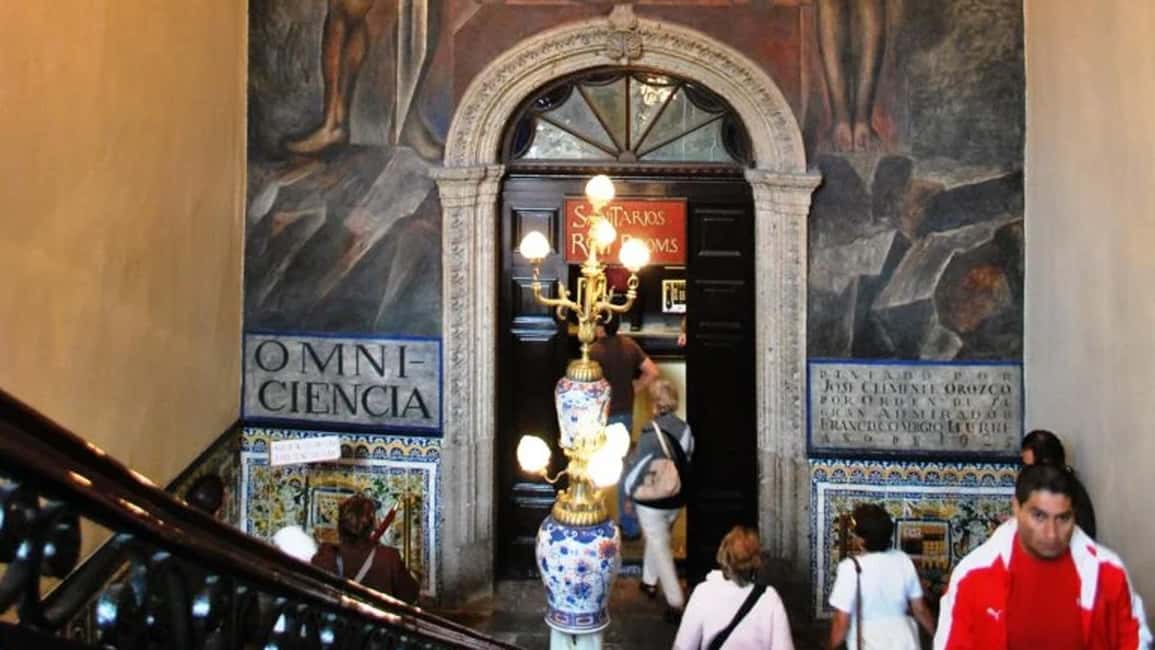
This is the heart of the experience. Avenida Francisco I. Madero gets you deep into the tour’s core idea: the LGBTQ+ story is built into the street itself, not just in museums.
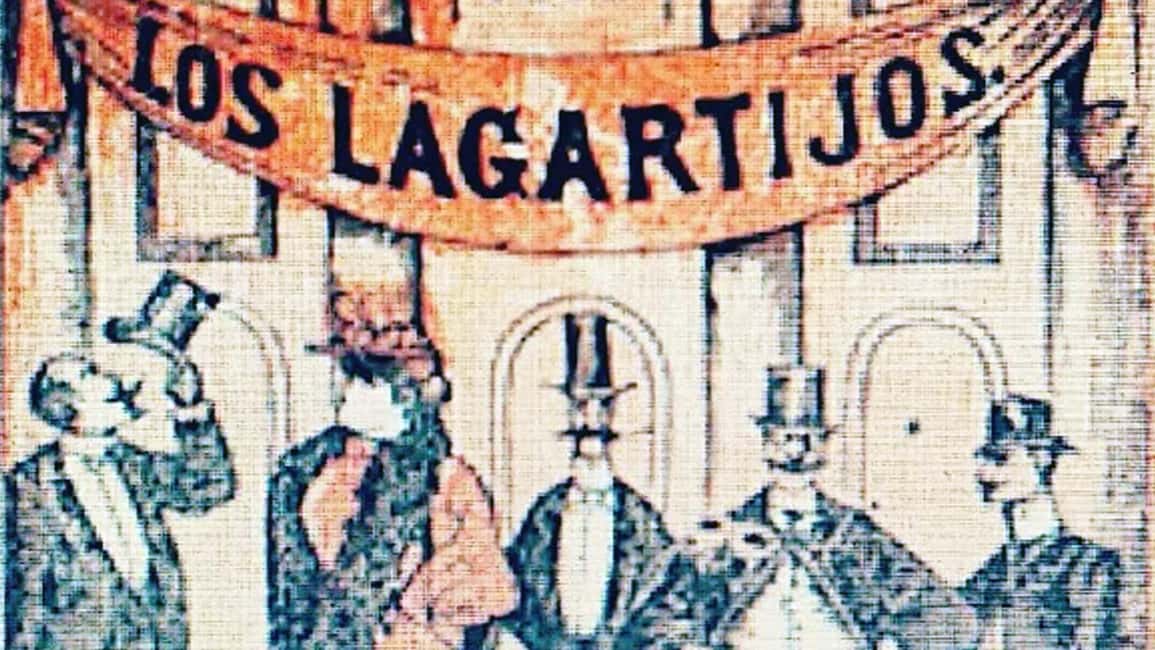
You’ll spend about 45 minutes here, with photo stops and guided walking. The guide connects multiple eras, including references like the cruising lizards concept from the 19th and 20th centuries. Even if the term feels strange at first, the point becomes clear as the route continues: cruising wasn’t random. It was a network of signals, places, and timing.
You’ll also hear about censorship and policing of “immoral” editions, including the main office connected to censorship activities. That’s important because it explains why certain businesses and ideas had to operate under the radar, and why later LGBTQ+ culture had a complicated relationship with legality and public visibility.
The Old National Theatre backstage door site
One of the most intriguing segments is the visit to the backstage door site of the Old National Theatre, where gay men reportedly hooked up in a bar setting that helped form one of the biggest LGBTQ+ community scenes in the country. Even if you’ve visited theaters before, this reframes the building: the stage gets less focus than the doorway logic—how people found each other and what they risked.
Porn cinema and bath-house sites
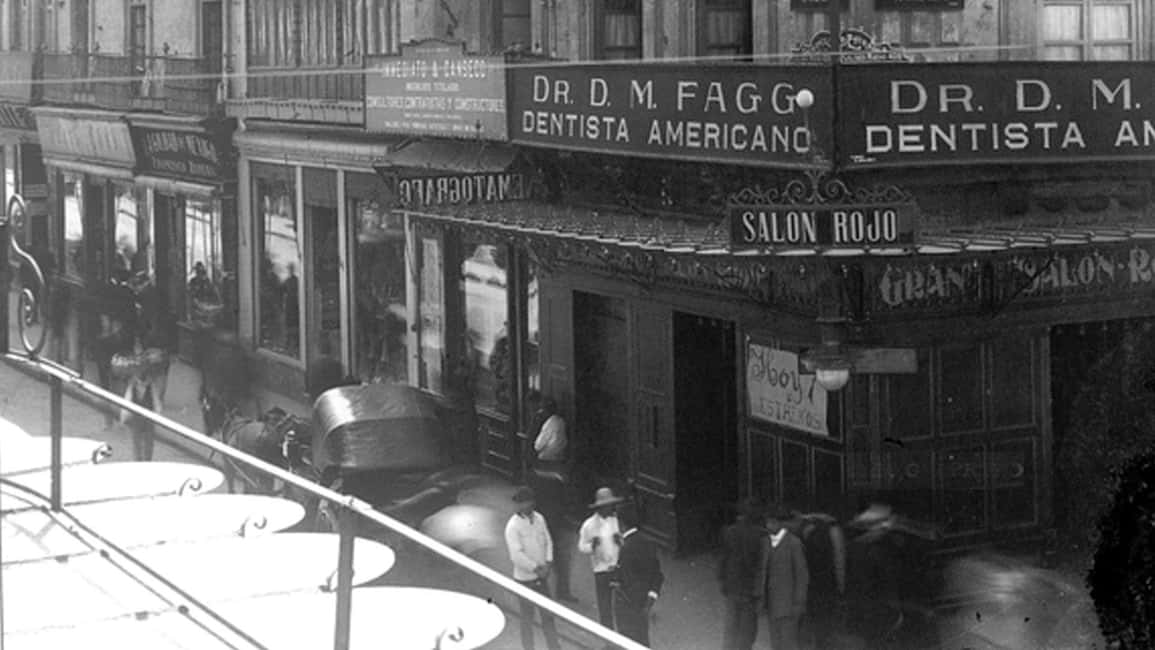
Along the Madero stretch, the guide points out locations connected to the first pornographic cinema, the first bath house, and Dr. Fagg’s office. Again: the value isn’t just the names. It’s how the guide explains what these places meant as social infrastructure—private spaces where community formed when public life was unsafe.
La Casa del Pavo and the idea of “public restrooms” as history
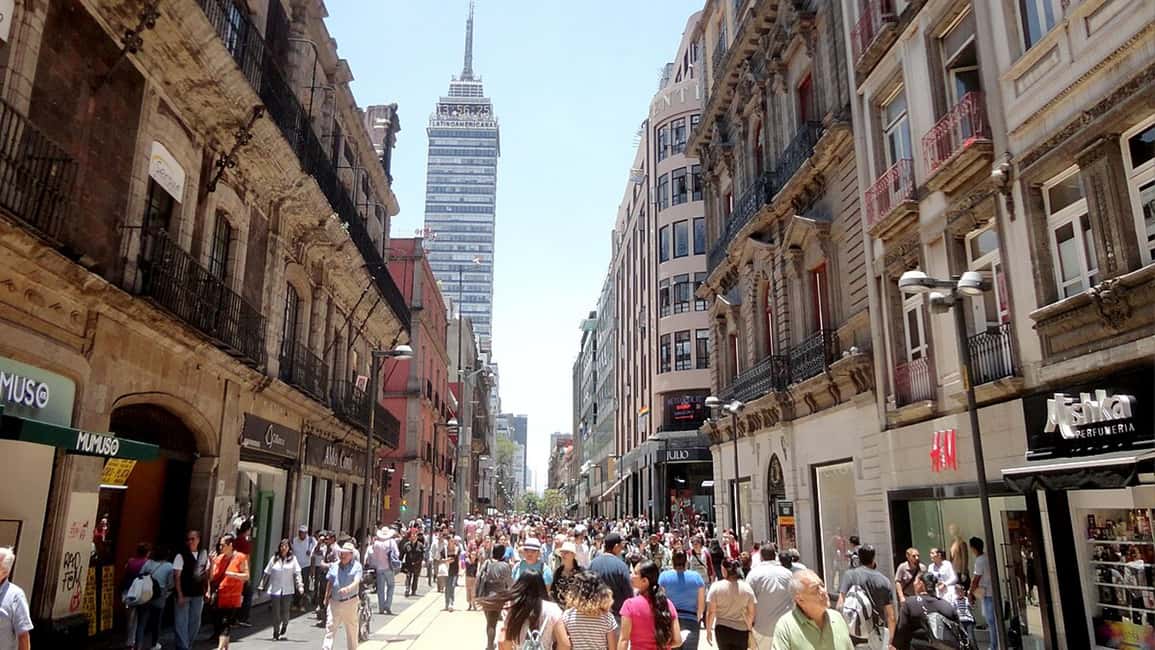
The route continues through La Casa del Pavo, with another long guided stop (about 45 minutes). This is where you’ll hear about the Palace of the Countship, described as still hosting the cruisiest restrooms in town—so famous they were promoted across the country by a store chain.
That detail sounds funny on the surface, but it lands with history underneath: in cities like Mexico City, even something as ordinary as a restroom could become a coded meeting point. The tour uses humor, but it’s not fluff. It’s showing how LGBTQ+ people made use of everyday public architecture when privacy was limited.
You’ll also hear the guide tie the geography back to censorship and social control—because those restroom stories don’t exist in a vacuum. They’re part of why certain public spaces became socially charged.
Banamex Culture Palace: an easy-to-miss stop with big context
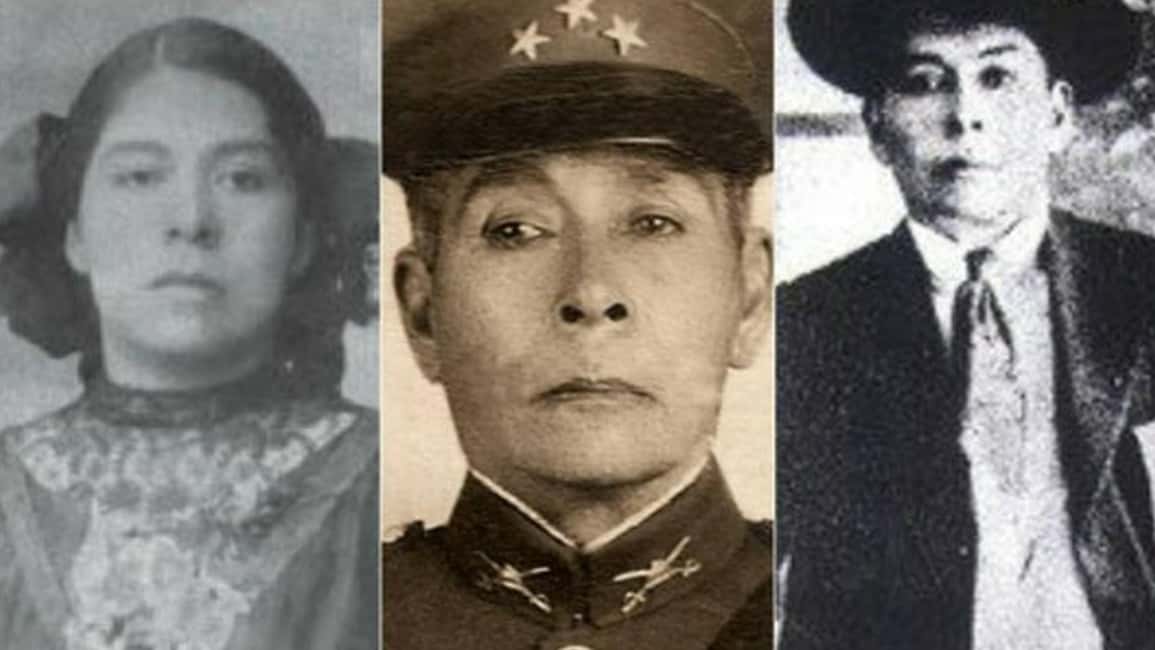
Next is Banamex Culture Palace. You’ll have around 30 minutes here with photo stops and a guided look.
This stop works because it shows how the Historic Center mixes old and new uses of space. While the focus of the tour is LGBTQ+ life, you’re constantly learning how institutions, money, and cultural power shape what gets preserved and what gets erased.
The guide also discusses how LGBTQ+ community activity shifted over time, including why and where the community moved in the 1950s. That’s a key takeaway. It prevents the history from feeling “stuck in the past.” You see movement, adaptation, and change—because community life always evolves.
The final stretch to Estanquillo Museum: closing the loop
The tour finishes at the Estanquillo Museum. By the time you arrive, you’ve walked enough that the ending doesn’t feel like an abrupt cut. It feels like you’ve collected stories, then you’re deposited into a place where you can keep thinking.
Before reaching the finish, you’ll also hear about additional sites along the way, including references to the last remaining gay cinemas, plus an unusual route detail: entering through a bakery into a former convent where the favorite seminarist of the Inquisidor-in-Chief lived.
The point here is not only the shock-factor of secret passage vibes. It’s that the tour trains you to look at buildings as documents. In a place like Mexico City, old spaces were repurposed again and again—and LGBTQ+ history often shows up as a byproduct of those repurposings.
You’ll also hear about places connected to bath houses and something called Pools’ Circuit Trolley, which helps explain how the community’s “map” worked through transport and localized meeting patterns.
Price and walking pace: is $79 good value?
At $79 per person for about 3.5 hours, you’re paying for more than sightseeing. You’re paying for guided interpretation: someone connecting LGBTQ+ history to specific sites, explaining why those sites mattered, and steering you through a concentrated area where you’d otherwise miss the story.
What you get that’s hard to replicate on your own:
- a digital LGBTQ-focused map for the Historic Center area
- a set of videos, sources, and resources you can enjoy afterward
- a live English guide who can connect dots between censorship, entertainment spaces, and community meeting points
The trade-off is simple. This isn’t a sit-and-stare tour. It’s walking, with varying weather, and the route includes multiple photo stops and indoor moments. Also, food and drinks aren’t included, so factor in a snack strategy if you’ll get hungry.
If you like history only when it’s specific and location-based, this will feel worth it. If you want a relaxed day with minimal walking, you might prefer a slower museum-only plan.
Who this tour is best for (and who should skip it)
This is best for you if:
- you want LGBTQ+ history in Mexico City tied directly to streets and buildings
- you’re comfortable with stories about censorship and coded meeting places
- you enjoy tours where the guide explains the why behind what you’re seeing
It’s not suitable if:
- you have mobility impairments (the walking route is significant)
- you’re traveling with children under 18
In other words, this tour is made for adults who want context and candor, not a “family-friendly stroll.”
What to bring and how to keep it respectful
Because this tour is in the Historic Center and involves substantial walking, I’d treat the packing list like a checklist, not suggestions. Bring comfortable shoes first. Then add sunglasses, a sun hat, and sunscreen.
Photography is allowed, but the expectation is clear: respect the sites and their history. That matters even at places that look like normal tourist stops, because the tour’s whole purpose is to show how sensitive these stories can be.
If you’re the type who likes to take photos and then run off, slow down during key explanations. Some of the most important parts are tied to what the guide is pointing out in real time.
Should you book Mexico City: Gay Tales?
Yes, if you want a focused LGBTQ+ walking tour that actually uses the city as a text—Madero Street, theaters, cinemas, restrooms-as-social-space, and museums that give shape to the story. I’d also book it if you like guided narrative, not just landmarks, because the guide approach is a big part of why people rate this experience so highly. In recent feedback, Carlos was called out for accurate, understandable storytelling that kept the history easy to follow.
Maybe not, if you want a light day, minimal walking, or a tour that avoids politically charged details. This one brings you into real context, and it moves at a pace that assumes you’re ready for the streets.
If your schedule is tight, you’re still getting a strong value package: 3.5 hours, English guide, a digital map, and follow-up resources you can use after your feet are tired.
FAQ
How long is the Mexico City Gay Tales walking tour?
It lasts about 3.5 hours, including stops for photos and guided visits along the Historic Center.
Where does the tour meet?
The meeting point is outside the main entrance to the MIDE Museum, curbside, at C. de Tacuba 17, about one block from Allende Metro station.
When does the tour finish?
The tour finishes at the Estanquillo Museum.
What is included with the tour price?
You get a walking tour with a live guide, plus a digital LGBTQ-focused map of the Historic Center and a collection of videos, sources, and resources to use after the experience.
Is food or drinks included?
No. Food and drinks are not included.
What language is the tour offered in?
The tour is offered with a live guide in English.
Is photography allowed?
Photography is allowed, with the expectation that you respect the sites and their history.
What should I bring?
You should bring comfortable shoes, sunglasses, a sun hat, and sunscreen.
Is the tour suitable for children or teens?
No. It is not suitable for children under 18.
Is it suitable for people with mobility impairments?
No. It is not suitable for people with mobility impairments.