REVIEW · MEXICO CITY
Market tour, cooking class & three-course Mexican feast
Book on GetYourGuide →Operated by Martaja - Market tours & cooking classes in Mexico City · Bookable on GetYourGuide
Food starts at the market. This experience connects Mexican cuisine to Mesoamerican ingredients and teaches you why dishes evolved after the Spanish conquest. You’ll do a guided market walk at Mercado Medellín in Roma, then cook at Jim’s beautiful Condesa home with hands-on help.
I love the way you’re not just learning recipes—you’re learning the story behind them, right down to how core ingredients and techniques shape what you make on your plate. I also love the format: a relaxed, at-home cooking session around the same table, then a properly set meal with drinks at a beautiful table laid with local linens and artisanal tableware.
One consideration: the cooking location has no elevator, and there are two cats in the house. If stairs are an issue for you, or you have cat allergies, plan ahead.
In This Review
- Key highlights to know before you go
- Market Medellín in Roma: where ingredients tell the story
- From market to home: meeting Jim in Condesa
- Hands-on tamales: the kind of skill you can bring home
- Mole and tortillas: the pair that explains Mexican flavor logic
- The three-course Mexican feast: local table settings and real drinks
- Price and value: what $180 buys you (and why it can be worth it)
- Who this tour fits best (and who might prefer something else)
- Practical tips to make the day smoother
- Should you book this Mexican cooking class and market tour?
- FAQ
- Where is the meeting point?
- What’s included in the price?
- How long is the experience?
- What will I be cooking?
- Can the class accommodate dietary requirements?
- Is the venue wheelchair accessible?
- What language is the instructor?
Key highlights to know before you go
- Mercado Medellín in Roma: a guided look at ingredients and the ideas behind Mexican cooking
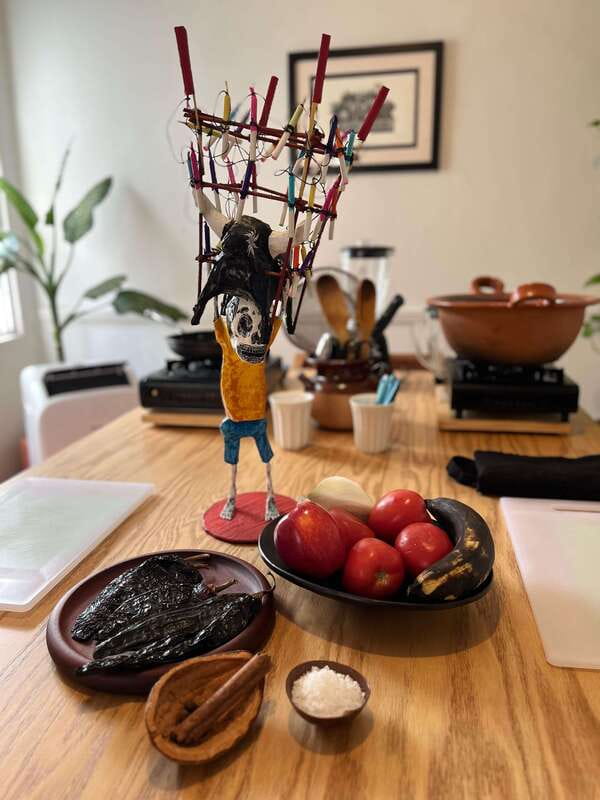
- Hands-on from scratch: tamales, mole, and tortillas made during the class
- A real chef/host narrative: the history of food is explained through what you’re cooking
- A three-course feast with drinks: served at a well-laid table, with dessert afterward
- Recipes by email: you’ll get the methods so you can repeat the dishes at home
- Comfort matters: you’ll be on your feet for a few hours, so good shoes help
Market Medellín in Roma: where ingredients tell the story
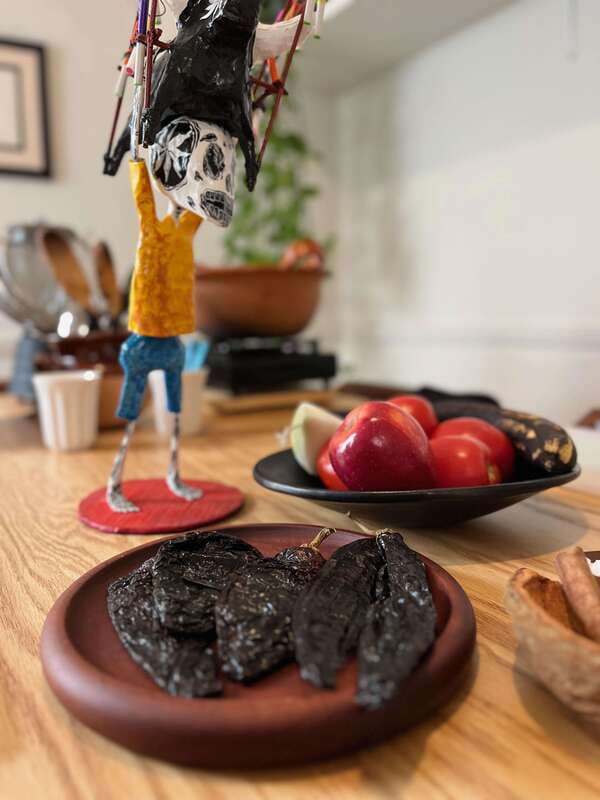
This starts with a market tour at Mercado Medellín in Roma, right at the corner of Medellín and Campeche streets. You’ll meet at the market entrance—look for the big letters and wait in the shade under the overhang.
The point of going to a real market isn’t just to see ingredients. It’s to understand why Mexican cooking tastes the way it does. You’ll get a clear explanation of ancient Mesoamerican ingredients and techniques, then how the 16th-century Spanish conquest changed the culinary mix—leading to a burst of creativity on both sides of the Atlantic.
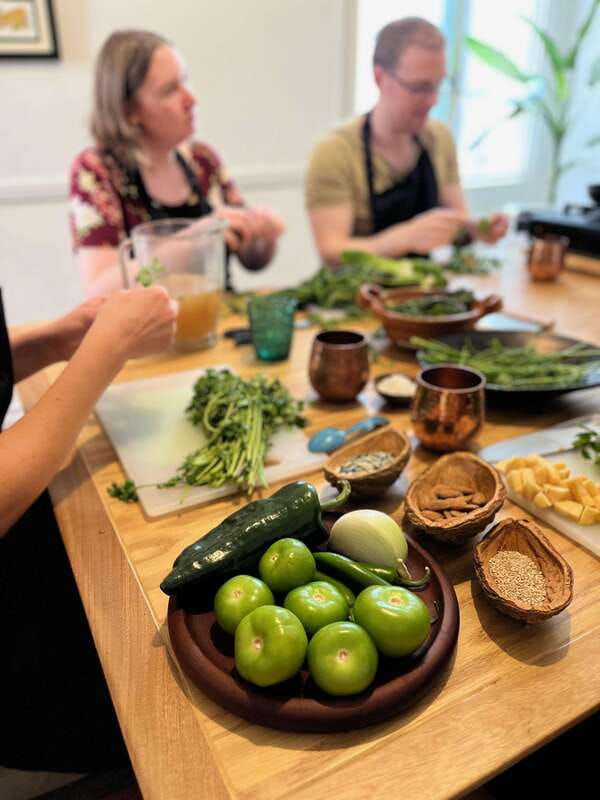
If you like learning by seeing, this part works. You’ll walk, you’ll look closely, and you’ll connect flavors you might otherwise treat as separate—corn, chiles, herbs, and other staples—into a single food system. That makes the cooking later feel more purposeful, not like copying steps off a card.
Also, there’s a practical touch: if it’s raining, you’re provided taxi help to get from the market to the cooking location. That saves your day.
You can also read our reviews of more shopping tours in Mexico City

From market to home: meeting Jim in Condesa
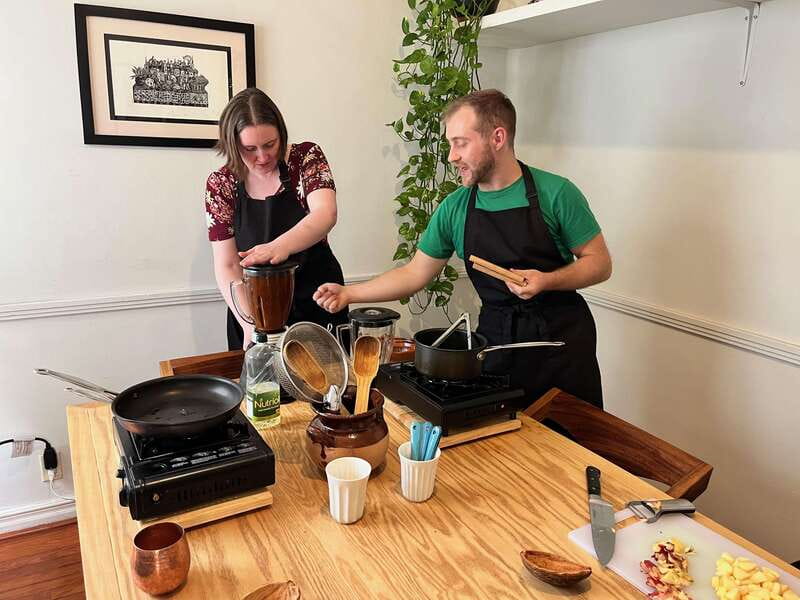
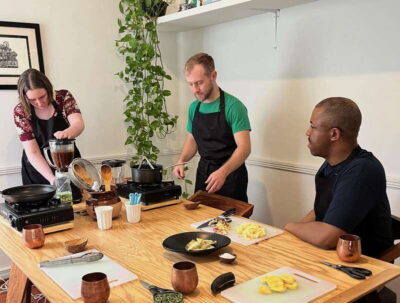
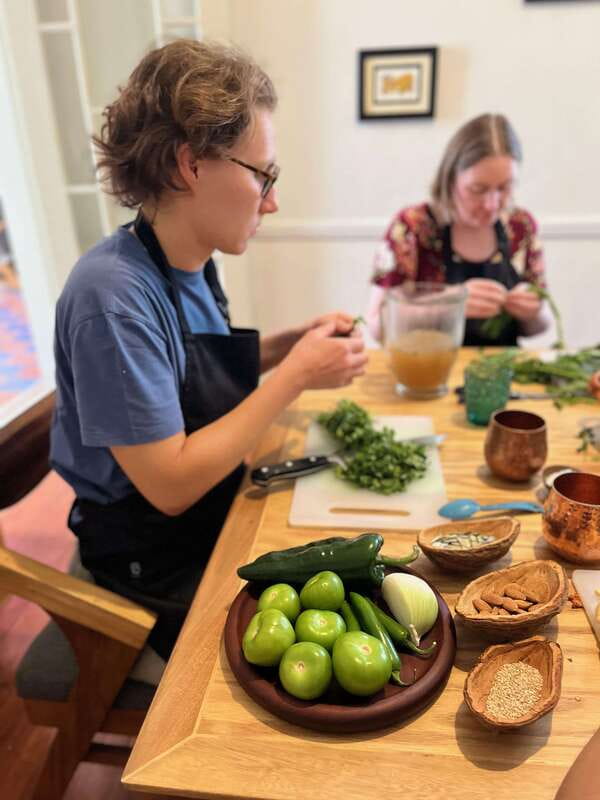
After the market, you head to the chef/guide’s home in Condesa. This is not a factory-feeling kitchen with strict time slots. It’s a shared table setup where you cook together and get guided instruction as you go.
A recurring theme you’ll likely appreciate: the host, Jim, blends history and cooking. He’s the kind of guide who explains why a technique matters and how it connects to the dish you’re making, not just what to do with your hands. In the experience, that turns the day into something more like cooking with a thoughtful friend than attending a rigid workshop.
Language is covered too. The instructor speaks English and Spanish, so you should be able to follow both the technique and the context. And if you need a menu adjustment, you’ll be asked about dietary requirements after booking—so the cooking plans can be shaped around you.
Hands-on tamales: the kind of skill you can bring home
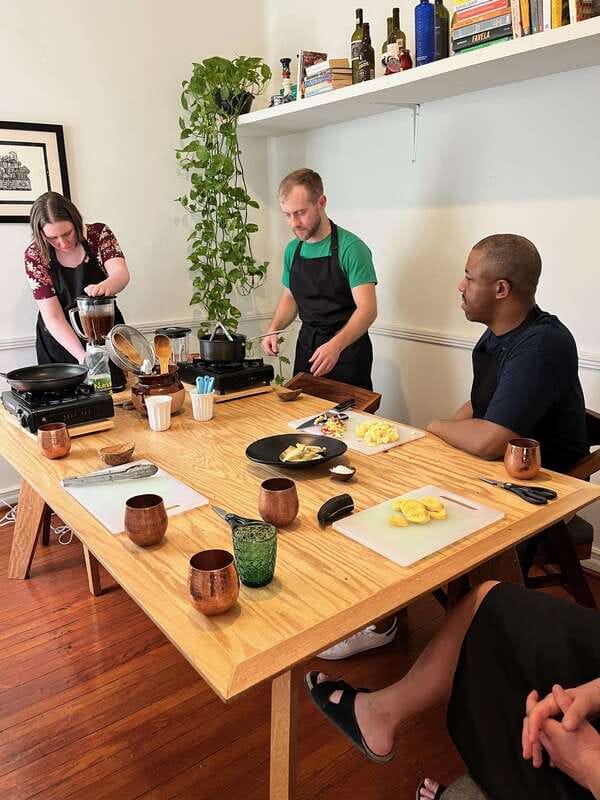
The cooking portion is about three hours, and it’s mostly focused on making tamales, mole, and tortillas from scratch. You’ll be actively involved, not watching the process from the sidelines.
Tamales are often treated like a special-occasion food, which is exactly why learning them here feels so satisfying. You’ll understand the building blocks and how the components work together—corn-based dough, fillings, and the method that turns separate ingredients into one cohesive bite.
One extra detail that sticks: you’ll have options that can go vegetarian, and green vegetarian tamales have been a standout for people who’ve taken the class. Even if you’re not vegetarian, this is a useful reminder that Mexican cooking isn’t one-note. The flavors shift by region, ingredient choice, and sauce style.
Expect to get your hands a bit busy. Plan for it mentally. The reward is that you leave with a method you can repeat, not just a memory of eating something good.
Mole and tortillas: the pair that explains Mexican flavor logic
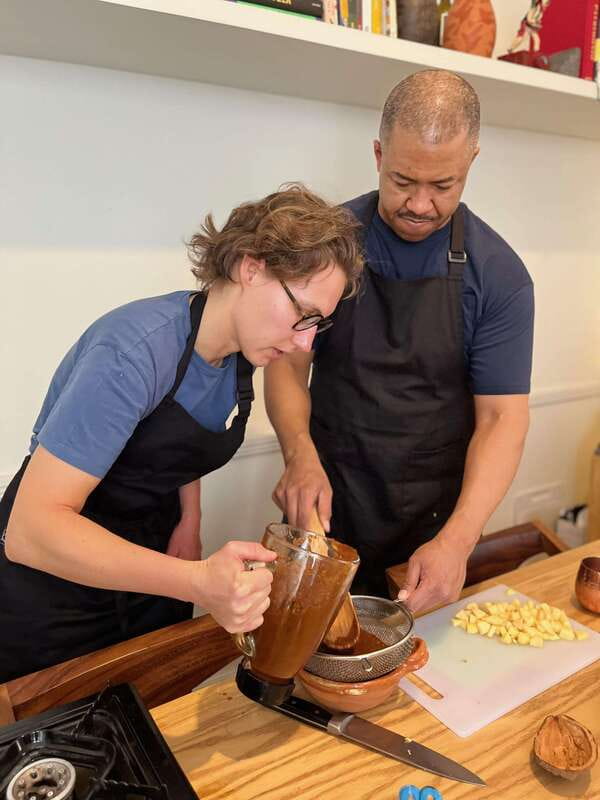
If tamales are the first “wow,” mole is the second. Mole has a reputation for being complicated, so it’s a big deal to learn it in a class format where you’re guided step-by-step.
What you’re really learning with mole is how balance happens: the combination of ingredients, how the sauce develops, and how it connects to what’s already in the dish. When you learn mole in the context of the market walk, it clicks faster. Ingredients you saw earlier stop being random and start being clearly linked to the final flavor.
Then comes tortillas—because no meal is complete without them, and because they’re the foundation of how Mexican food gets built. Making tortillas from scratch gives you a better sense of texture and timing than you’ll get from packaged options.
If you care about food texture, this section is where you’ll notice the difference most. You’ll understand that the tortilla isn’t just an accessory. It’s part of the structure.
The three-course Mexican feast: local table settings and real drinks
Once the cooking is done, you sit down for a three-course Mexican feast at a picture-perfect table. The table setting matters here: local linens and artisanal tableware are part of the experience, so it doesn’t feel like you’re eating in the “we cooked, now grab whatever” mode.
This meal is served with drinks, including Mexican beer plus wine and/or mezcal at the end, along with soft drinks. That’s a fun touch if you want to sample alcohol without needing to figure out the ordering yourself. And it’s also a straightforward way to slow down and savor what you made.
Dessert comes after, and then you finish with a cup of Mexican wine and/or mezcal. That final moment is a good time to reflect, especially since the day already carries a lot of context.
One more practical note: eat a good breakfast. You’ll be on your feet for a few hours, and you’re likely to eat after 2PM. Going hungry isn’t romantic. It’s just uncomfortable.
You can also read our reviews of more tours and experiences in Mexico City


Price and value: what $180 buys you (and why it can be worth it)
At $180 per person for a 6-hour day, it’s not a bargain. But in terms of what you receive, the value is more solid than it looks.
Here’s what you’re really paying for:
- a guided market walk with context (not just shopping)
- hands-on instruction for multiple core dishes made from scratch
- ingredients and guidance during cooking
- a three-course feast plus drinks
- dessert and a final sip (Mexican wine and/or mezcal)
- recipes sent by email after the class
If you’ve done cooking classes that only teach one recipe, this stands out because the workload is bigger and the learning is broader. If you’re only after a quick meal, it’s pricey. But if you want skills you can repeat—especially tamales, mole, and tortillas—this is the kind of format where the cost starts to make sense.
The one caution is risk management. A small number of people have reported a no-show issue with no contact. That’s rare, but it’s a reminder to keep your confirmation details handy and watch your messages closely the day of the class. Good planning is part of getting good value.
Who this tour fits best (and who might prefer something else)
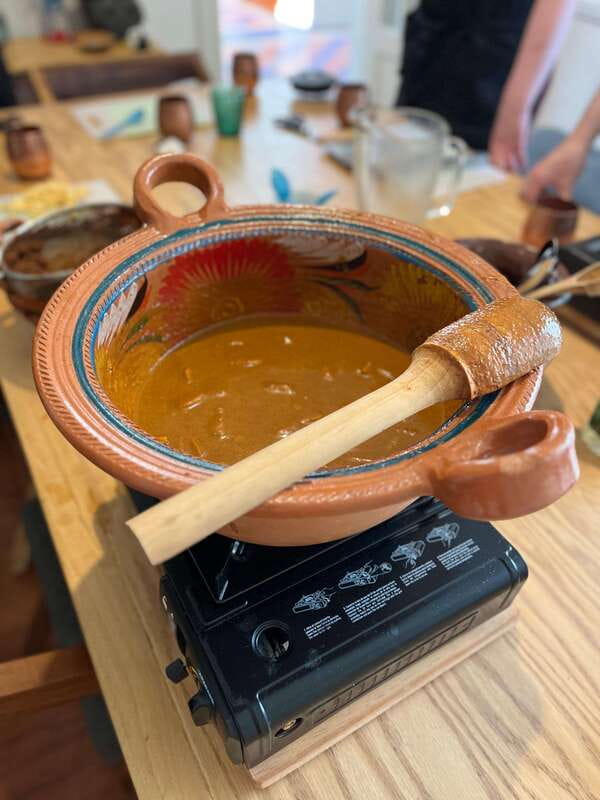
This experience is ideal if you want a food-and-history day with real technique. You’ll likely enjoy it most if you’re the type who likes understanding why a dish tastes the way it does, not only how to reproduce it.
It’s also a great fit for couples or small groups because the kitchen/home setting tends to feel more personal than restaurant dining. If you’ve been doing lots of formal meals during your trip, this is a change of pace—more home-style, more conversation at the table.
It may be less ideal if you:
- need step-free access (the building doesn’t have an elevator)
- have allergies to cats (there are two cats in the house)
- want strict Kosher menus (strict Kosher isn’t possible)
Practical tips to make the day smoother
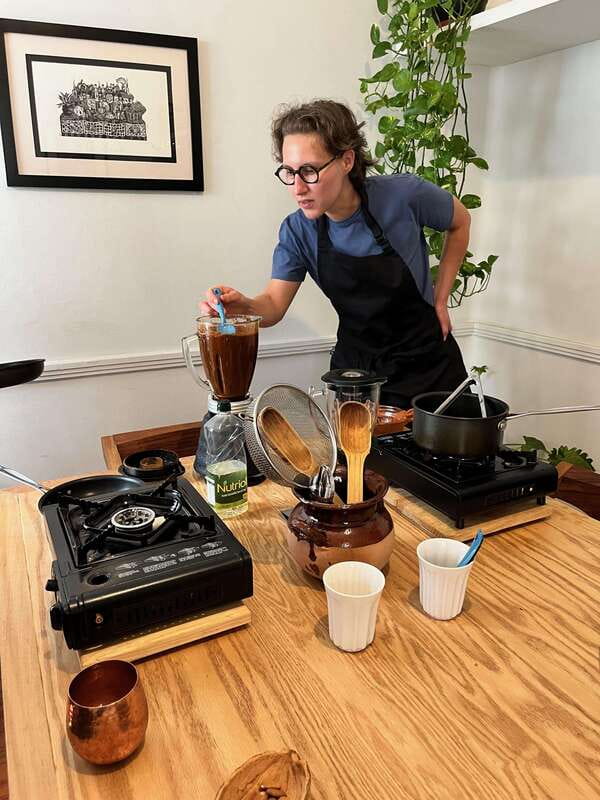
Bring comfortable shoes. You’ll be standing and moving around for a few hours, including during the cooking.
Plan your food day. Eat breakfast before you go, and expect to eat later in the afternoon. Hydration is covered with soft drinks and beer, but you’ll still feel better if you’re not starting the day under-fueled.
When you book, check your email inbox. You’ll be asked about your menu and dietary needs, and it’s important to respond so adjustments can be made. Most dietary requirements can be accommodated, but strict Kosher can’t.
Should you book this Mexican cooking class and market tour?
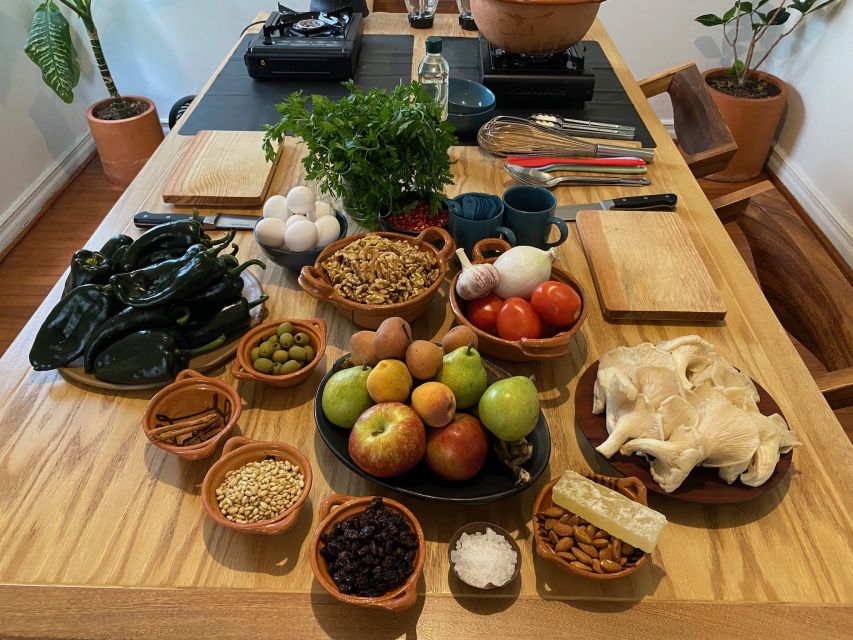
Book it if you want a hands-on day where Mexican cooking is taught with context—and you’ll use the recipes later. The combination of market learning, cooking from scratch (tamales, mole, tortillas), and then sitting down to a three-course feast with drinks is a strong package for $180.
Think twice if access or allergies are key concerns for you, since there’s no elevator and there are cats in the home. And if you’re anxious about timing, keep your confirmation details ready and respond quickly to the menu questions by email.
If you’re looking for a day that feels both practical and cultural—where you leave with skills, not just photos—this one deserves a spot on your Mexico City plan.
FAQ
Where is the meeting point?
You meet at the entrance to the market on the corner of Medellín and Campeche streets. Look for the market name in big letters and wait in the shade under the large overhang.
What’s included in the price?
The price includes a market tour, guidance and ingredients to prepare two courses and tortillas, taxi help to the cooking location if it’s raining, dessert, Mexican beer, wine/mezcal and soft drinks, and recipes sent by email after the class.
How long is the experience?
The total duration is 6 hours.
What will I be cooking?
You’ll cook tamales, mole, and tortillas from scratch with expert guidance.
Can the class accommodate dietary requirements?
Dietary requirements can be accommodated in most cases. Strict Kosher is not possible.
Is the venue wheelchair accessible?
Wheelchair users have attended before, but the building where the class takes place does not have an elevator.
What language is the instructor?
The instructor provides the experience in English and Spanish.