REVIEW · MEXICO CITY
Guided Walking Tour to the Archaeological Zone of Teotihuacán
Book on Viator →Operated by native tour guide teotihuacan · Bookable on Viator
Teotihuacán feels unreal until you walk it. This 3-hour guided route gives you a clear path through the big monuments—Temple of Quetzalcoatl, the Road of the Dead, and both main pyramids—while your guide adds the kind of on-the-ground context that makes the stones make sense. It’s also a smallish group setup (up to 40 people), so you’re not just drifting with a crowd.
I especially like how the tour starts with practical basics—bathrooms and a chance to top up on water right near the parking area—before you head into the site’s main viewing areas and monuments. I also love that the guide doesn’t treat Teotihuacán like a photo stop; you get explanations of how the pyramids were built and you’ll hear about details such as obsidian and architectural choices, not just dates.
One thing to consider: it’s a walking tour with a moderate fitness level, and it’s only about 3 hours, so it won’t replace a full, self-paced visit if you want to linger everywhere.
In This Review
- Quick Takeaways
- Teotihuacán in 3 Hours: What This Walk Covers
- Door 1 to Gate 3: Meeting Points and the Site Entry Flow
- The Guide Makes It Click: What I’d Pay For in a Good Teotihuacán Tour
- Entering the Archaeological Zone: Viewpoint to the Temple of Quetzalcoatl
- Citadel and the Road of the Dead: The Sacred Axis Walk
- Sunken Patios, Apartments, and Daily-Life Clues
- Pyramid of the Sun: Scale, Symmetry, and the Big Moment
- Road of the Dead to Palaces: Moving From Monuments to Meaning
- Pyramid of the Moon: Acoustics, Full-Moon Bird Sounds, and That Clap Effect
- What the Tour Includes (and What It Doesn’t) for Real Value
- Group Size, Pace, and Physical Fit: Who This Tour Works For
- Price and Logistics: Easy to Join, Easy to Exit
- Should You Book This Teotihuacán Walking Tour?
- FAQ
- How long is the Guided Walking Tour to the Archaeological Zone of Teotihuacán?
- What is the price per person?
- Is admission included?
- What language is the tour offered in?
- Where do we meet and where does the tour end?
- Is bottled water included?
- Is the experience refundable if I cancel?
Quick Takeaways
- Small group (max 40) keeps the pace more human and the explanations easier to follow.
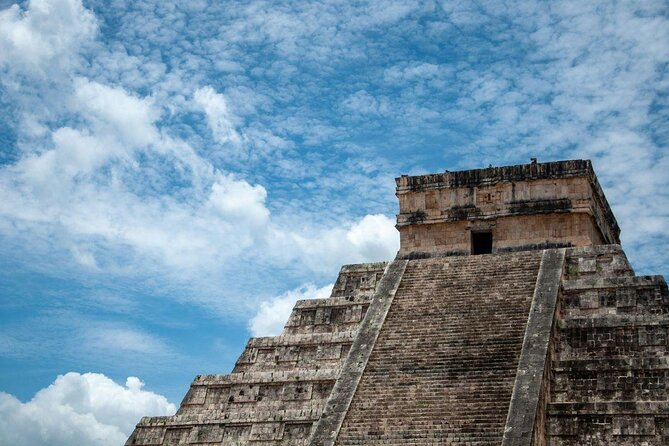
- Main Teotihuacán highlights in one route: Quetzalcoatl, Road of the Dead, Sun Pyramid, Moon Pyramid.
- Architecture and practical build stories help you understand what you’re looking at.
- Acoustics and special moments can come up at the right spot and time, including clap-and-bird sound effects.
- English tour with admission ticket included for a straightforward value check.
- Water isn’t included, so plan to buy before you go in.
Teotihuacán in 3 Hours: What This Walk Covers
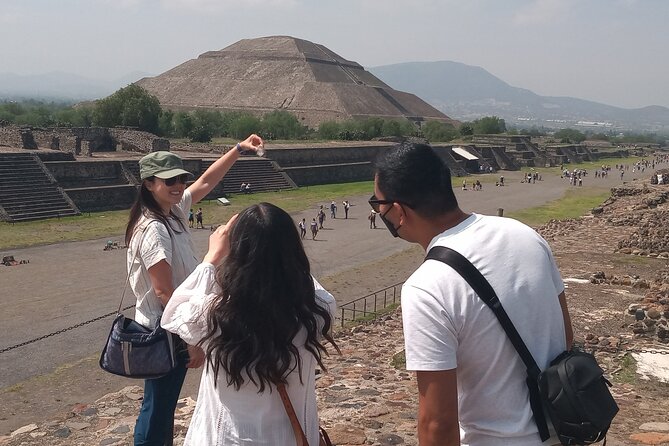
This guided walking tour is designed for people who want a strong overview of Teotihuacán without spending a whole day figuring out logistics and meaning. In roughly 3 hours, you’ll move from the entrance area through major ceremonial spaces and up to the key pyramid viewpoints.
The route keeps you on the site’s most recognizable axis. You’ll start near a viewpoint, then work your way toward the Temple of Quetzalcoatl and into the ceremonial core that includes the Citadel area and the Road of the Dead. From there, the walk brings you past everyday-life-style elements such as sunken patios and apartment groupings, before you reach the Sun Pyramid and later the Moon Pyramid.
Because time is limited, you’ll get depth by focusing on interpretation rather than exhaustive coverage of every corner of the archaeological zone. That’s a trade-off, but it’s often the right one for a first visit.
You can also read our reviews of more walking tours in Mexico City


Door 1 to Gate 3: Meeting Points and the Site Entry Flow
The experience starts at the Zona Arqueológica de Teotihuacan parking area, Puerta 1 (Estacionamiento Puerta 1, 55825). You’ll enter through door one in the parking lot area, then handle the basics before the walk really begins.
Right after entering, you’ll have a chance for bathroom services and to buy water if needed. Bottled water isn’t included with the tour, so this early stop matters. It’s also your moment to settle in before you’re inside where you may not want to stop and search for basics.
You’ll end at the parking area near Puerta 3 (Estacionamiento Puerta 3, Acceso por Puerta 3). The end point being different from the start is useful to know in advance: you’ll have an easier time getting back from Gate 3 than trying to backtrack through the same areas.
The tour is also listed as near public transportation, which helps if you’re not using a private transfer. Uber services aren’t included, but you can still use rideshare if it works with your schedule.
The Guide Makes It Click: What I’d Pay For in a Good Teotihuacán Tour
The standout value here is the guiding style. The tour’s provider is a native guide team (native tour guide teotihuacan), and the results show up in the feedback: the guide is described as hospitable and knowledgeable in a way that feels practical, not academic.
One name that comes through strongly is Joël. People enjoyed how kind and engaged he was, and they specifically talked about him taking them to the best spots rather than rushing them past important viewpoints. That matters at Teotihuacán, where it’s easy to get lost in scale and miss what a structure is telling you.
I also like that the guide shares local-style observations tied to the space itself. You’ll hear interpretations about the site’s acoustics, symmetry, and the way natural resources fit into the architecture. It’s the difference between seeing big pyramids and actually understanding why they’re arranged the way they are.
Entering the Archaeological Zone: Viewpoint to the Temple of Quetzalcoatl
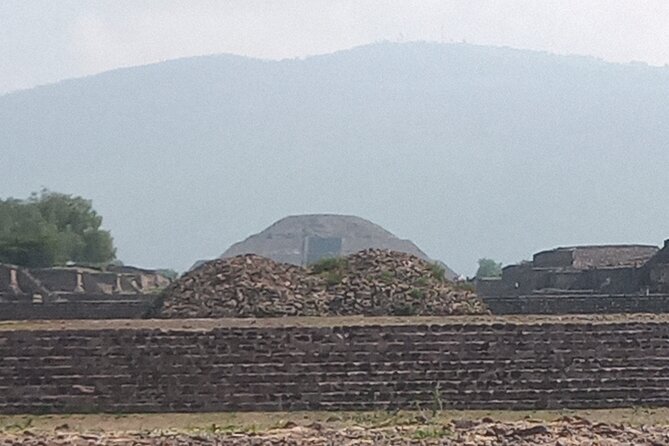
After you’ve handled the door-one basics, the tour shifts into orientation mode. You’ll start by visiting a viewpoint of the archaeological zone, then move on toward what the tour calls the Temple of Quetzalcóatl.
That first segment is smart. It helps you get the lay of the land before you’re walking the main ceremonial corridors. When you reach the Citadel area and the routes leading to the Road of the Dead, you’re not just following directions—you’re connecting what you see to the story the guide is telling.
The Temple of Quetzalcóatl stop is also where the tour’s “look closer” energy kicks in. Expect explanations tied to the way Teotihuacán’s ceremonial core is designed, including the relationships between major structures and the walking lines that guide your eye.
If you like photos, this part helps you frame them properly. If you like meaning, it gives you a starting point so the rest of the walk isn’t just a sequence of monuments.
Citadel and the Road of the Dead: The Sacred Axis Walk
Once you’re in the core, the pace becomes more story-driven. The guide explains the Citadel and you’ll walk along the Road of the Dead, which is the spine of the whole site.
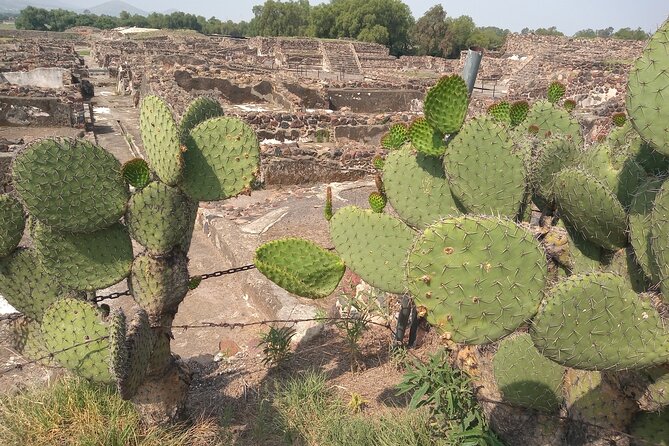
On the way, you’ll see features such as sunken patios and the West Plaza. You’ll also pass apartments where Teotihuacanos lived—an important reminder that Teotihuacán wasn’t only a ceremonial stage. Even within a short tour window, having those “life” elements sprinkled through the walk helps keep the pyramids from feeling like isolated artifacts.
Another value point here is that the guide ties these spaces to explanations about how the pyramids were made. That kind of “how it was built” framing is one of the fastest ways to appreciate the effort behind the final look.
One drawback to be aware of: the Road of the Dead is a long, central corridor, which means the tour’s physical rhythm is mostly forward motion. If you want frequent pauses for slow wandering and independent photo time, you may feel the pace more than you’d like.
You can also read our reviews of more guided tours in Mexico City


Sunken Patios, Apartments, and Daily-Life Clues
Not every walking tour gives you more than a highlight reel. This one includes stops and sights tied to everyday space—sunken patios and apartment areas—so you can picture what life might have looked like around the ceremonial monuments.
These details help answer a key question most first-time visitors have: was Teotihuacán all ritual and no routine? With these elements worked into the route, you’re nudged toward seeing the site as a complex community space, not just pyramids.
There’s also a nice practical payoff. When you notice the patterns in the way these spaces sit relative to the larger ceremonial areas, you start to understand why architecture here feels intentional rather than accidental.
The tour’s length prevents deep excavation-level detail, but it gives you enough context to keep your brain engaged instead of switching off halfway through.
Pyramid of the Sun: Scale, Symmetry, and the Big Moment
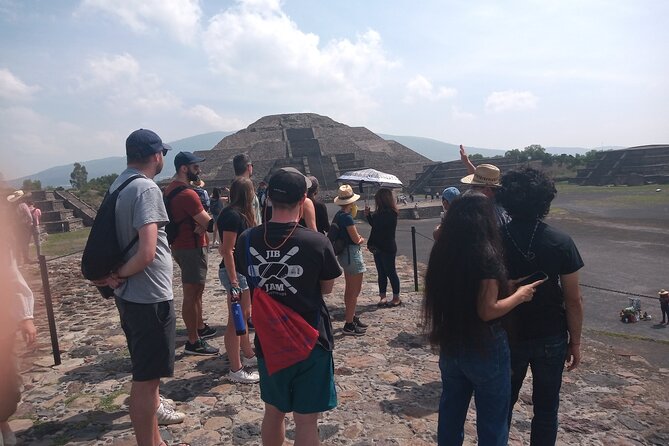
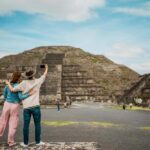
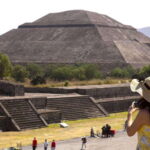
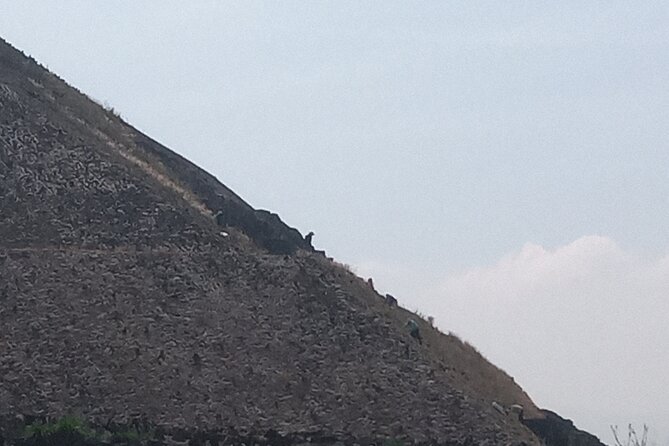
The walk brings you through the Pyramid of the Sun area as you continue along the ceremonial route. This is one of those places where your first instinct is just to look up and measure scale with your body.
The guide’s job is to keep that awe from turning into confusion. You’ll get explanations that connect the Sun Pyramid to the overall site layout and the way the ceremonial spaces are designed for sightlines and movement.
A recurring theme in the tour description and feedback is an emphasis on symmetry and the way the site uses natural resources. Even if you don’t know the technical terminology, you can feel it: straight lines, framed views, and patterns that make the whole zone look planned down to the details.
If you’re the type who loves a guided “what you’re seeing and why it matters,” this is where you’ll likely feel the most payoff. If you prefer quiet contemplation, you may want a bit more time than the tour gives—still, you’ll leave with a stronger understanding than most quick visits.
Road of the Dead to Palaces: Moving From Monuments to Meaning
After the Sun Pyramid segment, you’ll continue through additional ceremonial spaces, including palaces. The tour description treats this as part of the storytelling bridge: you’re not only heading toward the next pyramid, you’re also learning how the site’s different zones relate to each other.
This part of the walk is valuable because it changes the way you look. Instead of seeing isolated structures, you start viewing them as part of a system—an ordered set of spaces meant to guide behavior, movement, and attention.
If you want context, you’ll appreciate that the guide shares how the pyramids were constructed and how the architecture reflects its intended purpose. It’s a practical way to understand the site without needing to do heavy research before you arrive.
Pyramid of the Moon: Acoustics, Full-Moon Bird Sounds, and That Clap Effect
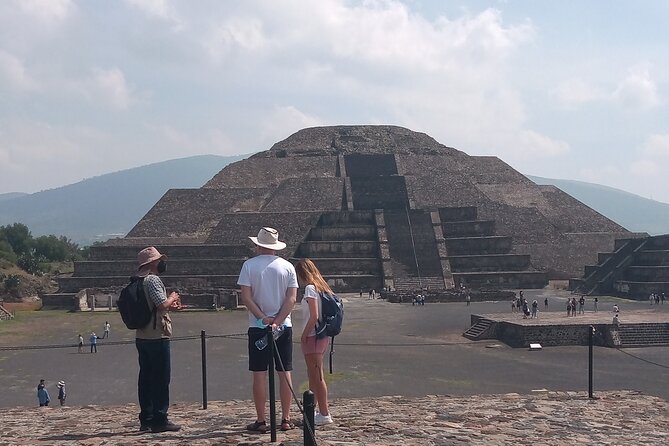
The route finishes at or around the Pyramid of the Moon area, which is where the tour turns extra “special” in the way that only live experiences can.
The tour is described as a charming way to experience the site’s acoustics and symmetry. One review highlights an effect connected to timing and location: a bird sound people experienced when clapping their hands in front of the temple where the Moon rises on a full moon day.
That clap-and-sound moment isn’t something I’d treat as guaranteed every day. But it’s a great example of the kind of interpretive, place-based learning this tour offers. You’re not just walking past the Moon Pyramid; you’re engaging with it in a sensory way.
If you catch the timing that matches the experience people describe, you’ll likely remember it long after the photos fade. If not, you’ll still get the Moon Pyramid viewpoint and the guide’s explanation of how the space works visually and acoustically.
What the Tour Includes (and What It Doesn’t) for Real Value
At $73.00 per person, this is priced as a short, guided, admission-included experience with English service. That sounds straightforward, but value depends on what you’d otherwise have to figure out.
Here, admission ticket is included and all fees and taxes are covered. That reduces the “surprise math” that can hit you when you’re piecing together your own day. The tour also lasts about 3 hours, so you’re buying focused time with a guide rather than taking on all the planning yourself.
The one clear miss is that bottled water isn’t included. Since you start with a chance to buy water in the entrance area, I’d treat that as your cue: grab what you need early. It’s a small expense, and it keeps you from having to hunt around once you’re moving.
Also note: the tour is in English and uses a mobile ticket. If you’re trying to travel light and avoid paper ticket chaos, that’s a plus.
Group Size, Pace, and Physical Fit: Who This Tour Works For
The tour has a maximum of 40 travelers, which is large enough that you’ll still feel like you’re in a group, but small enough that your guide can keep momentum and spot questions. For a site this big, a controlled pace helps you see the right things without spending the whole time “getting your bearings.”
The requirement is a moderate physical fitness level. Since this is a guided walking tour through main areas, you should be comfortable with steady walking for the full duration.
This tour works especially well if:
- you’re seeing Teotihuacán for the first time and want the main sequence explained
- you don’t want to navigate the site on your own
- you like guides who point out details and help you notice patterns
It may not be ideal if:
- you want a long, slow, unstructured visit where you can linger at every nook
- you’re hoping for a strict museum-style stop with very little walking
Price and Logistics: Easy to Join, Easy to Exit
The logistics are pretty clean once you know the gates. Start at Puerta 1 in the parking area, then the experience ends at Puerta 3. Since those are different, plan your onward plans around Gate 3. The end point is listed as near a restaurant, which is handy when you’re ready to reset afterward.
The opening window listed is Monday through Sunday, 8:30 AM to 11:30 AM. That morning timing can be a good choice for the kind of energy Teotihuacán rewards: arrive earlier, keep the day from turning into a heat-stress problem, and finish while you still have daylight momentum.
One more note: the tour duration is about 3 hours. It’s a tight window, so I’d avoid building a complicated schedule right after the tour. Give yourself time to snack, stretch, and get to wherever you’re staying next.
Should You Book This Teotihuacán Walking Tour?
If you want a first-pass Teotihuacán experience that’s structured, guided, and interpretation-heavy, I think this is a strong choice. The mix of major monuments (Sun Pyramid, Moon Pyramid, Quetzalcoatl) with smaller contextual stops (sunken patios, West Plaza, apartment areas) helps you leave with more than just big photos.
The biggest reason to book is the human factor. A guide like Joël—described as kind and capable of getting people to the best spots—makes a short tour feel complete. Add in the acoustics talk and the possibility of those clap-and-bird sounds around the Moon area, and you get something memorable without needing a full day.
If your top goal is maximum flexibility and time to wander entirely on your own, a 3-hour guided route might feel limiting. And if plans are uncertain, remember the stated policy: the experience is non-refundable and cannot be changed for any reason.
FAQ
How long is the Guided Walking Tour to the Archaeological Zone of Teotihuacán?
It lasts about 3 hours.
What is the price per person?
The price is $73.00 per person.
Is admission included?
Yes. An admission ticket is included in the experience.
What language is the tour offered in?
The tour is offered in English.
Where do we meet and where does the tour end?
You start at Zona Arqueológica de Teotihuacan Estacionamiento Puerta 1 (Door 1 area in the parking lot). The tour ends at Estacionamiento Puerta 3, with access by Puerta 3.
Is bottled water included?
No. Bottled water is not included.
Is the experience refundable if I cancel?
No. The experience is non-refundable and cannot be changed for any reason.