REVIEW · MEXICO CITY
Guadalupe Shrine Tour
Book on Viator →Operated by Amigo Tours · Bookable on Viator
Guadalupe is famous. Your plan matters. This 4-hour guided visit takes you straight to the Basilica of Our Lady of Guadalupe, up Tepeyac Hill, and through the Old and New basilicas—so you’re not wasting energy figuring out logistics in a crowd.
I love the prebooked entry angle, especially at a site with huge draw. I also like that you’re not just walking around; your guide adds context as you move between the basilicas and the museum setting.
One thing to consider: the tour starts in the afternoon (3:00 pm), so if you want extra time to linger everywhere, you may feel a bit of pressure when the grounds begin to wind down.
- Prebooked entry for a top pilgrimage stop without the stress of lining up on your own
- Small group size (max 20) that keeps the day feeling personal
- Two basilicas in one plan: the 1709 Old Basilica and the 1976 New Basilica
- Tepeyac Hill climb included, with a moderate fitness requirement
- Museum visit with 4,000 pieces of 17th-century religious art for real context
- English-language guide plus round-trip transportation
In This Review
- Price and what you really get for $51
- Getting to the Basilica complex without untangling CDMX
- The Guadalupe story that you’ll understand as you walk
- Basilica Antigua (1709): Spanish colonial meets Moorish influence
- The museum behind the Old Basilica: 4,000 pieces of 17th-century art
- Basilica Nuevo (1976): a circular church that changes how you view the Virgin
- Tepeyac Hill climb: the meaningful walk with moderate fitness needs
- Using the free time well: mass, prayer, or a slower stroll
- Guides make the difference: what to look for
- Who this tour fits best (and who might prefer another plan)
- Should you book the Guadalupe Shrine Tour with Amigo Tours?
- FAQ
- How long is the Guadalupe Shrine Tour?
- What time does the tour start?
- Is hotel pickup included?
- Where do I meet for the tour?
- Does the tour include a guide?
- Is the tour offered in English?
- Will I need to walk or climb stairs?
- Is there a museum stop?
- Is food included?
- What’s the cancellation policy?
Price and what you really get for $51
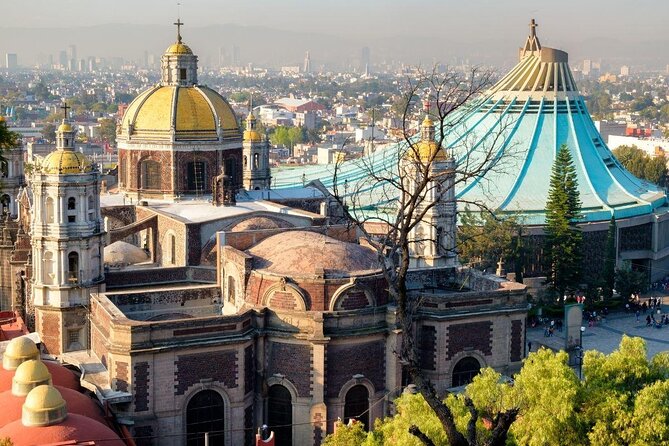
At $51 per person, the value here comes from the combo deal: a professional guide and round-trip transportation to a religious complex that’s far from most central hotels. If you’ve ever tried to DIY your way to the Basilica, you know how quickly the day can get eaten by getting there, figuring out where to stand, and timing your visit around big service moments.
The tour is designed as a guided circuit: you’ll move between the Old Basilica, the New Basilica, Tepeyac Hill, and a museum behind the Old Basilica. Food and drinks are not included, so plan on grabbing something before you start, or after you’re done. The day runs about 4 hours, which is long enough to see the key sites without feeling like you’ve rushed through them.
For logistics: hotel pickup is only available if you select the private tour. Otherwise, you’ll meet at the Hostal Amigo location in Mexico City’s Centro Histórico area. If your schedule is tight, or you don’t want to think about transit, the transportation element is the main reason this is worth it.
Getting to the Basilica complex without untangling CDMX
The meeting point is at Hostal Amigo, on Isabel La Católica 61-A in the Centro Histórico area. The start time is 3:00 pm, and the tour ends back at the same meeting point, so you’re not stranded.
Once you’re picked up (private option) or you meet the group, you’ll ride to the Basilica in a comfortable vehicle. This matters because the trip from downtown can add uncertainty if you’re using rideshare or public transit on your own, especially in late afternoon traffic.
A practical tip: because this is a popular religious destination, it’s smart to keep your day flexible around crowd patterns. Your guide helps you keep moving in the right order, and that’s a big deal at Guadalupe. I’d rather spend my energy looking up at architecture and artwork than constantly checking where I should go next.
You can also read our reviews of more tours and experiences in Mexico City.


The Guadalupe story that you’ll understand as you walk
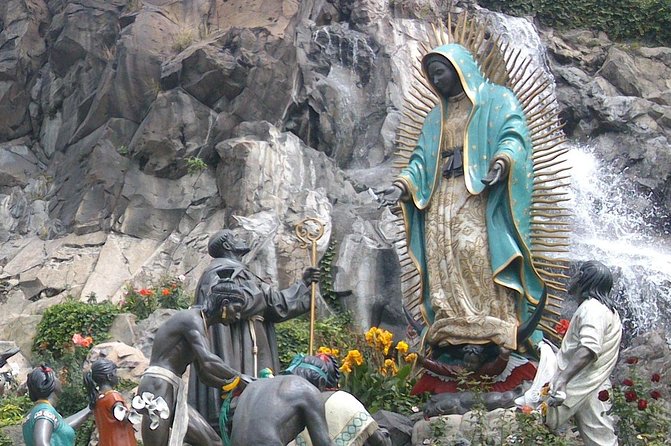
The whole site is built around an event said to have happened in 1531 on Tepeyac Hill, involving a manifestation of the Virgin to a peasant man and the miraculous imprinting of her image on his tilma. That story isn’t just a legend in the abstract—it’s the reason the shrine exists and why millions visit each year.
Standing where it happened (Tepeyac Hill), then moving into spaces where the devotion is practiced every day, changes the way the story lands. You’ll learn how the Virgin of Guadalupe matters in Mexican culture as both a religious figure and a cultural symbol. And even if you approach from a purely cultural angle, the explanation helps you make sense of what you’re seeing: the architecture, the flow of pilgrims, and the seriousness of the interior spaces.
I also like that the guide’s job isn’t limited to dates. You’ll connect the narrative to the physical layout of the grounds, so it feels like a guided route through meaning, not just a list of stops.
Basilica Antigua (1709): Spanish colonial meets Moorish influence
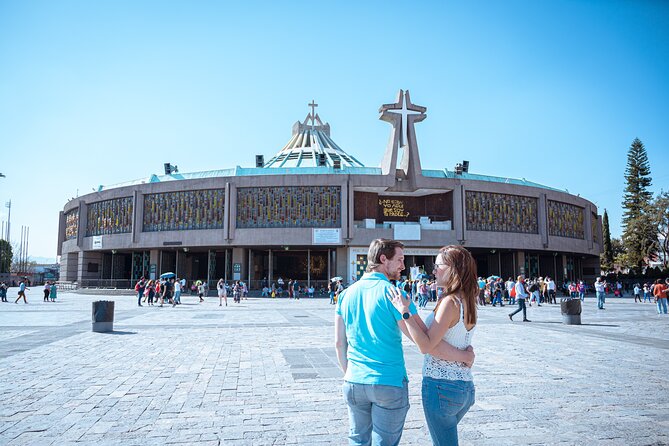
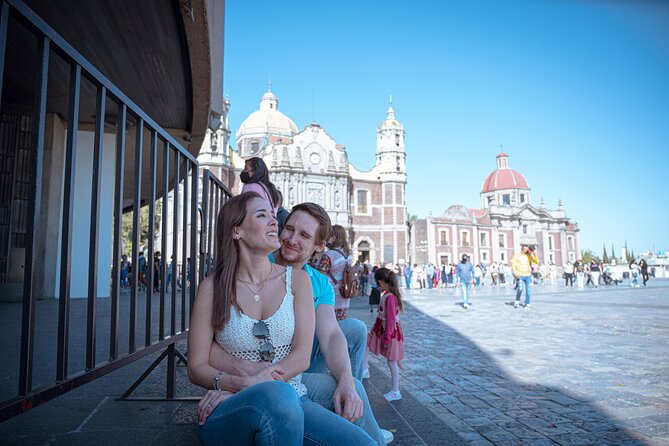
The first major interior stop is the Basilica Antigua, built in 1709. This is where you’ll notice the Spanish colonial style with Moorish influence. That mix is a big clue that Guadalupe has been shaped over time—not just in story, but in design.
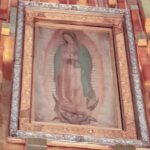
Inside, you’ll see the miraculous tilma display along with devotional paintings. This is the moment where the visit becomes more than sightseeing. Whether you’re religious or just curious, it’s hard not to register how people behave here: the quiet attention, the repeated visits, the way conversations slow down when you enter.
Also, the building itself is part of the experience. The Old Basilica is older, more traditional in feel, and it gives you a sense of how devotion was housed in earlier centuries. I’d come in with the mindset that you’re looking for details: how the room frames the central devotion, and how that shapes the whole visitor experience.
Photo note: plan for restrictions inside the original chapel area. It’s best to assume cameras may be limited there and take your photos in allowed zones around the complex.
The museum behind the Old Basilica: 4,000 pieces of 17th-century art
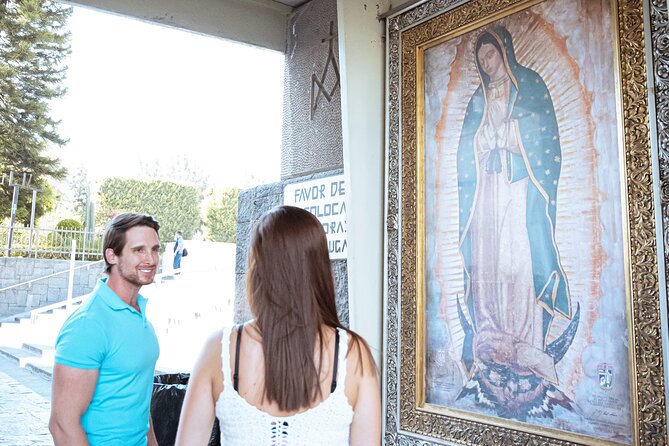
After you’ve seen the basilica spaces, you’ll visit the museum behind the Old Basilica. The museum focuses on 17th-century religious art, and the scale is impressive: 4,000 pieces.
This is the part that helps you move beyond the headline story. Instead of treating Guadalupe as one iconic image, the museum context shows how religious art developed around the devotion—what got reproduced, what symbolism meant, and how people expressed faith visually in that era.
The museum time is built into the day as a core stop (about 2 hours, with admission noted as free for this stop). If you’re the type who likes to understand what you’re looking at—symbols, styles, devotional artwork—this visit is a real bonus. If you’re not, it can still be worth it because it gives you a way to interpret the objects and spaces you’ll see immediately after.
Basilica Nuevo (1976): a circular church that changes how you view the Virgin
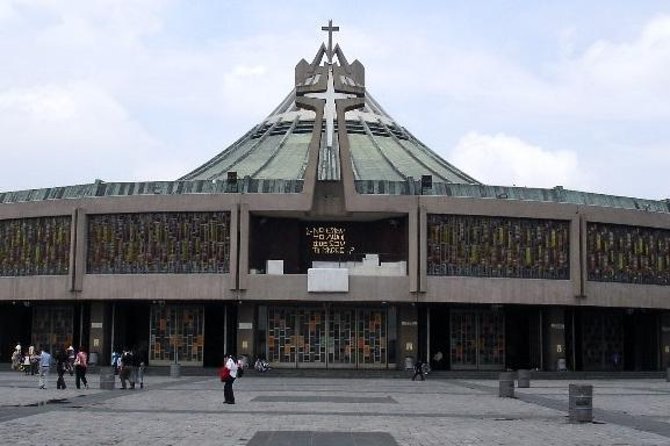
Next comes the New Basilica, completed in 1976. This church has a circular floor plan, which is one of the reasons it works so well for crowd flow. The layout is designed so you can get a view of the Virgin from many points inside, rather than forcing everyone into one narrow angle.
Then you’ll see pilgrims moving into the main aisle. It’s one of those scenes that you can’t really fake with a guidebook. The combination of architecture and movement gives the place a living, daily rhythm—especially if you visit during a period when services are about to begin or are already underway.
This is also where the “why it’s so visited” question becomes obvious. The space is built to hold people. And your guide helps you understand what you’re observing—how worshippers use the aisles, where devotion concentrates, and why this area feels different from the Old Basilica.
If you like architecture, pay attention to how the building keeps your perspective flexible. If you just want the main moments, your route makes that easy too.

Tepeyac Hill climb: the meaningful walk with moderate fitness needs
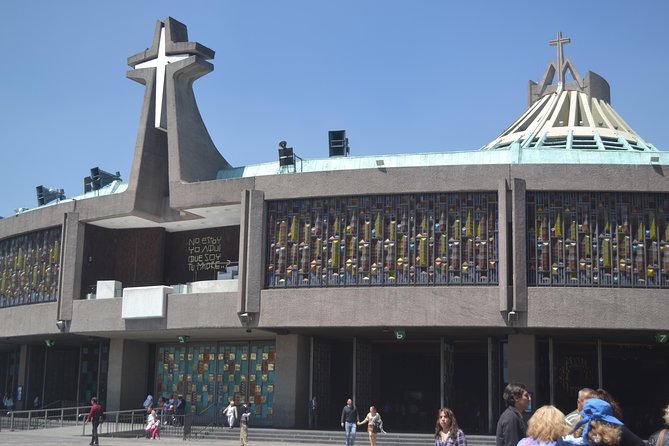
Your tour includes climbing Tepeyac Hill, where the events tied to the Guadalupe story are said to have begun. This is the part of the day that requires moderate physical fitness, mainly because you’re dealing with stairs and an uphill climb.
The good news: the hill area is well cared for, and the viewpoint payoff is real. Even if you’re not a “hills are fun” person, the climb gives you a physical sense of place—why this spot became the center of a massive pilgrimage.
If you have mobility concerns, don’t assume you can’t do it. You should plan to communicate your needs clearly before you start the climb, and choose a comfortable pace. Your guide can help you find easier routes when possible, but the hill is still a hill.
Practical move: wear comfortable shoes. You’re going to be on your feet, and you’ll want traction for stairs.
Using the free time well: mass, prayer, or a slower stroll
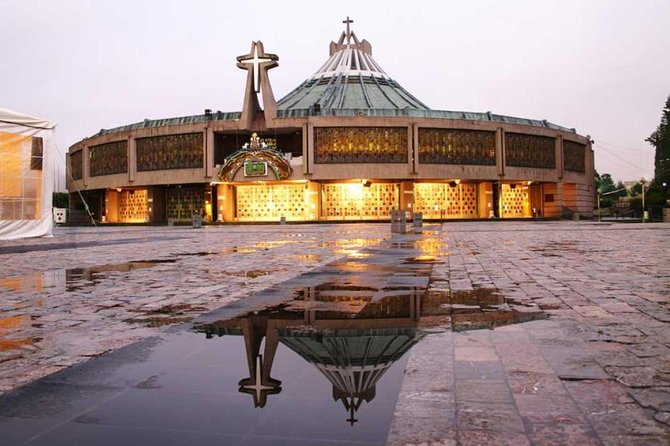
After the main basilica-and-hill loop, you’ll get some free time. You can attend mass or stroll around the area on your own.
This is a good moment to switch modes. Up to this point, your day has structure—guide explanations, guided movement, and set stops. During free time, you decide what matters most to you:
- If you want the spiritual side, mass is the obvious choice.
- If you want the cultural side, use the time to watch how people move through the grounds and take in architecture you didn’t have time to focus on.
Because your tour starts at 3:00 pm, the amount of time you get to linger depends on how the day’s schedule feels and when areas start closing. If you’re trying to see everything in detail, consider that afternoons can be shorter than you expect. I’d keep a clear plan for what you most want: Old Basilica focus, New Basilica focus, or museum focus.
Guides make the difference: what to look for
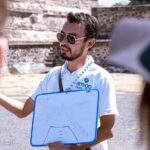
A major strength of this tour is how much the guide shapes the day. Names that come up often include Ligia, Jocelyn, Gabriel, Mirian, and Anthony, along with others. The consistent theme is that guides explain the story and the meaning of the spaces without making you feel rushed.
One thing I really value: when the group is small, the tour can feel more like a conversation. If you end up with fewer people than expected, you’re more likely to ask questions and get real answers about Guadalupe, Juan Diego, and the cultural context around the shrine.
Also, if you’re traveling with family or mobility needs, guides can sometimes help with route choices. That doesn’t remove the moderate-fitness requirement, but it can make the day more workable.
Who this tour fits best (and who might prefer another plan)
This Guadalupe Shrine Tour is a strong fit if you want:
- Guided context while you see both basilicas
- A plan that covers the key elements without figuring out transport on your own
- An afternoon start that still gives you time for mass or quiet wandering afterward
It’s also a good match for people who like “learn while you go,” especially with the museum stop. That 17th-century art component gives your visit a deeper angle.
You might want to think twice if:
- You’re hoping for an all-day, slow exploration of every chapel and side area. The afternoon timing can compress free time.
- You have difficulty with stairs or uphill walking. Tepeyac Hill is included, and the tour calls for moderate fitness.
If you’re on a first visit to Mexico City and want one major pilgrimage stop handled well, this tour is built for that.
Should you book the Guadalupe Shrine Tour with Amigo Tours?
Yes, if you want a guided route that hits the big moments—Old Basilica Antigua, the New Basilica, the Tepeyac Hill climb, and a museum stop with 17th-century religious art—without turning your afternoon into a logistics puzzle.
I’d book it if your priorities are clarity and flow: you like having a guide keep the day moving, you value prebooking for a high-demand attraction, and you want the story explained while you stand in the spaces where it’s honored.
I’d hesitate if you want maximum time on your own at the complex or you’re not comfortable with a hill climb. In that case, you might prefer a plan that starts earlier or one that gives more time on site.
Either way, treat this as a purposeful pilgrimage-style visit. You’ll get more out of it when you slow down enough to look, listen, and follow your guide’s pacing.
FAQ
How long is the Guadalupe Shrine Tour?
The tour runs about 4 hours, with the schedule built around the basilicas, Tepeyac Hill, and time for mass or strolling afterward.
What time does the tour start?
The start time is 3:00 pm.
Is hotel pickup included?
Round-trip transportation is included. Hotel pickup is only available if you select the private tour option.
Where do I meet for the tour?
The meeting point is Hostal Amigo, Isabel La Católica 61-A, Centro Histórico, Cuauhtémoc, 06000 Ciudad de México, CDMX, Mexico.
Does the tour include a guide?
Yes. A professional guide is included.
Is the tour offered in English?
Yes, the tour is offered in English.
Will I need to walk or climb stairs?
Yes. The tour includes a walk up Tepeyac Hill and is listed as requiring moderate physical fitness.
Is there a museum stop?
Yes. You’ll visit a museum behind the Old Basilica with 4,000 pieces of 17th-century religious art.
Is food included?
No. Food and drinks are not included.
What’s the cancellation policy?
You can cancel for a full refund up to 24 hours before the experience’s start time (local time). Free cancellation is offered.