REVIEW · MEXICO CITY
From Mexico City: Cholula Pyramid & Puebla Small Group Tour
Book on GetYourGuide →Operated by Travis Adventures · Bookable on GetYourGuide
Cholula’s pyramid starts the day with a climb. This small-group Mexico City tour strings together the Great Pyramid of Cholula and Puebla’s most famous churches, with Indigenous artistry that still shocks people—in a good way—and a sweet dessert stop at the end.
What I love most is the small group size (max 15) and the contrast between Santa María Tonantzintla’s Indigenous-Christian interior and Puebla’s big Catholic monuments, especially the Capilla del Rosario. If you care about how cultures mix on the same walls, this day gives you real examples, not just photo stops.
One caution: the climb at Cholula is real, and there’s no elevator to reach the top. If walking is tough for you (or you’re traveling with knee trouble), this 10-hour loop can feel like a lot.
In This Review
- Key Things That Make This Tour Worth Your Time
- From Angel of Independence to Cholula: your 10-hour rhythm
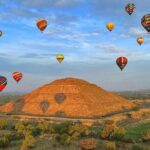
- Great Pyramid of Cholula: archaeological layers and a climb worth planning for
- Our Lady of Remedies at the top: what it means to see it in context
- Santa María Tonantzintla: Indigenous motifs inside a Catholic church
- San Francisco Acatepec and Puebla’s colonial core: churches, volcano views, and scale
- Capilla del Rosario: the statue that explains why Puebla mattered
- Calle de los Dulces: end the day with real Puebla sweets
- Guides, safety, and the small-group feel (why it matters)
- Price and value: is $192 fair for what you get?
- Who this tour fits best
- Should you book this Cholula & Puebla small-group tour?
- FAQ
- What’s included in the tour?
- Are meals included?
- How long is the tour?
- How big is the group?
- Where do we meet?
- Is there an elevator to reach the top of the pyramid in Cholula?
- Which languages is the guide available in?
- What are the main stops in the itinerary?
- What time do we return to Mexico City?
- Is the Capilla del Rosario visit always guaranteed?
Key Things That Make This Tour Worth Your Time
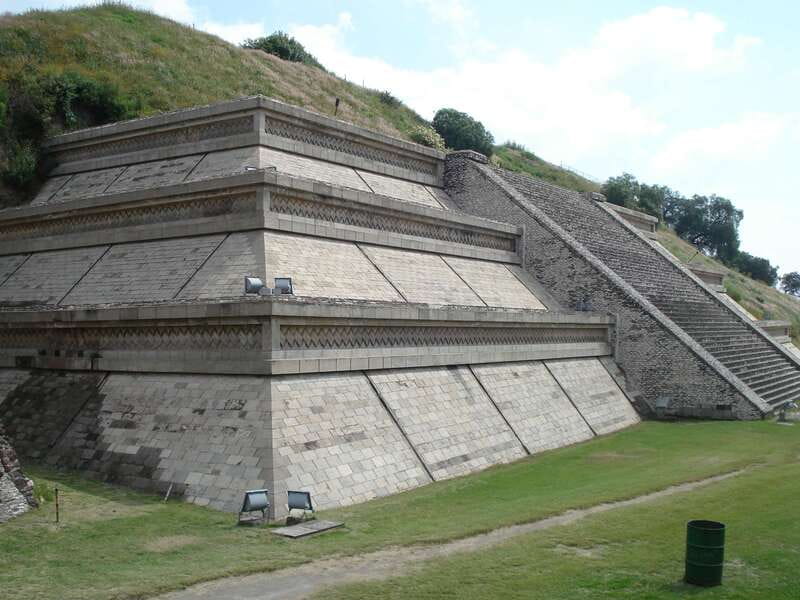
- Great Pyramid of Cholula + Our Lady of Remedies: pre-Hispanic site layered with a church on top
- Santa María Tonantzintla’s “sky” symbolism: rain (Tlaloc) and Indigenous faces in the dome areas
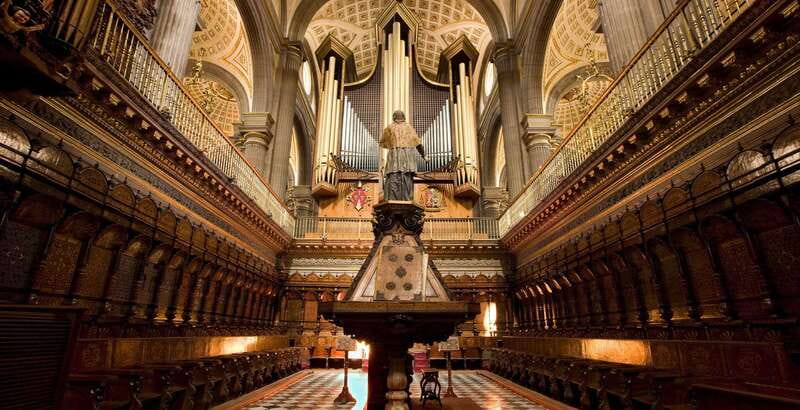
- Puebla Cathedral details: cross-shaped plan with 5 naves and an octagonal central altar
- Capilla del Rosario stop: the Virgin of the Rosary statue with saints, angels, and martyrs
- Dessert walk on Calle de los Dulces: classic Puebla sweets before you head back
From Angel of Independence to Cholula: your 10-hour rhythm
This is a full-day outing (10 hours) that’s built for first-timers who want more than one highlight without fuss. You meet at Maria Isabel Sheraton Hotel, right by the roundabout for the Angel of Independence. From there, transport gets you out of Mexico City and toward Puebla state.
Because it’s limited to 15 participants, you’re not stuck in a huge herd. You usually get a real conversation with your bilingual guide (Spanish and English), and the schedule feels tighter. Guides named Javier and Alberto show up in Cholula for some groups, while Francisco is a common name for the Puebla/drive side—both are described as organized and safety-focused.
Plan for a long day. Even with transport doing most of the heavy lifting, you’re still doing church walking, museum time, and the big Cholula climb. If you’re the type who likes to move at a calm pace and actually look closely, this works well.
You can also read our reviews of more city tours in Mexico City

Great Pyramid of Cholula: archaeological layers and a climb worth planning for
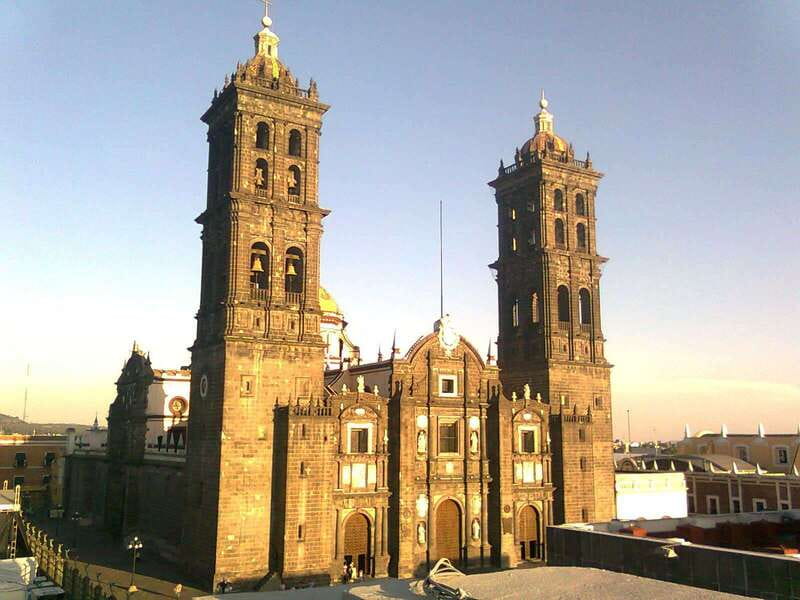
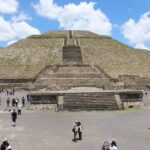
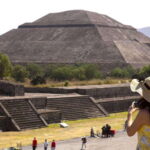
Cholula is famous for a reason: the Great Pyramid is enormous, and it’s not just a view-point. The tour starts in Cholula with the archaeological site and museum, plus included admissions to the pyramid complex. That museum bit matters, because it helps you read what you’re seeing instead of just thinking, wow, that’s big.
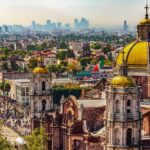
Then comes the main action: you ascend to the top area, where the Our Lady of Remedies Church sits above the pyramid itself. This “church on top of an older sacred place” is one of those moments that makes the whole day click.
Practical reality check: there’s no elevator to reach the top. So bring the right shoes and assume you’ll be using stairs. The good news is that the pyramid site is set up so you can take it step by step, and your Cholula local guide is there to point out what to focus on while you’re higher up.
I like that the tour doesn’t rush the pyramid into a quick photo pass. With the museum and the guided explanation, the site feels more like a living place you’re learning to notice.
Our Lady of Remedies at the top: what it means to see it in context
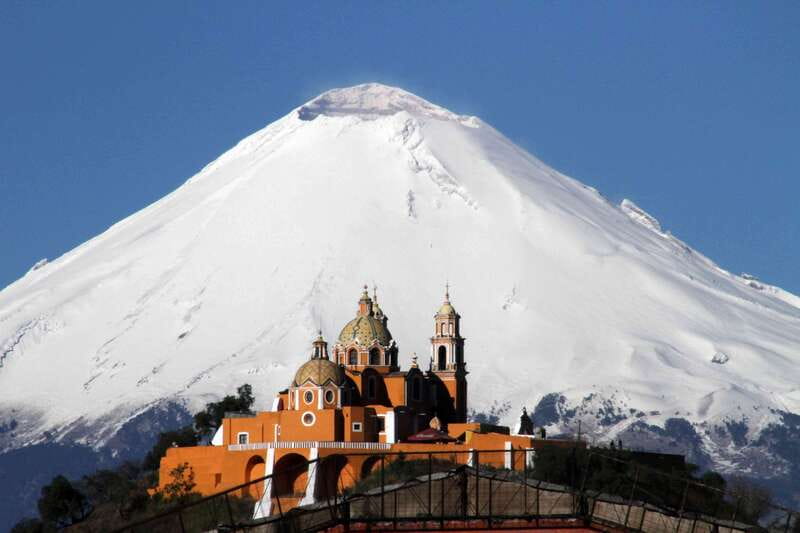
The Our Lady of Remedies Church is more than a postcard stop. Seeing it after you’ve already been told about the pyramid’s place in Indigenous history helps you understand why people kept building sacred space here.
The climb sets the tempo for the whole day. Once you’re up top, you’re not just looking at buildings—you’re seeing a layered timeline. And that framing makes later stops in Puebla feel more connected, not random.
For anyone who likes symbolism: notice how people used the highest, most visible spot they could find, then placed a new set of religious meaning over it. It’s one of those cultural overlaps that turns into a theme by the time you reach Tonantzintla and Puebla’s cathedral.
Santa María Tonantzintla: Indigenous motifs inside a Catholic church
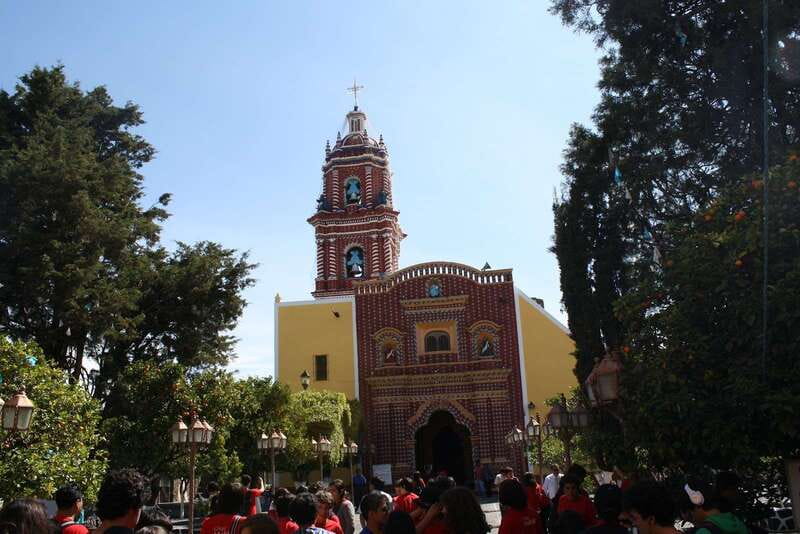
Santa María Tonantzintla is the part of this tour that tends to stick with people. The interior decoration is dramatic because it combines Indigenous motifs and Catholic elements in a way that feels personal, not generic.
You’ll learn how Indigenous people in Tonantzintla wanted to represent Tlaloc, the god of rain. The most striking detail is the dome-area symbolism tied to the sky chapel idea—rain, sky, and spiritual meaning in one visual system.
Then comes another layer that’s easy to misunderstand until your guide explains it: those many little carved faces aren’t simply angels. They’re presented as Indigenous people who died and were reincarnated in the sky. That detail changes how you look at the carvings. Instead of seeing stock Christian figures, you start noticing how specific community beliefs get translated into church art.
If you’re even mildly curious about how syncretism works (how different religious ideas blend), this stop delivers. It’s also where the small-group format helps. You can actually stand, listen, and take photos without feeling like you’re being pushed through.
San Francisco Acatepec and Puebla’s colonial core: churches, volcano views, and scale
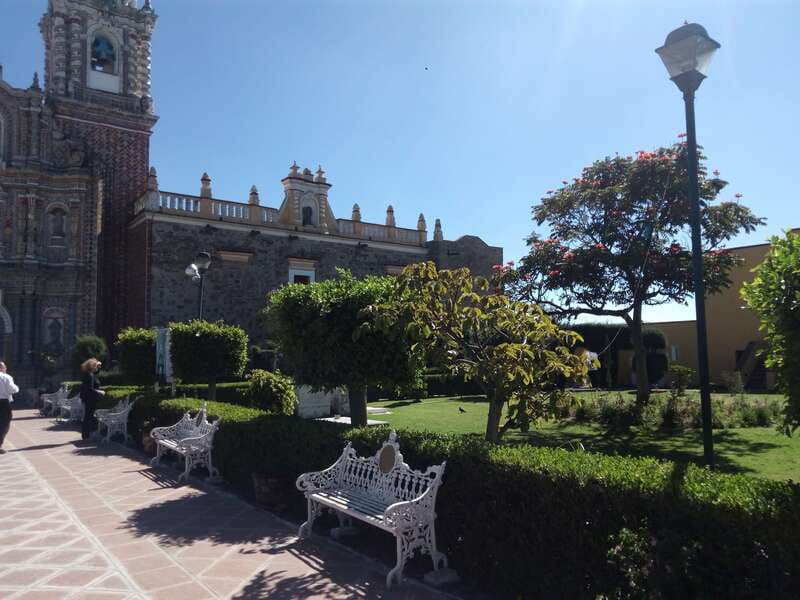
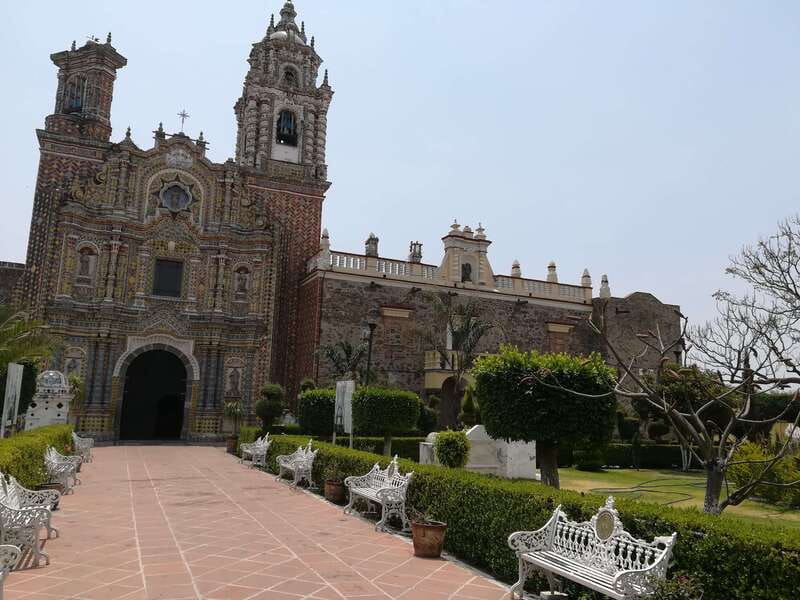
After Tonantzintla, you move on to San Francisco Acatepec. The tour description doesn’t list the exact interior features, but it frames this church as another unforgettable stop—worth your full attention because Puebla’s churches are not cookie-cutter.
Then you shift into Puebla de los Ángeles, with time to appreciate the colonial street-culture and the dramatic view of the volcano pair Popocatépetl and Iztaccíhuatl. Seeing Puebla with that backdrop is part of the payoff of the trip—your brain connects the architecture to the geography.
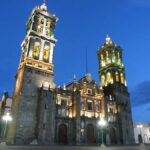
At Puebla’s cathedral, the details are specific and unusual:
- It’s described as cross-shaped with 5 naves
- The central altar is octagonal
- The other four altars face toward compass points
- The bell towers are the largest in Mexico
Those are not random facts. They give you a way to “read” the building like a map. Even if churches aren’t normally your thing, these structural choices help you see the cathedral as design, not just decoration.
And because this is a guided day trip, you’re not stuck guessing what you’re looking at.

Capilla del Rosario: the statue that explains why Puebla mattered
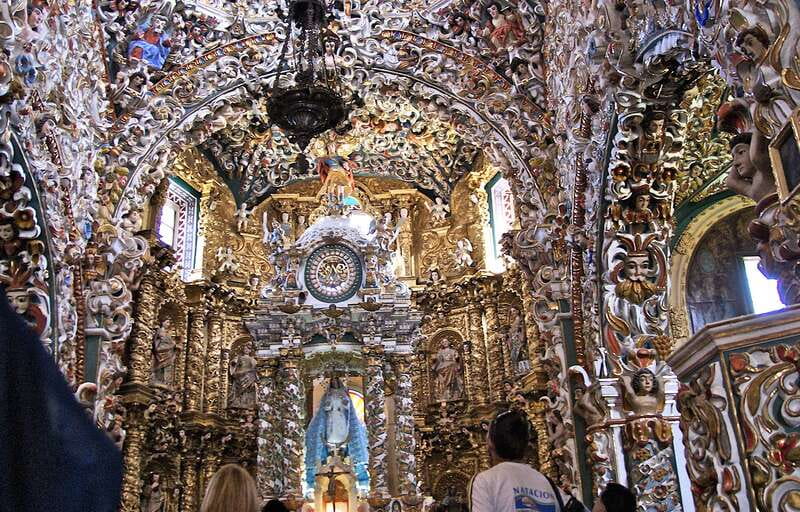
The Capilla del Rosario is the stop you’ll remember when you get back to Mexico City. The tour includes visiting the chapel, and in its day it was considered one of the 8 wonders of the world, at least in how people talked about it.
Inside, you’re shown the statue of the Virgin of the Rosary, surrounded by saints, angels, and martyrs. That description alone doesn’t fully prepare you for how packed the concept feels: the space works like a visual lesson, building devotion through surrounding figures.
One note: the earlier highlights say this visit is included if available. So you should treat the chapel as a big potential highlight. When it’s on the schedule, it’s a major reason people book.
Calle de los Dulces: end the day with real Puebla sweets
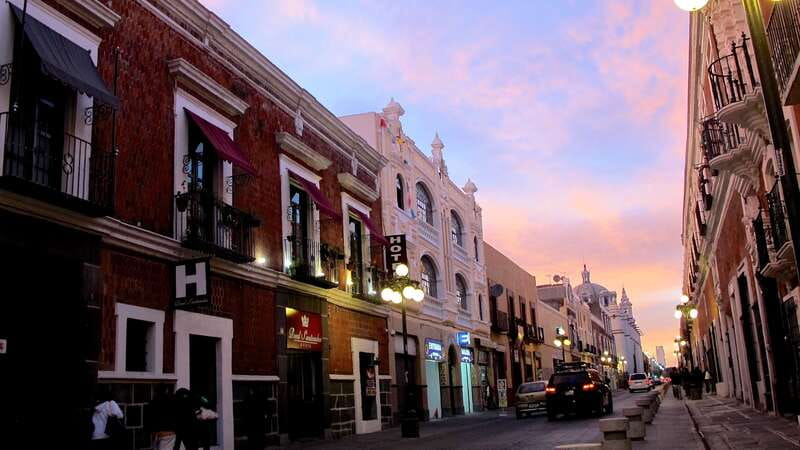
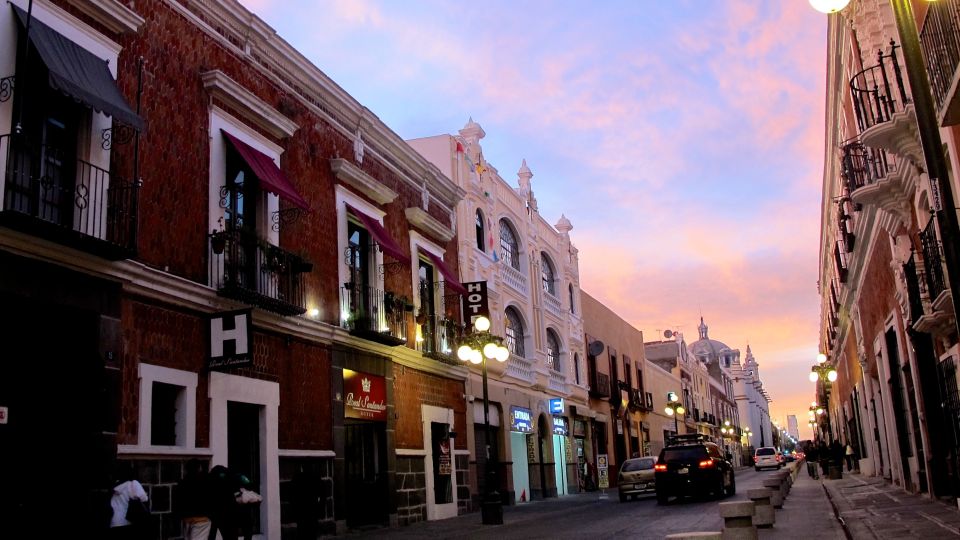
At the end of the tour, you stroll down Calle de los Dulces and get to know Puebla’s typical desserts. This is where the day gets lighter. After heavy architecture and symbolism, you finally get to taste the city’s identity.
Meals and drinks aren’t included, so this dessert walk can act like a gentle late snack moment. It’s also a good reminder: Puebla sweets are part of the local culture, not just tourist shopping.
If you’re the kind of person who wants to leave with both photos and flavors, this last stretch is a smart finish.
Guides, safety, and the small-group feel (why it matters)
What makes this tour work is the human layer—guides who can explain what you’re seeing and drivers who keep the day moving safely.
Some groups describe standout Cholula guidance with Alberto and Javier, and Puebla guidance with Francisco. The consistent theme in those accounts is that the guides are organized, patient, and focused on making the experience feel complete even when the day gets messy—like traffic disruptions.
For example, one account mentions a traffic accident that cost time, yet the guide extended the trip so the full experience could still happen. That kind of flexibility is not guaranteed on every tour, but it’s exactly what you hope for when you book a structured 10-hour day.
Also, if you’re worried about comfort: you’ll be doing enough walking that one review explicitly flags the trip as tough for seniors. So if you’re older or mobility-limited, pay attention to your own pace and consider whether the pyramid climb is realistic for you.
Price and value: is $192 fair for what you get?
At $192 per person for a 10-hour day, the price makes sense if you factor in what’s included:
- Transport
- Admissions to the Pyramid of Cholula
- Bilingual tour guide (Spanish and English)
Meals and drinks aren’t included, so budget for lunch or snacks. But you’re not paying separately for major entries, and you’re getting guided interpretation for the churches where the details matter.
This is the kind of tour that earns its value through time saved. Doing Cholula and Puebla separately on your own is doable, but it often turns into coordination headaches: getting there, planning entrances, and figuring out what to prioritize once you’re standing in front of it all.
Also, the max 15 size helps keep the day from turning into a rush. For many people, that alone is worth something.
Who this tour fits best
This day trip is a great fit if:
- You want Cholula + Puebla in one go
- You care about church art details, not only exteriors
- You like guided explanations with specific cultural context
- You want a smooth plan with small-group energy (max 15)
It might be less ideal if:
- Walking is difficult for you
- You need step-free access at the pyramid (there’s no elevator to the top)
- You prefer very slow sightseeing and lots of sit-down time
If you’re traveling as a couple, this is also a good format. You still get a group setting, but the pace doesn’t feel like a bus tour.
Should you book this Cholula & Puebla small-group tour?
I’d book it if you want a day that connects Indigenous and colonial Mexico in a way you can actually understand as you go. The Pyramid of Cholula sets the stage, Santa María Tonantzintla gives you Indigenous symbolism inside a Catholic space, Puebla’s cathedral details give you design you can visualize, and the Capilla del Rosario adds a dramatic finish.
But be honest about the physical side. The pyramid climb has no elevator, and the day is long enough that comfort matters. If you can handle uneven steps and a full day of walking, this tour is strong value and a memorable way to see more than one famous region without wasting hours planning.
FAQ
What’s included in the tour?
Transport, admissions to the Pyramid of Cholula, and a bilingual tour guide (Spanish and English) are included.
Are meals included?
No. Meals and drinks are not included.
How long is the tour?
The tour lasts 10 hours.
How big is the group?
It’s a small group limited to 15 participants.
Where do we meet?
The meeting point is Maria Isabel Sheraton Hotel, next to the roundabout of the Angel of Independence.
Is there an elevator to reach the top of the pyramid in Cholula?
No. There is no elevator to reach the top of the pyramid.
Which languages is the guide available in?
The tour offers Spanish and English.
What are the main stops in the itinerary?
The tour includes the Great Pyramid of Cholula (archaeological site and museum), Our Lady of Remedies Church, Santa María Tonantzintla, San Francisco Acatepec, Puebla de los Ángeles (including the cathedral), and the Capilla del Rosario if available. It also includes a stroll down Calle de los Dulces.
What time do we return to Mexico City?
You return to Mexico City at 6 PM, and the tour ends then.
Is the Capilla del Rosario visit always guaranteed?
The plan says it’s visited if available.