REVIEW · MEXICO CITY
EXCLUSIVE TOUR Basilica of Guadeloupe – small groups
Book on Viator →Operated by Chill N' Go · Bookable on Viator
This is one of those stops in Mexico City where art, faith, and architecture all sit in the same place, and a good guide helps you read it. I like the clear route through the Basilica grounds and Tepeyac area, with time to pause and look instead of rushing. I also like the stop at the Museo de la Basilica, which gives you a focused window into sacred art connected to the conquest years.
One big consideration: it’s a site with lots of stairs and uneven walking, and the tour is labeled for moderate fitness. If you have walking difficulties or low endurance, you may find the pace and steps challenging even though the group is small and guides try to be patient.
In This Review
- Key things you’ll notice on this tour
- Entering the Basilica Grounds: original image, architecture, and sacred art
- Tepeyac Hill: the story walk, the chapels, and the miraculous well
- Museo de la Basilica: a short museum stop that actually supports the story
- Guides who pace for real people (Daniel, Maite, Maya, Jonathan, Leonel)
- Pickup, round transfer, and the value of saving time
- Timing and walking reality: how to plan for 2–3 hours
- Who this tour fits best (and who might prefer a different plan)
- Should you book Basilica of Guadalupe – small groups?
- FAQ
- How long is the Basilica of Guadalupe small-group tour?
- What does the tour cost?
- Is pickup included?
- What tickets are included or free?
- Is this a private tour?
- Is a mobile ticket used?
- Is the tour good for people with mobility limits?
- Are service animals allowed?
- What’s not included?
- What happens if the weather is poor?
Key things you’ll notice on this tour
- Your guide matters: people praised guides like Daniel, Maite, Maya, Jonathan, and Leonel for pacing, patience, and practical explanations.
- Two free major sites: the Basilica of Guadalupe and Tepeyac access tickets are free, so your money goes to guide value and the museum.
- A smart museum add-on: the Museo de la Basilica is included and timed well (around 20 minutes) for people who don’t want a long museum day.
- Tepeyac isn’t just a hill: you’ll move through enclosures tied to the story, including the miraculous well area and nearby chapels.
- Pickup and round transfer: if your hotel is eligible, you save time and friction on a day that’s already full of walking.
- Mobile ticket: you’ll rely on a phone ticket, which is handy if you hate digging through paper.
Entering the Basilica Grounds: original image, architecture, and sacred art
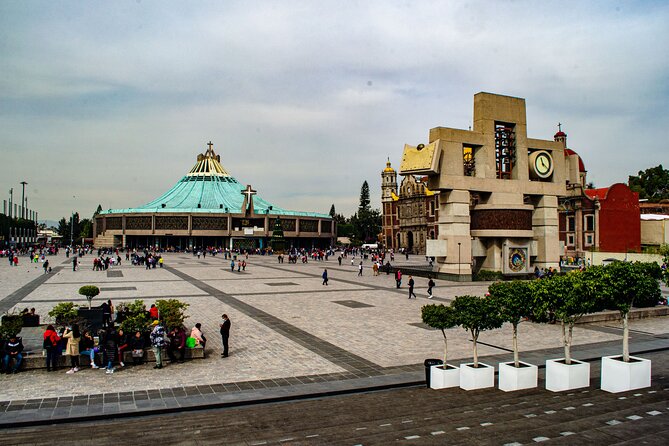
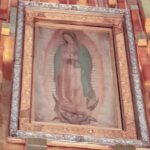
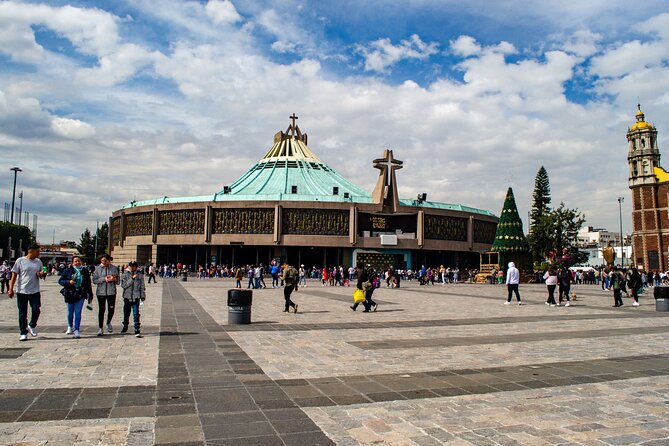
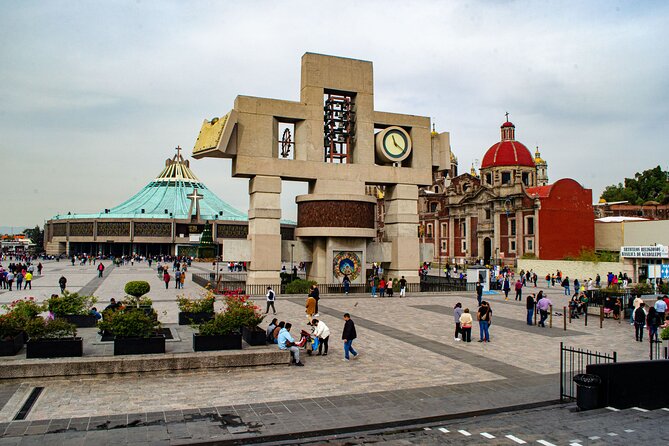
The Basilica of Our Lady of Guadalupe is the heart of the experience, and your guide’s job is to help you understand what you’re looking at. You’ll see the basilica itself and the famous original image. This is not just a photo stop. It’s a place designed for attention: light, space, and symbolism all work together, and the guide points out details so your visit feels organized.
I like how the tour keeps you moving, but not at a sprint. You get around an hour at the main site, with time to take in the building and then settle your eyes on the religious artwork and how it shaped Mexican Catholic devotion. The best moments usually come when your guide explains the symbolism in the architecture, because then the building stops feeling like a big shell and starts feeling like a message.
Practical tip: bring comfortable shoes and plan for crowd flow. Even with small groups, this is a major pilgrimage site, so you’ll want to move calmly and let your guide handle the route.
You can also read our reviews of more tours and experiences in Mexico City.


Tepeyac Hill: the story walk, the chapels, and the miraculous well
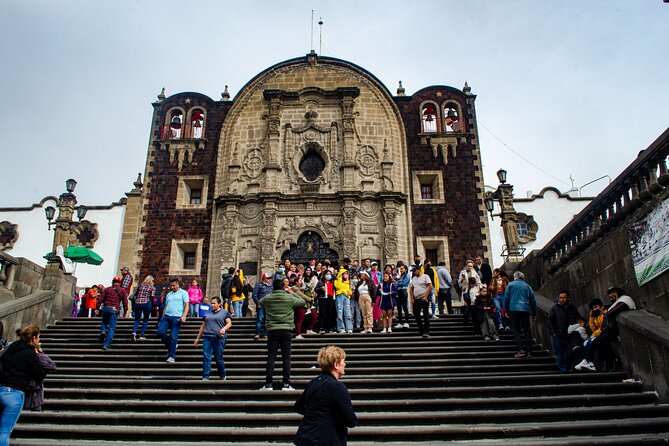
Next you head to Tepeyac, the hill linked to the Virgin’s apparitions to Juan Diego. The experience here feels different from the basilica: it’s more outdoors, more movement, and more “walk the story” energy. You’ll tour the surrounding enclosures and temples connected to what people believe happened there.
This is also where the tour connects to the very specific places mentioned in the experience description: the Pozitos chapel with medicinal waters and the Cerritos temple, tied to the apparition story. The route can include spots around the “little well” area (people also mention the Little Well and the associated enclosure). If you’re the type who likes details, your guide will likely explain why these particular corners matter to the Guadalupana tradition.
A personal-style travel note: I find Tepeyac works best when you slow down for a minute and stop thinking of it as an itinerary item. When you’re standing there, you can feel why pilgrims keep returning. This tour gives you a structured way to experience that without getting lost.
Possible drawback to plan for: stairs again. Expect them. People specifically mentioned the steps at the basilica area, and that same reality carries over to the Tepeyac surroundings.
Museo de la Basilica: a short museum stop that actually supports the story
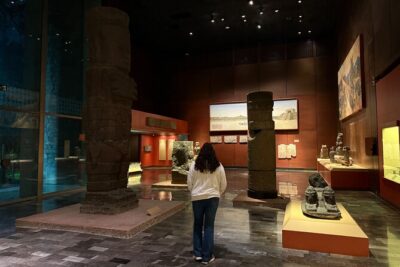
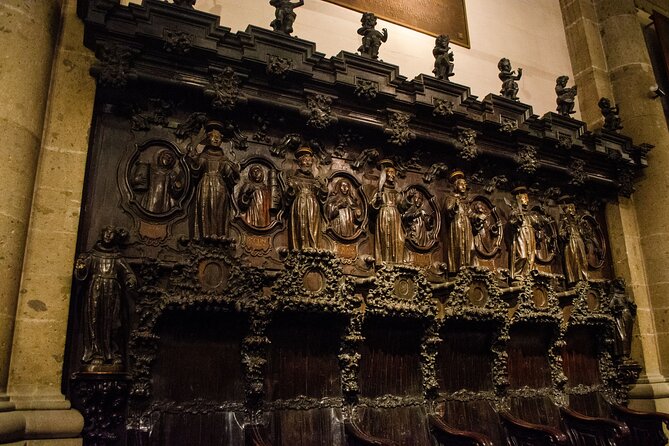
About 20 minutes is built into the plan for the Museo de la Basilica de Guadalupe, and that’s a good choice for most people. The museum focuses on sacred art stretching back to the conquest era, so it fills the gap between the living faith you see in the basilica and the historical layers behind it.
What makes this museum stop valuable is how it changes your lens. Without it, you can admire the buildings and images and still feel like you’re missing the “how we got here” part. With it, you get a compact timeline in your head: art as devotion, devotion as identity, and identity as something that took shape over time.
If you’re someone who likes museums but doesn’t want a half-day commitment, this is the right length. If you’re a museum fanatic, you might wish it were longer—but for the tour’s overall 2–3 hour format, this is efficient.
Guides who pace for real people (Daniel, Maite, Maya, Jonathan, Leonel)
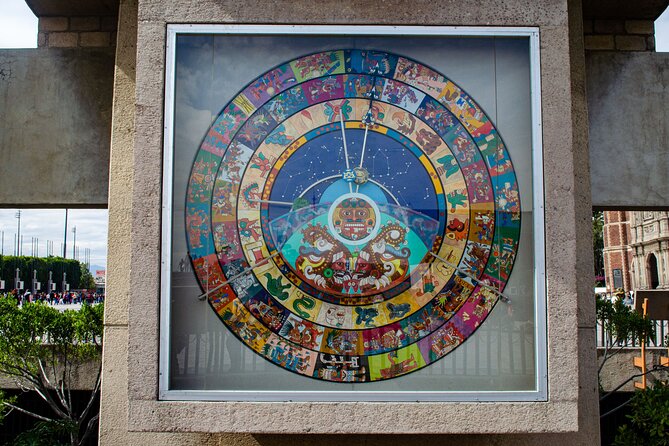
This tour leans heavily on the guide experience, and the best part is how human the pacing can be. In the feedback, I saw repeated praise for guides who were patient and willing to adjust for older guests or visitors who needed breaks.
Names that came up included Daniel and Maite—both described as knowledgeable and respectful, with Daniel singled out for being patient on a day with many stairs. Maite also stood out for giving people the time they wanted at certain points and for being courteous and professional. Maya was praised for communicating in advance so the start felt smooth, and Jonathan and Leonel were mentioned for on-time pickup and a thorough, organized explanation style.
Why this matters for you: small-group tours can either feel like you get personal attention or like you still get rushed. Here, the recurring theme is that the guide tries to match the pace of the group. That’s especially important at a spiritual site where people may want to linger for prayer.
If you like structure, you’ll probably appreciate the way guides connect what you’re seeing (image, architecture, chapels, museum objects) into one thread. If you like freedom, you’ll also benefit because the tour isn’t designed to sprint through everything in silence.
Pickup, round transfer, and the value of saving time
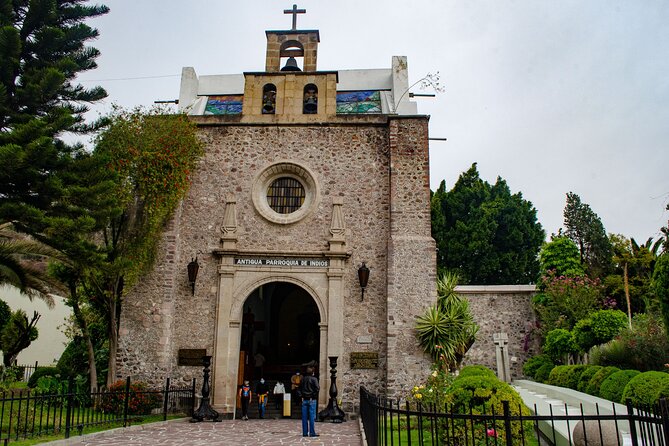
The tour includes round transfer, meaning pickup, transport to the sites, and drop-off back where you started. That can make a big difference in Mexico City, where transit can be the difference between a calm day and a stressful one.
At $57.94 per person, you’re paying for more than just access. The value is:
- A guide who can explain what you’d otherwise miss
- A short, efficient route that fits into a 2–3 hour window
- Transport convenience with pickup and return
- The museum ticket included for that museum stop
Also, the experience offers a mobile ticket, which is convenient if you’re managing multiple stops across the city.
One practical caution: transport coordination is only as good as what’s confirmed with your provider. One visitor reported transportation and communication issues, so I’d treat this as a “confirm details early” type of day. When you book, make sure you have your pickup instructions clear and reachable, especially if you’re staying in a busy area.


Timing and walking reality: how to plan for 2–3 hours
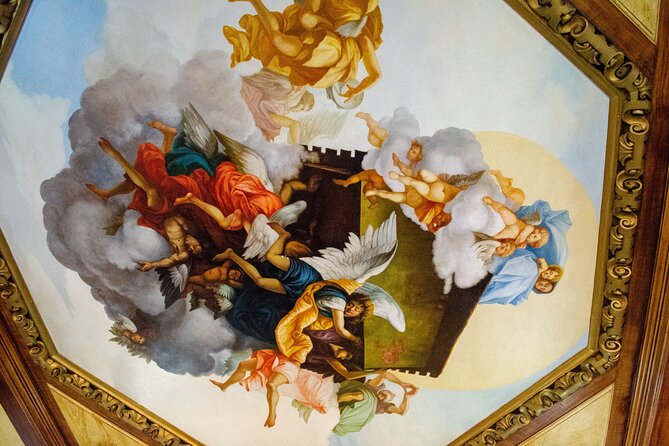
The stated duration is about 2 to 3 hours, and that’s realistic because the route is compact. But “compact” doesn’t mean “easy.” You’ll be moving between the basilica and Tepeyac areas, and steps are part of the experience at both.
For you, the best planning move is to treat this like a short walking workout:
- Wear shoes with grip
- Bring a light layer (church spaces can feel cool even in warm weather)
- Plan on breaks if you need them, and let your guide know early
The tour explicitly notes moderate physical fitness is required and that it’s not recommended for people with walking difficulties or little endurance walking for several hours. Even though the tour isn’t “several hours,” the site is stair-heavy enough that you’ll want to respect that guidance.
Who this tour fits best (and who might prefer a different plan)
This tour is a great fit if you want:
- A guided, story-connected visit to Guadalupe’s main sacred points
- A short, high-impact outing that doesn’t swallow your whole day
- A manageable way to include a museum stop without turning it into a full museum afternoon
- Pickup and return transport to reduce Mexico City stress
It may not be ideal if you:
- Have limited ability with stairs or uneven walking
- Want minimal walking and minimal crowds
- Prefer a fully self-paced visit where you don’t need to follow a set route
Should you book Basilica of Guadalupe – small groups?
I’d book it if you’re going to be in Mexico City and you want Guadalupe to be more than sightseeing. With a guide like Daniel or Maite, the visit can feel organized and meaningful—especially at places like the basilica where symbolism and architectural details matter.
I wouldn’t book it if walking stairs is a hard no for you, or if your day needs something very flexible with long stops and no group pacing. Also, double-check pickup details so transport stays smooth, particularly if you’re traveling solo or your hotel is tricky to access.
If your goal is a focused, respectful, and guided tour of the Guadalupe story—basilica, Tepeyac, and sacred art in one efficient window—this is a strong value for the time you spend.
FAQ
How long is the Basilica of Guadalupe small-group tour?
The tour runs about 2 to 3 hours.
What does the tour cost?
It costs $57.94 per person.
Is pickup included?
Yes. The tour offers round transfer, including pickup, transport, and drop-off.
What tickets are included or free?
Admission to the Basilica of Guadalupe and Tepeyac is free. The Museo de la Basilica de Guadalupe has admission included.
Is this a private tour?
Yes. It’s private in the sense that only your group participates.
Is a mobile ticket used?
Yes, the experience includes a mobile ticket.
Is the tour good for people with mobility limits?
The tour requires moderate physical fitness. It is not recommended for people with walking difficulties or little endurance for several hours.
Are service animals allowed?
Yes, service animals are allowed.
What’s not included?
Snacks are not included.
What happens if the weather is poor?
The experience requires good weather. If it’s canceled due to poor weather, you’ll be offered a different date or a full refund.