REVIEW · MEXICO CITY
Axolotl Tour from CDMX
Book on Viator →Operated by Paseos Turisticos, Tour Operador Tepotzotlan · Bookable on Viator
Axolotls, bunnies, and a conservation mission in one day. You’ll start in Polanco and ride out to Tepotzotlan for an up-close visit focused on axolotl conservation and reproduction, guided by friendly experts like Martha and the Rosa family. I love how this tour keeps the group small (max 8), and I also love that the day includes breakfast plus guided time inside the program. One thing to plan for: it’s a long road trip, and the last stretch can feel bumpy and windy, so motion sickness can be an issue.
What makes it especially fun is the mix of learning and hands-on farm life. Martha and Alonso/Alonzo guide you through what’s going on, and when Dona Rosa or Rosa doesn’t speak English, Martha translates so you don’t miss the good stuff. If you’re hoping to hold or feed the axolotls, know that sometimes it depends on the animals’ condition, but you’ll still get a close look and a thoughtful, calm experience that’s more about care than performance.
In This Review
- Key things I’d circle on your planning list
- From Polanco to Tepotzotlan: the 8:00 am drive you should respect
- Breakfast en route and the Casa Xoloc stop that sets the tone
- The axolotl conservation visit at the farm: Martha, Alonso, and Rosa explain the mission
- When holding isn’t allowed, the experience still works
- The animals after the axolotls: bunnies, guinea pigs, and even a mini donkey
- Tepotzotlan time: optional town wandering and ice cream breaks
- Price and what you get for $126.67 per person
- Group size and English guidance: small numbers, better answers
- Practical tips: how to make the drive feel shorter
- Who this Axolotl Tour suits best
- Should you book the Axolotl Tour from CDMX?
- FAQ
- How long is the Axolotl Tour from CDMX?
- Where do we meet, and what time does the tour start?
- What is the group size limit?
- Is the tour offered in English?
- What’s included in the price?
- Can I hold or feed the axolotls?
- Is the tour refundable if I cancel?
- What is not included?
Key things I’d circle on your planning list
- Small group size (up to 8): more time for questions and a calmer visit.
- Conservation-first axolotl program: learn why these animals are so endangered and what’s being done.
- Breakfast built into the drive: breaks up the longer ride from Mexico City.
- Animals beyond axolotls: rabbits, guinea pigs, and more farm time that kids tend to love.
- English-guided experience with translation support: Martha helps when Rosa speaks mainly Spanish.
- Time in Tepotzotlan can be added: one option is shopping and ice cream before heading back.
From Polanco to Tepotzotlan: the 8:00 am drive you should respect
This tour starts at 8:00 am at Av. Horacio 603 in Polanco (Chapultepec Morales, Polanco V Secc). It ends back at the same meeting point, so you’re not thinking about transfers after a long day. The duration is listed as about 7 hours, and the drive is a real part of the experience, not just a connector.
One of the clearest takeaways from people who’ve done it is that the axolotls aren’t in central Mexico City. Plan on a longer ride out, and plan on your comfort matters. In the feedback you’re basically getting a free heads-up: the last quarter can be bumpy and windy, so if you’re prone to car sickness, pack a plan. People also recommended taking motion sickness medicine around the time you hit the cafe stop, not at the last second when you’re already queasy.
If you’re traveling with kids, the drive can be the make-or-break moment. The good news: the tour timing and rhythm give you a chance to settle in, plus there’s a food stop to break up the longer miles. Think of it like an outing designed for families and animal lovers, not a sprint.
You can also read our reviews of more tours and experiences in Mexico City.



Breakfast en route and the Casa Xoloc stop that sets the tone
This tour includes breakfast, and you’ll feel the benefit of that early meal. One group specifically called out a breakfast stop at Casa Xoloc, described as a standout part of the day where food kept arriving and the portions kept getting better. I like when a tour doesn’t treat breakfast as a token pastry; here, it seems built for energy.
Because the itinerary also includes a longer farm visit, a solid breakfast helps you stay patient and present when the fun gets intense. You’re likely to walk around, listen closely, and sit through explanations without wanting to snack every ten minutes. If you’re sensitive to motion or smell, a fuller breakfast can also help you feel steadier in the car.
Practical move: if you know your stomach runs hot or cold on winding roads, keep breakfast on the lighter side for you, and use motion sickness support if you’re using it. That advice comes straight from the kind of real-world day planning you’d do for any long, twisty ride.
The axolotl conservation visit at the farm: Martha, Alonso, and Rosa explain the mission
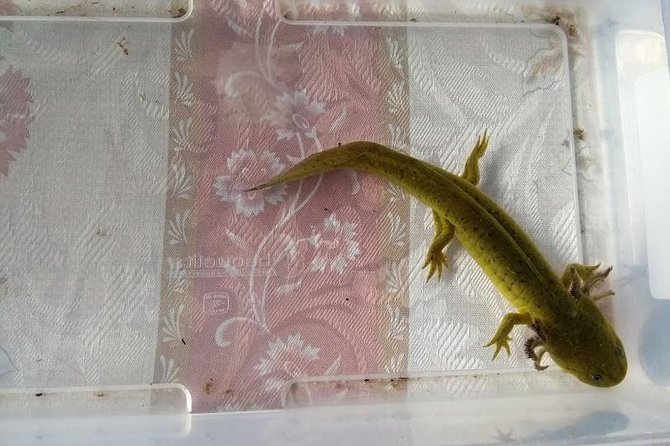
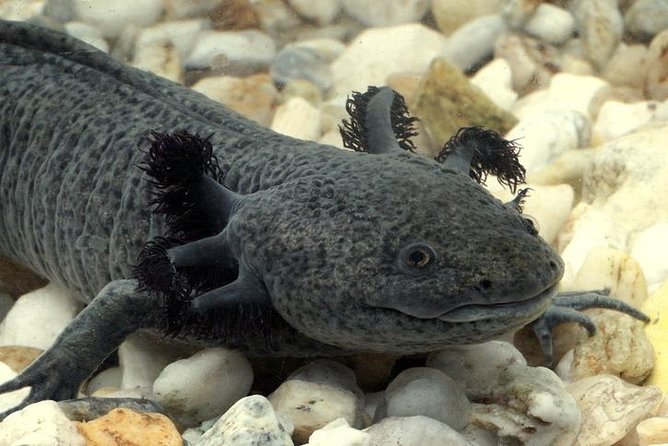
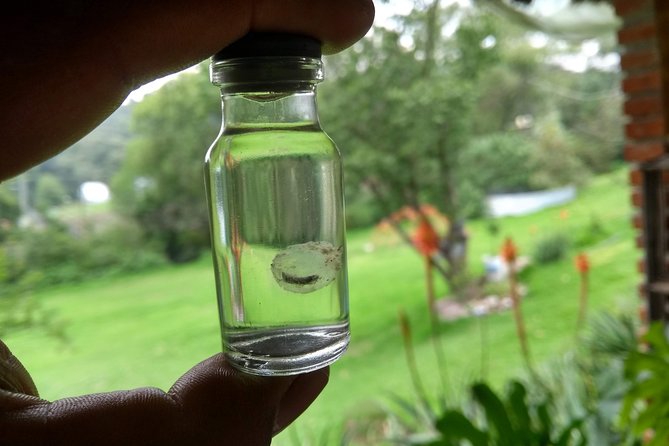
The heart of the tour is the axolotl program in the Tepotzotlan area. You’ll be visiting a space created for conservation and reproduction of axolotls, an endemic Mexican species often called the water monster. That “endemic” detail isn’t just trivia; it’s part of why the work matters. You’re seeing conservation tied to a specific local species, not a general animal display.
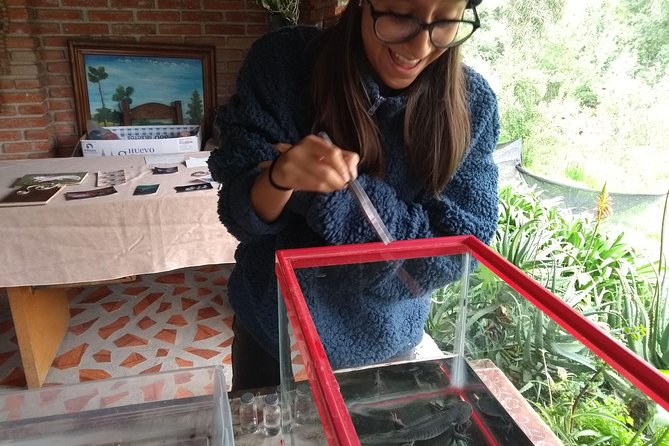
Guidance starts with the tour crew. Martha and Alonso/Alonzo lead the day and explain what you’ll see and what’s being done. In the farm experience, you’ll also meet people from the family-run operation, including Jose and Rosa (and Dona Rosa, as some guests used that honorific). When language gets tricky, Martha translates so your questions get answered and the story stays complete.
Here’s the honest nuance: holding or feeding axolotls may not be allowed every day. One group reported that because the axolotls were recovering from exposure to something on a new plant, they weren’t able to hold or feed them. That could sound like a disappointment, but the overall takeaway was that the learning and observation still landed strongly. On a conservation-focused day, the rules are there for the animals, not for your photo.
When holding isn’t allowed, the experience still works
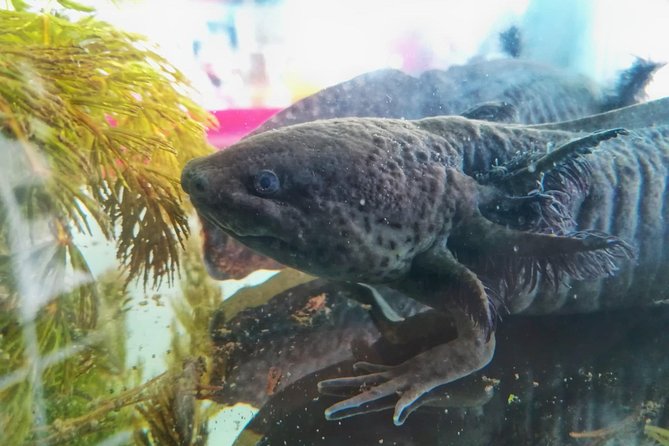
If you show up thinking this will be a hands-on axolotl cuddling session, adjust that expectation a notch. The goal is care, and sometimes that means the animals stay in their environment while you learn about how they’re raised. The best version of this tour is when you go in for understanding first, and then you appreciate any added hands-on moments if they happen.
Even when axolotls aren’t available for holding or feeding, you’ll still get value from how the guides explain the work. Martha’s translation and the family’s involvement are a big reason this tour earns repeat love. You’re not just watching tanks; you’re hearing why reproduction and conservation are urgent, and you’re getting context about the day-to-day realities of caring for endangered animals.
So if you’re bringing a kid who wants maximum hands-on time, I’d frame it like this: you’ll meet axolotls up close and learn about the program, and you’ll see lots of other farm animals where feeding and holding might be part of the day. That way, your child’s excitement has a backup plan built in.
The animals after the axolotls: bunnies, guinea pigs, and even a mini donkey
This is one of the biggest reasons families tend to rate the tour so highly: the farm experience expands beyond axolotls. After the axolotl portion, you’ll tour farm animals and, in many cases, you’ll get interaction time such as holding and feeding rabbits and guinea pigs.
The details from feedback read like a kid’s dream list: holding baby bunnies, feeding rabbits, feeding guinea pigs, and meeting other animals on-site. Some descriptions also included petting a mini donkey and feeding sheep. That matters because it turns the day from a single-animal fascination into a full animal-loving circuit.
I also like that this doesn’t feel like an exploitative gimmick. The tone from the day’s description is about the family-run operation and their work, not a “look at the tricks” show. When you’re in that mindset, the interaction time feels like part of a living farm where everyone is cared for, not just part of the entertainment schedule.


Tepotzotlan time: optional town wandering and ice cream breaks
The core of the tour happens outside the city, but there’s often room for a little Tepotzotlan atmosphere afterward. In one example, the group was offered a choice: return straight to the hotel, or spend some time in town. They chose the town route and were given free time to look around shops, eat homemade ice cream, and explore at an unhurried pace before heading back.
That option can be a real value add if you want the day to feel like a mini getaway rather than only a drive plus a museum-style stop. If you’re the type who likes to buy a small food souvenir or snack your way through a new town, Tepotzotlan time is a nice way to get that local texture.
If you do add time in town, it helps to go in with flexible expectations. Your energy level after the drive will matter more than any schedule detail. This tour’s best days seem to be the ones where you treat it like a slow, friendly outing.
Price and what you get for $126.67 per person
At $126.67 per person, you’re paying for more than a ticket. The tour includes private transportation, breakfast, a guided tour, and admission at the axolotl visit. That’s a solid bundle for a day that includes a longer drive out of Mexico City.
Where the value shows up most is in the combination of:
- Private transport instead of juggling public transit on a long day
- A guided, English-speaking experience (and translation support)
- Access built around the axolotl program rather than a quick photo stop
- A small group (maximum 8), which usually means better questions and less crowd pressure
You might also notice how meals can influence your sense of value. The official info highlights breakfast, but at least one experience described a homemade lunch after the axolotl portion, with a menu that included ceviche and Lent-era items like fish, rice, and hard-boiled eggs. Since that kind of meal wasn’t something guests minimized, it’s worth planning your appetite around the possibility of more than just breakfast.
Bottom line: if you want axolotls plus a farm animal experience, and you want guides who seem genuinely invested, this price reads more like a guided day outing than a basic add-on.
Group size and English guidance: small numbers, better answers
This tour caps at 8 travelers. That small size is a big deal for families and for anyone who asks lots of questions. You’re more likely to get attention when you want clarification, and it’s easier for the guides to keep the pace calm.
Language is also handled well. The tour is offered in English, and Martha is the key translator when Rosa doesn’t speak English. That means you’re not stuck with a one-way script; you can ask questions, and you’re more likely to get real answers. For a conservation topic, that matters because it’s easy for technical details to get lost when translation is thin.
If you travel with a group that includes kids, the small size again helps. It’s easier to manage car sickness breaks, keep everyone close, and adjust the pace if someone needs a moment.
Practical tips: how to make the drive feel shorter
This tour can be excellent, but you’ll enjoy it more if you prep for road time. Here are the practical tips that match what guests advised.
First, motion sickness is a known factor on this route. People recommended Dramamine and taking it when you reach the cafe, not right before you’re already feeling awful. If you’re even slightly prone to car sickness, do your future self a favor and bring what works for you.
Second, help kids pass time. One family mentioned using EarPods and an audio story for a 9-year-old. That’s simple and effective on any long ride, especially when you don’t want screens to steal the whole day.
Third, go into the axolotl portion with the right mindset. You may not always be able to hold or feed them, depending on the animals’ current condition. If you’re open to observation and learning, you’ll still get the core experience.
Finally, pack for a full day. The tour runs about 7 hours, you’ll have breakfast, and depending on the day you may also get a homemade meal after the axolotls. Plan snacks and hydration accordingly, especially if you’re the type who gets hungry during car rides.
Who this Axolotl Tour suits best
This is a strong fit if:
- You love animals and want more than one kind of animal interaction in the same day
- You want a conservation-focused explanation with guides who translate and answer questions
- You’re traveling with kids who are excited by axolotls, rabbits, and guinea pigs
- You prefer small groups and private transportation rather than mixing into big crowds
It’s less ideal if:
- You hate long drives or are very sensitive to windy, bumpy roads
- You only care about a guaranteed holding/feeding moment with the axolotls and will be upset if rules change
Should you book the Axolotl Tour from CDMX?
Yes, I think you should book it if you want an animal day that feels thoughtful, not rushed. The conservation angle is the backbone, and the guides you meet—Martha plus Jose and Rosa—seem to genuinely care about explaining what’s happening. The small group size helps the whole experience feel human.
Also, the farm side of the day is a big safety net. Even if the axolotls aren’t available for holding on a given day, you’ll still have plenty of interaction with other animals. That balance makes it especially appealing for families.
If you’re worried about the road trip, treat that as a solvable logistics issue. Use motion sickness support if you need it, and plan your kid entertainment. When you do, the drive stops feeling like a tax and starts feeling like the road you took to reach something memorable.
FAQ
How long is the Axolotl Tour from CDMX?
It runs for about 7 hours (approx.).
Where do we meet, and what time does the tour start?
You meet at Av. Horacio 603, Chapultepec Morales, Polanco V Secc, Miguel Hidalgo, 11560 Ciudad de México, CDMX, Mexico. The start time is 8:00 am, and it ends back at the same meeting point.
What is the group size limit?
The tour has a maximum of 8 travelers.
Is the tour offered in English?
Yes. The tour is offered in English.
What’s included in the price?
The price includes private transportation, breakfast, a guided tour, and the admission ticket for the axolotl visit.
Can I hold or feed the axolotls?
That can depend on the animals’ condition. In at least one experience, guests were not able to hold or feed axolotls while the animals were recovering, but they still received an informative visit.
Is the tour refundable if I cancel?
No. This experience is non-refundable and cannot be changed for any reason.
What is not included?
Souvenirs are not included.