REVIEW · MEXICO CITY
Authentic Mexican Salsas Workshop
Book on GetYourGuide →Operated by Mexican Salsas · Bookable on GetYourGuide
Salsa, but with real technique. I like the market-first start and the hands-on lessons that teach you why different salsas taste different. You’ll also leave with a jar of salsa plus recipes, and I think that’s what makes the class feel practical. One thing to plan for: the walk from the plaza to where you cook can be a bit uncomfortable in spots.
I also love that the host team led by Oscar and Messli keeps it warm and social, not stiff. The class runs in English and Spanish at the same time, which makes it easy to follow even if your Spanish is still loading. Just note the area in Tacuba is a working neighborhood, so expect an ordinary street-level Mexico City feel, not a polished tourist bubble.
In This Review
- Key Highlights You’ll Care About
- Tacuba Market to Your Cutting Board: How the Workshop Flows
- Meeting at the Ancient Tacuba Church (And Why the Location Matters)
- Tacuba Market Shopping: How You Learn to Pick Ingredients
- Agua de Jamaica + Taste-Testing: The Flavor Classroom Part
- Plant-Based Salsas: What This Teaches (Even If You Eat Everything)
- Four Traditional Salsa Ways: Raw, Fried, Boiled, Roasted
- Raw Salsa
- Fried Salsa
- Boiled Salsa
- Roasted Salsa
- Cooking and Eating Quesadillas: The Part That Makes It Stick
- Take-Home Jar + Recipes: The Practical Souvenir
- Price and Value: Is $93 Worth It?
- Who This Workshop Suits Best (And Who Might Pass)
- Should You Book This Mexican Salsas Workshop?
- FAQ
- Where do we meet for the workshop?
- How long is the Mexican Salsas Workshop?
- What’s included in the price?
- Is transportation included?
- How many people are in the group?
- Are the salsas plant based?
- What can I take home at the end?
- What cooking styles are taught?
Key Highlights You’ll Care About
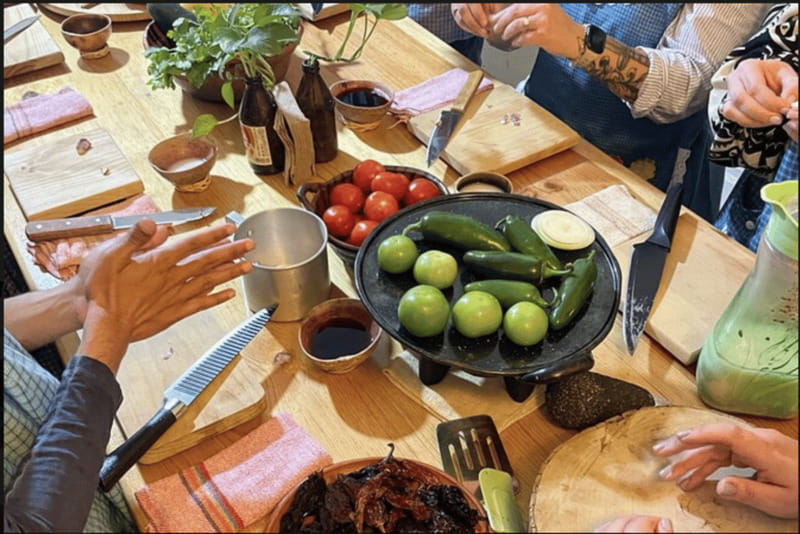
- Tacuba Market shopping first, so you learn what to buy and what to skip
- Four salsa methods: raw, fried, boiled, and roasted
- Unlimited agua de Jamaica during the cooking and taste-testing
- Cook-and-eat quesadillas as you go, with totopos and salsa included
- Small group (10 max) for real hands-on time
Tacuba Market to Your Cutting Board: How the Workshop Flows
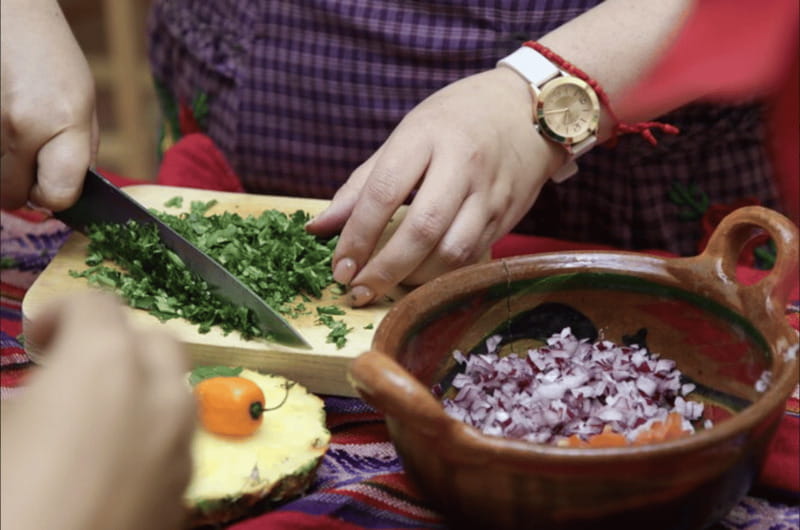
This workshop is built around a simple idea: salsa isn’t one recipe. It’s a set of choices—how you treat the ingredients, when you cook them, and how you balance chile, acid, and texture. In 2.5 hours, you get the full loop: shopping, making, tasting, and eating, then taking some home so you can repeat it.
The biggest win for me is the structure. You start with ingredients, then you learn technique, then you use that technique right away with tasting and quesadillas. It’s not just watching someone cook. You’re doing the work.
Also, the group size stays small—up to 10 people. That matters because salsa is touchy. If everyone is crowded around one pot or one cutting board, you lose the learning part. Here, you get enough space to actually try.
You can also read our reviews of more tours and experiences in Mexico City


Meeting at the Ancient Tacuba Church (And Why the Location Matters)
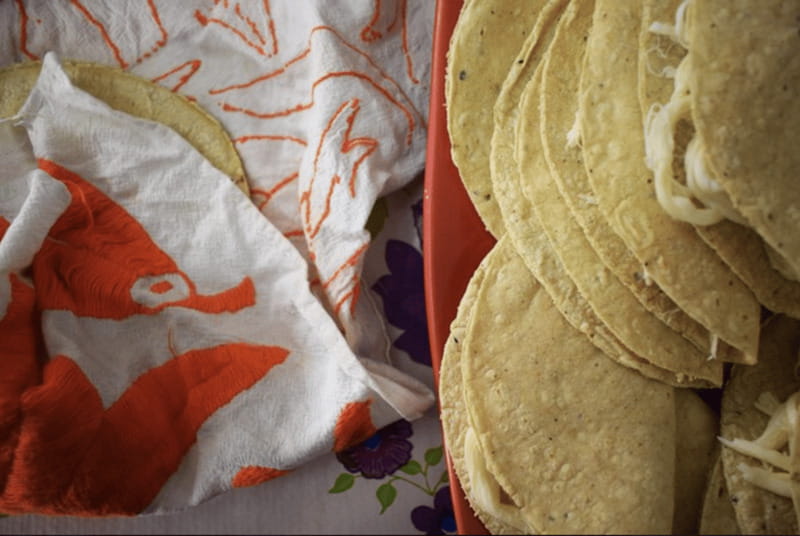
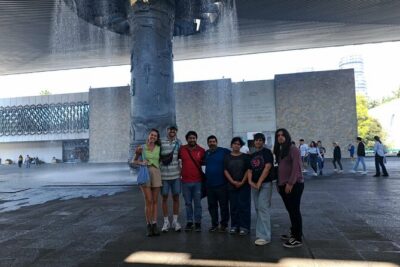
You’ll meet at an ancient church in the heart of Tacuba. The area’s history reaches way back before the Spanish arrived to America, which gives the start of the class a sense of place right away. It’s not just a random meeting point with a van parked out front.
From there, you’ll head to the Tacuba Market, which is steps away. That short distance is practical. You’re not spending your time traveling around the city while everyone gets hungry. You’re already in the neighborhood where the ingredients make sense.
One heads-up: the neighborhood is not staged for tourists. A review that rated the experience lower pointed out that the walk between the market plaza and the kitchen area can include people who are asking for money. If you’re sensitive to that kind of street reality, just be mentally prepared and stick close to the group.
Tacuba Market Shopping: How You Learn to Pick Ingredients
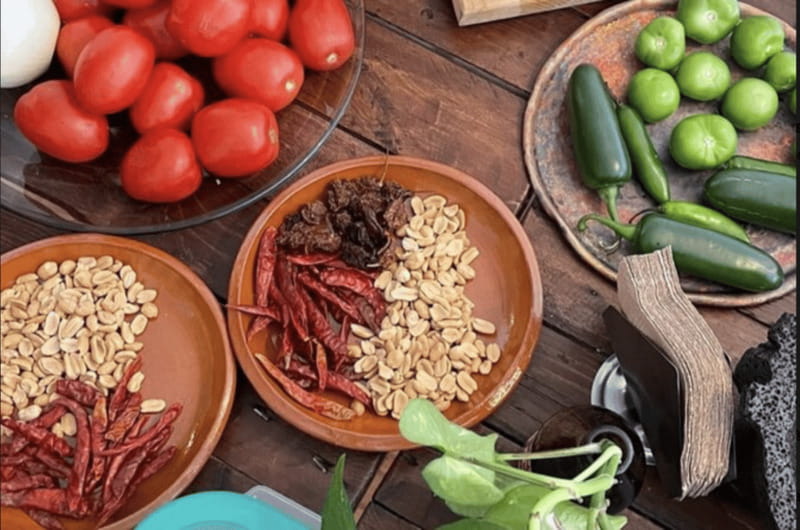
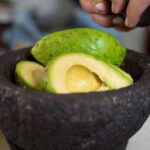
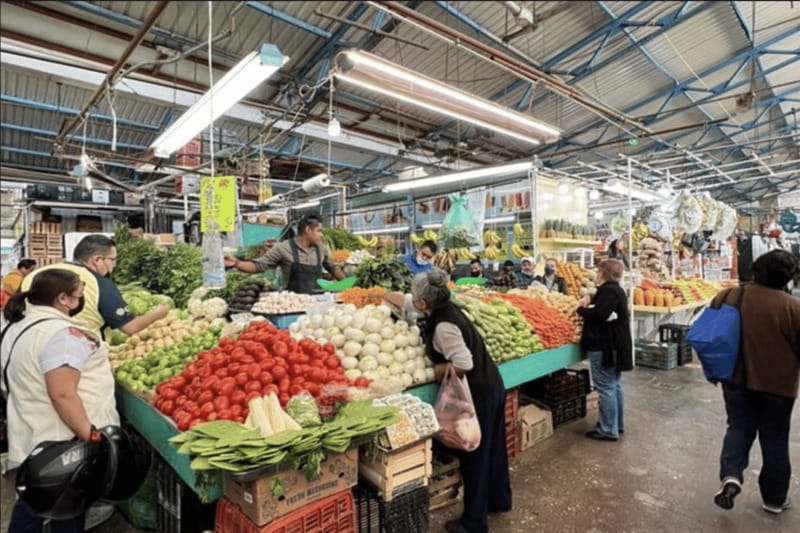
The class starts with a local market stop—fresh ingredients first, lecture later. This is where you learn a key salsa skill: ingredient selection. Tomatoes, chiles, onions, and herbs aren’t interchangeable. The workshop pushes you toward thinking in terms of freshness and flavor, not just following a recipe card.
You’ll shop for what goes into several different salsas. Then you carry those choices into the cooking portion, where the instructor and chefs help you understand how each salsa style behaves.
I like this approach because it changes how you shop at home. Instead of grabbing the first jarred thing you see, you start asking what your salsa needs:
- more brightness
- more depth
- more heat
- more texture
Even if you never become a salsa “scientist,” you’ll leave with a better eye for what makes the difference.
Agua de Jamaica + Taste-Testing: The Flavor Classroom Part
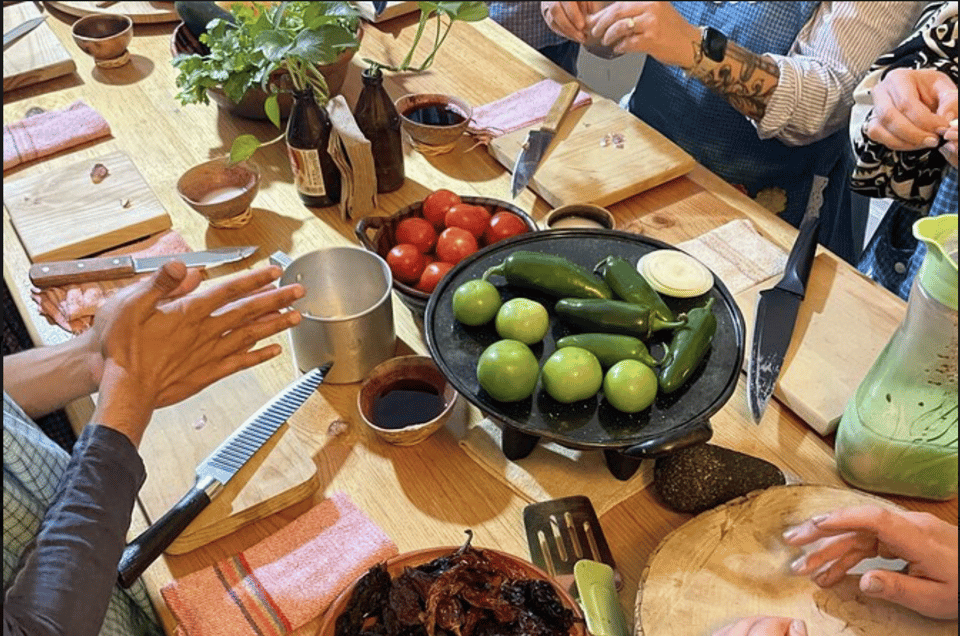
Before the salsas really take shape, you’ll enjoy taste-testing alongside unlimited agua de Jamaica (hibiscus tea). That drink isn’t just a bonus. It’s a smart palate partner. Hibiscus brings a tart, floral edge that helps you notice chile heat and how cooked ingredients soften or sharpen flavors.
As the class moves, you’re not left guessing. You make something, then you taste. You adjust. You taste again. That rhythm is how you learn what raw vs. roasted vs. fried does to flavor.
And yes, the group keeps it lively. One standout review said the hosts made everyone feel like they were hanging out with family—warm conversation, laughter, and a relaxed pace. That kind of mood matters because salsa takes a little attention. You’ll do better if you’re enjoying the process.
Plant-Based Salsas: What This Teaches (Even If You Eat Everything)
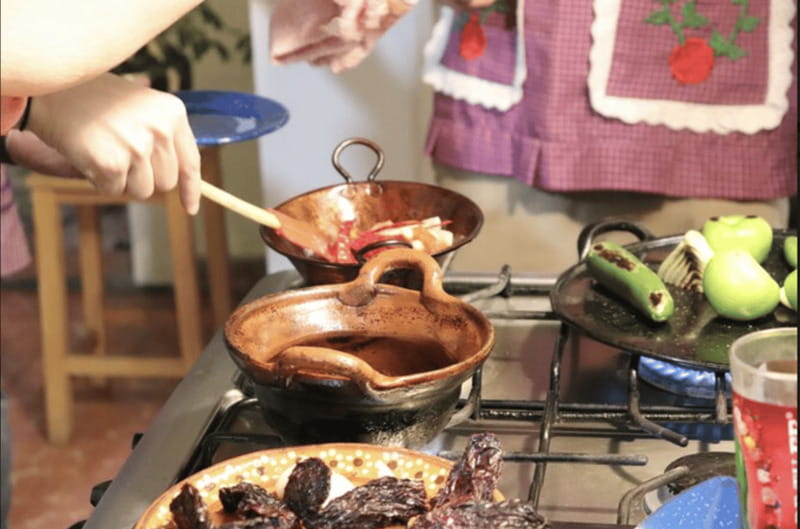
All of the salsas in this workshop are plant based. That’s a clear theme, and it’s also useful teaching. Plant-based salsa often relies on stronger technique—chile roasting, careful cooking times, balancing herbs and acids—because you don’t have meat fats to carry flavor.
What you learn here is transferable. Even if you later make salsa for tacos with chicken or pork, the salsa fundamentals still hold:
- how roasting changes chile flavor
- how boiling softens and rounds out ingredients
- how frying can add depth and aroma
- how raw keeps salsa sharp and punchy
If you’re trying to eat lighter, this class supports that too. You get a full, satisfying food experience—without feeling like you’re missing something.






Four Traditional Salsa Ways: Raw, Fried, Boiled, Roasted
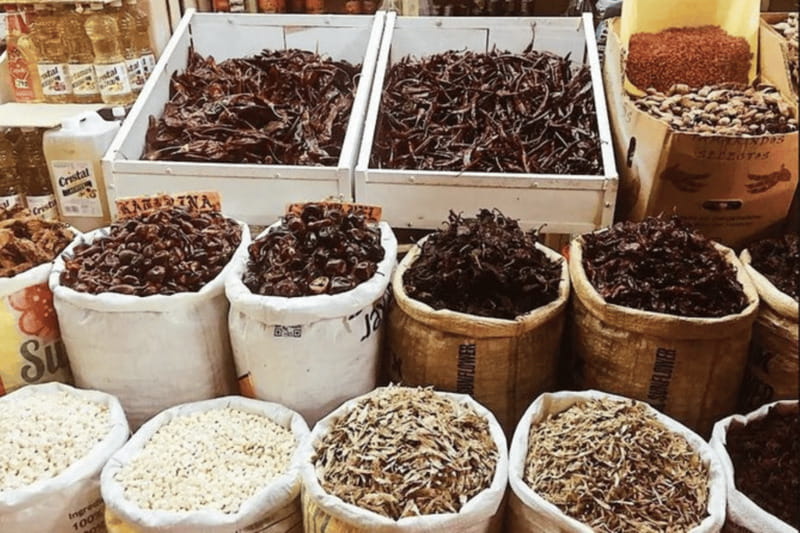
This workshop teaches salsa in four traditional ways: raw, fried, boiled, and roasted. Think of it as meeting the same ingredients with different “personalities.” You’ll notice differences in chile flavor, spicy level, and texture.
Raw Salsa
Raw salsa keeps things lively. Fresh ingredients stay crisp, and flavors feel more direct. It’s great for noticing the natural heat of chiles and the snap of onion and herbs.
Fried Salsa
Fried salsa shifts the flavor toward deeper, warmer notes. Frying changes aroma and can mellow harsh edges. You also tend to get a thicker feel, which helps salsa cling.
Boiled Salsa
Boiling rounds out ingredients. It can soften sharpness and create a more unified flavor. This is one reason boiled salsa often feels comforting and balanced.
Roasted Salsa
Roasting brings smoke and sweetness. It can make chiles taste less raw and more complex. If you like that restaurant-style depth, this is where you start understanding why.
Across all four, the class keeps you in the driver’s seat. You’ll be cooking and learning at the same time, not just watching a chef perform. And because you’re making multiple salsas, you’ll get real contrast—something you never get from one jar at a store.
Cooking and Eating Quesadillas: The Part That Makes It Stick
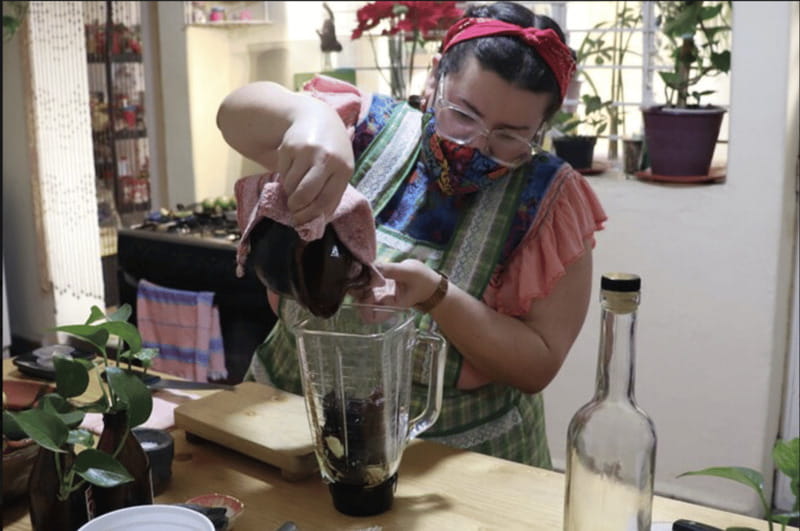
Once the salsas are made, you’ll cook and eat quesadillas together. The class is designed so you can eat as many as you want during this part. That’s not filler. It’s how you lock in learning through taste.
You’ll pair your salsas with totopos, snacks, and quesadillas. Each bite teaches you something practical: which salsa works better with warm cheese, which one cuts through richness, and which one needs a squeeze of extra acid (if that’s something you choose to do later at home).
This is also where the class becomes social. Small group cooking turns into a shared meal fast. One review described the experience as relaxed and like cooking with friends, and that’s exactly what this part of the workshop aims for.
Take-Home Jar + Recipes: The Practical Souvenir
The final touch is important: you take home a jar of fresh salsa and you also get recipes. I like that combo because it prevents the common cooking-class problem: great memories, then nothing at home.
A jar helps you start immediately. The recipes help you reproduce what you learned, not just guess later. And if you’ve ever tried to recreate a dish from memory, you know how quickly details fade. Here, you’re leaving with the structure to repeat it.
Price and Value: Is $93 Worth It?
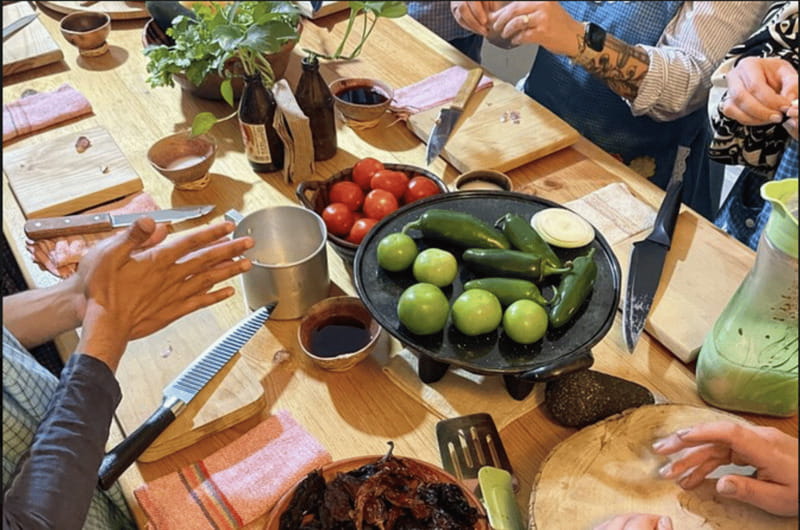
At $93 per person for about 2.5 hours, the value is strongest if you care about real technique and ingredient choices—not just a fun night out.
Here’s what’s included, based on what the workshop provides:
- cooking equipment
- snacks
- salsas plus totopos and quesadillas
- agua fresca (unlimited Jamaica during the class)
- recipes and a jar to take home
Transportation isn’t included, so you’ll want to plan how you’ll get to the Tacuba meeting area. But the rest is a pretty full meal plus hands-on instruction.
It also helps that the group is capped at 10. You’re paying for attention, space, and teaching time. For a cooking class, small-group format usually means you get more actual learning per minute.
For context: if you’re a foodie who wants to understand salsa styles, this feels like a focused skill class. If you’re only looking for a quick tasting with no interest in cooking, you might prefer something more passive.
Who This Workshop Suits Best (And Who Might Pass)
This is a great fit if you want an authentic neighborhood experience that mixes food and learning. It also works well for groups and team-building. The class is small, interactive, and built for conversation, so it’s not awkward.
I’d especially recommend it if you:
- love Mexican food and want to understand salsa beyond one recipe
- like hands-on cooking
- enjoy markets and ingredient shopping
- want recipes you can use later at home
It might not be the best match if you:
- dislike walking in residential areas with street-level reality
- want a class that feels fully controlled and tourist-clean
- don’t enjoy cooking steps and tasting feedback
Should You Book This Mexican Salsas Workshop?
If you like learning by doing, I’d book it. The ingredients-first approach, the four cooking methods, and the combination of tasting plus quesadillas make this more than a one-note activity. Add in the take-home jar and recipes, and you’re leaving with something you can recreate—not just photos.
Before you go, set expectations about the neighborhood walk around Tacuba. Bring the right attitude and you’ll get the real deal: market shopping, kitchen work, and a shared meal with hosts like Oscar and Messli who keep the vibe friendly and welcoming.
FAQ
Where do we meet for the workshop?
You meet at an ancient church located in the heart of Tacuba, and the Tacuba Market is steps away.
How long is the Mexican Salsas Workshop?
The class runs for 2.5 hours.
What’s included in the price?
It includes cooking equipment, snacks, salsas, totopos, quesadillas, and agua fresca (including unlimited agua de Jamaica during the class).
Is transportation included?
No. Transportation is not included.
How many people are in the group?
The workshop is a small group limited to 10 participants.
Are the salsas plant based?
Yes. All of the salsas in the workshop are plant based.
What can I take home at the end?
You leave with a jar of fresh salsa plus recipes.
What cooking styles are taught?
You cook salsas using four traditional ways: raw, fried, boiled, and roasted.