REVIEW · MEXICO CITY
Private Mexican Cooking Class with Gastronomic Historian, Lucia
Book on Viator →Operated by Traveling Spoon · Bookable on Viator
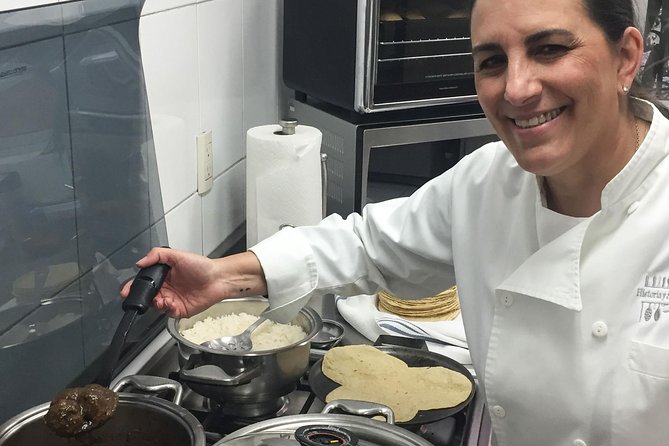
A home-kitchen lesson beats a studio every time. You’ll cook with Lucía in her own Mexico City space, then eat what you make with local alcohol and a historian’s take on why the food looks and tastes the way it does. I especially liked the option to go hands-on or watch her work up close, and the menu choices that go beyond the usual tacos-and-salsa script.
One thing to think about: at $145 per person this is a premium experience, so it’s best when you want quality time, not a quick sampler. If you’re traveling with a larger crew, you’ll still have fun, but the “everyone gets a turn” feel shines most with smaller groups.
In This Review
- Key highlights worth marking on your map
- Why a gastronomic historian’s home kitchen in San Ángel feels different
- The menu that teaches you more than one dish at a time
- Hands-on cooking versus live demonstration: pick the pace that suits you
- Your 3-hour flow: meeting, cooking, then eating in the garden
- What you learn: recipes are the tool, not the whole point
- Price and value: what $145 per person actually buys you
- Who this fits best (and a real consideration before you book)
- Practical tips so your night runs smoothly
- Should you book this Mexico City private cooking class with Lucía?
- FAQ
- Is this cooking class private or shared?
- Where does the class take place?
- How long is the experience?
- Is the class offered in English?
- Is it hands-on or do I watch?
- What kind of food will we make?
- Are vegetarian or other dietary options available?
- Are alcoholic beverages included?
- What’s included with the meal?
- Can I cancel for a refund?
Key highlights worth marking on your map
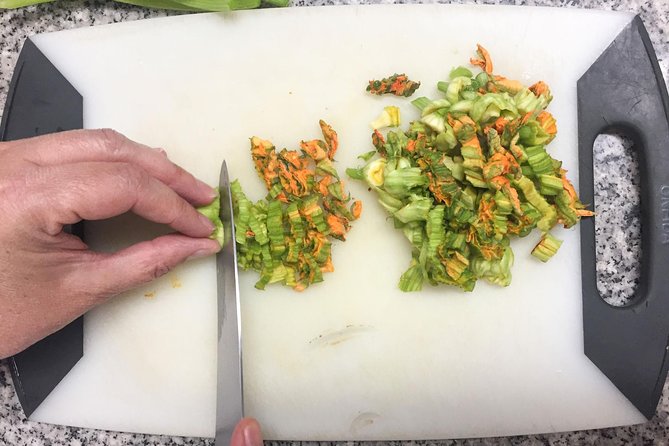
- A real home setting in San Ángel: you’re not in a commercial cooking studio.
- Lucía blends recipes with food stories: you get context, not just steps.
- Choose your format: help cook, or watch a live demonstration.
- Seasonal menus with recognizable classics: expect dishes like chiles en nogada and guava-based desserts, depending on what’s available.
- Meal + alcoholic drinks included: Mexican beer or tequila, plus a relaxed patio-style lunch.
- Dietary accommodations: vegetarian options and restrictions can be handled if you share them at booking.
Why a gastronomic historian’s home kitchen in San Ángel feels different
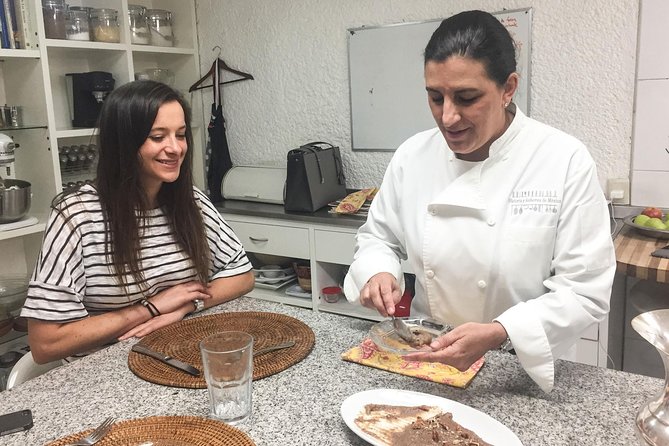
This isn’t the kind of cooking class where you stand behind a counter and copy a worksheet. The experience happens in Lucía’s home, in the San Ángel area of Mexico City, with kitchen time that feels personal from the first moments you arrive.
What makes it compelling is her background as a gastronomic historian. Food in Mexico City isn’t just ingredients and heat levels—it’s layers of influence, regional habits, and family traditions that change over time. In her telling, you learn how dishes connect to the country in a practical way: why a spice shows up, what a sauce is doing, and how certain foods became “normal” on a plate.
And because you’re in a home environment, you also get a slower pace than you’d find on a tour that tries to cram in five things before lunch. This is built for conversation, cooking, and then sitting down to eat together.
You can also read our reviews of more private tours in Mexico City



The menu that teaches you more than one dish at a time
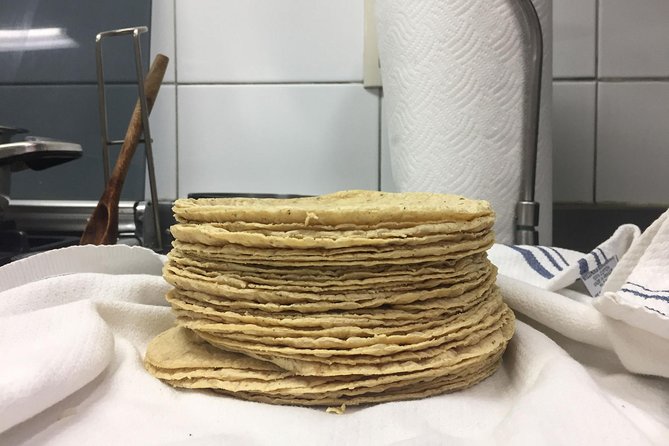
You’ll see a mix of soups, mains, sides, and desserts that are common in Mexican homes—plus recipes that sound familiar until you’re actually cooking them.
A sample menu includes several options you may choose from, such as:
- Nopalitos soup in bean broth and other soup variations like tortilla soup, aztec soup, or lima-based soup
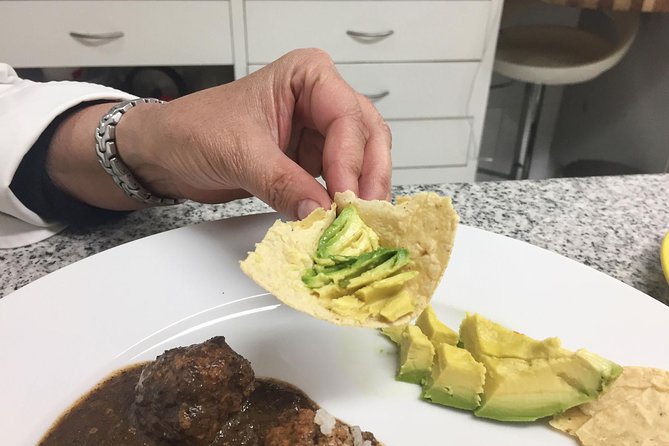
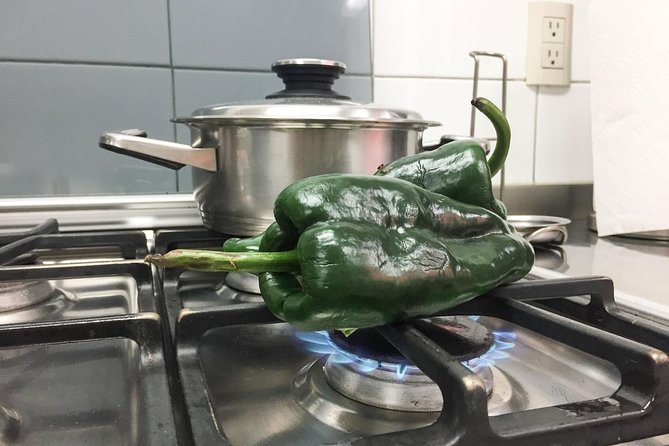
- Mains including albondigas in salsa de chile chipotle meco, chiles en nogada, and encacahuatado with chicken
- Another main option: pork in verdolagas
- Mexican rice in different styles (white, red, or black rice) served with plantano macho
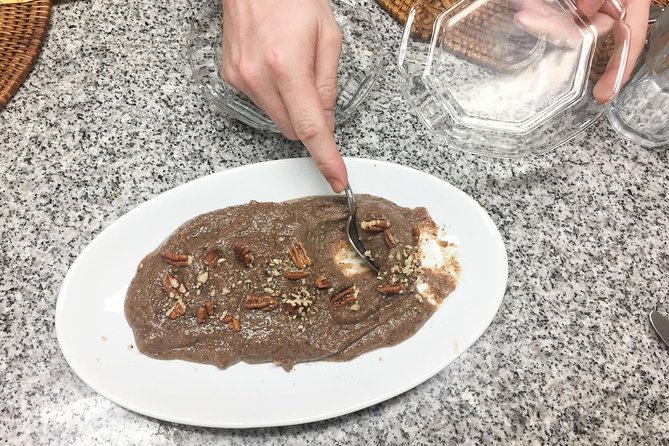
- Desserts such as dulce de guayaba, dulce de mamey, flan de cajeta, or gollorias
- Coffee or tea to finish
Two reasons this menu structure is valuable for you:
- You learn technique through repetition. Soups, salsas, braises, and sauces teach you different “moves,” not just one flavor profile.
- You get variety without chaos. Even with multiple dishes, the meal stays coherent because each recipe builds on the same core pantry of Mexican cooking.
Lucía is also prepared to adjust. The class can be tailored for vegetarian menus and other dietary restrictions if you tell her at booking. In one family case, the vegetarian menu was a standout, even compared with high-end restaurant meals later in the trip—so you can treat this as a real option, not a compromise.
One more practical note: the menu can vary by season. That’s not a drawback here—it’s usually a sign the class is designed around fresher ingredients, and it keeps the experience from feeling copy-paste.
Hands-on cooking versus live demonstration: pick the pace that suits you
You don’t have to force yourself into chopping if you’re short on confidence or time. This class gives you choices:
- Hands-on cooking where you prepare dishes together
- Live demonstration where you watch Lucía’s technique up close
If you want the strongest “I can cook this at home” payoff, go hands-on—especially for steps like sauce thickness, seasoning balance, and how to build layers in a dish. If you’d rather focus on understanding the flow—how everything moves from prep to finish—then the demo format can be a smart pick.
The setup in Lucía’s kitchen is designed for participation. One reviewer described the kitchen as laid out so the group could easily watch and listen while still joining in. That matters because it’s the difference between a class that feels like a performance versus one that feels like you’re learning in real time.
Also, even if you choose to watch, you’re not left out of the meal. You still sit down with what gets cooked, and you’re included in the group pace that makes these classes feel like an event.
Your 3-hour flow: meeting, cooking, then eating in the garden
The experience is about three hours. You start at the meeting point in the Santo Desierto, Tizampampano area of Mexico City, and the activity ends back there.
There’s also a reference to Stop 1: Traveling Spoon, which is essentially your starting anchor. From there, you head toward the cooking space in the San Ángel area where Lucía hosts.
What the time feels like in practice is usually:
- A warm welcome and a menu setup so you know what you’ll be making
- Hands-on prep and cooking (or a demonstration, depending on your choice)
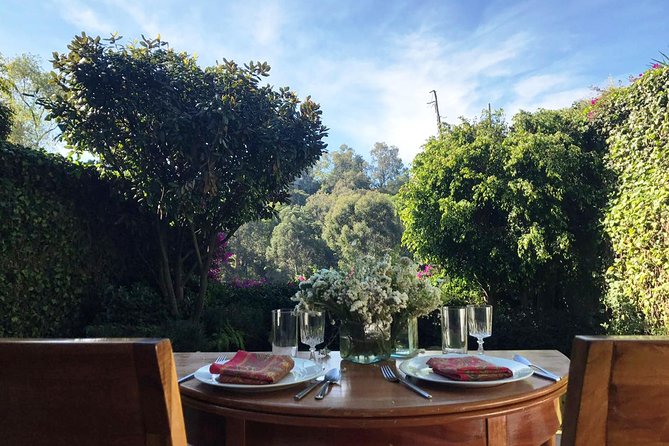
- A sit-down meal afterward, often described as taking place on an outdoor patio with a garden feel
The outdoor eating piece is more than scenery. When you cook in a kitchen first, then eat outside, you get to reset your brain. You taste what you made while it’s still fresh, and it’s easier to notice what you learned: the difference between a mild and punchy salsa, how a sauce coats rather than just pools, and how desserts like guava or mamey become the perfect finish after savory dishes.
One small practical tip: plan to use the address provided to you (not Google Maps). At least one recent guest mentioned that navigation can lead you to the wrong place if you rely only on Google.
What you learn: recipes are the tool, not the whole point
A good cooking class gives you food. A great one gives you a way to think.
Lucía’s teaching includes cultural storytelling alongside cooking technique. People mention that she connects dishes to the way food has changed with different cultures that inhabited Mexico, and she’s also willing to explain the role food plays in everyday life. That kind of context can make you remember recipes better, because you understand what you’re tasting and why it’s built that way.
On the technique side, the class tends to emphasize things you can actually repeat:
- How salsas come together (many guests specifically call out salsa verde as a recipe they planned to recreate)
- How fillings work in dishes that look simple but depend on balance
- How to judge doneness and texture in sauces, soups, and braises
- How to combine flavors so they don’t fight each other
You also get “ingredient secrets” and cooking tips that you won’t get in a typical restaurant. Even if a dish ends up on your plate in a more basic form elsewhere, knowing how it’s constructed changes how you order or cook in the future.
And because the class can include unexpected extras—additional snacks and bites during the session, sometimes with items like margaritas made from a recipe she enjoys—there’s often a fun element of surprise without losing the main structure.
You can also read our reviews of more cooking classes in Mexico City



Price and value: what $145 per person actually buys you
At $145 per person, this is not a bargain-basement cooking tour. But it can be strong value when you look at what’s included and what type of experience it is.
You’re paying for:
- A private lesson (your group only)
- Time in a real home kitchen rather than a commercial studio
- A menu that can include multiple cooked dishes plus dessert
- Delicious meal service after cooking
- Local alcoholic beverages included (Mexican beer or tequila are specifically mentioned)
- Instruction from someone who brings food knowledge beyond basic cooking
In other words, you’re not just buying a recipe card. You’re buying a guided social meal where you learn and then eat together, with adult beverages folded in.
Who wins on value?
- Couples who want a memorable night that feels like a shared activity, not a show
- Families with kids who need patience, structure, and a welcoming environment (one family described toys and garden time that helped little ones stay engaged)
- Small groups that want quality interaction with the host
Who might hesitate?
- Solo travelers looking for the cheapest cooking option
- Groups that want a “big class energy” with lots of participants (this is private, so it’s more intimate)
One review also noted that this may be best for 3–4 people if you want a highly hands-on pace. Bigger groups can still work, especially with kids in the mix, but the ideal scenario is more space and more cooking time per person.
Who this fits best (and a real consideration before you book)
This tour works especially well if you want one of these:
- A sit-and-talk meal with local context
- Real cooking skills you can repeat later
- A less touristy night that still feels structured and safe
It’s also a good match for dietary needs. If you have allergies or restrictions, you’ll want to be direct during booking so Lucía can plan the menu. Service animals are allowed, and the class is offered in English.
The main consideration is the premium price. If you’re trying to stretch your budget, there are cheaper group cooking classes. But if you care about small-group attention, home hospitality, and a multi-dish menu you actually cook, this tends to feel worth it.
Practical tips so your night runs smoothly
Here are a few things that help you have an easy time:
- Choose your mode early in your mind: if you want repeatable skills, pick hands-on; if you want the stories and technique, pick the demonstration.
- Share dietary restrictions clearly at booking (including vegetarian needs). The menu may vary by season, and planning matters.
- Use the address you’re sent, not a generic navigation pin.
- Plan for a neighborhood vibe: you’ll be in San Ángel area surroundings, so expect a more local feel than a high-traffic tourist zone.
- Bring comfort with timing: this is about three hours, so you’ll want it as a main event in your schedule rather than squeezed in between major museum stops.
Should you book this Mexico City private cooking class with Lucía?
I think you should book it if you want a cooking night that feels like a real evening in Mexico City: you cook, eat with drinks, and learn the why behind the flavors. The private format and home setting are the big advantages, and Lucía’s historian perspective turns the class into more than instructions.
Skip it (or at least compare options) if your top priority is saving money or you want a big group classroom vibe. The experience here is intimate by design, and the value comes from attention, meal quality, and comfort in a home environment.
If those are your priorities, this is the kind of Mexico City dinner you’ll remember after the last restaurant meal is gone.
FAQ
Is this cooking class private or shared?
This is a private experience. Only your group participates.
Where does the class take place?
The class is hosted in a home in Mexico City, with meeting points listed in the Santo Desierto, Tizampampano area. The activity ends back at the meeting point.
How long is the experience?
It’s about 3 hours.
Is the class offered in English?
Yes, it’s offered in English.
Is it hands-on or do I watch?
You have a choice. You can either cook together hands-on or watch a live cooking demonstration.
What kind of food will we make?
You’ll prepare Mexican dishes such as options that may include nopalitos soup in bean broth, tortilla/aztec/lima soup styles, albondigas in chile chipotle meco salsa, chiles en nogada, encacahuatado with chicken, pork in verdolagas, Mexican rice with plantano macho, and desserts like dulce de guayaba or flan de cajeta. The exact menu can vary by season.
Are vegetarian or other dietary options available?
Yes. A vegetarian option is available, and you can advise of allergies, dietary restrictions, or cooking preferences at booking.
Are alcoholic beverages included?
Yes. The meal includes alcoholic beverages such as Mexican beer or tequila.
What’s included with the meal?
You’ll enjoy the delicious meal made during the class, plus coffee or tea at the end.
Can I cancel for a refund?
Free cancellation is available up to 24 hours in advance of the experience start time for a full refund.