REVIEW · MEXICO CITY
Anthropology Museum Tour: Discover Pre-Hispanic Treasures
Book on Viator →Operated by Vibe Adventures · Bookable on Viator
A Sun Stone of 22 tons changes how you see Mexico. This guided visit at the National Museum of Anthropology helps you connect the big moments in pre-Hispanic art across cultures. I love the way the two-floor museum gets turned into a clear story instead of a self-guided blur, and I love the chance to see the show-stoppers up close with a live guide. One possible drawback: if you want deep analysis that feels totally different from the exhibit labels, you may wish for more depth in the explanations.
This is a great first-day museum move. It mixes pre-Hispanic masterpieces with ethnographic exhibits that point you toward Indigenous life today, so you’re not just staring at objects in a vacuum. You’ll cover the museum at a comfortable pace over about 3 hours, and you’ll do it in English with a guide who brings the highlights into focus.
Before you go, plan for real museum entry lines. This tour doesn’t include fast-line entry, so you might wait at the ticket/entry point. Also, bring sun protection and comfortable shoes—Chapultepec-area daylight can be strong, and you’ll be walking inside and out.
In This Review
- Key highlights that make this tour worth your time
- Inside the National Museum of Anthropology: what you’re really buying
- The 3-hour visit flow: where your time goes inside the museum
- The Olmec Group of Figures: why this highlight gets your attention
- The Aztec Sun Stone (22 tons): the moment you can’t fake
- Human remains in the galleries: how to handle the sensitive parts
- Great guides make the difference: from Diana to Silvia to Clara
- Kids, families, and what to expect from a museum tour
- Price and value: is $50 a good deal for this museum?
- Logistics that can make or break your day
- Who should book this tour, and who should choose another option
- Should you book this Anthropology Museum guided tour?
- FAQ
- What is the duration of the Anthropology Museum tour?
- How much does the tour cost?
- What is included in the price?
- Is transportation included?
- Will I get the tour in English?
- Where do I meet for the tour?
- Does this tour include fast-line or skip-the-line entry?
- What’s the difference between a small-group and a private tour?
- What should I bring with me?
- What happens if the tour is canceled due to weather?
Key highlights that make this tour worth your time

- Olmec focus with the Group of Figures: you’ll see one of the museum’s signature sculptures as the guide explains why it matters.
- The Aztec Sun Stone (22 tons): you get world-history context for one of the most famous monumental works in Mesoamerica.
- A guided loop through two floors: you’re not left deciding what to skip.
- Ethnographic context too: you’ll connect ancient civilizations to Indigenous communities today.
- Human remains included: the tour walks through displays that are sensitive—know that going in.
Inside the National Museum of Anthropology: what you’re really buying
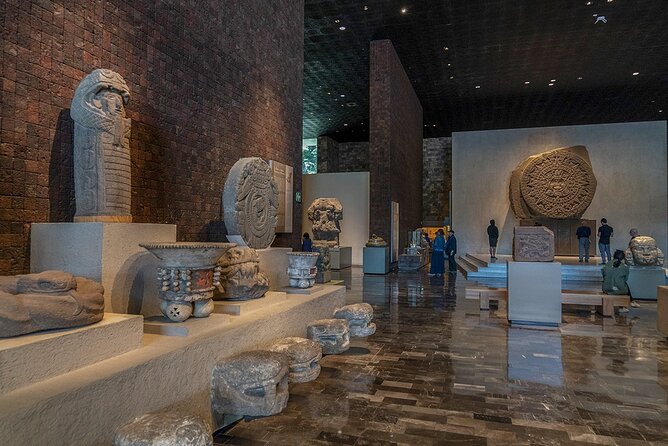
The National Museum of Anthropology is one of those Mexico City stops that feels like a whole education program in one building. The museum’s layout matters for this tour: it’s spread across two large floors, with major Pre-Hispanic objects plus ethnographic exhibits that show Indigenous cultures in the present day. That pairing is the secret sauce. You’re not only learning about artifacts—you’re also getting a bridge to living communities.
On this tour, you’re paying for a guided path through that complexity. For a museum this size, walking it solo often turns into a checklist: you see impressive things, but you don’t always understand how the pieces connect. A good guide can make the museum feel like one continuous story. When the guide hits the right tone, you come away with a mental map, not just photos.
The price is also easier to swallow once you understand what’s included. You’re paying $50 per person, and the tour includes the guide service plus your museum entrance ticket. Transportation isn’t included, so factor that into your day plan. But compared to paying for entry plus a guided explanation separately, you’re getting a tidy package for a 3-hour window.
You can also read our reviews of more museum experiences in Mexico City



The 3-hour visit flow: where your time goes inside the museum
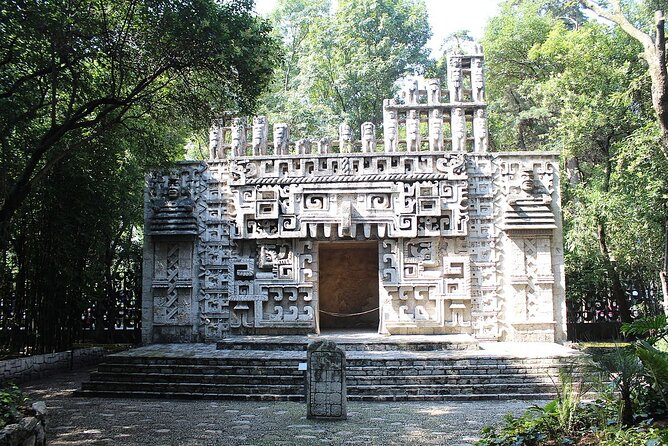
Even though this is a single-stop tour, you’ll still feel like you’re moving through chapters. Expect the guide to orient you, then lead you through key displays across the museum’s two floors.
Here’s what that usually looks like in practice:
- You start at the museum and settle into a guided route.
- You’ll walk the main galleries, including areas with ancient art and displays that include human remains.
- The guide will steer you toward the standout Pre-Hispanic highlights.
- You end back where you started, after about 3 hours total.
This tour is designed around the museum’s most famous works—especially the Olmec Group of Figures and the Aztec Sun Stone—so your time isn’t spent wandering randomly. If you’ve only got a short window in Mexico City, that matters.
One note: it’s not described as a skip-the-line experience. If entry is busy, you’ll likely wait anyway. That doesn’t ruin the tour, but it can compress the time you have inside. If you’re the type who hates uncertainty, arrive with a little buffer.
The Olmec Group of Figures: why this highlight gets your attention
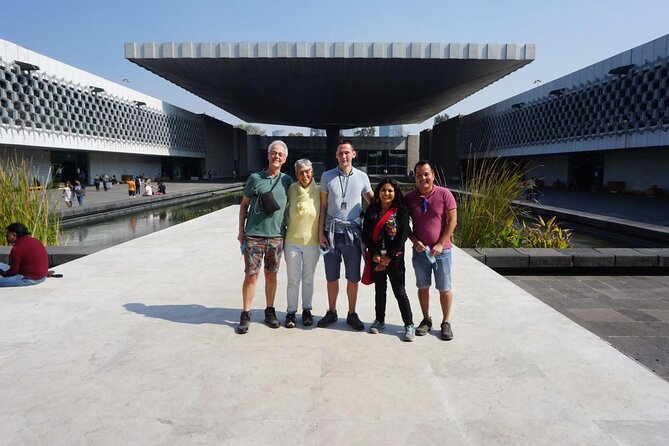
If you’ve ever had that moment in a museum where a small object quietly steals the show, this is the one. The tour specifically calls out the Group of Figures, an Olmec work. The reason it’s a highlight is simple: it’s one of those pieces that rewards looking carefully, and a guide can help you notice what your eyes might miss.
During the guided stop, you’ll get the kind of context that changes how you see a sculpture—what kind of art it is, why it belongs in this museum’s story, and how it fits into the broader sweep of Mesoamerican prehistory. Without that context, it can be easy to treat it like just another impressive exhibit. With it, you start seeing the cultural choices behind the work.
I like that the tour doesn’t jump only to the biggest monument. The Olmec focus is a reminder that not everything important is giant and loud. You can come away feeling like you learned how to look—not just what to photograph.
The Aztec Sun Stone (22 tons): the moment you can’t fake
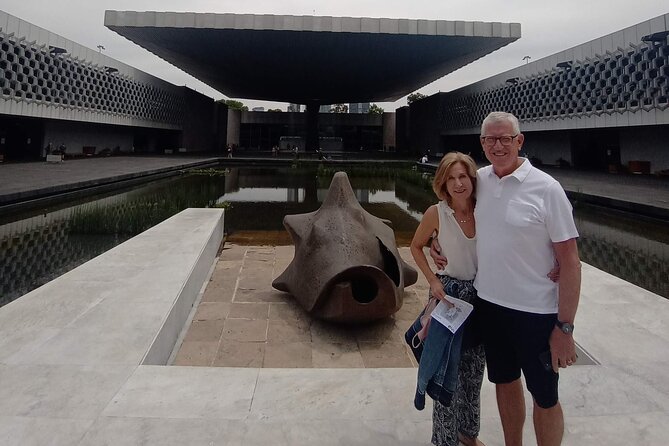
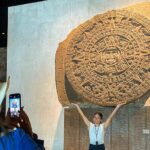
The headline highlight is the museum’s 22-ton Aztec Sun Stone. The tour doesn’t just point it out; it’s built to explain what the stone means in world history. That’s important, because the Sun Stone is famous in a general way—but that fame doesn’t teach you how to read it.
From a practical standpoint, you also learn how to view it. Big monumental works can be awkward for photos and easy to misunderstand if you only glance at them. A guide can help you understand what aspects you should be paying attention to, and how the stone connects to the broader world of Aztec beliefs and artistry.
This is the type of artifact that shifts your trip. If you’re visiting Mexico City with limited time, the Sun Stone alone would justify part of the museum ticket. With a guide, you get something more valuable: interpretation, not just spectacle.
Human remains in the galleries: how to handle the sensitive parts
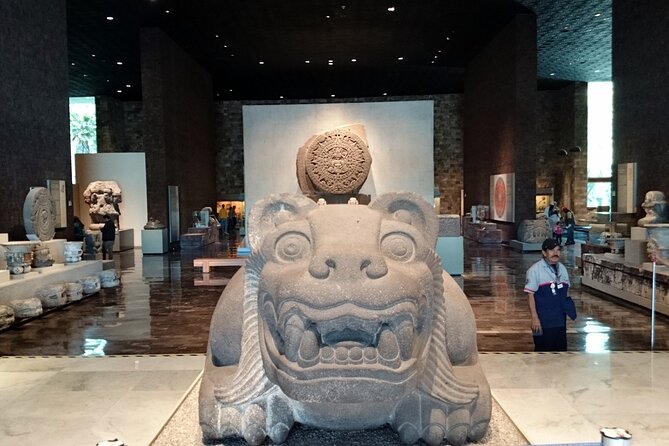
One realistic thing to know: the museum displays include ancient human remains. The tour goes through those areas as part of the guided museum experience.
If that kind of display affects you, you have two options:
- Use the guide’s narration to keep your mind grounded. When explanations are respectful and clear, it’s easier to stay present.
- Slow down or step out for a minute if you need to. The tour is about 3 hours, so you won’t be stuck there forever.
I’m glad the tour doesn’t hide that this is part of the experience. The museum itself is meant to be honest about the past. If you’re sensitive, treat this as a heads-up and plan your emotional pacing.




Great guides make the difference: from Diana to Silvia to Clara
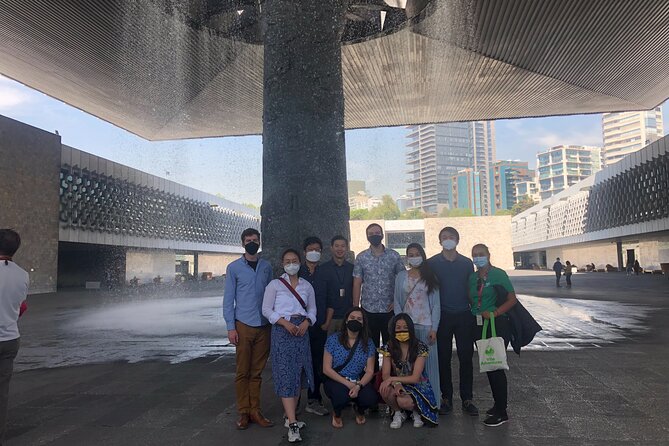
Here’s what I’d underline from how this tour is described and from how it has played out with different guides: the best versions feel like storytelling. Names that came up include Diana, Silvia, Clara, Maida, and Ivan.
- Diana: helped turn history into something that felt alive, tying together a bigger timeline (not just the headline objects).
- Silvia: an expert historian of Mesoamerican civilizations, sharing knowledge in a way that felt approachable and easy to follow.
- Clara: described as informative and thorough, with a courteous, approachable style.
- Maida: known for tailoring the tour to needs and exceeding expectations.
- Ivan: extremely knowledgeable and led you to the best areas, with strong detail.
So yes, guides vary. And there’s one caution that you should take seriously: one person felt the information wasn’t more than what they could read on the signs. That doesn’t mean guides lack knowledge—it means the tour’s value depends on how the guide explains and how your group engages.
My advice: if you book, go in with curiosity and ask questions when something clicks less than you expected. A good guide can usually respond, and the experience improves fast when you’re actively participating.
Kids, families, and what to expect from a museum tour
This tour isn’t marketed as a kids program, and one experience showed that clearly. With Ivan, the approach felt almost professorial, and the guide wasn’t particularly kid-friendly. If you’re bringing children, don’t assume this will be playful or simplified.
There’s also a practical wrinkle: on at least one occasion, Ivan asked if the group could merge with another group. If you booked private specifically so kids wouldn’t be impacted by a larger group dynamic, you should expect that “private” can still involve real-world adjustments depending on the day.
If you’re traveling with children and you want a more tailored pace or explanation style, consider going private. Private tours are described as customizable, which can help you spend more time on the parts your kids are actually interested in.
Price and value: is $50 a good deal for this museum?
At $50 per person for about 3 hours, this tour is aiming at good value because two big costs are already handled:
- Entrance tickets are included.
- A guide is included.
What’s not included is transportation, insurance, and personal spending. That’s common, but you should budget for it. Also note: not having fast-line entry means time isn’t fully controlled. If the museum is crowded, you may spend part of your 3-hour window waiting.
So is it worth it? In my view, it’s worth it if you fall into one of these categories:
- You want help prioritizing what to see in a huge museum.
- You want context for the Olmec and Aztec highlights, especially the Sun Stone.
- You appreciate learning through a human guide rather than reading every label yourself.
If you love museum wandering and you’re happy with self-guided interpretation, you might feel this is paying for a lot of the same text you can read independently. But if your goal is a coherent story and efficient use of time, the guide inclusion is the value engine.
Logistics that can make or break your day
This tour meets at Museo Nacional de Antropología, Av. P.º de la Reforma s/n, Polanco, Bosque de Chapultepec I Secc, Miguel Hidalgo, 11560 Ciudad de México, CDMX, Mexico. It ends back at the meeting point.
A few practical points you should take seriously:
- You’ll get a mobile ticket.
- The meeting point is near public transportation.
- You need to have a valid contact phone number with an international prefix. The guide may need it for pickup or changes. If you can’t be reached, the tour can be treated as a no-show.
- Bring comfortable shoes and basic sun gear: hat/cap, sunscreen, sunglasses. The sun is strong in Mexico.
- Bring personal ID (digital or paper copy is fine per the instructions).
Also, don’t count on fast entry. The tour notes that tickets bought upon arrival or entry lines can create delays beyond the organizer’s control. If you have the rest of your day planned tightly, keep a little slack.
Who should book this tour, and who should choose another option
This is a strong match if:
- You’re in Mexico City for a short time and want the museum’s top highlights.
- You’re excited by the Olmec art focus and the Aztec Sun Stone.
- You want ethnographic context that connects ancient and modern Indigenous life.
It’s a weaker match if:
- You only want lightweight facts you can read on signs.
- You need a kid-first approach for children, since the tour can feel formal rather than playful.
- You know you’re very uncomfortable around displays that include human remains.
If you’re a history lover with flexible expectations and you care about how the pieces connect, this guided format is the easiest way to get there in one afternoon.
Should you book this Anthropology Museum guided tour?
I’d book it if you want a structured museum visit that puts the spotlight on the museum’s strongest Pre-Hispanic anchors—especially the Group of Figures and the 22-ton Aztec Sun Stone—and you want an expert guide to connect the dots.
Skip it only if you’re set on full DIY museum time and you don’t feel you need explanations beyond the labels. And if you’re bringing kids or you have specific needs for pacing, consider a private option since private tours are described as customizable.
If you do book, the best “secret” is simple: arrive with good shoes, sun protection, and a reachable phone number—and come ready to ask questions when something doesn’t click right away.
FAQ
What is the duration of the Anthropology Museum tour?
It’s about 3 hours.
How much does the tour cost?
The price is $50.00 per person.
What is included in the price?
The tour includes the tour guide service, entrance tickets, and a guided visit to the National Anthropology Museum.
Is transportation included?
No. Transportation isn’t included.
Will I get the tour in English?
Yes. The tour is offered in English (and also Spanish).
Where do I meet for the tour?
You meet at Museo Nacional de Antropología, Av. P.º de la Reforma s/n, Polanco, Bosque de Chapultepec I Secc, Miguel Hidalgo, 11560 Ciudad de México, CDMX, Mexico. The tour ends back at the meeting point.
Does this tour include fast-line or skip-the-line entry?
No. The tour does not include fast line, and tickets bought upon arrival can involve waiting time.
What’s the difference between a small-group and a private tour?
Small-group tours have a set schedule and are not customizable; they run up to 12 travelers. Private tours can be customized and can accommodate any group size.
What should I bring with me?
Bring a personal ID, comfortable clothes and shoes, and sun protection like a hat/cap, sunscreen, and sunglasses. Cash can also help for purchases.
What happens if the tour is canceled due to weather?
The experience requires good weather. If it’s canceled due to poor weather, you’ll be offered a different date or a full refund.