REVIEW · MEXICO CITY
Mexico City: Jewish Presence
Book on GetYourGuide →Operated by Mex at Max - Mexico City Tours · Bookable on GetYourGuide
Jewish Mexico City has real teeth. This 3.5-hour walk traces arrivals, survival, and community life through landmark streets and synagogue doors, all paired with big-city context from Spanish rule to modern secular Mexico. You’re looking at history on the skyline, not in a classroom.
I especially liked two things: the guide’s high-precision storytelling (when I’ve seen it led by Carlos, he’s known for sticking to proven facts and answering questions), and the way the route forces you to read the city like a timeline—cathedral square, Inquisition palace, then older synagogue streets.
One drawback to think about: it’s not for everyone. This is a long standing-and-walking format and it’s not suitable for wheelchair users or kids under 18, so plan your day with that in mind.
In This Review
- Key things that make this tour worth your time
- Getting oriented: the square where Aztec, Catholic, and Jewish stories overlap
- Patio Norte and the Cathedral area: learning to read Mexico City’s layers
- San Ildefonso and the Inquisition palace: where power leaves fingerprints
- The synagogue segment: Loreto Park and stepping inside community life
- From empire to secular state: reformation, immigration, and anti-fascist resistance
- Money, work, and community: tailoring to textiles and jewelry
- WWII rescue and the 1970s shift: what happens after the synagogues age
- Price and what $89 really buys you
- Who this walking tour fits best (and who should skip it)
- Practical tips so the day feels easy
- Should you book Mexico City: Jewish Presence?
- FAQ
- Where does the tour start and where does it end?
- How long is the experience?
- How much does it cost?
- Is the tour in English?
- Are reservations or tickets required for the locations visited?
- What places will we visit during the tour?
- What should I bring?
- What is not allowed during the tour?
- Who is this tour not suitable for?
- Can I cancel for a refund?
- Is it possible to pay later?
Key things that make this tour worth your time
- Three waves of Jewish arrivals tied to real addresses and turning points, not vague background
- Inquisition-era details including hidden messages tied to persecution, shown through prominent buildings
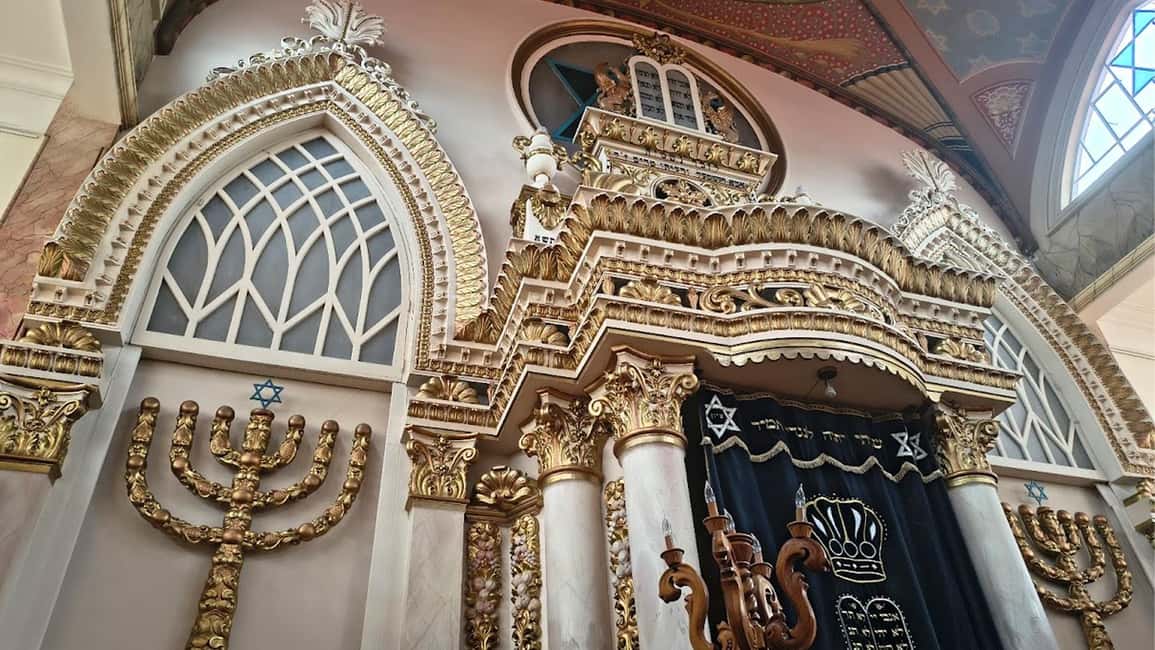
- Synagogue time in Loreto Park, including a look at two of the area’s oldest synagogues
- A guided approach that balances tragedy and resilience with how community life actually worked
- The route places Jewish history beside major sites like the Mexico City Cathedral and colonial civic power centers
- Expect a heavy focus on facts and continuity, not dramatic guesses
Getting oriented: the square where Aztec, Catholic, and Jewish stories overlap
The tour starts at República de Argentina 15, under the tall door marked #15 on the Librería Porrúa building across Justo Sierra Street from the northern entrance to the Great Aztec Temple Bridge. You’ll begin with a sitting-down intro chat in the open-air flow of the historic center. It’s the right move: you get bearings first, then the story starts clicking into place.
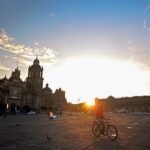
One of the coolest parts here is the geography. You’re told the Jewish presence story while looking over (or working around) the Great Aztec Temple area, the Catholic Cathedral zone, and nearby church landmarks. That visual mix matters, because it explains how minority communities lived in a space shaped by competing powers.
You’ll also learn the big timeline fast: how Mexico’s founding happened centuries ago, then how Jewish arrivals show up in the early 1500s, followed by persecution under Spain’s Inquisition era. The pacing sets expectations: this is specialized history, about 500 years of it, told as a chain of cause and effect.
You can also read our reviews of more city tours in Mexico City


Patio Norte and the Cathedral area: learning to read Mexico City’s layers
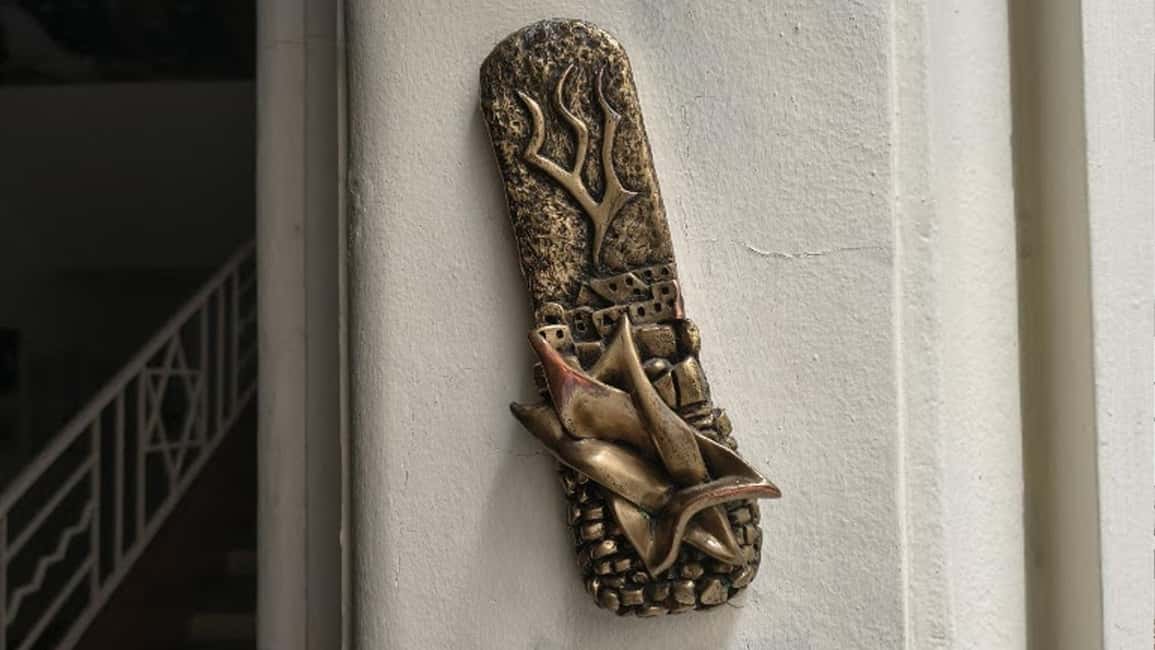
After the intro, you spend time around Patio Norte and the Cathedral Metropolitana de México area. This isn’t sightseeing for sightseeing’s sake. The guide uses these stops to explain how Mexico City became the economic center of the Spanish Empire and why that mattered for Jewish merchants, traders, and families.
The lesson you’ll carry with you is simple: rules change, but commerce keeps moving. When the Spanish Empire controlled trade across Asia, North America, and the Caribbean, Mexico City wasn’t some backwater. It was a hub—and hubs attract scrutiny. That’s why the tour pays attention to civic buildings and trade-adjacent sites, not only religious ones.
One practical note: this is a walking tour in an active city center. Bring your comfortable shoes, and plan for sun. The tour explicitly calls for a sun hat and sunscreen, and you’ll understand why once you’re out in the daylight between stops.
San Ildefonso and the Inquisition palace: where power leaves fingerprints

You’ll then move toward the Former College of San Ildefonso and the Antiguo Palacio de la Santa Inquisición. These places help you understand persecution as a system, not a one-off event.
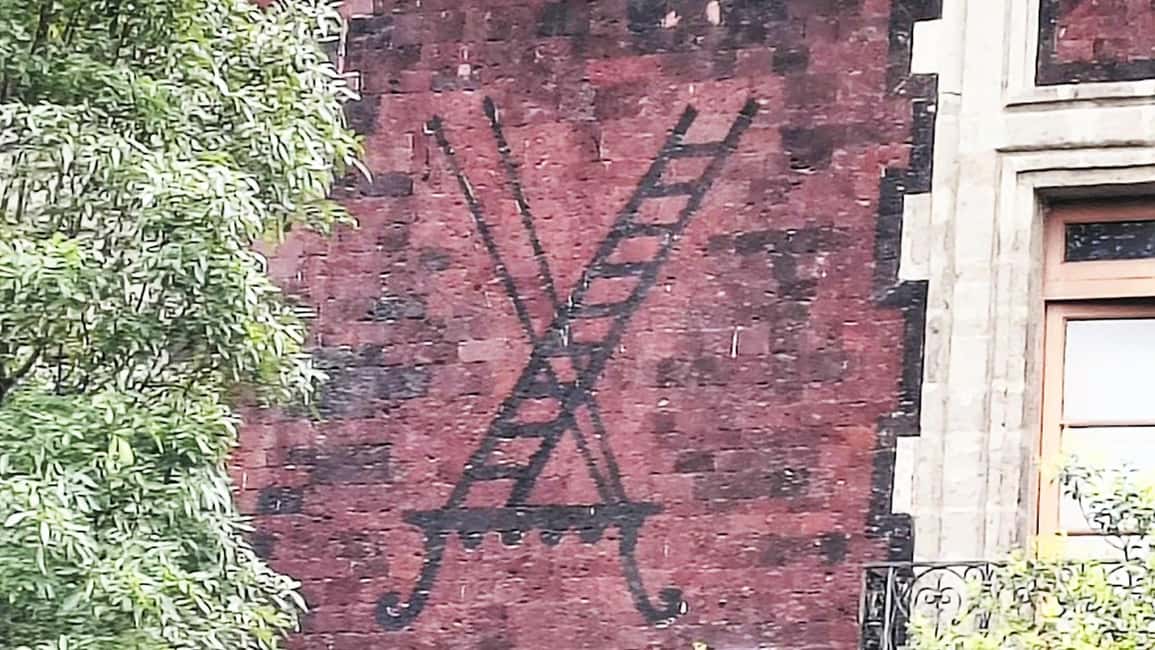
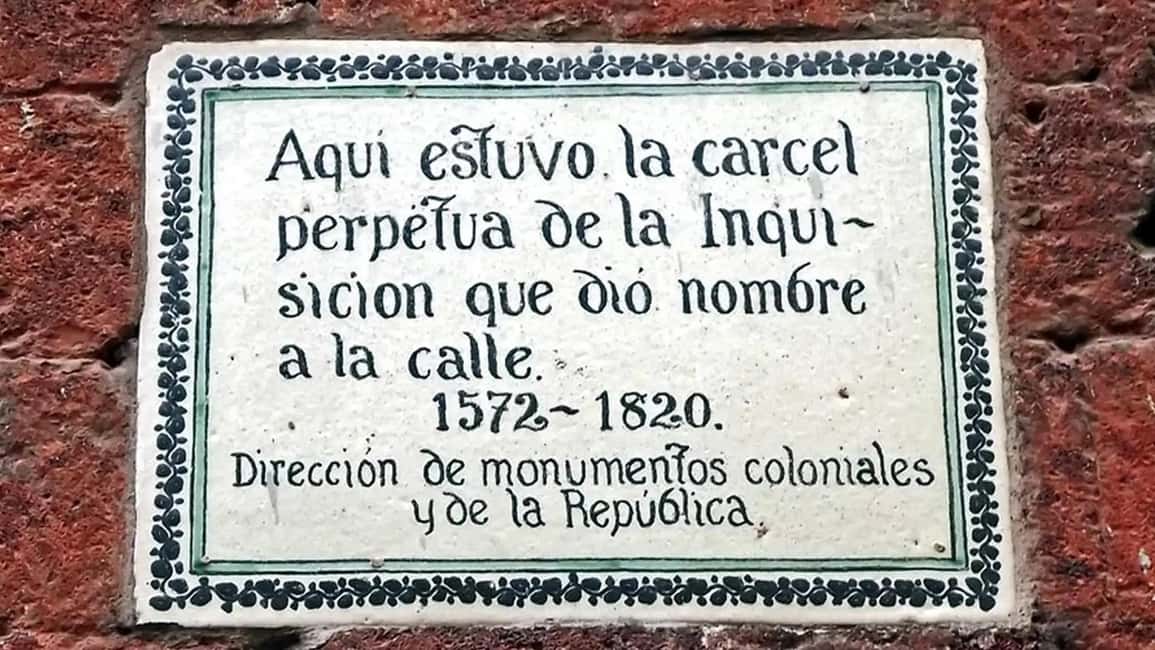
At the Inquisition palace, the tour focuses on hidden messages tied to persecution—especially targeting Jews who were mainly involved in trading. That detail lands because it connects policy to daily life. You’re not just hearing about the idea of persecution; you’re seeing how authorities tried to control people through institutions and public-facing symbols.
This is where the story gets heavy. You’ll hear about Jewish arrivals around 1519 and the tragic fate of Jews at the stake. The guide’s job is not to sensationalize it. It’s to show what happens when intolerance gets administrative power—and then to track what people did to survive anyway.
If you’re the kind of person who likes your history specific and grounded, you’ll probably appreciate the way this tour keeps returning to concrete places. You can stand in a location and understand why it mattered.
The synagogue segment: Loreto Park and stepping inside community life
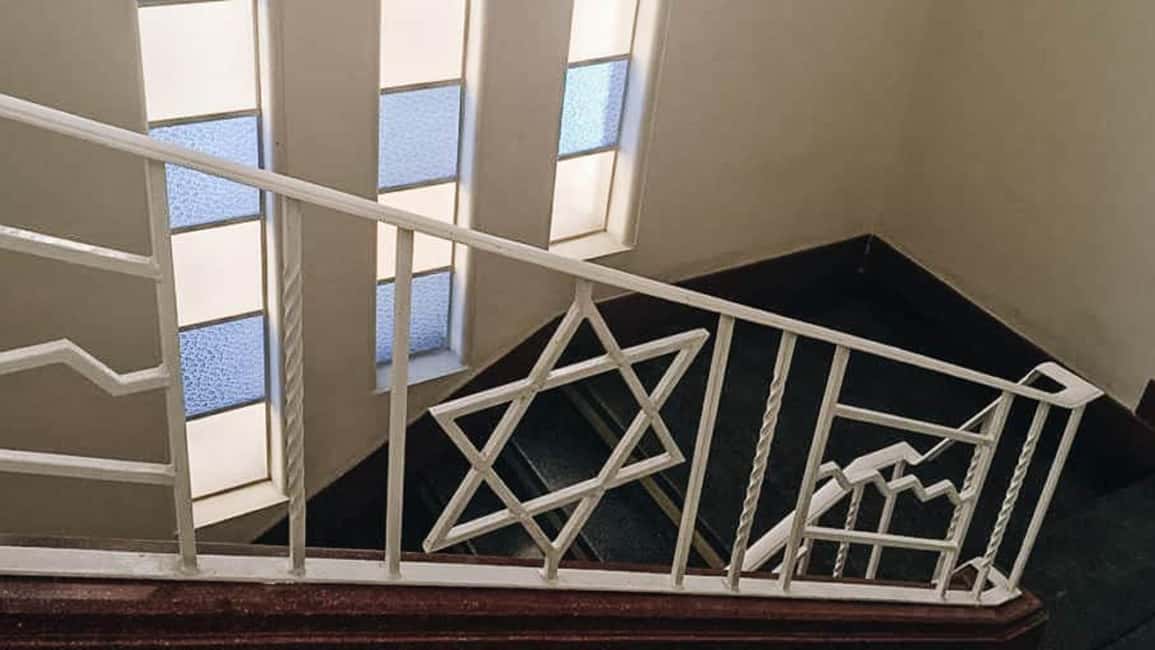
Later, you head toward Loreto Park, which is tied to a second wave of Jewish settlement that arrived at the end of the 19th century. Here’s what makes this part stand out for me: you see how the Jewish community evolved after earlier persecution cycles. The guide connects the dots between Jewish arrivals and new community structures in Mexico as a broader society changed.
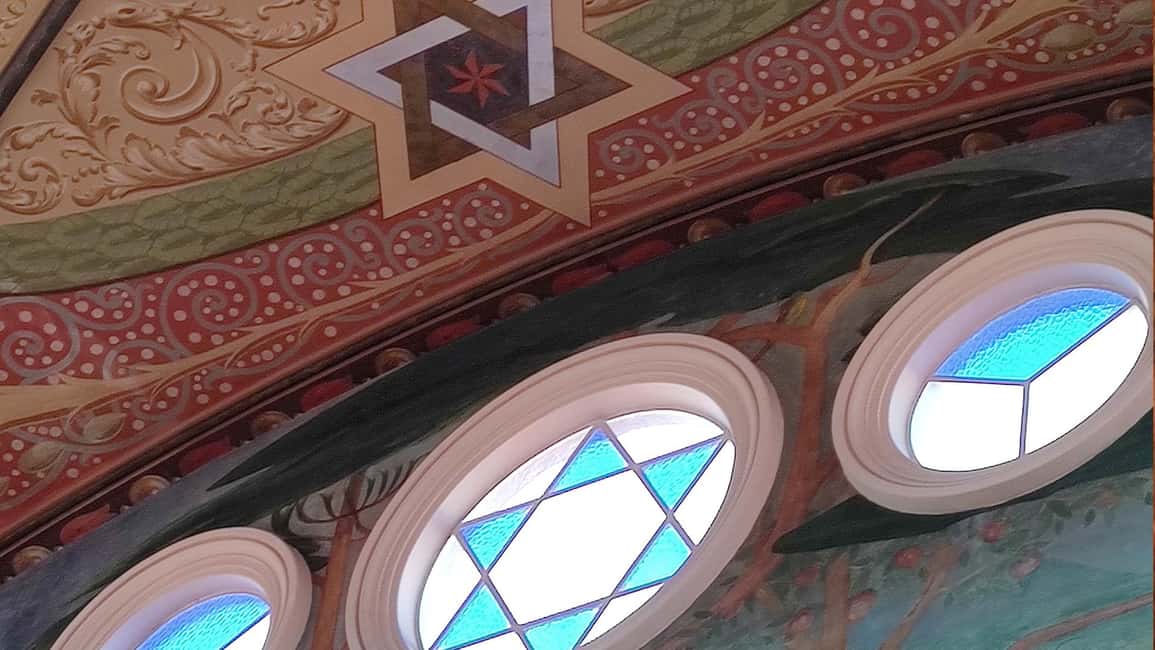
The tour format at Loreto Park includes looking at two of the oldest synagogues in the area and then visiting one of them. That matters because it shows you continuity and change. You’re not only learning about doctrine or architecture; you’re learning how a community organized itself and where it chose to put resources like communal worship.
You’ll also get a guided tour inside the synagogue space, which is usually the moment where people shift from timeline-thinking to human-thinking. The story becomes less abstract: families, community leadership, routine life, and the effort of maintaining identity in a country that had its own political swings.
This part of the experience also feels well balanced emotionally. You don’t just get tragedy. You get the idea of flourishing: how the Jewish community grew over the 20th century, and how cultural and economic roles expanded.
From empire to secular state: reformation, immigration, and anti-fascist resistance
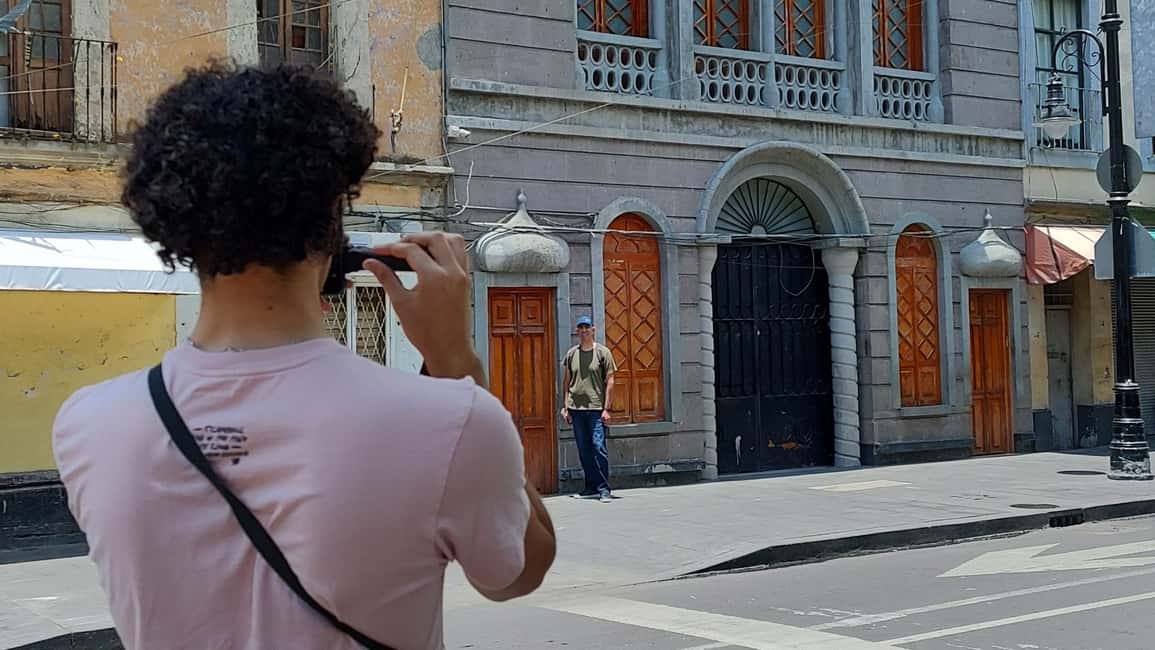
A big chunk of this tour explains how Mexico moved away from conditions that made minority life harder. You’ll hear about laws and the Civil War of Reformation transforming Mexico into a secular state open to new immigrants. That’s not just political history—it’s personal history, because it affects whether people can rebuild their lives.
Then comes a striking modern thread: anti-Fascist resistance that helped cancel the first anti-Semitic convention. Even if you don’t remember every historical label from school, you’ll walk away with the core point. Mexico wasn’t only a place that received refugees or persecuted minorities; it also had voices pushing back against anti-Jewish policies.
I like how this section of the tour doesn’t treat modernity as a straight line. Instead, it shows progress as something fought for. It’s a reminder that social change often depends on pressure, coalitions, and timely opposition.



Money, work, and community: tailoring to textiles and jewelry
One of the most practical and memorable parts of the tour is the economic arc. The guide explains how Jewish community life progressed from early trades like tailors and seamstresses into industries such as textiles and jewelry—business areas tied closely to Mexico’s financial system, supported in part by Jewish capital.
This is where the tour feels especially relevant for visitors. It answers an unspoken question: how did a community survive across centuries of pressure? One answer is work, skill, and networks. Another is where wealth and industry grew enough to fund community institutions.
The tour also makes it clear that in many cities, the same skills that keep a family fed can also draw attention from authorities. That’s why the earlier Inquisition focus on merchants and traders doesn’t feel like a left turn. It connects right back to the economic story later.
WWII rescue and the 1970s shift: what happens after the synagogues age
You end with two later chapters: Mexico’s rescue of Jews during World War II, and the later abandonment of these synagogues in the 1970s as Jewish families migrated to more affluent areas of Mexico City.
That ending gives the tour a grounded feel. People often assume history ends when a building stops being used. Here, the point is different: buildings can go quiet, but the story moves. Families change neighborhoods. Community centers shift. Identity doesn’t disappear; it relocates.
As you wrap up, you’ll reflect on the long arc: early arrivals in the Spanish era, persecution under the Inquisition, legal changes that allowed more immigration, community growth in the 20th century, rescue efforts during WWII, then the later movement of families and the synagogue life that followed.
The tour finishes at Justo Sierra 71, which gives you a clean exit into the day without feeling like you’re being dropped in the middle of nowhere.
Price and what $89 really buys you
At $89 per person for about 3.5 hours, you’re paying for something more than walking. You’re paying for guided access to multiple open locations tied to the story, including a synagogue visit, plus the time and expertise needed to connect them into one coherent narrative.
This tour looks like a lot of stops on paper, but the value is in how they’re stitched together: cathedral square isn’t treated as a photo stop, and the Inquisition palace isn’t treated as a random landmark. Each place earns its spot because the guide uses it to explain a specific chapter.
If your budget allows one “must-do” history walking tour in Mexico City, this one tends to justify itself—especially if you like history that’s detailed, specific, and anchored in places.
Who this walking tour fits best (and who should skip it)
You’ll likely love this tour if you:
- Want Jewish history in Mexico City explained with real-world sites, not just general background
- Enjoy walking between major landmarks and learning how power, commerce, and identity interact
- Like guides who answer questions and stick to established facts (Carlos is a name you may hear for this kind of leadership)
You should think twice or skip it if:
- You need wheelchair access or mobility accommodations (it’s not suitable for wheelchair users and people with mobility impairments)
- You’re traveling with kids under 18 (this one isn’t set up for younger visitors)
- You’re hoping for a short, casual walk (this is 3.5 hours of sustained movement)
Practical tips so the day feels easy
The tour asks for a few simple things, and following them helps a lot:
- Wear comfortable shoes and skip sandals/flip-flops
- Bring a sun hat and sunscreen
- Avoid flash photography during the visits
It also bans common distractions and hazards: drones, weapons or sharp objects, food and drinks, pets (assistance dogs allowed), mobility scooters, vaping, bikes, skateboards, and skates. If you show up ready for walking and photo restraint, the whole experience stays smooth.
Also note the timing style: it’s a guided route that depends on starting times shown when you check availability, and you’ll want to arrive at the meeting point (República de Argentina 15, under the main door marked #15 by Librería Porrúa) so you don’t miss the intro.
Should you book Mexico City: Jewish Presence?
If you care about authentic, place-based history—especially the kind that connects persecution, migration, community building, and economics—this tour is a strong bet. The emphasis on synagogue visits, plus the way the guide ties together Spanish-era events, Mexico’s legal shifts, and later 20th-century chapters, makes it feel like you’re learning a story with momentum.
I’d book it if you’re an adult traveler who can handle steady walking and wants more than a standard cathedral-and-bazaar route. Skip it if mobility needs or age requirements make the format a mismatch.
FAQ
Where does the tour start and where does it end?
You meet outside the white building across Justo Sierra Street from the northern entrance to the Aztec Great Temple Bridge, under the main door marked #15 with the Librería Porrúa sign above it. The tour finishes at Justo Sierra 71.
How long is the experience?
It lasts about 3.5 hours.
How much does it cost?
The price is $89 per person.
Is the tour in English?
Yes, the guided tour is in English.
Are reservations or tickets required for the locations visited?
Entrance to all mentioned open private or public locations is included, and the experience states it does not require reservations or tickets.
What places will we visit during the tour?
You’ll visit stops that include Patio Norte, Catedral Metropolitana de México, the Former College of San Ildefonso, a guided synagogue tour, and the Antiguo Palacio de la Santa Inquisición.
What should I bring?
Bring comfortable shoes, a sun hat, and sunscreen.
What is not allowed during the tour?
The experience does not allow sandals or flip-flops, weapons or sharp objects, food and drinks, drones, pets (assistance dogs allowed), mobility scooters, vaping, bikes, flash photography, skateboards, or skates.
Who is this tour not suitable for?
It isn’t suitable for people with mobility impairments, wheelchair users, or children under 18.
Can I cancel for a refund?
Yes. It offers free cancellation up to 24 hours in advance for a full refund.
Is it possible to pay later?
Yes. It offers a reserve now & pay later option.