REVIEW · MEXICO CITY
Teotihuacan & Guadalupe Shrine + Xochimilco, Coyoacán & Frida Kahlo Combo Tour
Book on Viator →Operated by Amigo Tours · Bookable on Viator
One trip, two iconic days: Aztec ruins, Catholic pilgrimage, and Frida’s world in one plan. I like how the tour groups the big hitters you want on a first visit, and I especially like the guided context that turns landmarks into stories. The only real drawback is the long, walk-heavy schedule (plus heat), so you’ll want sturdy shoes and a little stamina.
You’re paying $149 for a lot of “hard to organize” pieces: roundtrip transport, major admissions (Teotihuacán and Frida), and a boat ride in Xochimilco. I also like that you get a mix of different Mexico City moods, from Plaza de las Tres Culturas to Coyoacán’s cobblestones. If you’re sensitive to shopping stops, note that some guests felt those ate into destination time.
In This Review
- Key things I’d watch for
- Why this 2-day combo tour makes sense in Mexico City
- Day 1: Tlatelolco and the Plaza de las Tres Culturas (where Mexico stacks up)
- Basilica de Santa Maria de Guadalupe: the most visited Catholic site in Mexico
- Teotihuacán: Sun and Moon Pyramids, plus tequila tasting
- Day 2 in Coyoacán: cobblestones, Casa Azul, and Frida’s setting
- Frida Kahlo Museum: why the extra hour is the payoff
- Xochimilco floating gardens: the trajinera ride and photo-worthy chaos
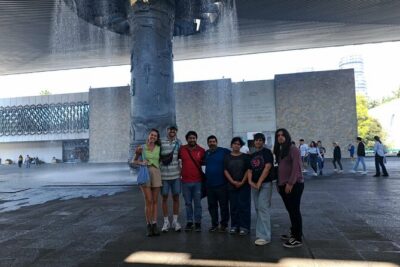
- UNAM Central Campus: mural art on a UNESCO-listed campus
- Pace and comfort: how to make the long days feel doable
- Price and value: what $149 really buys you
- Who this tour fits best (and who should rethink it)
- Should you book this Teotihuacán & Guadalupe + Xochimilco, Coyoacán & Frida combo tour?
- FAQ
- What’s the duration of the tour?
- What time does the tour start?
- How much does it cost?
- Is the tour offered in English?
- What days are Teotihuacán and Guadalupe Shrine vs. Xochimilco and Frida?
- Is Frida Kahlo Museum open every day?
- What entrance tickets are included?
- Is food included?
- Does the tour include tequila tasting?
- How big are the groups?
Key things I’d watch for
- Teotihuacan + Basilica de Guadalupe paired early so you’re not juggling timing on your own
- Frida Kahlo access built in (including a full hour in the museum) when tickets can be tough
- Xochimilco by trajinera with festive atmosphere and snacks available for purchase
- Bilingual, story-focused guiding noted with guides like Alexa, Yair, and Mario
- Long days with lots of walking: comfortable shoes, sun protection, and water matter
Why this 2-day combo tour makes sense in Mexico City
Mexico City is huge. Even when you pick “must-sees,” it’s easy to spend your trip doing logistics instead of seeing places. This two-day format helps because it bundles the headline experiences into a route that flows geographically: Teotihuacán and Guadalupe Day 1, then Coyoacán, Frida, and Xochimilco Day 2.
What makes the plan work best is the way the guide frames each stop. You’re not just looking at pyramids and paintings—you’re getting explanations tied to religion, art, culture, and daily life. Many guests also highlight how guides such as Alexa, Yair, and Mario were approachable and effective in English/Spanish narration, with one guide even adding reenactment energy to the Cortez vs. Cuauhtémoc story at Teotihuacán.
The practical tradeoff: it’s a full couple of days. Teotihuacán alone can be a lot of climbing in strong sun, and Xochimilco is all about being outside (even if the boat time is more comfortable than walking). If you want a slow sightseeing pace, build in your own rest time after.
You can also read our reviews of more tours and experiences in Mexico City.


Day 1: Tlatelolco and the Plaza de las Tres Culturas (where Mexico stacks up)
Day 1 starts with a jump into pre-Hispanic Mexico at Zona Arqueologica Tlatelolco. This site is tied to the Aztec capital world and is considered the largest archaeological zone in Mexico City. You’ll see how it was a major trading center—local goods and goods from far away all moved through here.
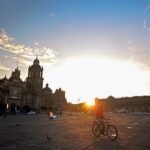
Then comes the Plaza de las Tres Culturas, named because the architectural ensembles around it represent three periods: Mesoamerican, Spanish, and modern Mexican. This stop is more than a photo moment. It’s a quick way to understand why Mexico City feels layered—because it literally is layered. If you’re new here, this is the “primer” that helps later stops like Guadalupe and Teotihuacán make more emotional sense.
The main consideration at Tlatelolco: it’s still a city and still in daylight. Bring the same basic kit you’ll use for the rest of the trip—water, sun protection, and comfortable walking shoes.
Basilica de Santa Maria de Guadalupe: the most visited Catholic site in Mexico
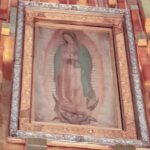
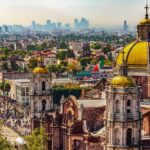
After Tlatelolco, you continue to the Basilica of Our Lady of Guadalupe. This is described as the most important religious building in all of Mexico and one of the most visited Catholic sites in the world. The scale is real: over 20 million pilgrims a year is the kind of number you feel when you’re there.
This stop is valuable even if you’re not religious, because the basilica is a living cultural center. It shows how faith, art, and identity overlap in Mexico—especially in how people gather and how the site stays active throughout the year.
Plan on about 1 hour 30 minutes there. That’s enough time to take in the setting without feeling rushed, but still keep the momentum going to Teotihuacán later.
Teotihuacán: Sun and Moon Pyramids, plus tequila tasting
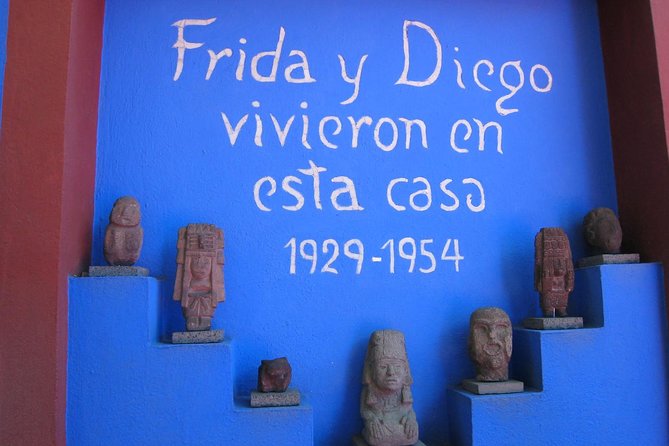
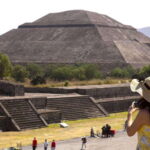
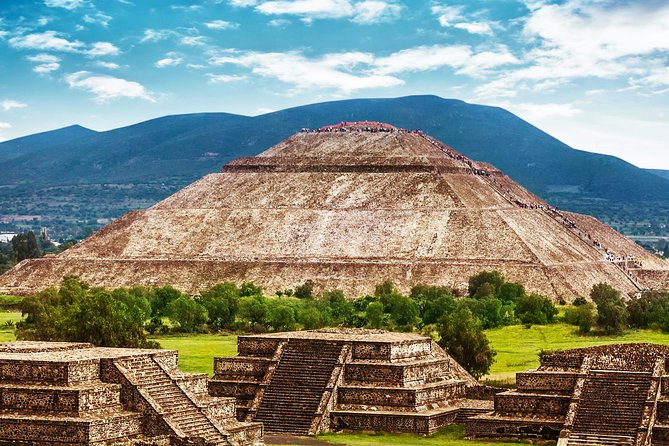
Teotihuacán is the headliner. You’ll go with a professional guide and walk the ruins with explanations that connect the site to myths and how people in Mesoamerica understood the world. Expect the big moment: climbing or at least working your way up to the Sun and Moon Pyramids, then taking in the views from the top.
Two key practical notes:
- Timing matters. If the day runs late or if you arrive in intense heat, walking becomes harder. A few guests described Teotihuacán as brutally hot when it started later in the day.
- COVID-era closures can happen. Some areas of Teotihuacán may be closed due to restrictions. That doesn’t usually ruin the day, but it’s worth knowing that your exact route could vary.
A fun add-on in this tour: a tequila tasting on the Teotihuacán tour. It’s included, which helps value, and it gives you one more small way to connect the day to modern Mexican culture.
If you want the day to feel enjoyable, aim for an earlier start (this tour begins at 7:30 am) and wear shoes that are grippy on uneven ground. Sunscreen matters more than you think at Teotihuacán.
Day 2 in Coyoacán: cobblestones, Casa Azul, and Frida’s setting
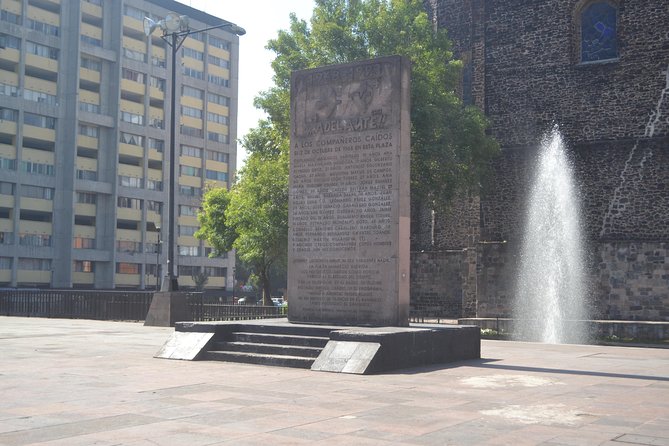
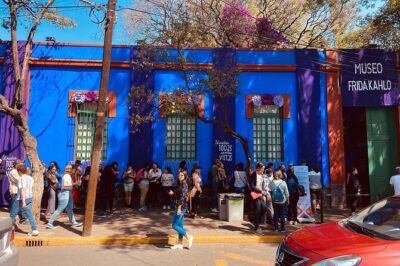
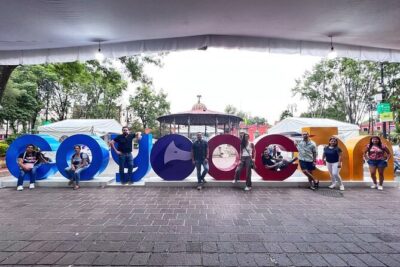
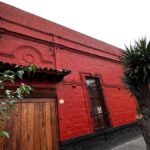
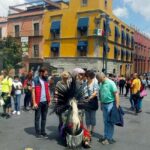
Day 2 turns the volume down from ruins to neighborhood charm. You’ll head to Coyoacán, a district with roots in pre-Hispanic times and a vibe that feels more local and relaxed. Expect cobblestone streets and picturesque houses, with time to experience Casa Azul (Blue House) and/or the Frida Kahlo Museum.
There’s an important scheduling note: the tour’s Frida Kahlo museum timing can depend on the day, and the info provided says that Frida Kahlo museum isn’t open on Mondays. So if you’re planning a visit that lands on a Monday, double-check the operating day in your booking details.
The goal of this part of the itinerary is not just “see the house.” It’s to see how Frida’s art grew out of her life. Guides often emphasize the connection between her personal story and the images she created, which is the difference between seeing a museum and feeling like you understand why the works matter.

Frida Kahlo Museum: why the extra hour is the payoff
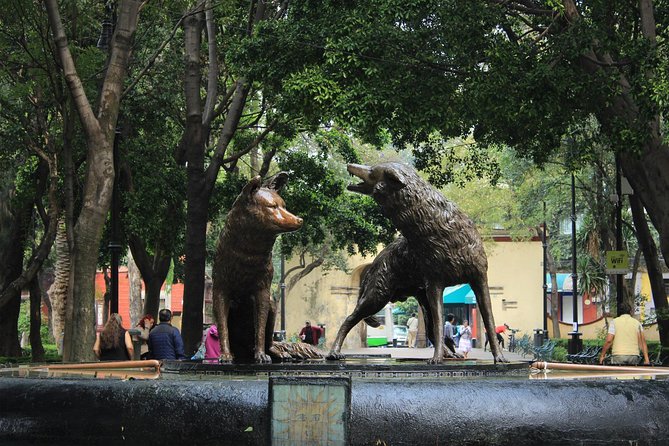
Later on Day 2, you get an included visit to the Frida Kahlo Museum with about 1 hour of time to explore, including free time inside. This is a major value point because museum tickets can sell out, and this combo is designed to include entry without you having to scramble.
What you should expect: the museum is the house where Frida lived with Diego Rivera. Even if you’ve seen her paintings before, this is where scale and detail hit you differently—because you’re viewing the art from the physical world that shaped it.
One more practical point: some guests mention the process around accessing the Blue House museum can take time. That’s not unique to this tour, but it’s a reason to stay flexible and not over-plan your day around the exact minute.
Xochimilco floating gardens: the trajinera ride and photo-worthy chaos
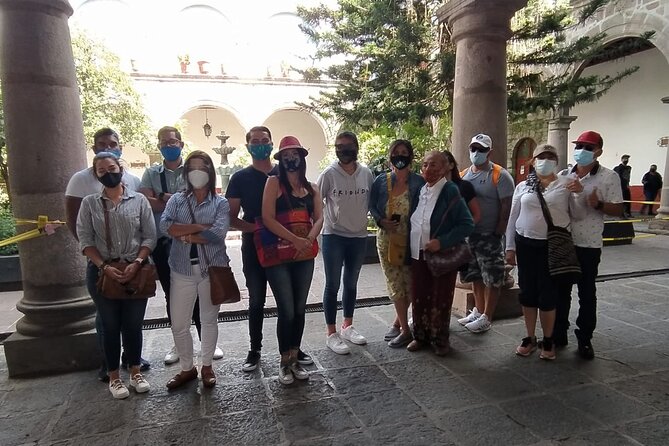
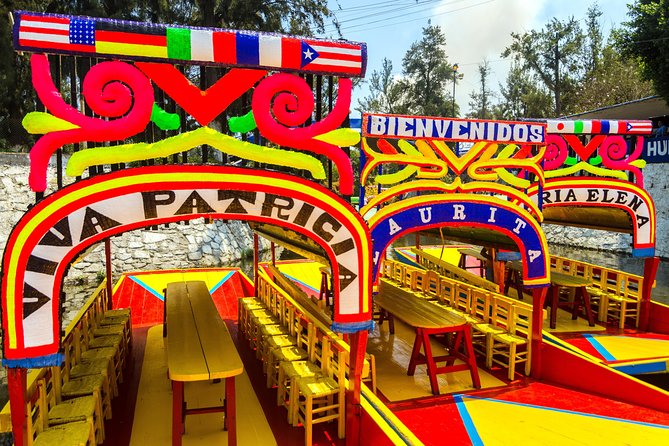
Then you head to Xochimilco, a UNESCO World Heritage site. The story here is Aztec-era transportation: Xochimilco was once a lake, and the floating canals became the working geography that people used for moving and farming.
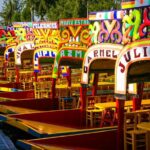
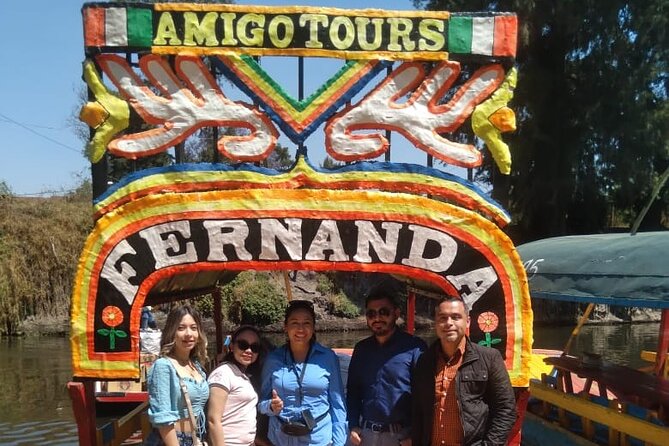
Your highlight is the trajineras—colorful boats—where you’ll ride for about 1 hour. You’ll hear festive music from other boats, and you’ll see vendors selling snacks you can buy (not included).
For photos, Xochimilco can be a dream and a challenge at the same time. Bring your camera patience: boats rock, light changes, and there’s lots happening. The best strategy is to accept that you’ll get some slightly messy shots—and also aim for wide angles that show the canals and the party energy.
The drawback: it’s still outdoors for a while. If your Day 1 included intense sun, build in hydration habits here.
UNAM Central Campus: mural art on a UNESCO-listed campus
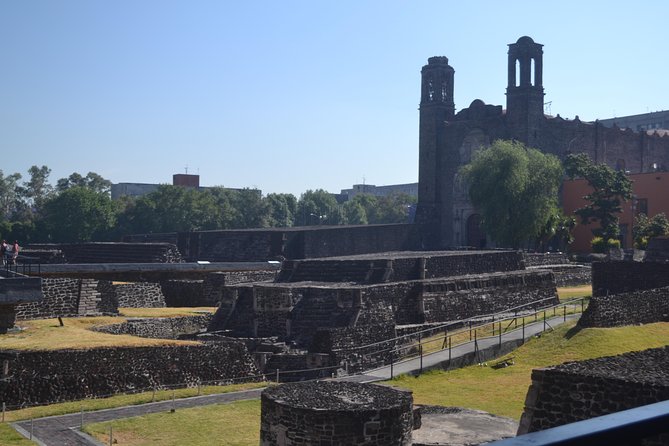
After Xochimilco, the tour includes a short stop at UNAM Biblioteca central and the central campus area built in 1551. You’ll see the UNESCO-listed campus and spend about 30 minutes, with mention of muralists Diego Rivera and Juan O’Gorman.
Even if you aren’t a campus person, this works as a “creative reset” between the boat ride and the museum visit. It’s also a good reminder that Mexico City isn’t only ancient ruins and famous artists—there’s modern education and public art happening in real places where people study every day.
Pace and comfort: how to make the long days feel doable
This is not a sit-and-look-around tour. It’s a “see a lot with a guide” plan. Many guests praised the walking pace as manageable, including people traveling with elderly parents, but it’s still worth treating the days as active days.
Use the common-sense packing list that keeps showing up in guest tips:
- Comfy, grippy shoes (especially for Teotihuacán)
- Sunscreen, hat, and sunglasses
- Water and light snacks since food isn’t included
- A hearty breakfast (you may be waiting between stops)
Also keep in mind group size: the maximum group size is listed as 50 travelers. That can mean smooth organizing, but it can also mean you’ll occasionally wait as the group regroups. You’ll get the most out of it if you don’t treat each stop like a private outing.
Price and value: what $149 really buys you
At $149 per person for two days, the value comes from what’s already handled.
Here’s what you’re getting that would cost you time (and usually extra money) if you planned it yourself:
- Roundtrip transport from central meeting points
- A professional guide for the route
- Admission tickets included for Teotihuacán and the Frida Kahlo Museum
- Teotihuacán extras like tequila tasting
- Included Tlatelolco visit
- The long-haul sightseeing parts: Teotihuacán, Guadalupe, Coyoacán/Frida, and Xochimilco
Food isn’t included, so you’ll budget for lunch/snacks. And you should be prepared for the fact that some parts of the schedule can include stops at shops. A few guests specifically called out time spent at jewelry/silver shops as feeling like it took away from destination time. If you dislike that, go in with the mindset that the main value is the landmarks and boat ride.
For first-time visitors, the price feels especially fair because it reduces the biggest stress: timing, admissions, and route planning across a huge city.
Who this tour fits best (and who should rethink it)
This combo makes the most sense if you:
- Are visiting Mexico City for the first time and want a solid hit list
- Want a guide to explain what you’re seeing (history, religion, art, culture)
- Care about having Frida Kahlo museum entry included
- Like neighborhoods as well as major sites
It might feel less ideal if you:
- Have low heat tolerance or limited walking ability (Teotihuacán is demanding)
- Want an unhurried pace and tons of free time at each location
- Strongly dislike scheduled stop-offs at shops (some guests felt this reduced destination time)
Should you book this Teotihuacán & Guadalupe + Xochimilco, Coyoacán & Frida combo tour?
Yes—if you want a practical two-day route that covers Mexico City’s most famous storylines without you building a spreadsheet. The biggest reason to book is the balance of major admissions + guided context + Xochimilco by trajinera, all packaged into one plan.
Before you hit confirm, do two checks:
- Confirm which day you’re starting so the Frida Kahlo museum is open (it’s noted as not open on Mondays).
- Make sure you’re comfortable with a long schedule that includes serious walking and strong daylight at Teotihuacán.
If that sounds like your style, this tour is a very efficient way to get your bearings fast—and still leave room to explore on your own afterward.
FAQ
What’s the duration of the tour?
It’s listed as about 2 days.
What time does the tour start?
The start time is 7:30 am.
How much does it cost?
The price is $149.00 per person.
Is the tour offered in English?
Yes, it is offered in English.
What days are Teotihuacán and Guadalupe Shrine vs. Xochimilco and Frida?
The date you choose for booking is for the Teotihuacán and Guadalupe part. The Xochimilco and Frida Kahlo part happens the following day.
Is Frida Kahlo Museum open every day?
No. The information provided states the Frida Kahlo museum is not open on Mondays.
What entrance tickets are included?
Entrance tickets to Teotihuacán and the Frida Kahlo Museum are included. Tlatelolco is also included, and the Guadalupe basilica entry is noted as free.
Is food included?
No. Food and drinks are not included.
Does the tour include tequila tasting?
Yes. Tequila tasting on Teotihuacán is included.
How big are the groups?
The tour has a maximum of 50 travelers.