REVIEW · MEXICO CITY
Teotihuacan Tours
Book on Viator →Operated by Teotihuacán Recorridos · Bookable on Viator
Waking up early pays off. This Teotihuacán tour takes you straight up to the Pyramid of the Sun, with time to see the tunnel made by archaeologists and walk the Road of the Dead. I also love the human touch: guides like Pancho and Daniel clearly explain what you’re looking at, and they’re attentive to different mobility levels. One thing to consider is the moderate walking and uphill surfaces, so wear proper shoes and plan for a brisk pace.
You get a focused 5–6 hour format that feels like a guided path through the main highlights: Square of the Sun, Mural of the Puma, Square of the Moon, Pyramid of the Moon, plus the Palace of Quetzalpapalotl. You’ll even enter the “bowels of mother earth,” which adds a memorable change of pace from open-air walking. Just keep in mind that breakfast and lunch aren’t included, so you’ll want to handle food before you’re picked up and then snack your way through.
In This Review
- Key highlights at a glance
- A 6:00 am start you can actually use
- Pickup in central and north zones: practical, not complicated
- Entering Teotihuacán by the Pyramid of the Sun
- The Square of the Sun, Road of the Dead, and the Puma mural
- Square of the Moon and Pyramid of the Moon
- The Palace of Quetzalpapalotl and the below-ground moment
- Price and value: $80 for entrance, water, and guidance
- Pace, comfort, and what to pack for early walking
- Small group limits (15 people) and why English matters
- Weather matters more than you think
- Who should book this Teotihuacán tour?
- Should you book Teotihuacán Recorridos?
- FAQ
- What time does the Teotihuacán tour start?
- Do you get pickup from your hotel?
- How long is the tour?
- What’s included in the price?
- Is breakfast or lunch included?
- What if the weather is bad?
Key highlights at a glance
- Sun-first route: You start right in front of the Pyramid of the Sun to get the big-picture view fast
- Real guided interpretation: Explanations from guides like Pancho and Daniel turn stones into a story you can follow
- Main sights in one go: Square of the Sun, Road of the Dead, Mural of the Puma, Square of the Moon, Pyramid of the Moon
- Unique underground moment: You enter the tunnel/below-ground areas tied to the archaeology
- Small group feel: Maximum 15 travelers means fewer crowds around you while you listen and walk
A 6:00 am start you can actually use
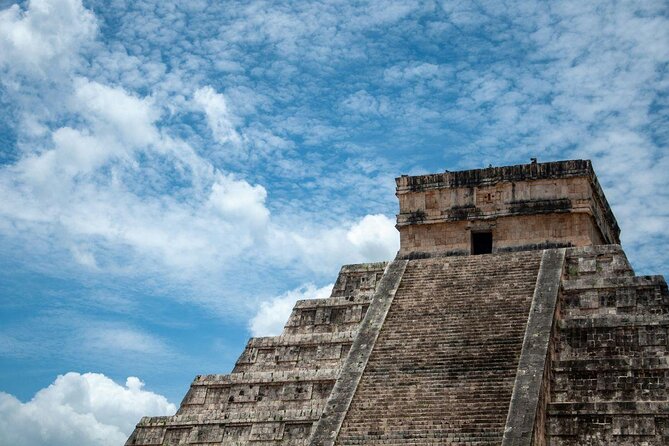
The day begins early, with a listed start time of 6:00 am and a pickup that (for many locations) runs later in the morning at around 7:40 am. That early schedule sounds intense, but it also sets you up to see major parts of Teotihuacán while you still have energy. If you’re the type who hates wasting half a day in transit and searching for meeting points, the structured timing is a win.
The other benefit of a set start is predictability. You know the tour is built as a half-day format (about 5–6 hours), not a loose “sometime in the morning” plan. That matters in Mexico City, where travel time can change fast depending on traffic and where you’re staying.
Bring the right mindset: this isn’t a slow stroll. It’s a guided route that moves. If you do that well—comfortable shoes, water in your hand, and no dawdling thinking you’ll catch up later—you’ll get more out of the day than you would wandering on your own.
You can also read our reviews of more tours and experiences in Mexico City.


Pickup in central and north zones: practical, not complicated
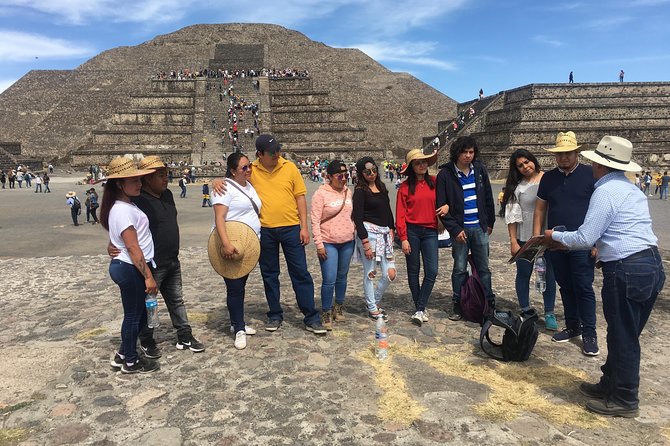
Pickup is offered, and it’s designed to work if you’re staying in Central and North Mexico City. The coverage includes neighborhoods like Colonia Roma, Zona Rosa, Polanco, Reforma, Zona Centro, Chapultepec, and Condesa, with pickup at your lodging in those areas.
This kind of pickup is valuable because Teotihuacán isn’t right next door. Saving time on logistics means you can spend the morning focusing on the experience instead of figuring out routes and ticket lines. It also helps if you’re traveling with people who don’t want to navigate Mexico City’s public transportation systems at dawn.
Do note this: the “pickup at 7:40” detail suggests timing may vary a bit by where you’re picked up. When you book, confirm the exact pickup window for your address. That small step prevents that annoying moment where you’re half-ready and waiting, hoping nobody forgot you.
Entering Teotihuacán by the Pyramid of the Sun
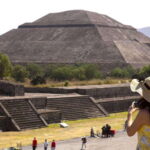
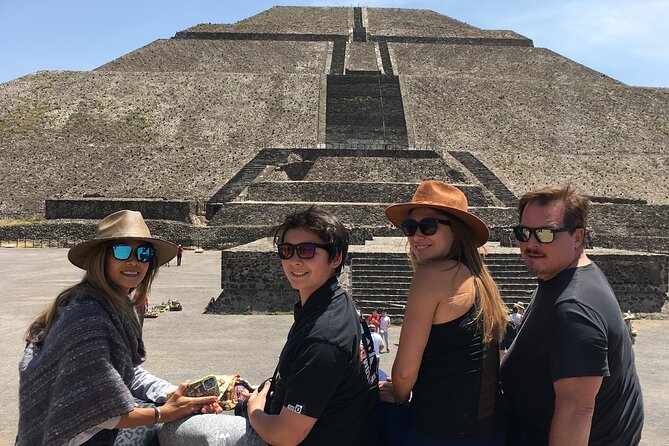
The tour’s first big impression is the Pyramid of the Sun. You’re not sent to the far side and told to work your way in. You walk right in front of it, which gives you an immediate sense of scale. That matters, because Teotihuacán is easier to understand when you can see how the buildings relate to the open space around them.
You also get access to parts tied to archaeology. A standout described on this tour is seeing the tunnel archaeologists made, plus the chance to view major plazas connected to the temple layouts. Even if you don’t know the technical terminology, standing where you can look down an engineered passage gives you a better feel for how people studied and interacted with the site over time.
The guide’s job here is to help you connect the dots. Based on the guide feedback, that interpretation is a major strength. Pancho was praised for excellent history explanations, and Daniel received strong marks for making the visit interesting and enjoyable. In other words, you’re not just taking photos. You’re learning what to notice as you move.
The Square of the Sun, Road of the Dead, and the Puma mural
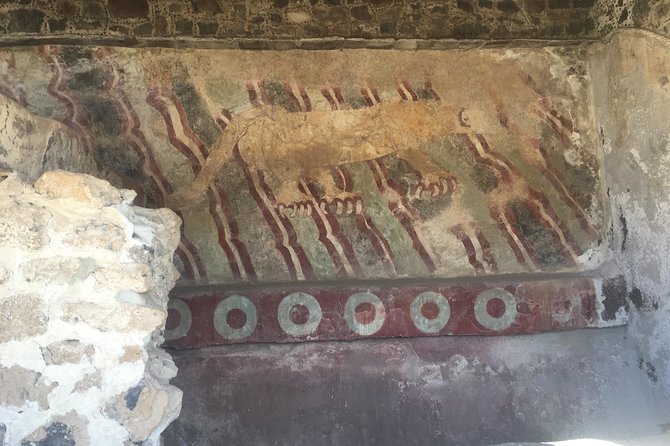
After the Pyramid of the Sun, the route continues through the area’s key visual landmarks. You’ll visit the Square of the Sun and the Road of the Dead, plus the Mural of the Puma.
This is where a guided tour makes a big difference. Those names might sound like a checklist, but on the ground they help you orient yourself. Once you’ve got a map in your head—square, walkway, and a specific mural—you can look at the site more intelligently. You’re not just looking at big structures; you’re following a line of sight and a set of cultural focal points.
The Mural of the Puma is a perfect example of why an explanation helps. It’s easier to appreciate a specific feature when someone tells you what it is and why it matters in context. The reviews emphasize guides who stay clear and aware of what the group can handle, and that kind of pacing makes these stops feel smoother rather than rushed.
Practical tip: this part of the tour is likely where you’ll do most of your walking on open surfaces. Sun and dust are real. The tour includes bottled water, but you’ll still want to dress for morning conditions and keep your pace steady. If you get tired, don’t power through silently—tell the guide so they can adjust how you take breaks.
Square of the Moon and Pyramid of the Moon
One of the best things about this route is that it doesn’t treat Teotihuacán as a single highlight. You shift from the Sun side to the Square of the Moon and the Pyramid of the Moon.
The change of scene helps you reset your attention. After you’ve spent time appreciating the Sun-area landmarks, the Moon-side stops feel like a new chapter rather than a repeat. It’s also a good time to slow down mentally and look at the overall site geometry again. Even without getting technical, you’ll likely notice that the layout gives you multiple ways to understand space—open plazas and structured paths.
This is also a helpful segment if you’re traveling with mixed experience levels. First-timers can focus on what they can see and photograph. People who like context can listen for explanations that connect what they’re viewing to the broader site layout. That flexibility is backed by the praise for guides being aware of limitations and giving options when needed.
If you’re sensitive to crowds, one advantage of a maximum 15 travelers group is that you’re not fighting through a sea of people at every stop. You’ll still share space, but it feels more controllable.
The Palace of Quetzalpapalotl and the below-ground moment
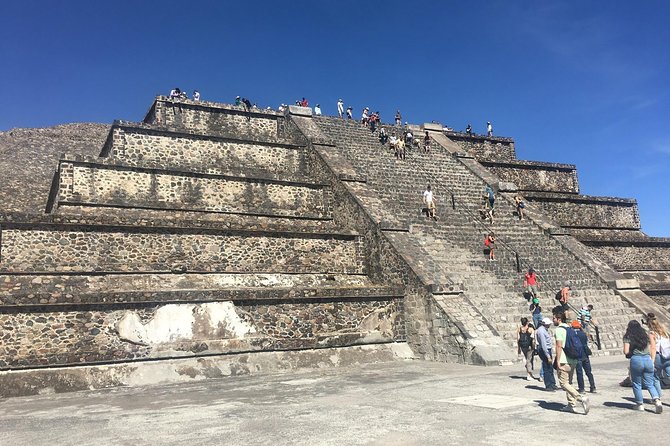
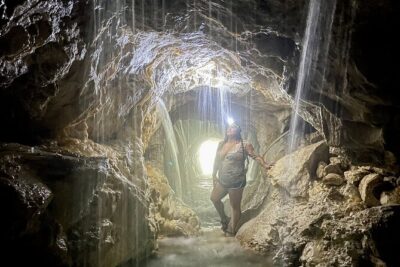
The tour reaches the Palace of Quetzalpapalotl and includes an unusual, memorable element: you enter the bowels of mother earth.
That underground portion is a big deal because it changes the sensory experience. Outdoors, you’re scanning lines, shapes, and plazas. Underground, it’s about contrast—cooler, darker, and more intimate. Even if you’re not a museum person, this type of stop tends to stick in your mind because it’s not the usual “stand and look” format.
The provided description also includes the idea of archaeologist-made passages, which suggests this is a guided look at constructed or studied spaces rather than a random tunnel. In practice, the guide’s explanation becomes even more important here. You want someone who can help you understand what you’re seeing without turning it into a lecture you can’t absorb.
This is a great spot to ask questions. Guides like Pancho and Daniel were praised for making history understandable and interesting, so if you have curiosity, this is the time to use it. If you’re traveling with older relatives, this kind of controlled stop can also work well because it’s a clear segment with a defined start and end.
Price and value: $80 for entrance, water, and guidance
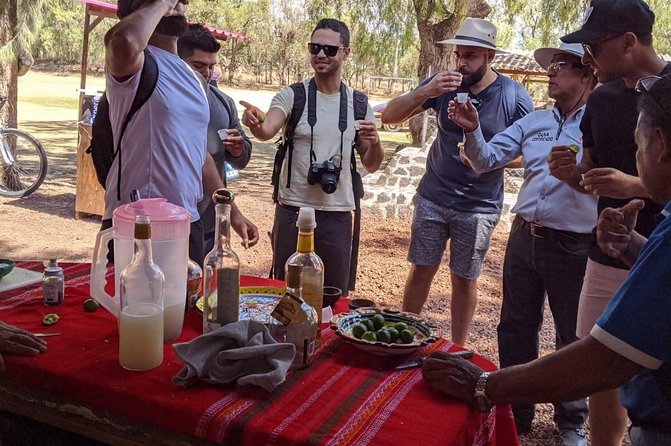
At $80.00 per person for roughly 5–6 hours, the value is in what’s included and what you avoid. The tour includes an entrance ticket to the archaeological zone and bottled water.
For many visitors, the hardest part of an archaeological day is not the highlights—it’s turning those highlights into a workable plan. When entrance is handled and you’re not guessing about access, the price feels more justified. You also get an English-speaking guide and a small group size (max 15), which increases the odds of actual conversation and attention, not just hearing directions from far away.
What’s not included is also important for your budgeting. Breakfast and lunch aren’t included, so you should eat before the pickup if possible. If you know you’ll want food on-site afterward, plan ahead with snacks you can carry easily. Otherwise, you’ll end up paying last-minute prices or settling for less-than-ideal options.
My practical take: $80 is a fair half-day price for a guided route that hits the core Teotihuacán highlights plus an underground element. If you were doing it alone, you’d likely spend time solving transport and figuring out how to sequence stops efficiently.
Pace, comfort, and what to pack for early walking
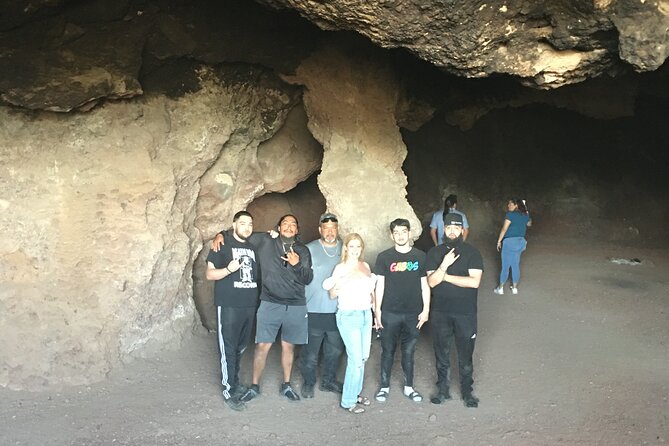
This tour asks for moderate physical fitness. That doesn’t mean you have to be an athlete. It does mean you should expect uneven surfaces, steps, and a route that keeps moving. The “morning energy” matters too—starting early plus walking can feel harder if you’re not used to it.
Here’s what helps you get through the day comfortably:
- Sturdy shoes with good traction
- Light layers for morning-to-later weather shifts
- Water management even though bottled water is included
- A snack plan since breakfast and lunch don’t come with the tour
Also, keep your attention on what the guide is pointing out. These sites reward close observation. If you spend too much time staring at your phone and not listening, you’ll lose the main value of the tour: interpretation.
If you’re traveling with elderly parents or anyone who tires easily, use the guide as a resource. The reviews praised Pancho for being kind and aware of their limitations and for giving options so everyone had a good experience. In other words, don’t assume you must keep the same pace as everyone else. Communicate early and let the guide help you adjust.
Small group limits (15 people) and why English matters
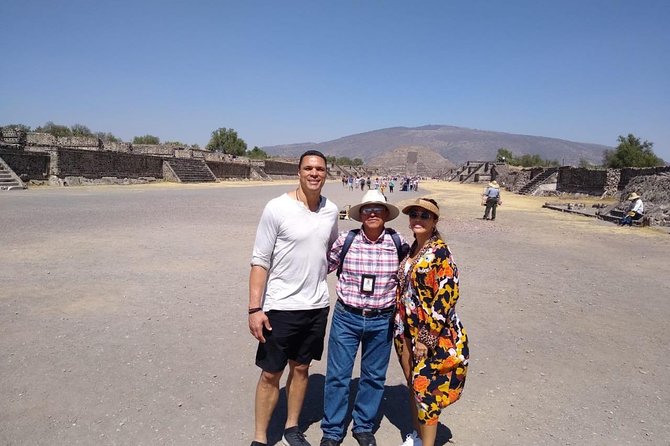
The group cap is 15 travelers, which changes how the experience feels. In larger tours, your guide can be loud and you can end up watching rather than participating. In a smaller group, you’re more likely to stay engaged, hear explanations clearly, and take questions without feeling like you’re interrupting.
English is offered, so if you’re planning around language comfort, that’s a meaningful factor. It also means the guide can explain history in a way that fits your understanding, rather than switching to slow gestures and guesswork.
This is where the guide feedback becomes especially relevant. Pancho’s history explanations and Daniel’s engaging approach were both highlighted in strong ratings. That suggests the “English” experience isn’t just translation. It’s actual teaching—clear enough that you walk away with more than photos.
If you like tours where you feel like you’re part of the group, not stuck at the back, this size is a strong match. You’ll still want to keep your camera ready, but you’ll also have time to listen.
Weather matters more than you think
The tour runs on the requirement of good weather. That matters for two reasons. First, the walking is outdoors for major portions of the experience. Second, early-day conditions can change quickly around Mexico City and the nearby region.
If the weather doesn’t cooperate, you’ll be offered another date or a full refund. So you’re not taking a total gamble. Still, plan your schedule with flexibility if you can—don’t book a tight second activity right after your tour time. Give yourself room to breathe if conditions shift.
Who should book this Teotihuacán tour?
I’d book this if you want:
- A guided, efficient half-day route with major highlights
- Clear explanations from English-speaking guides, like Pancho or Daniel
- A small group experience that’s easier to manage than big bus tours
- An unforgettable element beyond the typical photo stops, including an underground visit
This tour might be less ideal if you need a completely relaxed day with minimal walking, or if you’re expecting an easy, minimal-step experience. The tour works best when you can handle moderate activity and you’re comfortable spending a few hours outdoors plus an indoor/underground segment.
If you’re traveling with family, the ability of the guide to work with people at different ability levels is a real plus. If you’re traveling solo, the small group size gives you a built-in social rhythm without turning the day into a crowded free-for-all.
Should you book Teotihuacán Recorridos?
Yes—if your goal is to see the most important parts of Teotihuacán in a guided, understandable way, this is a strong choice. The combination of entrance ticket included, bottled water, and a focused route through the Pyramid of the Sun, plazas, key landmarks, and the Palace of Quetzalpapalotl makes the value feel practical rather than inflated.
Book it if you’re ready for an early start and you’re comfortable with moderate walking. If that sounds like you, this tour is likely to leave you with real context and not just a bunch of pictures.
If you hate mornings or you need a very slow pace, consider whether you’ll be able to enjoy the day. But for most people, the structure, small group size, and strong guiding quality make it a smart way to experience Teotihuacán.
FAQ
What time does the Teotihuacán tour start?
The tour start time is listed as 6:00 am. Pickup is described as happening at 7:40 in the morning for many locations, so confirm the exact pickup time for your lodging when you book.
Do you get pickup from your hotel?
Yes. Pickup is offered at your lodging in Central and North Mexico City, including areas such as Roma, Zona Rosa, Polanco, Reforma, Zona Centro, Chapultepec, and Condesa.
How long is the tour?
The tour runs about 5 to 6 hours.
What’s included in the price?
The price includes bottled water and the entrance ticket to the archaeological zone.
Is breakfast or lunch included?
No. Breakfast and lunch are not included.
What if the weather is bad?
The experience requires good weather. If it’s canceled due to poor weather, you’ll be offered a different date or a full refund.