REVIEW · MEXICO CITY
Teotihuacán: Private Tour from Mexico City
Book on Viator →Operated by Luna Touring · Bookable on Viator
Teotihuacán hits hardest with a real guide. This private half-day to full day trip pairs hotel pickup from Mexico City with an English-speaking guide so you can focus on the Pyramid of the Moon views and the big-picture story behind what you’re seeing.
What I like most: you get a smooth ride out of the city, then time on-site to walk at a comfortable pace through the ruins (including the Quetzalcoatl Temple details). One thing to consider: the tour runs only within the zone’s daily window (7:00 AM–2:00 PM), and it’s also weather-dependent.
In This Review
- Key points before you go
- Private hotel pickup from Mexico City (and why it matters)
- How long is 5–6 hours, really?
- Entering the Zona Arqueológica: how the walking tour works
- Pyramid of the Moon: views you’ll actually remember
- Palaces and murals: where the story gets less simple
- Pyramid of the Sun: the rain-and-thunder theory
- Quetzalcoatl Temple: feather-snake heads and Proyecto Tlalocan
- The guide role: what makes this tour feel personal
- Price and value at $143.06 per person
- Timing tips that can improve your day
- What you should know about comfort, transport, and pace
- Should you book this Teotihuacán private tour?
- FAQ
- How long is the Teotihuacán private tour?
- Does the tour include hotel pickup in Mexico City?
- Is the archaeological admission ticket included?
- What language is the tour offered in?
- Is this tour private or shared with other groups?
- Can I cancel for a full refund?
Key points before you go
- Hotel pickup, private format: only your group, with pickup right from your hotel
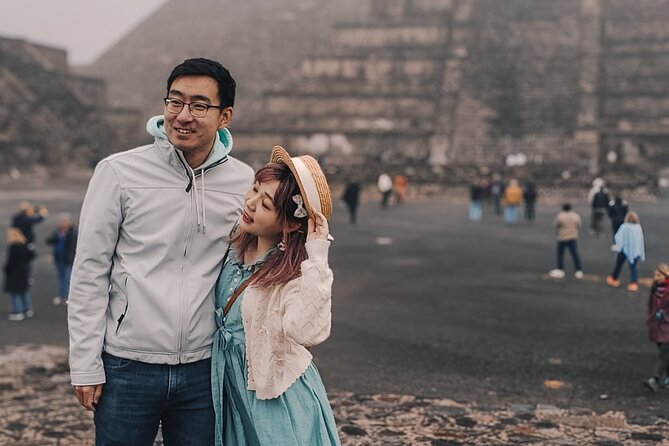
- Big views, not just photos: time climbing and looking out from the Pyramid of the Moon
- Human-sacrifice context: the tour explains the darker ritual side tied to the deities
- Quetzalcoatl Temple façade: you’ll see the feather-snake head decoration and hear about related projects
- Early timing helps: the best experience comes when you go sooner rather than later
Private hotel pickup from Mexico City (and why it matters)
Teotihuacán is close on a map, but it’s not close in real life once you factor in traffic, navigation, and lining up entry logistics. That’s why I like this setup: you’re not trying to coordinate buses, taxis, and timing. You’re met for pickup and taken out in a private vehicle as part of the experience.
The ride also matters because your guide can use the travel time for context. In the real-world flow of the day, you’re not just sitting there while your phone dies. You’re getting orientation on what the ruins meant, how the city fit into the broader Mexico City region, and what to watch for when you’re on the ground.
You can also read our reviews of more city tours in Mexico City


How long is 5–6 hours, really?
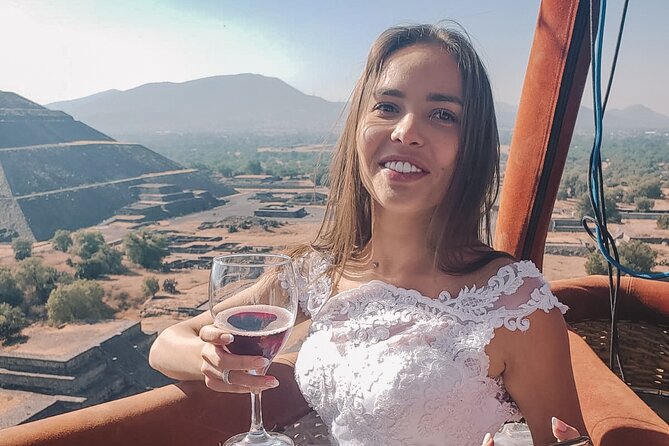
The trip is listed at about 5 to 6 hours, which is a sweet spot for Teotihuacán. You get enough time to take in the major highlights without feeling like the day is only walking in circles.
A practical detail: the activity runs during zone hours Monday–Sunday, 7:00 AM to 2:00 PM. If your ideal plan is a late-morning or afternoon-only visit, this schedule may not fit. If you’re traveling with kids, older parents, or anyone who hates heat and long lines, the early window is an advantage.
Also, this is described as good-weather required. If conditions aren’t right, you may be offered a different date or a refund. I treat that as a normal Teotihuacán reality: plan your day so you’re not locked into one impossible schedule.
Entering the Zona Arqueológica: how the walking tour works
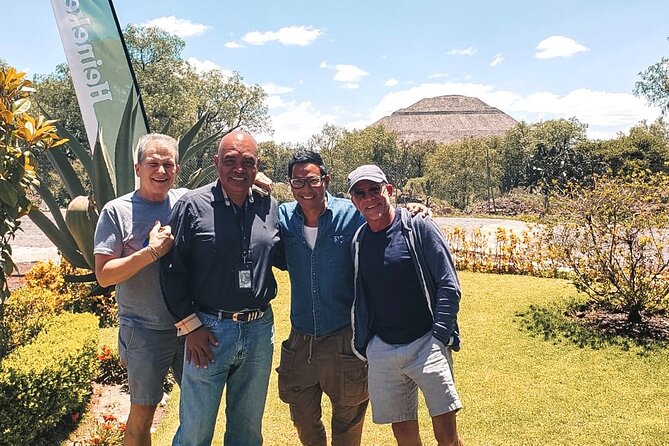
On arrival, the time on-site is where the tour earns its keep. The focus is on walking through the archaeological zone in a way that helps you connect shapes, symbols, and stories.
The route is built around the iconic structures, but the key isn’t speed. It’s interpretation—what you’re looking at and why it mattered. Your guide’s job is to translate stonework into human meaning: what rulers wanted people to believe, what sacred space was supposed to do, and how architecture shaped ceremonies.
Expect a comfortable pace that still keeps the day moving. If you’ve ever visited a ruin where everyone “just wanders,” you’ll appreciate this is guided so you’re not stuck guessing.
Pyramid of the Moon: views you’ll actually remember
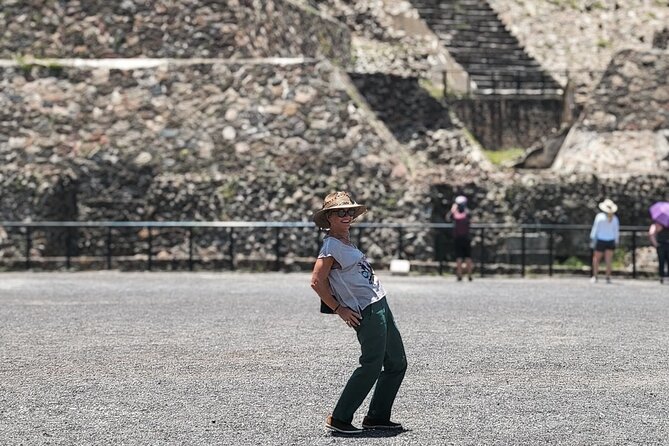
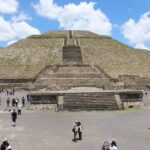
The Pyramid of the Moon is one of those structures that makes sense only after you climb and look outward. From the top, you get the famous sweep over the broader Teotihuacán area—the so-called City of the Gods feeling people talk about.
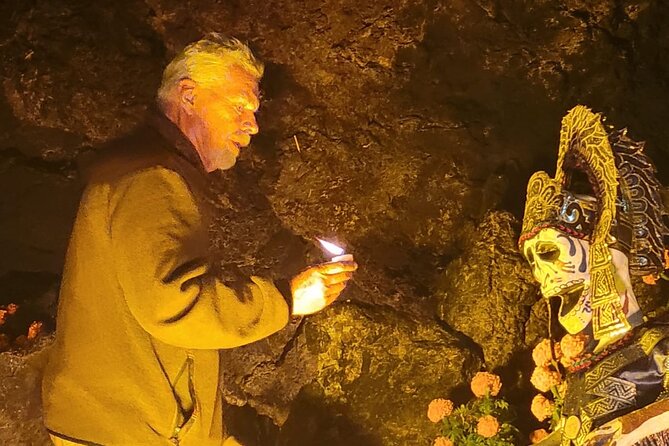
What I like here is that the view isn’t treated as a stop-and-go photo moment. The tour frames what you’re seeing with context tied to ritual. You’ll hear about human sacrifices practiced to honor deities, which is a heavy topic, but it’s also part of the site’s historical picture. Your guide helps keep it grounded instead of sensational.
If you prefer meaning over spectacle, this stop is for you. And if you just want a great look, it’s still worth it. The structure gives you the “wow” factor, then the explanation gives you the “okay, now I get it.”
Palaces and murals: where the story gets less simple
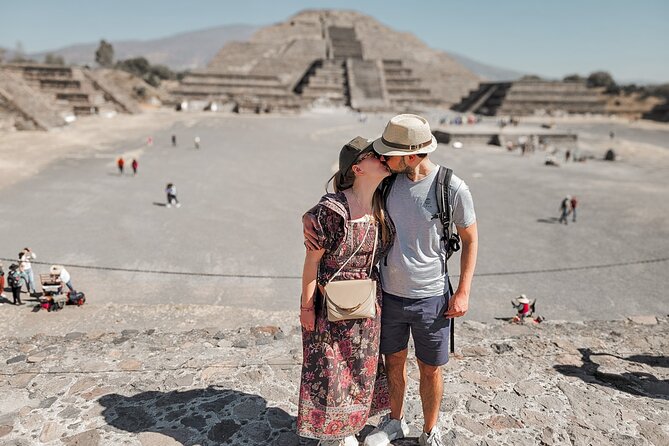
Between the big pyramids, there are areas described as palaces and murals. This is where Teotihuacán shifts from monuments to daily symbolism—spaces designed for power, ceremony, and public messaging.
The standout value of this part is the way it turns architecture into narrative. Instead of you reading a plaque alone, you’re getting guided interpretation. Even the walking sections can feel purposeful when your guide points out what to notice.
Practical downside: these are open-air areas. So if you’re sensitive to sun or heat, you’ll want to take the early start seriously. A longer midday pause can be tempting, but the overall time plan is structured to keep you moving.
You can also read our reviews of more private tours in Mexico City





Pyramid of the Sun: the rain-and-thunder theory
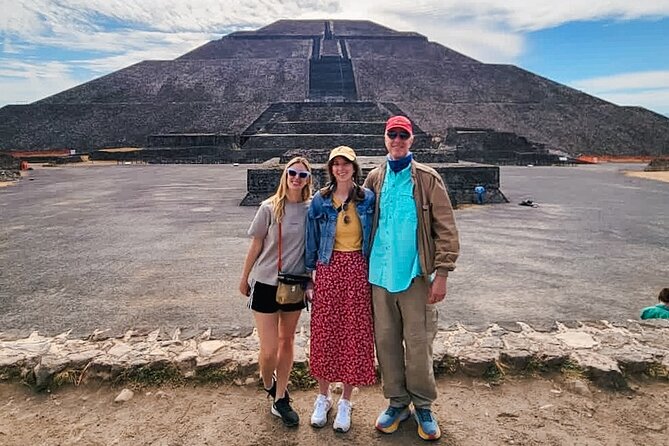
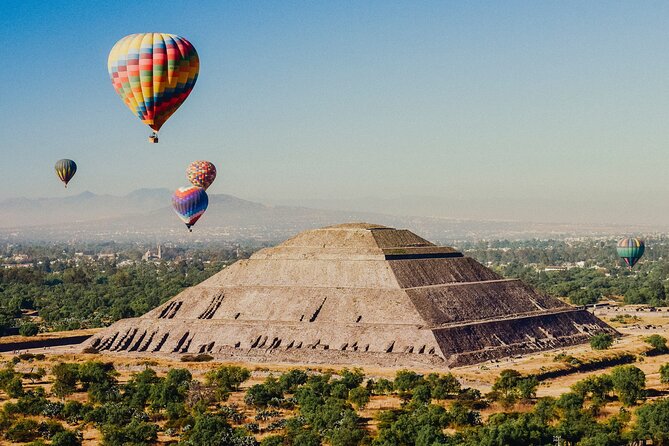
The Pyramid of the Sun is the showpiece many people picture when they say Teotihuacán. The tour includes time to raise to the top and enjoy the unique view from up there.
You’ll also get a specific interpretation thread: this monument is suggested as reflecting devotion connected to the God of rain, water, thunder, and lightning. That may sound like mythology talk, but it matters because it explains why the design and symbolism feel so deliberate.
And that’s the real benefit of having a guided flow here. The pyramids can look similar at a glance. With the story tied in, each one starts to feel different—like separate answers to separate questions.
Quetzalcoatl Temple: feather-snake heads and Proyecto Tlalocan
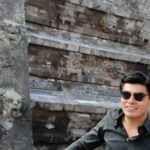
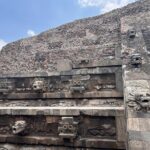
The Quetzalcoatl Temple is described as the only pyramid still preserving decoration on the façade, especially the large heads of feather snakes. If you like details you can see up close—faces, shapes, carved features—this is the kind of stop that makes the entire visit feel richer.
The tour also mentions Proyecto Tlalocan, presented as one of the last archaeological works practiced here. That’s a useful context point because it changes your mindset from tourism to ongoing discovery. You’re not only looking at the past; you’re seeing how researchers keep working to understand it.
If you’re the type who enjoys when a tour includes both what’s visible and what’s still being studied, you’ll appreciate this stop.
The guide role: what makes this tour feel personal
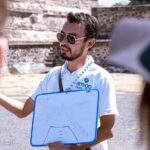
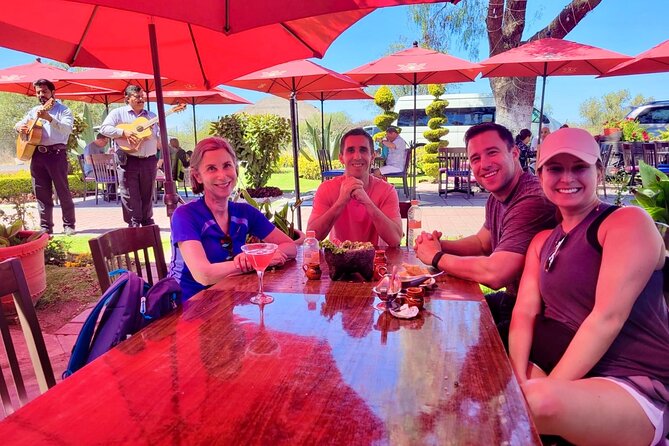
This is a private tour, and the guide is a big part of the payoff. One name shows up repeatedly in guide experiences: Rogelio Luna.
From the real-world feedback you can learn from, Rogelio’s style tends to be:
- Punctual and easy to work with on pickup timing
- Patient when people ask lots of questions
- Comfortable in transportation commentary, so the ride out isn’t dead time
- Accommodating with scheduling needs, including navigation around road issues when they happen
- Practical support like restroom stops and advice at vendor areas
Even the small touches matter. For example, there are accounts of taking quick breaks without turning the day into a series of delays. Another theme is flexibility: choosing pickup time within reason and keeping the overall tour length aligned with your preferences—like skipping lunch if you don’t want it.
Bottom line: with a good guide, Teotihuacán feels like a place you understood after the visit, not just a place you walked through.
Price and value at $143.06 per person
At $143.06 per person, this isn’t the cheapest way to reach Teotihuacán. But it is positioned as private and guided, with pickup from your hotel and time inside the archaeological area.
Here’s how I’d think about value:
- Private logistics: hotel pickup saves time and hassle, especially if you’re not fluent in planning public transit or don’t want to figure out timing alone.
- Guide interpretation: you’re paying for someone to explain what you’re seeing, including the heavier topics tied to human sacrifice and the meanings behind architectural choices.
- Included admission ticket for the on-site time: that reduces the guesswork for your day budget.
- Group flexibility: because it’s your group only, you can move at a pace that fits your energy level.
Who gets the best value? Couples, small families, and friend groups who want the day to feel efficient without being rushed. If you’re traveling solo and you don’t care much about having a guide, a DIY plan could be cheaper—but the learning curve and timing stress are usually the tradeoff.
Timing tips that can improve your day
Teotihuacán is open-air, so timing affects comfort. A recurring piece of advice tied to better experiences is to go early. That’s not just about avoiding crowds. It also helps you dodge peak heat and keeps your feet happier.
This tour’s schedule window already nudges you toward that early mindset, because the activity is only offered from 7:00 AM to 2:00 PM. If you can choose your pickup time, getting rolling closer to the morning start will generally make the site visit more pleasant.
Also, plan your expectations around the length. If you opt out of lunch, you can often keep a tighter schedule and get back to Mexico City earlier. If you want food later, your guide can help steer you toward places to eat on the way out.
What you should know about comfort, transport, and pace
You’re in a private vehicle and the ride is part of the experience. In multiple examples, groups have described the transport as comfortable, including having a spacious van for larger groups like seven adults.
You can also expect flexibility around small needs:
- Restroom stops during the trip
- Guidance around vendor areas so you’re not overwhelmed when you’re ready to shop or snack
- Navigation help if traffic or closures affect the route
None of this is guaranteed in every circumstance, but it matches how this tour is designed: less stress, more control of the day.
Should you book this Teotihuacán private tour?
Book it if you want Teotihuacán to feel like a guided lesson with great views. Hotel pickup removes the biggest friction point, and the on-site stops hit the classic structures plus the Quetzalcoatl Temple façade details. You’ll also get explanations that cover the intense ritual context instead of pretending the past was all sunlit and simple.
Skip it (or at least compare options) if you’re traveling on a strict budget and don’t care much about guided interpretation. The price is for comfort and understanding, not just transportation.
If you’re the type who likes asking questions, taking your time on the walk, and coming away with a mental map of what you saw, this is a strong choice.
FAQ
How long is the Teotihuacán private tour?
It runs about 5 to 6 hours.
Does the tour include hotel pickup in Mexico City?
Yes. Pickup is offered directly from your hotel for a private, stress-free start.
Is the archaeological admission ticket included?
Yes. The on-site time includes an admission ticket.
What language is the tour offered in?
The tour is offered in English.
Is this tour private or shared with other groups?
It’s private. Only your group participates.
Can I cancel for a full refund?
Yes. You can cancel for a full refund if you cancel at least 24 hours before the experience starts. Weather can also affect the schedule, and you’d be offered a different date or a full refund if it’s canceled due to poor weather.