REVIEW · MEXICO CITY
Mountaineering to the Nevado de Toluca (altitude 4680m)
Book on Viator →Operated by México Travesías · Bookable on Viator
If 4,680m sounds scary, good. This is a guided Nevado de Toluca summit hike that trades luxury for high-altitude adventure and real views inside an ancient volcanic crater. I especially like the small max group size of 10, which makes the pace feel personal, and how the guides focus on keeping you safe up at elevation (with supportive check-ins that can make the difference between pushing on and tapping out). One consideration: the day is long, and the altitude can be a lot all at once, so not every group will hit the very top if conditions or fitness vary.
What makes this experience more than just a “hike” is the mix of extinct volcano scenery and hands-on mountain scrambling near the upper areas. You’re walking along trails to the summit region, then dealing with rocky segments that feel more like mountain travel than city walking—yet the scrambling described by hikers is generally manageable when you take it slow and use what you’re given (like poles and helmets).
The overall vibe is: plan for a serious altitude day, bring the right clothing, and don’t assume you can sprint your way to the top. The tour is built for moderate fitness, not casual strolling, and you’ll want to respect the mountain’s timing.
In This Review
- Key points before you go
- Nevado de Toluca: why this Mexico City trip feels like real mountaineering
- Getting to the mountain: your early start and the altitude reality check
- The summit hike to 4,680m: what to expect on the trail and near the top
- Crater lagoons inside the caldera: the view moment you came for
- A guide who checks your altitude: why the names matter
- Gear and food: what’s included, and what you still need to bring
- Small group size of 10: the personalized upside and the summit downside
- Price and value: what $166.68 buys you in the real world
- Weather, wind, and the day’s “physics”: what can change on Nevado de Toluca
- Should you book this Nevado de Toluca climb?
- FAQ
- How long is the Nevado de Toluca tour?
- What time does the tour start, and where do we meet?
- What’s the group size?
- What’s included in the price?
- Is it suitable for beginners or children?
- What should I expect at the summit area?
Key points before you go
- 4,680m summit goal (Pico del Fraile): high altitude with real effort, not a stroll
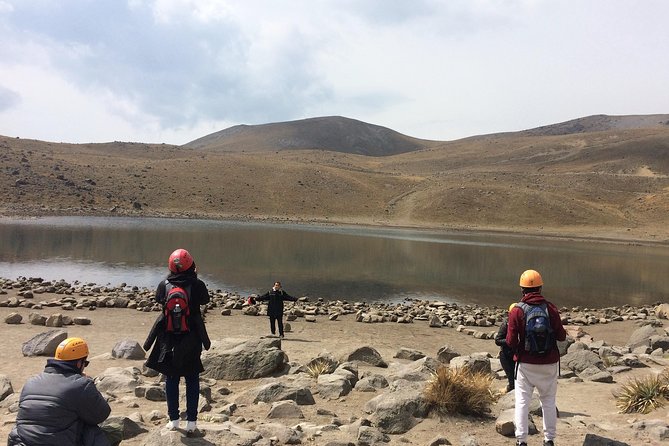
- Crater lagoons on the rim: you’ll see water-filled views inside an extinct volcano caldera
- Safety gear + lunch included: you don’t have to scramble for basics before 7:00am
- Small group (up to 10): more personalized guidance, safer pacing at altitude
- Rocky scrambling near the top: described as not exposed, but still technical enough to need focus
- Long day from Mexico City: early start, plus travel time that makes it feel like a full expedition
Nevado de Toluca: why this Mexico City trip feels like real mountaineering
Nevado de Toluca is one of the most dramatic “mountain days” you can do from Mexico City. The setting is volcanic and alpine, and the hike climbs to the summit area at 4,680 meters—Pico del Fraile—on a route that mixes walking trails with rocky climbing moments. It’s the kind of outing that makes you feel like you left the city behind for good.
I love that this tour keeps the experience grounded in mountain reality. You’re given safety equipment, and you’re not treated like an afterthought once you reach the higher ground. Even better, the day includes the iconic crater atmosphere: lagoons inside the caldera that can look unreal when you’re high up and the light hits just right.
You can also read our reviews of more tours and experiences in Mexico City.

Getting to the mountain: your early start and the altitude reality check
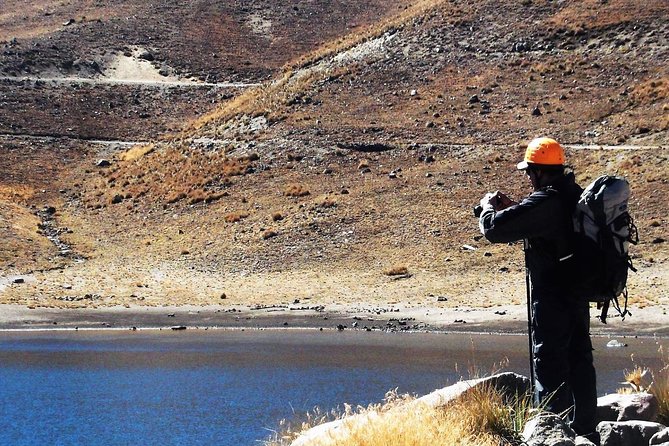
This is a start-7:00am kind of day. That’s not just for timing—it’s also so you can make the most of weather windows and daylight, since you’re working at elevation. Expect a long drive from Mexico City to the park area; a reviewer noted about three hours to the climbing start. Either way, plan for “leave early, arrive tired, then work.”
Here’s the altitude consideration you shouldn’t gloss over: Mexico City sits at already-high elevation, but this hike still jumps quickly once you’re up near the volcano. One hiker specifically warned that the ride takes you from around 4,000m to the 4,600m start area fairly quickly. That means you should treat altitude like an active participant in your day, not a background detail.
Practical takeaway: pace yourself from the beginning. If you feel your breathing change early, slow down immediately and let your guide know. People who do well on this trip tend to listen early, not later.
The summit hike to 4,680m: what to expect on the trail and near the top
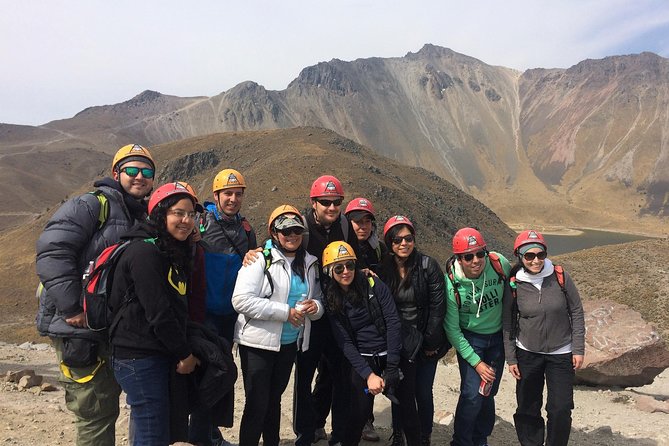
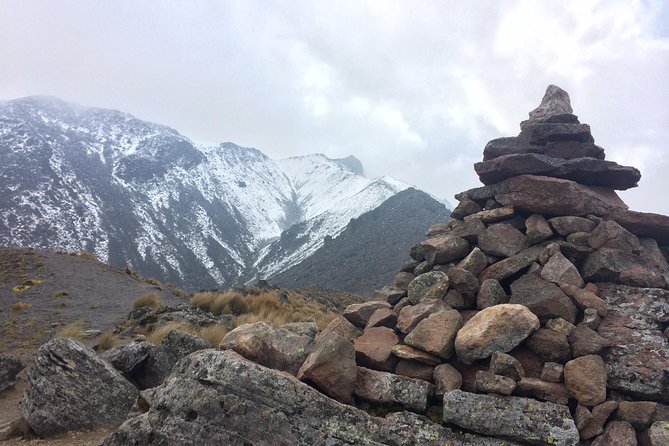
At the core of your day, you’ll hike to Nevado de Toluca’s summit region. The route follows trails toward the highest point (4,680m), and you’ll get scenic views along the way. Then you’ll reach the crater lagoons area—an “inside the volcano” moment that stands out because the caldera is wide and the water creates a stark, beautiful contrast to the rock.
The climb has a rhythm: steady ascent, then a steepening section as you get closer to the upper lakes and summit area. Multiple guides are described as managing the group’s pace and helping people adjust to altitude, which matters because you’re not just climbing—you’re climbing while your body is recalibrating.
Near the top, you may deal with scrambling over rocks. Importantly, hikers described it as not exposed (so you’re not hanging over a sheer drop), but it still requires careful foot placement and focus. One review mentioned an optional shorter route that avoids a more intense scramble called Pico del Fraile (class 3 scrambling). Translation: there’s a difference between “I can hike at altitude” and “I can move confidently over rocky terrain,” so you’ll want to be honest with yourself about your comfort level.
On the way down, expect steep scree or sandy feeling sections. Using the provided poles is genuinely useful here; one hiker even called the scree descent a reason to use them rather than treating poles like optional extras.
Crater lagoons inside the caldera: the view moment you came for
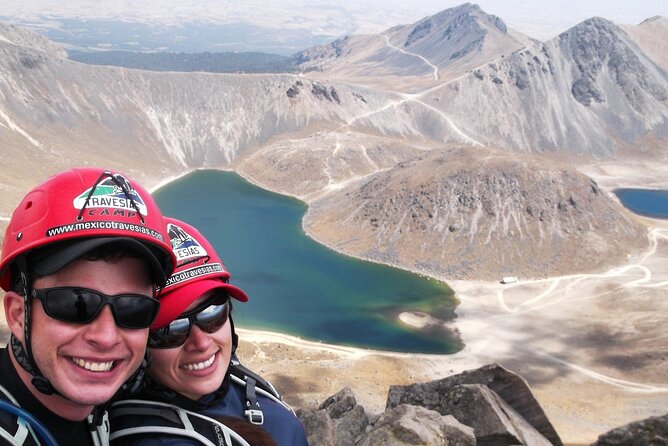
Even if you’re focused on fitness, you’ll remember the crater lagoons. This is described as a major visual highlight: lagoons inside the volcanic caldera, including the sense of being in a high-altitude bowl with water and sky meeting at odd angles. It’s the kind of scenery that makes “long drive, hard climb” feel worth it.
You’ll see those lagoons as part of the summit-area experience, after walking along the crater rim and around the upper areas. The photos people come home with tend to come from this segment—not just from the final summit point—because the light and framing are unique.
What I’d tell you: don’t rush past it. If you reach the lakes feeling winded, slow down and let your body catch up. The views are there, and the longer you breathe calmly, the more you’ll actually enjoy what you’re looking at.
A guide who checks your altitude: why the names matter
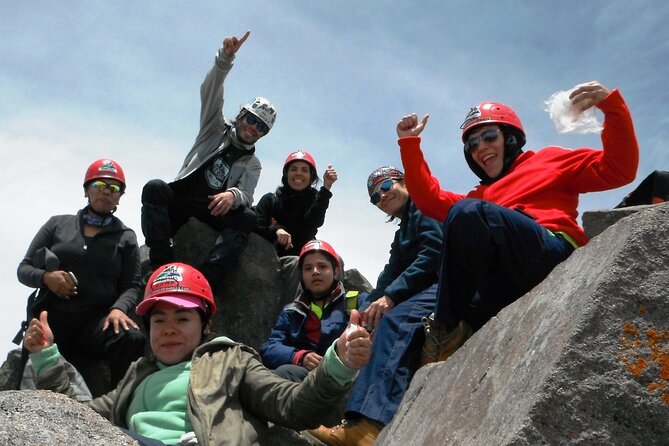
The tour experience is strongly shaped by the guide. Across multiple accounts, guides like Alan, Beto, Bernardo, Carlos, Alberto, Johannes, Santiago, and Cesar show up with the same theme: safety-first pacing and frequent check-ins. In practice, that means you get help both with the physical “keep moving” rhythm and with the mental side of staying steady when the altitude makes you feel slow.
One person highlighted how their guide was a cheerleader, but also careful—encouraging forward progress while monitoring how they were feeling on the ascent and return. Another described guides as patient through challenging parts and making sure everyone ate and drank enough. That last bit matters: altitude makes dehydration sneak up on you faster than you’d expect.
If you’re the kind of traveler who wants reassurance, this is a good match. If you’re the kind who hates talking and wants to “just suffer quietly,” you might still appreciate check-ins—but you’ll want to communicate that you prefer guidance that’s brief and practical.
Gear and food: what’s included, and what you still need to bring
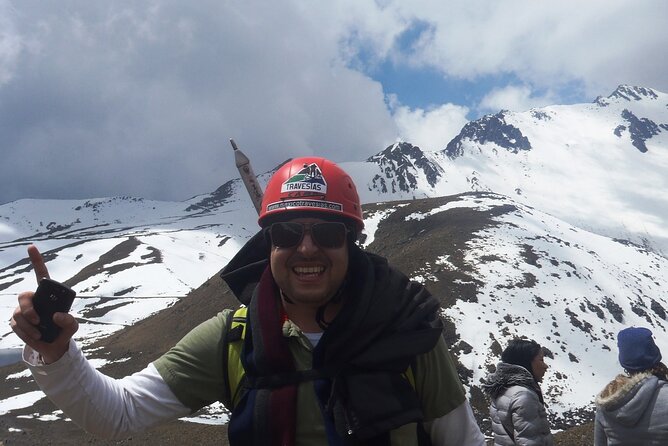
This tour includes a lot of the “don’t forget this or suffer” basics, which is good value for a long day. You’re provided safety equipment, lunch, and round-trip transfers. On the mountain, hikers described receiving items like a helmet, a bag, walking poles, water, snacks, and even Gatorade. There’s also an emphasis on eating carbs and staying fueled—especially because altitude burns energy and dulls appetite at the same time.
Lunch is included, and hikers even noted that vegetarian options were handled when requested. That’s a helpful detail if you don’t eat meat and you don’t want to improvise a meal at a cold mountain restaurant.
What’s not included: alcoholic beverages. That’s not a big deal, but it’s worth planning your own behavior. One guide recommendation echoed by hikers: avoid alcohol the night before and show up ready to climb, not recover.
Now for what you should bring yourself. Based on what hikers were advised and what worked:
- Good hiking boots (running shoes are tempting, but people emphasized proper footwear)
- Layers for cold wind; pack warm items even in fair weather
- Rainproof or waterproof clothing (conditions can change fast)
- Sunscreen and sun protection (altitude sun can sneak up)
- Sunglasses and something for ears/neck if you tend to forget those small things
If you do nothing else: dress for cold and wet, even if Mexico City feels mild the day you leave.
Small group size of 10: the personalized upside and the summit downside
A max group size of 10 travelers is where this tour earns its “value” badge. Smaller groups mean your guide can actually manage pacing, help with scrambling sections, and keep an eye on who’s struggling. That’s also why so many people come away saying the climb felt supported rather than chaotic.
The trade-off is also real: group tours are never a guarantee of a one-size-fits-all summit push. One critical consideration that came through clearly is that different fitness levels can change how far the group goes. Altitude affects people differently, even when everyone starts with similar intentions.
Also, safety rules can limit what the guide can do if someone is struggling. One description explained that the first “summit” stop—sometimes called Campanario—can be reached, but the group won’t be left alone on the mountain for safety reasons. So, if your personal goal is a guaranteed top-to-bottom summit at 4,680m no matter what, you might want a private guide option. If your goal is a great high-altitude experience with a strong chance at the top, this group format can be perfect.
Price and value: what $166.68 buys you in the real world
At $166.68 per person, this tour is not cheap, but it’s also not “you’re paying for a brochure” money. You’re paying for:
- round-trip transportation from Mexico City,
- admission included on the day,
- safety equipment,
- lunch,
- and a small group climbing experience.
The biggest value multiplier is the included mountain support. Poles, helmets, guided pacing, and organized feeding/drinking during the climb mean you’re less likely to have to guess your way through a dangerous-altitude day.
If you were to recreate this independently—transport to the park, guide help, and safety considerations—the cost usually climbs fast. For many travelers, the money makes sense because it buys structure on a day where structure matters.
One note: alcoholic beverages aren’t included, so budget for that if you plan to celebrate afterward.
Weather, wind, and the day’s “physics”: what can change on Nevado de Toluca
You’re heading into an alpine environment where conditions can shift quickly. Hikers described wind, cold, and even snow during some seasons. That’s why the experience is described as requiring good weather. If conditions are poor, you’ll be offered a different date or a full refund.
Even when the weather is “okay,” expect wind and temperature changes while you’re moving and after you stop for views. That’s why layering and waterproofing are not optional on this one. If you dress for comfort at the trailhead but ignore cold once you hit higher sections, you’ll feel it.
Keep your plan flexible. The mountain wins. Your best strategy is to listen, move steadily, and accept that the timeline is shaped by altitude and safety—not your phone clock.
Should you book this Nevado de Toluca climb?
Book it if:
- you’re comfortable with altitude hiking and you want a day that feels like mountaineering,
- you can handle rocky scrambling near the top,
- you want a guided experience with small-group pacing,
- and you’re willing to dress properly for cold wind and possible wet weather.
Skip it or think hard first if:
- you want an easy walk with no technical moments,
- you’re not ready for a long day (including travel time) plus high altitude exertion,
- you’re traveling with kids under 14 (it’s not recommended),
- or you need a guaranteed summit at 4,680m regardless of how your body reacts on the day.
My bottom line: this is a great choice when you want a meaningful, authentic Mexico City escape into a real high-altitude volcano setting. Just go in with respect for altitude, good footwear, and the mindset that the mountain’s pace comes first.
FAQ
How long is the Nevado de Toluca tour?
The tour lasts about 10 to 12 hours total. The main time at Nevado de Toluca is listed as about 8 hours.
What time does the tour start, and where do we meet?
It starts at 7:00 am. The meeting point is Av. Vicente Suárez 38, Colonia Condesa, Cuauhtémoc, 06170 Ciudad de México, CDMX, Mexico, and the tour ends back at the meeting point.
What’s the group size?
This tour has a maximum of 10 travelers, which is why it tends to feel more personalized.
What’s included in the price?
Included: safety equipment, lunch, and private round-trip transportation, plus the admission ticket for the mountain visit. Alcoholic beverages are not included.
Is it suitable for beginners or children?
It’s described as requiring moderate physical fitness and it’s not recommended for children under 14. If you’re new to hiking at altitude or not used to steep, rocky sections, you should consider that before booking.
What should I expect at the summit area?
The climb reaches a highest point of 4680 meters and includes time at lagoons inside the crater. There can be scrambling over rocks near the top, and weather can include cold and wind.