REVIEW · MEXICO CITY
Mexico City: Roma and Condesa Neighborhoods Walking Tour
Book on GetYourGuide →Operated by Pies descalzos · Bookable on GetYourGuide
Roma and Condesa feel like another city. This 3-hour walking tour takes you through Roma and Condesa, two of Mexico City’s most stylish neighborhoods, with plenty of architecture, street art, and places locals actually hang out. I love how the route mixes classic streets with smaller off-the-radar stops, so you’re not just snapping photos—you’re learning what to notice.
Two things I like a lot: the chance to see low-profile art galleries, plus the practical “where to eat and what to order” guidance. One thing to keep in mind: you should expect serious walking—one group reported roughly 6 miles in about 2 hours—so wear comfy shoes and carry water.
You’ll start outside Centro Cultural Bella Época, then move at a human pace for multiple short stops, including Mexico Park and Río de Janeiro Plaza. Guides work in Spanish, English, French, and German, and many are happy to tailor the stroll to your interests (food, design, art, or just neighborhood vibes).
In This Review
- Key highlights to know before you go
- Starting outside Centro Cultural Bella Época: an easy entry point
- The short early stops (10 minutes, then two 15-minute visits): what to look for
- Mexico Park (20 minutes): a pause that makes the neighborhood click
- The longer 30-minute visit: art, design, and the creative side of Roma
- Río de Janeiro Plaza (20 minutes): finishing with street life and atmosphere
- Food guidance you can actually use (without meals included)
- Who this tour suits best (and who should skip it)
- Practical tips that make your 3 hours smoother
- Is $58 worth it? The value angle
- FAQ
- How long is the Roma and Condesa walking tour?
- Where do I meet the guide?
- What’s included in the tour price?
- Are meals or drinks included?
- Does the tour include transportation?
- What languages are the guides available in?
- Should you book this Roma and Condesa walking tour?
Key highlights to know before you go
- Roma + Condesa in one loop: two distinct neighborhoods, connected by a route that keeps your day efficient.
- Architecture lessons on the move: you’ll learn how these areas developed and why the buildings look the way they do.
- Art stops beyond the usual spots: low-profile galleries and creative spaces show up along the way.
- Parks and plazas for a breather: Mexico Park and Río de Janeiro Plaza help you reset mid-walk.
- Design, vinyl, jewelry, and fashion: the tour mixes creativity with shopping you can actually browse.
- Food recommendations without the pressure to eat: guide picks include vegetarian/vegan and “haute cuisine” options, plus snack ideas.
Starting outside Centro Cultural Bella Época: an easy entry point
Meeting outside Centro Cultural Bella Época is a smart choice. It puts you right where the walk can start without wasting time on transit. It also sets expectations: this isn’t a museum tour with one big indoor event. It’s a neighborhood tour, focused on streets, building details, and the everyday culture of Roma and Condesa.
Right away, your guide’s job is to help you “read” what you’re seeing. That matters in Mexico City. These districts can look stylish and similar from a distance, but the differences show up block by block—tree-lined avenues, street layout, how facades are styled, and where people gather for coffee, chatting, and weekend browsing.
This is also where you can get your bearings quickly. Guides like Jorge and David (based on real guide experiences) tend to explain the neighborhood context fast, then use it throughout the walk. If you’re the type who likes understanding before sightseeing, this start is a good fit.
You can also read our reviews of more walking tours in Mexico City


The short early stops (10 minutes, then two 15-minute visits): what to look for
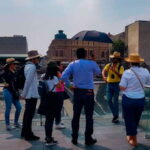
Those early “visit” windows are short on purpose. They’re designed for quick hits: one area at a time, then you move on. In practice, this usually means you’ll get pointed toward the kind of details that make Roma/Condesa worth lingering over—architecture you wouldn’t clock on your own, and creative corners that don’t scream tourist trap.
Here’s what you’ll likely be doing during those stretches:
- Noticing building styles and how the streets were planned
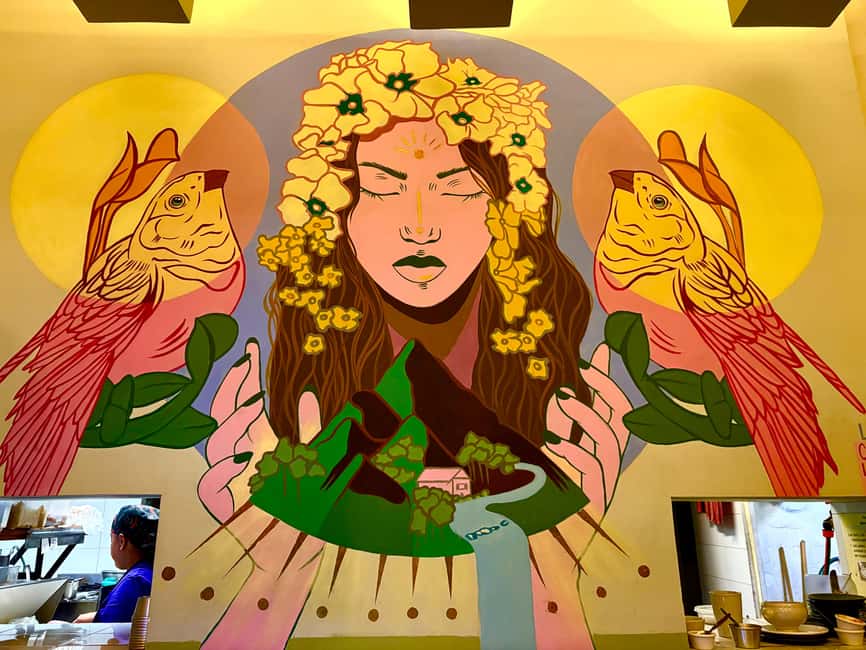
- Spotting street art and small artistic details
- Getting a first set of local recommendations for coffee, casual lunch, and dinner
Your guide may also steer you toward the kind of shops Roma and Condesa are known for: Mexican design stores, Mexican jewelry, bookshops, and even vinyl-related stops. The point isn’t shopping for shopping’s sake. It’s that these businesses are part of the neighborhood’s identity. You’ll get a sense for why people come here on weekends even if they don’t live in the area.
One practical tip: treat these early minutes as orientation. Use them to decide what you care about most. If you’re into architecture, focus on the facades and street rhythm. If food is your priority, listen for the guide’s “go here for X” suggestions. If art is your thing, ask what kind of galleries you’ll see and what to look for inside.
Mexico Park (20 minutes): a pause that makes the neighborhood click
Then you’ll hit Mexico Park for about 20 minutes. Parks sound like a standard add-on, but in Roma and Condesa they function like an anchor. They break up the walking with shade, open space, and a calmer mood—exactly what you want after weaving through shops and streets.
What I like about including a real park stop is that it helps you understand the neighborhood’s daily rhythm. People aren’t only shopping or going out at night. They’re out in public during the day, using these green spaces as meeting points and reset buttons.
During your time here, your guide can point out:
- How nature and street life share the same blocks
- Where locals tend to linger versus where the street scene is more pass-through
- Little environmental and artistic spaces connected to community life
Photo tip: don’t just shoot the park view. Look for framing—tree shadows on sidewalks, colorful building edges in the background, and people at rest. Those shots are usually more “Roma/Condesa” than wide panoramas.
The longer 30-minute visit: art, design, and the creative side of Roma
That 30-minute stop is where the tour often leans hardest into “this is why these neighborhoods are famous.” Roma and Condesa are known for creative culture—art spaces, fashion-forward shops, and niche stores that don’t feel like mega-chains.
In the information you’re given, you’ll see themes like:
- Low-profile art galleries (not the giant headline names)
- Fashion and Mexican jewelry stores
- Vinyl and interior/design stores
- Street art and little creative corners
One useful thing I’d keep in mind: this stop is less about checking a box and more about showing you how locals shop and discover. If you’ve ever visited a city and felt like every shop was either touristy or impossible to navigate, this is the opposite. The guide helps you filter what’s worth your time.
If you’re the kind of person who likes to browse without being rushed, plan for the full time. That’s when you’ll notice details: what the store carries, how it’s presented, and what kinds of artists or designers it supports. For some people, that’s the real souvenir—understanding what the neighborhood values.
Río de Janeiro Plaza (20 minutes): finishing with street life and atmosphere
Closing around Río de Janeiro Plaza for about 20 minutes makes sense. Plazas in Roma/Condesa are social stages. They’re where you can stand, watch the neighborhood move, and connect what you learned earlier to what you see now.
Expect a strong photo finish. But the more useful part is that your guide can connect the dots:
- Where this area shines for daytime strolling
- Where the evening vibe tends to pick up
- What kinds of places are easiest to return to later without getting lost
If you’re going for nightlife energy, this stop helps you calibrate. Some tours in this area are more evening-focused, and you may hear snack and drink suggestions along the way—like churros and classic chocolate drinks, and bar or restaurant recommendations once you know the geography.
For example, one popular snack idea mentioned in real guide experiences is Churrería El Moro for churros and hot chocolate. You shouldn’t assume it’s guaranteed, but it’s the kind of stop your guide can likely recommend in the same spirit: iconic enough to be worth trying, local enough to feel normal.
You can also read our reviews of more city tours in Mexico City



Food guidance you can actually use (without meals included)
Meals and beverages aren’t included, which is good news if you like control. You’re paying for orientation and recommendations, not for a fixed restaurant meal you might not want.
In practice, you’ll get:
- Recommendations for vegetarian and vegan options
- Advice for more “haute cuisine” picks when you want to dress up your evening
- Street-level food ideas for mornings and late afternoons
- A sense of where the neighborhood’s food scene fits into the day
One of the best parts of having a guide is that food suggestions stop being random. Instead of asking Google what’s nearby, you’re asking someone who knows what the neighborhood culture supports.
Real examples from guide experiences include suggestions like pastor tacos and dessert stops such as ice cream. In one case, a guide even steered someone toward an adventurous dish like grasshopper as a cultural food curiosity—so if you like trying unusual things, ask your guide what’s appropriate and where to do it.
My practical advice: if you have dietary needs, say them early. The tour info already signals vegetarian/vegan coverage, but you’ll get better results when your guide knows your constraints from minute one.
Who this tour suits best (and who should skip it)
This is a great fit if you want:
- A fast, walkable way to learn Roma and Condesa
- Architecture and neighborhood history explained in plain language
- Time in parks plus time for creative stops
- Solid guidance on where to eat, drink, and browse design shops
It’s especially good for first-timers who feel overwhelmed by Mexico City’s size. A 3-hour structured walk helps you understand the “shape” of two neighborhoods that are easy to love and hard to navigate alone.
Who might want to skip it?
- If you hate walking or you’re worried about long distances on foot, be cautious. The reported walking distance suggests it’s more than a gentle stroll.
- If you only want major museum stops, this won’t replace that. This is streets and culture, not big-ticket indoor attractions.
Practical tips that make your 3 hours smoother
A few small things will improve the experience a lot:
- Wear comfortable walking shoes. The pace can add up quickly.
- Bring a reusable water bottle, especially if the weather is warm.
- Bring a camera, since you’re covering architecture, street art, and parks with lots of photo angles.
- Dress for changing conditions. The tour notes varying weather, so layers help.
If your goal is maximum value, treat the tour as research for the rest of your trip. Ask your guide where they’d go for:
- A morning coffee and something freshly baked
- A casual lunch (including vegetarian/vegan)
- A lively dinner start or late-night snack
Then, after the tour, you can turn those names into plans.
Is $58 worth it? The value angle
For $58 per person and about 3 hours, the “value” here isn’t a single ticketed attraction. It’s what a good local guide compresses into one walk: route knowledge, context for architecture and neighborhood culture, and a map of what’s worth your time (markets, parks, galleries, design shops, and food picks).
You’re also getting language coverage (Spanish, English, French, German), plus a wheelchair-accessible route. When a tour is built around multiple small stops, that guidance can save you from wasting time on dead ends.
If you already know exactly which cafes and galleries you want, you might not need a guide. But if you want your trip to feel organized from day one, this price makes sense.
FAQ
How long is the Roma and Condesa walking tour?
It lasts 3 hours.
Where do I meet the guide?
You meet outside Centro Cultural Bella Época.
What’s included in the tour price?
You get a guided tour and chances to explore architecture, restaurants, cafes, bookstores, art/fashion/jewelry stores, markets and parks, plus recommendations for vegetarian, vegan, and higher-end food options.
Are meals or drinks included?
No. Meals and beverages are not included.
Does the tour include transportation?
No. Transportation to and from the neighborhoods isn’t included.
What languages are the guides available in?
Guides are available in Spanish, English, French, and German.
Should you book this Roma and Condesa walking tour?
If you want a smart orientation to two of Mexico City’s trendiest neighborhoods—without spending your day planning—book it. I’d especially recommend it if you care about architecture, art galleries, and getting real food and shopping recommendations that fit the neighborhood’s vibe.
If you’d rather only do big-ticket attractions or you’re not up for a longer walking pace, you may prefer a lighter option. But for most people, Roma and Condesa become much easier to enjoy right after this kind of guided loop.