REVIEW · MEXICO CITY
Mexico City: National Museum of Anthropology Private Tour
Book on GetYourGuide →Operated by Rosotravel Mexico City · Bookable on GetYourGuide
Mexico City history, fast and personal. This private National Museum of Anthropology tour is a smart way to see the museum’s biggest hits without getting lost in the sheer size, thanks to fast-track tickets and a 5-star licensed guide in your language. I especially like how the guide helps you focus on key objects like the Aztec Calendar Stone, rather than sending you wandering room to room. One heads-up: even with fast track, you may still face a short wait at security, so timing can be a little tighter than you expect.
You’ll meet your guide at Museo Tamayo in Polanco, then walk in together and use your two hours to make sense of Mexico’s ancient civilizations—Mexica (Aztec), Maya, Olmec, and more—through standout rooms and objects. The tour is a walking experience, so bring comfortable shoes and plan for sun or rain.
In This Review
- Key things that make this tour worth your time
- Why a Private Route Beats Museum Chaos
- Getting There: Museo Tamayo Meet Point and Fast-Track Entry
- Starting Off Strong: Entering the Museum With a Plan
- Mexica Room: The Aztec Calendar Stone in Human Terms
- Tláloc and the Museum’s Water Story
- Mayan Stelae: Learning to Read Carved History
- Olmec Jade Masks and the Craftsmen Behind the Art
- The Courtyard Reset: El Paraguas and Museum Architecture
- Price and Value for a 2-Hour Private Visit
- What You’ll Actually Do During the Tour
- Group Size and Comfort: Small, Flexible, and Walk-Based
- Who This Tour Suits Best
- Should You Book This Tour?
- FAQ
- Where is the meeting point?
- What time do we start, and how long is the tour?
- Are fast-track tickets included?
- What will we see during the tour?
- Is this tour private?
- What languages are available?
- What’s included, and what’s not?
- Can pickup and drop-off be arranged?
Key things that make this tour worth your time
- Fast-track entry gets you past the ticket office for the permanent collection
- A licensed, language-specific guide helps you read symbols and context fast
- The Aztec Calendar Stone is treated as more than a photo stop
- Maya, Olmec, and Toltec highlights fit into a tight, focused route
- El Paraguas courtyard architecture adds another layer beyond the galleries
- Small private group format means you can ask questions without shouting
Why a Private Route Beats Museum Chaos
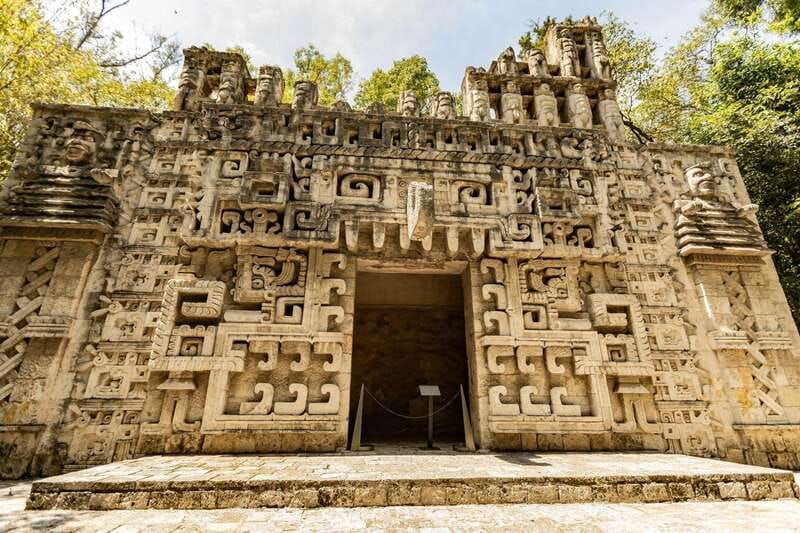
The National Museum of Anthropology is famous for a reason. It’s huge, packed with major works, and easy to feel like you’re just collecting images instead of understanding what you’re looking at.
This private format fixes that problem. In two hours, you’re not trying to “cover everything.” You’re guided through the museum’s most important stories—why these civilizations built what they built, what symbols meant, and how objects connect across time. The best part is the pacing: you spend time with the pieces that answer big questions, not the ones that just look impressive.
And because it’s private, you can steer the conversation. If you’re more interested in art, you can linger on carving styles and materials. If you’re more interested in beliefs and history, you can ask about calendars, gods, rulers, and daily life.
You can also read our reviews of more city tours in Mexico City


Getting There: Museo Tamayo Meet Point and Fast-Track Entry
Your meeting point is straightforward: in front of Museo Tamayo Arte Contemporáneo on Av. P.º de la Reforma 51, in Polanco (Bosque de Chapultepec I Secc). If you choose pickup, you can also get pickup and drop-off at your accommodation.
From there, you walk over to the museum and move into the entry flow with fast-track tickets. The key detail: fast track mainly helps you bypass the ticket office. Even so, Mexico City’s museum days can be busy, and you might still have to queue briefly for security and entry.
This is where a guide matters. If you’ve ever done a big museum with no plan, you know the frustration: you lose your best thinking time stuck in lines. Here, the goal is to get you inside efficiently enough that the two-hour experience actually feels like two hours.
Practical tip: wear comfortable shoes and keep water handy. The tour is outdoors-to-indoors walking, and the museum walkways aren’t short.
Starting Off Strong: Entering the Museum With a Plan
Once you’re in, your guide doesn’t waste time asking you to pick a direction. You get a clear starting point and a sequence that builds understanding.
You’ll also be focused on the permanent collection, not special exhibits. That matters because the permanent collection is where the museum’s signature masterpieces live, and the guide’s route is designed around those objects.
Another subtle advantage: the guide gives you context before you’re looking too long at individual pieces. That prevents the common museum effect where you end up remembering only what you saw, not what it meant.
Mexica Room: The Aztec Calendar Stone in Human Terms

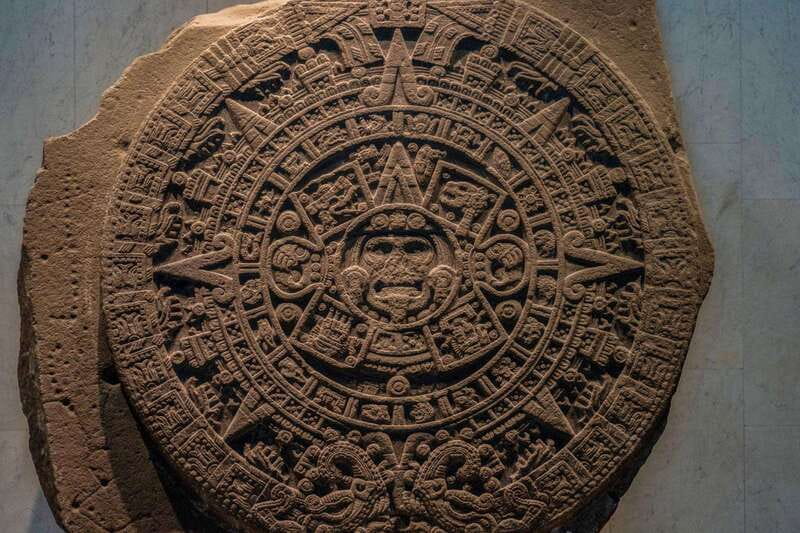
The star object everyone wants to see is the Aztec Sun Stone, also known as the Aztec Calendar Stone. You’ll start at the Mexica Room, where the stone becomes more than a dramatic centerpiece.
What makes this stop valuable is the way the guide frames it. Instead of treating it like a single sculpture, you learn how it connects timekeeping, ritual, and cosmic ideas. The stone’s carving is dense, and without guidance it’s easy to feel like you’re staring at decorative chaos.
With a licensed guide, you get a reading strategy—what to look for first, what symbols likely referred to, and how the artwork fits into Mexica beliefs. This turns that iconic object into a story you can actually follow, which is exactly why this tour is worth doing in a private format.
And yes, it’s still a photo moment. But the goal is that your photos come with understanding.
Tláloc and the Museum’s Water Story
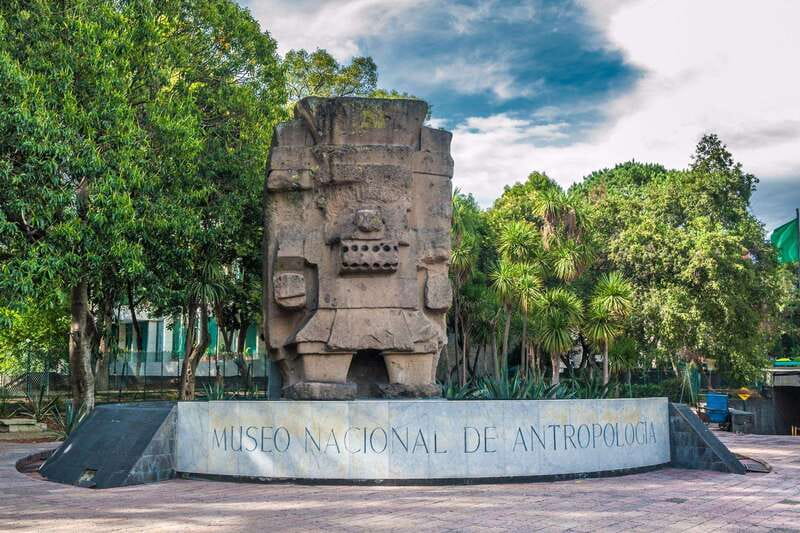
Next, you’ll move through exhibits that highlight major themes across Mesoamerican cultures. One standout you’ll see is the Tláloc monolith—a haunting, powerful presence that links art to the most practical human need: water.
Water in Mesoamerica isn’t just a utility. It’s tied to gods, weather cycles, agriculture, and survival. When you stand in front of the monolith, it’s hard not to feel the weight of that connection. But that feeling becomes knowledge when your guide explains how the object fits into belief systems and why it would have mattered in the life of a city.
This is also a good moment to slow down and ask questions. If you’re the type who wants to understand why a god or symbol looks the way it does, this is where your guide can make those details click.
You can also read our reviews of more private tours in Mexico City





Mayan Stelae: Learning to Read Carved History
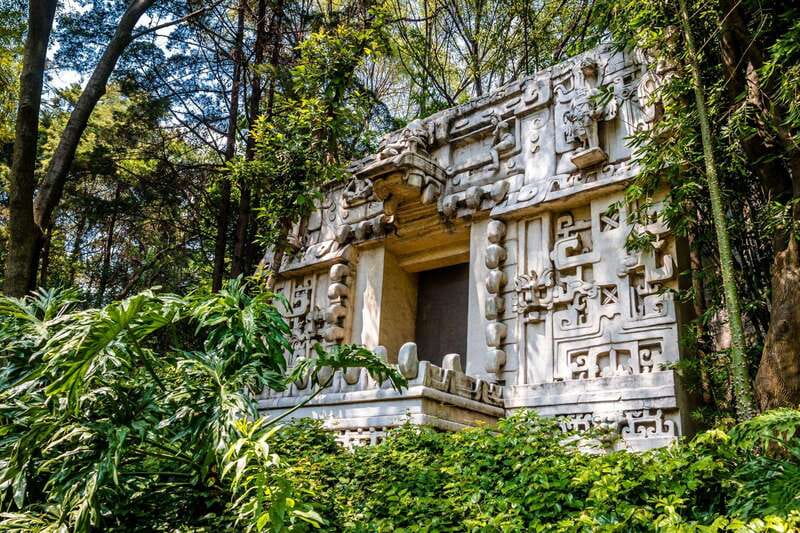
The Maya section is where many people realize the museum is doing something more than displaying art. Maya monuments—especially Mayan stelae—function like political documents. They mark rulership, important events, and identity.
In this tour, you’ll be led through exhibits that show Maya achievements and visual language. The guide helps you make sense of what you’re seeing: how carvings connect to stories, and why certain themes repeat across works.
A big benefit here is context. Without it, stelae can feel like tall stone tablets with too many details. With it, you start noticing the structure—symbols, figures, and the way the Maya communicated power and meaning.
If you’re traveling with kids or teens, this is also a great stop to ask for a quick explanation. The guide can usually turn complex content into something you can hold in your head without dumbing it down.
Olmec Jade Masks and the Craftsmen Behind the Art
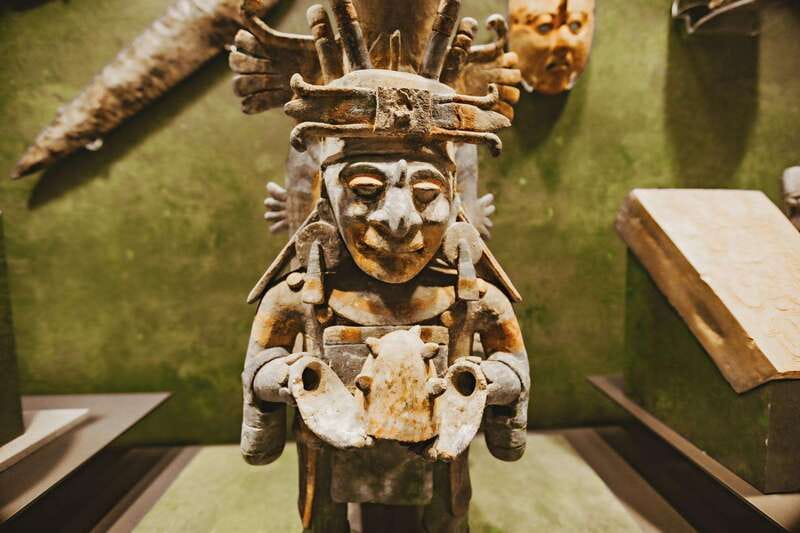
You’ll also see Olmec jade masks, which are striking for both artistry and material. Jade isn’t just pretty. In many ancient cultures, it carried status and meaning, so the choice of stone signals something about value and belief.
This is a strong moment for anyone who likes craft. The guide can point out how the mask design communicates style and intention, and how the museum’s organization helps you compare cultures without flattening differences.
Even if you don’t leave with a full encyclopedia in your head, you’ll leave with a better sense of what people cared about—beauty, authority, ritual, and how materials made messages more powerful.
The Courtyard Reset: El Paraguas and Museum Architecture

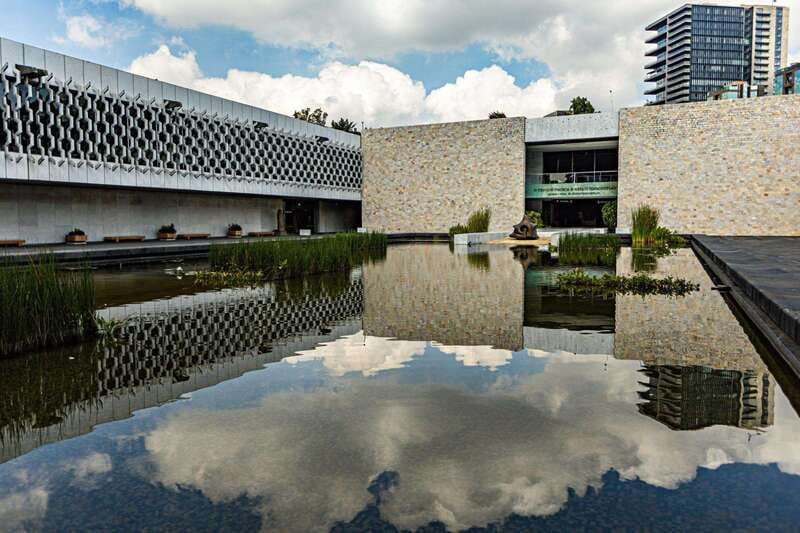
Don’t skip the museum’s architecture. This tour gives you time to notice the central courtyard designed by Pedro Ramírez Vázquez, including the fountain known as El Paraguas—a wide, single-columned fountain that pours water down from above.
This stop matters because it’s not separate from the collection. The museum’s design shapes how you move and how you experience scale. It also reminds you that the building is part of the encounter: a modern structure holding ancient civilizations in a single space.
When you stand in the courtyard, you get a break from the gallery intensity. It’s a chance to reset your attention, then re-enter exhibits with a clearer mind.
Price and Value for a 2-Hour Private Visit
At $120 per person for a 2-hour private tour, this isn’t a budget choice. For many people, the value question comes down to two things: what you get for the money, and how much you hate wasting time in lines.
Here’s what you’re buying:
- Private time with a licensed guide (so you don’t lose your focus in a giant museum)
- Fast-track tickets that reduce ticket-office friction
- A focused route that prioritizes major works like the Aztec Sun Stone, Tláloc, Maya stelae, and Olmec jade masks
- The chance to tailor questions, rather than follow a rigid group script
If you’re solo, two hours can feel short for the price. If you’re in a small group, the cost often feels more reasonable because you’re sharing the guide’s attention and building a stronger experience for everyone involved.
My honest take: this is good value if you want understanding, not just a checklist. If you’re the kind of person who enjoys wandering on your own with a museum app and a lot of patience, you may not need a guide. But if you want the museum to make sense quickly, this format earns its cost.
What You’ll Actually Do During the Tour
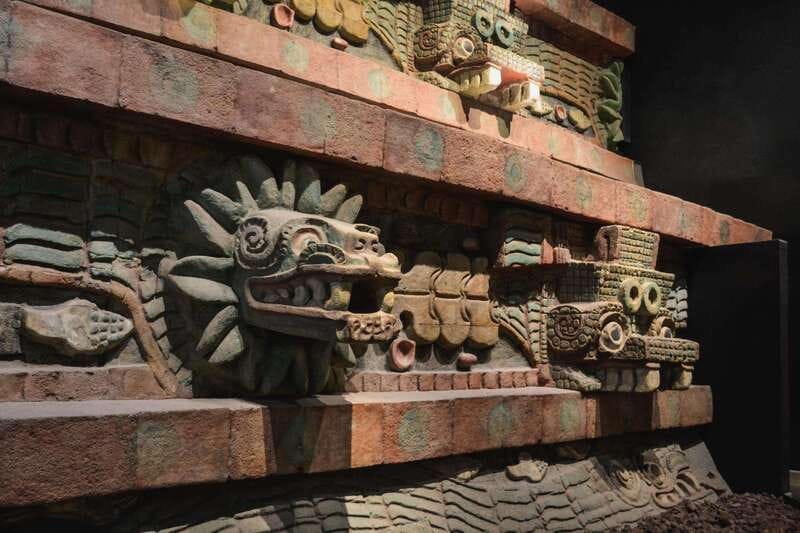
The flow is simple and purposeful:
- Meet at Museo Tamayo and walk to the museum
- Enter with fast-track access to the permanent collection
- Start in the Mexica Room with the Aztec Calendar Stone
- Continue through major exhibits that include the Tláloc monolith
- Move into Maya-focused displays that feature Mayan stelae
- See key crafted works like Olmec jade masks
- Finish with time to appreciate the El Paraguas courtyard and the museum’s architecture
Because it’s private, your guide can adjust the order slightly depending on your language and interests, as long as you hit the museum’s anchor objects.
Also, this tour is offered in English, Spanish, German, Italian, and French. That language match matters more than people think. When you’re learning symbols and context, small wording differences can change how well you understand the object.
Group Size and Comfort: Small, Flexible, and Walk-Based
The tour limits group size to 1–25 guests per guide. For larger groups, Rosotravel arranges additional guides, with a higher price.
In practical terms, that means most people experience it as a calm, controlled walk-through rather than a herd. You should still expect some standing time in galleries and some walking between rooms.
The tour is described as walking-based, with the guidance continuing regardless of weather, so dress for real Mexico City conditions. Comfortable shoes aren’t optional. You’ll be on your feet enough that blister-level pain would ruin the whole point.
Who This Tour Suits Best
This tour fits you if:
- You want to see the museum’s major masterpieces without getting overwhelmed
- You like asking questions and getting explanations in plain language
- You care about context—beliefs, symbolism, and why objects were made
- You prefer a smaller, private structure over large group pacing
It might be less ideal if:
- You want a full museum day at your own pace
- You’re fine with reading everything slowly on your own
- You’re sensitive to any walking and standing (it is a walking tour)
If you’re visiting Mexico City for the first time, this is also a great foundation tour. It helps you connect what you see later—churches, neighborhoods, modern culture—with the ancient civilizations that shaped the region.
Should You Book This Tour?
I’d book this if your goal is to leave the National Museum of Anthropology with real understanding of what you saw—especially if you’re short on time. The combination of fast-track entry, a licensed guide in your language, and a tight route centered on headline masterpieces makes the $120 feel more like an education than a ticket.
I’d skip it only if you’re happy exploring at random and you don’t mind spending extra time trying to choose what matters. If you want the museum to feel logical instead of chaotic, this private, two-hour format is one of the more efficient ways to do it in Mexico City.
FAQ
Where is the meeting point?
You meet your guide in front of Museo Tamayo Arte Contemporáneo, Av. P.º de la Reforma 51, Polanco (Bosque de Chapultepec I Secc, Miguel Hidalgo, 11580 Ciudad de México, CDMX, Mexico).
What time do we start, and how long is the tour?
The tour lasts 2 hours. Starting times depend on availability.
Are fast-track tickets included?
Yes. Fast-track tickets are included to help you bypass the ticket office. You may still queue briefly for security and entry due to high visitor numbers.
What will we see during the tour?
The highlights include the Aztec Sun Stone/Calendar Stone in the Mexica Room, Mayan stelae, Olmec jade masks, the Tláloc monolith, and time to appreciate the museum’s architecture and the El Paraguas courtyard fountain.
Is this tour private?
Yes. It’s a private group experience.
What languages are available?
Live guides are available in English, Spanish, German, Italian, and French.
What’s included, and what’s not?
Included: the private tour, a 5-star licensed guide fluent in your chosen language, fast-track tickets, interesting facts and anecdotes, and insider tips. Not included: food and drinks.
Can pickup and drop-off be arranged?
Pickup is optional. Pickup & drop-off at your accommodation is available.