REVIEW · MEXICO CITY
Mexico City: Inbursa Aquarium optional Round trip transfer
Book on GetYourGuide →Operated by MEXITOURS · Bookable on GetYourGuide
A city aquarium should not feel like a submarine ride. At Inbursa Aquarium, you descend via a submarine elevator into a true underground space packed with over 5,000 animals from Latin America’s only underground aquarium. A guided layout helps you hit the highlights, plus there’s a conservation story woven in with the Blau Life Conservation Center.
I especially love the bottom-floor scenes—there’s a sunken ship and realistic wave-style simulations that make the place more than just exhibits. And you’ll get guided context on how biologists and veterinarians work through conservation, not only how fish look. One thing to watch: if you choose the optional round-trip van, the schedule can feel tighter than the full three hours once you factor in pickup timing and how the guided portion is paced inside.
In This Review
- Key things to know before you go
- Why Inbursa Aquarium in Mexico City feels different
- The 3-hour flow: meeting point to guided visit
- Bottom level: sunken ship and wave-style simulations
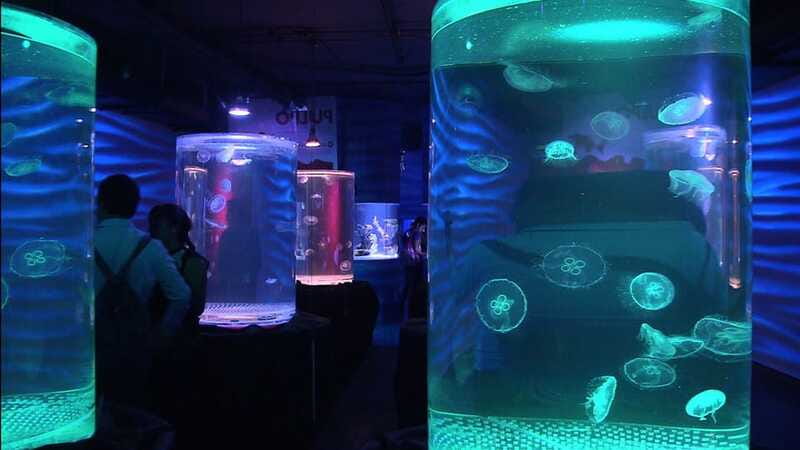
- Upper floors: jellyfish, sharks, turtles, and friends
- The Blau Life Conservation Center: what you actually learn
- Photos, shopping, and how to avoid time stress
- Price and Logistics: does $48 make sense?
- Who this works for (and who should reconsider)
- What to bring for a comfortable visit
- Should you book the Inbursa Aquarium tour with round-trip transfer?
- FAQ
- How long is the Inbursa Aquarium experience?
- Is round-trip van transportation included?
- Where is the meeting point for the optional transfer?
- Can I skip the ticket line?
- What can I see inside the aquarium?
- Is food or drinks included?
- What should I bring?
- Is this tour wheelchair accessible?
- Are pets or large bags allowed?
Key things to know before you go
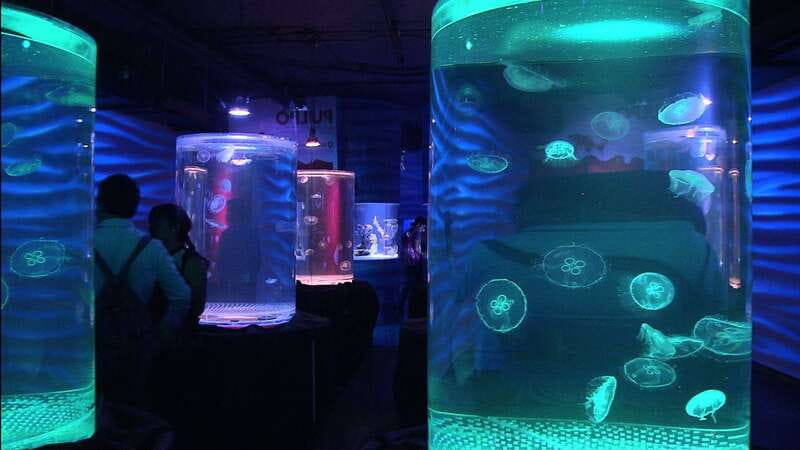
- Latin America’s only underground aquarium: the setting is the whole mood.
- Submarine-elevator descent + sunken ship: a dramatic start you won’t forget.
- 48 exhibitions over 3 floors: lots to see, but you still need to manage your time.
- Blau Life Conservation Center focus: you learn about research and care, not just viewing.
- Conservation-themed environmental simulations: wave, storm, and ocean-change ideas you can connect to real life.
- Optional round-trip van transfer from Monumento a la Revolución area: convenient, but confirm the timing.
Why Inbursa Aquarium in Mexico City feels different
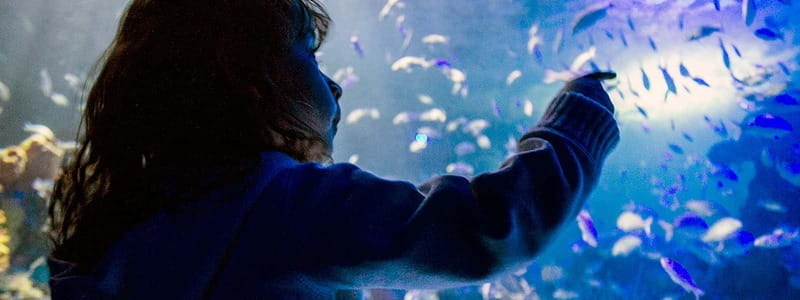
Most aquariums feel like one long hallway of tanks. Inbursa Aquarium is different because the building itself acts like a show. You enter the aquarium experience and then go down to the bottom level through a submarine elevator, which instantly changes the atmosphere—cooler, darker, and more immersive in a practical way (less glare, more focus on the water scenes).
Then there’s the animal count. You’re walking through an underwater world with over 5,000 animals across more than 230 species. Even if you’re not a hardcore marine person, that scale helps you avoid the usual “we saw a few fish and left” feeling. You’ll keep finding new tanks, new textures, and species you don’t see every day.
And the tour doesn’t only stop at what’s in the water. The guide links what you’re seeing to conservation work, including efforts connected to the Blau Life Conservation Center and the research/medical roles of biologists and veterinarians. That matters because it turns the visit into something you can talk about later, beyond the wow photos.
You can also read our reviews of more city tours in Mexico City


The 3-hour flow: meeting point to guided visit
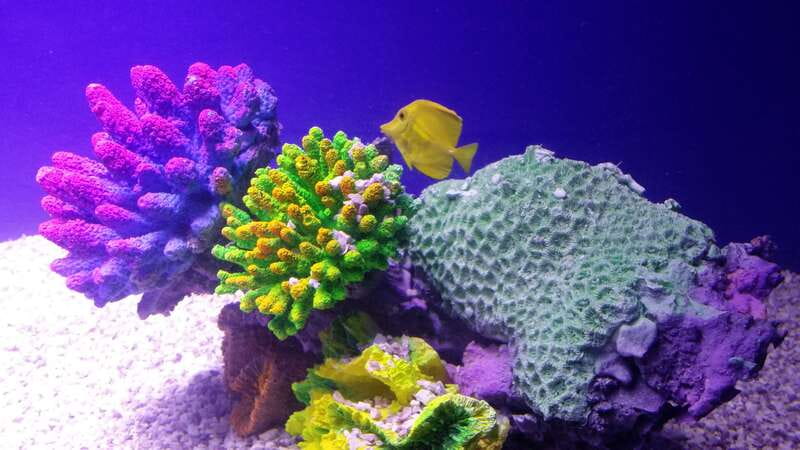
If you pick the optional transportation, you’ll meet near Monumento a la Revolución, behind the Barceló Hotel, and you’ll spot the guide with the Mexitours logo and vans. The van ride is listed at about 20 minutes each way, which is helpful in Mexico City traffic reality.
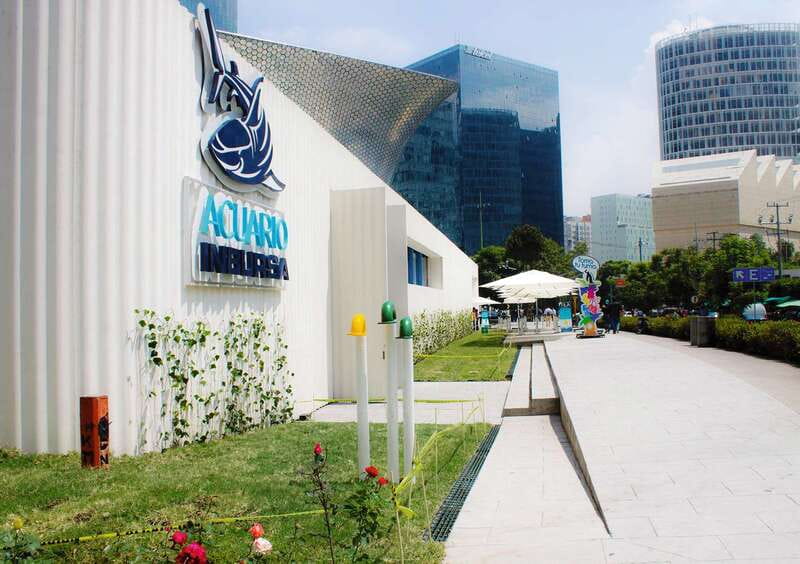
You’ll then arrive at Acuario Inbursa and start your visit. Access is capacity-limited, so depending on the season you might still face some waiting inside—but the experience includes skip-the-ticket-line entry, so you’re not stuck at the main ticket counter.
Once you’re inside, the pacing generally follows a clear rhythm:
- You descend into the underground museum area first.
- You move through the bottom-floor “science and spectacle” section.
- Then you go up to the upper levels for the more familiar aquarium viewing.
- At the end, there’s time to browse the on-site shopping area, grab a quick outdoor photo, and head back to the city if you selected the return van.
That structure is good for families and mixed groups because you’re not wandering in circles. Still, you’ll want to keep an eye on timing—your time inside can vary based on crowd levels and how the guided portion runs.
Bottom level: sunken ship and wave-style simulations
The best first impression happens after the submarine elevator ride. The bottom area is where the aquarium leans into storytelling. You’ll see a sunken ship scene and learn about waves and storms—ideas like how tsunamis and severe ocean conditions work conceptually, presented through environmental simulations.
This is one of the most valuable parts for first-timers because it changes how you look at the tanks above. When you understand the “why” behind the ocean forces being simulated, the animals stop being just specimens and start feeling like characters in a bigger system.
It’s also a great attention-holder for kids and teens. It’s visually dramatic, and it provides a break from the constant tank-scanning. If you’re taking photos, this section is the one where you’ll usually get the most cinematic shots—just be ready to stand close to other visitors in the busy moments.
Upper floors: jellyfish, sharks, turtles, and friends
After the bottom-floor scenes, you ascend and the aquarium turns into the classic “look at everything” phase. This is where you’ll see a long list of highlights that Anchor the visit:
- jellyfish
- clownfish
- sharks
- piranhas
- seahorses (listed among the highlights)
- penguins
- turtles
- crocodiles
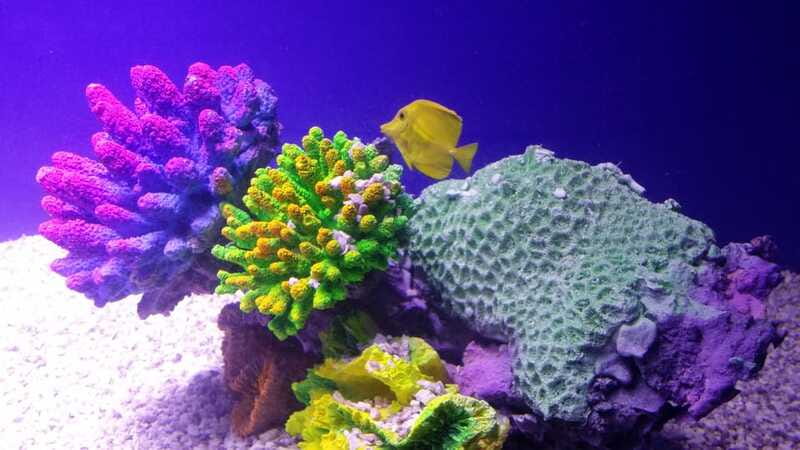
- corals
You may notice the mix of creatures includes both the expected (sharks, turtles, jellyfish) and some curveballs (penguins and crocodiles are not what most people picture first when they hear aquarium). That variety is part of the value: you don’t walk away thinking you saw only one theme.
Also, the guided approach helps. A good guide can point out behavior cues—how animals position themselves, how different tanks are set up, and what conservation relevance connects to the species. The info about environmental simulations and conservation work by biologists and veterinarians gives the exhibits an order, which makes the sheer number of animals easier to absorb.
The Blau Life Conservation Center: what you actually learn
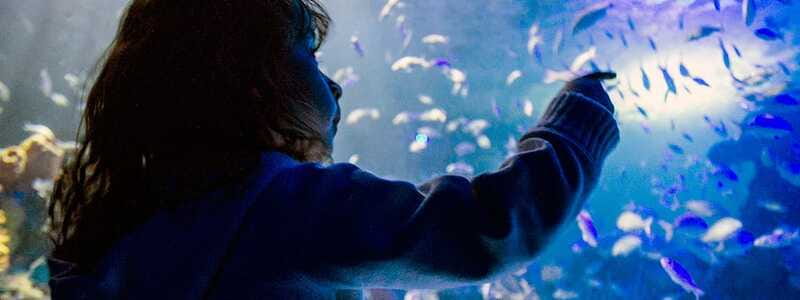
A lot of aquarium visits stop at biology in name only. Here, you get the conservation angle explained as part of the tour. The guide shares details tied to the Blau Life Conservation Center, including key conservation efforts and how specialized staff contribute to research and animal care.
That matters because conservation work is often invisible. You don’t see it in the tank. You learn it through explanation: how experts study animals, how veterinary teams support animal health, and how conservation initiatives connect to real-world oceans.
Even if you don’t catch every detail, you’ll leave with a clearer sense of what the place is trying to do. You’re not just paying to look; you’re visiting a facility that ties exhibits to conservation goals.
You can also read our reviews of more tours and experiences in Mexico City
Photos, shopping, and how to avoid time stress
Near the end, you’ll have a chance to browse the aquarium’s shopping center. It’s mostly there for educational materials and souvenir options, and it’s a convenient final stop if you want a gift that feels more connected to what you saw inside.
There’s also a photo moment outside the museum. That’s simple, but it’s worth doing quickly so you don’t hold up your own group when you’re ready to head back.
About photos: the experience includes a photo element you can purchase. If you’re the type who hates last-minute costs, keep your eyes open before you assume every picture is included.
Time inside can also feel a little “guidance-first” rather than “wander as long as you want.” One practical approach: decide in advance which species you care about most (for example, jellyfish and sharks) and treat everything else as bonuses. The aquarium is large enough that trying to photograph everything usually turns into rushing at the end.
Price and Logistics: does $48 make sense?
At $48 per person for a roughly 3-hour experience, the value depends on one question: do you want a smooth, scheduled route, or would you rather go on your own?
Here’s what you’re paying for, in plain terms:
- Entrance to Inbursa Aquarium
- Optional round-trip van transportation if you select it
- Skip-the-ticket-line entry
- A guided structure that helps you move through multiple floors and exhibits
If you’re short on time or you don’t want to deal with Mexico City navigation, the transport option can be worth it even if you don’t expect to spend all your time in one exact schedule. It removes a big planning headache: finding the aquarium area, getting there, and getting back without juggling rideshare timing.
But there is a common travel reality to factor in: guided experiences often run on a group timetable, not your personal pace. If you choose the round-trip van, plan to be ready when the driver needs to move on. In other words, don’t assume your whole block of three hours is guaranteed as flexible free time inside the exhibits. The aquarium’s own pacing may finish earlier, and the van may be waiting on a tight schedule.
One more logistics point: starting points can vary. The data includes both the Monumento a la Revolución area (for meeting with the Mexitours guide) and Av. de la República 154, Acuario Inbursa as a location option. If you’re already near the aquarium, that flexibility can make your day easier.
Who this works for (and who should reconsider)
This is a strong fit for:
- Families who want guided structure and visually engaging aquarium scenes
- Couples who like a mix of animals plus a conservation angle
- Friends groups who want a convenient ride and a clear plan for a short visit
It’s less ideal if:
- You rely on wheelchair access or mobility accommodations. The experience is listed as not suitable for people with mobility impairments and wheelchair users.
- You travel with large bags or want to bring pets. Pets and oversize luggage aren’t allowed, and big items can complicate entry.
Also, if you’re extremely sensitive to crowds, note the capacity limits. Even with skip-the-line entry, you might still stand in line depending on season. Showing up with your ticket ready is the simplest way to keep it smooth.
What to bring for a comfortable visit
This is an indoor aquarium, but you still need to prepare like it’s part of your Mexico City day:
- Bring passport or ID card
- Wear comfortable shoes (you’ll be walking and moving between floors)
- Pack sunglasses, sunscreen, and a sun hat for your time outdoors around pickup and return
- Bring comfortable clothes you can move in
A practical tip: bring a small bag that fits easily with restrictions. If you show up with oversized luggage, you can lose time at the entrance.
Should you book the Inbursa Aquarium tour with round-trip transfer?
If you want a guided aquarium visit with a high wow factor and you prefer not to stress over getting there and back, I’d book it. The underground setting, the submarine elevator entrance, and the sunken ship plus wave-style simulations are exactly the kind of experience that feels better when someone helps you follow the route.
If you’re confident navigating Mexico City on your own and you prefer maximum free time inside, going independently might let you stretch your visit. The transport option is convenient, but it can come with less flexibility than you’d expect once the van schedule is in play.
My decision rule for you:
- Choose the tour with transfer if convenience and a guided flow matter.
- Consider going without the transfer if you’re happy planning your own ride timing and want to linger longer at specific exhibits.
FAQ
How long is the Inbursa Aquarium experience?
The duration is listed as 3 hours.
Is round-trip van transportation included?
Entrance is included, and van transportation is included only if you select the transportation option.
Where is the meeting point for the optional transfer?
The meeting point is next to Monumento a la Revolución, behind the Barceló Hotel.
Can I skip the ticket line?
Yes, skip-the-ticket-line entry is included.
What can I see inside the aquarium?
You can see animals including jellyfish, clownfish, sharks, piranhas, penguins, turtles, crocodiles, corals, plus seahorses and other species depending on the exhibits.
Is food or drinks included?
No, food and drinks are not included.
What should I bring?
Bring a passport or ID card, comfortable shoes, sunglasses, a sun hat, sunscreen, and comfortable clothes.
Is this tour wheelchair accessible?
No. The experience is listed as not suitable for wheelchair users and people with mobility impairments.
Are pets or large bags allowed?
Pets are not allowed. Oversize luggage and large bags are also not allowed.