REVIEW · MEXICO CITY
Mexico City: Hop-on Hop-off Bus Tour
Book on GetYourGuide →Operated by JULIA TRAVEL · Bookable on GetYourGuide
Four routes, one easy day in the city. Turibus hop-on hop-off lets you sample pre-Hispanic, colonial, and modern Mexico City at your own pace, with digital audio that helps you make sense of each stop.
I love the freedom to ride all four routes using one bracelet and hop on and off as many times as you want. I also love the multilingual digital audio system (with a kids channel) that lets you learn without interrupting your day. One real drawback to plan for: the buses are open-top and do not have restrooms, and traffic can stretch out timing.
In This Review
- Key highlights worth caring about
- Why this bus works for 1–2 days in Mexico City
- Price and value: what $21 buys you (and what it doesn’t)
- Routes and schedules: how to choose your day plan
- Historic Downtown Route (daily, frequent)
- Polanco Route (daily departures from Auditorio)
- South Route (daily, good coverage for Coyoacán and UNAM)
- Basilica Route (daily departures from Zócalo)
- Historic Downtown Route: Zócalo, Reforma, and the museums you can pair later
- A small drawback to watch for
- Polanco Route: shopping, modern architecture, and quick museum hops
- When Polanco is the smartest move
- South and Coyoacán Route: markets, UNAM energy, and Frida Kahlo logistics
- How to avoid Frida Kahlo day getting swallowed by traffic
- Basilica Route: Guadalupe plus the classic stop sequence from Zócalo
- Audio guide reality: bring earphones, manage sound, and don’t sit near speakers
- What I recommend you do
- Getting around smoothly: stops, transfers, and traffic timing
- Open-top comfort: sun, heat, and no-restroom planning
- Who should book this Turibus bus, and who should skip it
- You’ll probably love it if you:
- You might want a different plan if you:
- Should you book? My honest take
- FAQ
- How long is the ticket valid?
- Do I have to start at one specific meeting point?
- Are bathrooms available on the bus?
- What routes are available?
- What languages are included with the audio guide?
- Is the tour wheelchair accessible and can young children ride?
Key highlights worth caring about
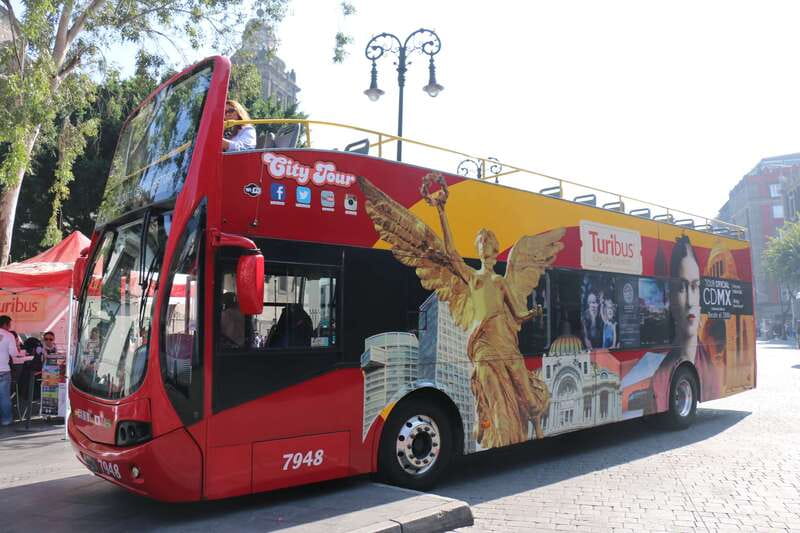
- Four routes on one ticket: Historic Downtown, Polanco, South/Coyoacán, and Basilica
- Audio guide in many languages: English plus German, French, Italian, Chinese, Japanese, Portuguese, Russian, and Spanish
- Stands in for several taxi rides: You pay once, then use the bus like transport between areas
- Transfer-friendly stops: You can link between circuits as you move around the city
- Hot, loud, and bright reality: Open-air rides and sound levels can be tricky at times
Why this bus works for 1–2 days in Mexico City
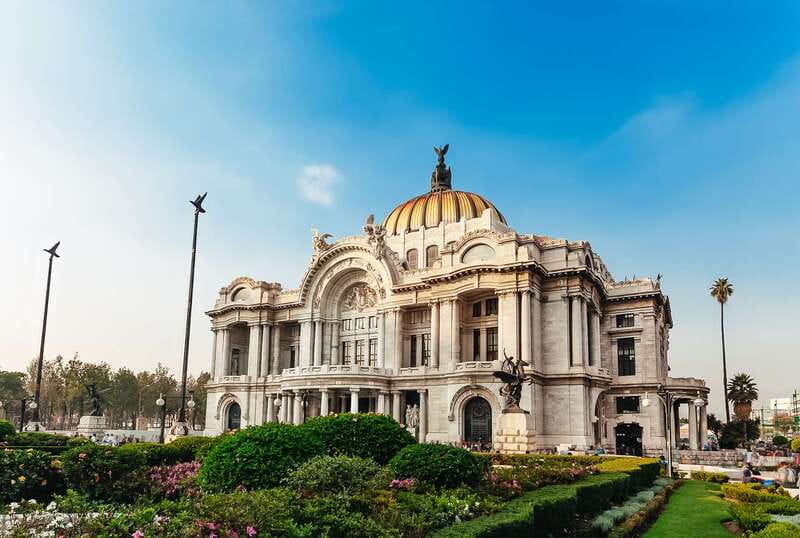
Mexico City is big. Like, wow-big. And it’s also chaotic in the best way—streets, traffic, neighborhoods, and history all mixed together. A hop-on hop-off loop is one of the easiest ways to tame the scale. With Turibus, you’re not locked into one fixed itinerary. You can start where you want, get off to explore, then continue later when you feel ready.
What makes it practical is the way the city gets broken into zones. Historic Downtown covers the classic core. Polanco is for modern architecture and shopping. The South route focuses on Coyoacán-style neighborhoods and the UNAM area. The Basilica route zeros in on Garibaldi and Guadalupe. You can mix them across one day or spread them across two.
The value part is simple: at $21 per person for a 1–2 day ticket, you’re buying both narration and transportation. If you’ve already been pricing taxis or ride-shares, this becomes an easy math problem—especially if you plan to do more than one or two areas in a day.
You can also read our reviews of more city tours in Mexico City


Price and value: what $21 buys you (and what it doesn’t)

For $21, you’re not paying for a guided walking tour with a private guide. You’re paying for:
- A 1-day or 2-day hop-on hop-off ticket
- A bracelet that covers all routes and stops
- Double-decker, open-top bus rides
- A multilingual digital audio guide (plus a kids audio channel)
What’s not included is equally important: no lunch, no drinks, and no other services beyond what’s listed above. So treat this as your transportation + education tool, then plan meals and tickets for museums or sights separately.
This tour can be especially good value if you’re the type of traveler who likes to:
- See a lot in one day without sprinting
- Pick a few “must-do” stops and return later
- Use the bus as a moving map of Mexico City
Routes and schedules: how to choose your day plan
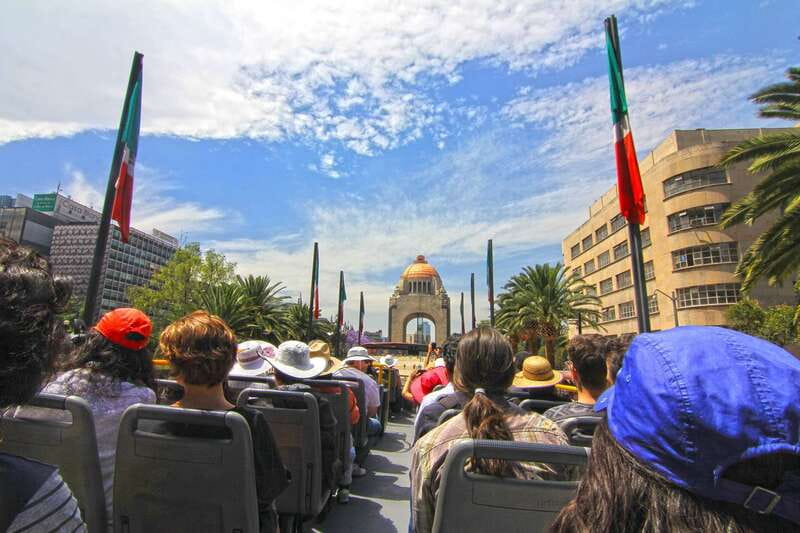
Turibus runs four different routes, and each one has its own rhythm. Some loop areas daily with a steady pace; others use specific departure times. Here’s what you need to know to avoid frustration.
Historic Downtown Route (daily, frequent)
This is the one that feels like the city’s spine. It runs daily from 9 am to 7 pm, with buses roughly every 30 minutes. If you’re doing just one circuit, this is often the most useful starting point.
You’ll see stops like:
Auditorio and the modern-art area (Museo del Arte Moderno), Condesa, Cibeles (Plaza Madrid), Casa Lamm, then into major Reforma landmarks including Monumento a la Independencia and Reforma stops like Reforma 222. You also get classic central-city points such as Zócalo, Plaza Manuel Tolsá, and Museo Franz Mayer. Toward the later part of the route, it stretches toward museums and institutions, including Museo de Antropología and others.
Polanco Route (daily departures from Auditorio)
Polanco is your shopping-and-architecture track. It’s the newest-feeling route and often the most fashionable by vibe.
It runs daily from Auditorio with set times: 10 am, 11:30 am, 1 pm, 2:30 pm, 4 pm, 5:30 pm. With only 7 stops, you’ll get a more focused ride through:
Arquímedes Campos Elíseos, Masarik/Moliere, Centro Comercial Antara, Museo Soumaya, Hipódromo/Granja Las Américas, and Museo del Papalote.




South Route (daily, good coverage for Coyoacán and UNAM)
If you want neighborhoods with more local texture, this is the route. It runs daily from 11 am to 7 pm. Frequency is roughly every 1 hour to every 30 minutes depending on the run.
It includes a long list of stops that can support a full half-day or more, such as:
Mercado Roma (and Mercado Roma Coyoacán), Centro Histórico de Coyoacán, Museo Frida Kahlo, Centro Cultural San Ángel, the UNAM zone (Estadio de C.U and Jardín botánico), plus Perisur and the Cuicuilco area like Kidzania Cuicuilco. It also connects you back to big hubs and towers like World Trade Center and Torre Manacar.
Basilica Route (daily departures from Zócalo)
This one is short and purposeful. It runs daily from Zócalo at set times: 10 am, 11:30 am, 1 pm, 2:30 pm, 4 pm, 5:30 pm.
Stops focus on:
Zócalo, Garibaldi, Basílica de Guadalupe, and Palacio de los Condes de Miravalle.
Historic Downtown Route: Zócalo, Reforma, and the museums you can pair later
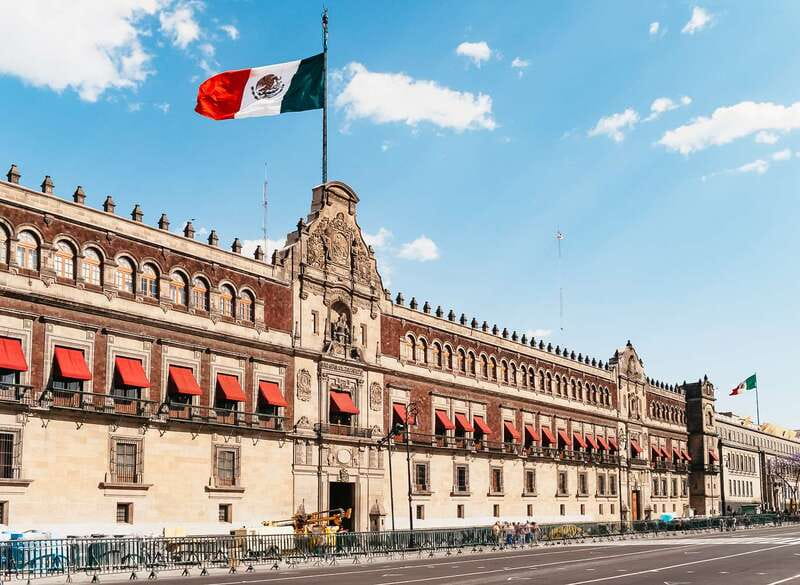
The Historic Downtown circuit is ideal for getting your bearings fast. You cover major historic anchors in one ride, which means you can decide what deserves a second visit.
Here’s the flow you’ll feel on this route:
- Start around Auditorio and modern-adjacent areas like Museo del Arte Moderno
- Slide into neighborhoods like Condesa, where the streets feel lived-in rather than staged
- Hit major visual landmarks at Cibeles (Plaza Madrid) and Independence Monument territory
- Enter the central concentration where you can hop at Zócalo and nearby plazas
- Continue through cultural stops like Museo Franz Mayer and toward larger museum zones like Museo de Antropología
A practical tip: don’t treat every stop as a must-stop. Use this route to tag what you want to return to. If you get off at Zócalo, for example, you can spend time on foot around the central area—then take the bus again later to continue toward museums.
A small drawback to watch for
Traffic can heavily affect how long each segment takes, especially when you’re near Reforma or other high-activity corridors. Plan extra time for transfers. If you’re trying to cram everything into a strict schedule, this is where you’ll feel it.
Polanco Route: shopping, modern architecture, and quick museum hops
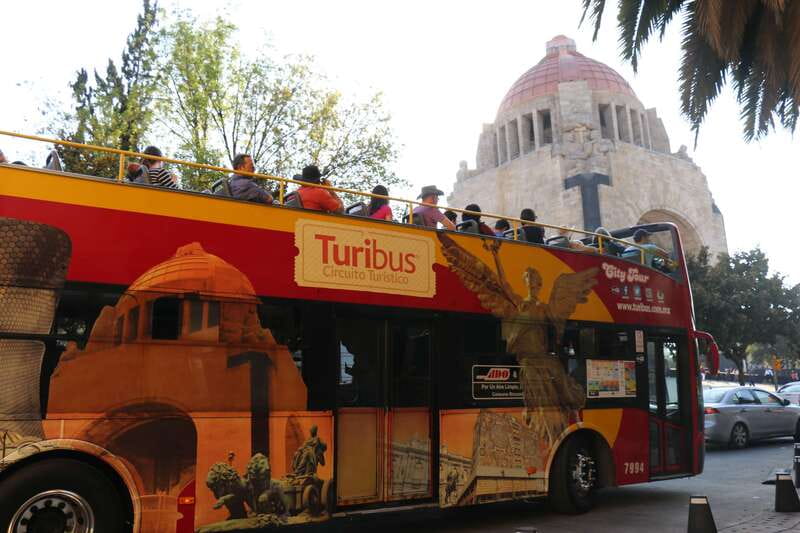
Polanco is what you get when Mexico City flexes a more modern side. It’s also a great place to re-center your day if you want less walking and more “arrive, browse, hop back on.”
This route’s strength is how concentrated it is. The bus hits key stops like:
- Centro Comercial Antara for shopping and easy breaks
- Museo Soumaya, which is a standout museum stop for many visitors
- Museo del Papalote, useful if you want something different from the classic historic circuit
If you like clean lines in architecture and you want a break from constant street-level intensity, Polanco is a solid choice. Even if you don’t plan to buy much, the bus ride gives you a clear sense of how different the city feels block to block.
When Polanco is the smartest move
- If you want to avoid long museum lines by timing your day around bus departure blocks
- If your next stop (like a museum) is too far to walk comfortably
- If you’d rather do window-shopping and people-watching than deep touring
South and Coyoacán Route: markets, UNAM energy, and Frida Kahlo logistics

The South route has a different personality. You get more local rhythm—markets, craft-and-culture areas, and the university ecosystem. It’s also the route that can feel the most “Mexico City on a regular day,” not just postcard sights.
This circuit includes:
- Mercado Roma and Mercado Roma Coyoacán, both useful for quick snacks and a sense of daily life
- Centro Histórico Coyoacán, a common base for exploring on foot
- Museo Frida Kahlo, which many people treat as the main event
- Centro Cultural San Ángel for a more artsy feel
- UNAM-adjacent stops like Estadio de C.U and Jardín botánico
- A big mall connector like Centro Comercial Perisur
- Cuicuilco area stops like Kidzania Cuicuilco
How to avoid Frida Kahlo day getting swallowed by traffic
Timing matters here. If you’re aiming for Frida Kahlo, I’d start earlier rather than later and leave buffer time for road delays. On the South route, you can be looking at long stretches of time just to move between stops if traffic hits hard.
Also, treat the bus stop as a “drop zone,” not a front door. Some stops aren’t perfectly aligned with the exact museum entrance, so you’ll likely walk a bit from where you’re dropped.
Basilica Route: Guadalupe plus the classic stop sequence from Zócalo

If you want a focused religious-and-historic day, the Basilica route fits well. It’s also a simple route to understand: you start at Zócalo, then the ride leads you straight toward Garibaldi and Basílica de Guadalupe.
Stops are:
- Zócalo
- Garibaldi
- Basílica de Guadalupe
- Palacio de los Condes de Miravalle
This route is best when:
- You want one clear theme for the day
- You’d rather avoid juggling too many bus line transfers
- You plan your walking time around where you actually want to be, especially near Guadalupe
Audio guide reality: bring earphones, manage sound, and don’t sit near speakers
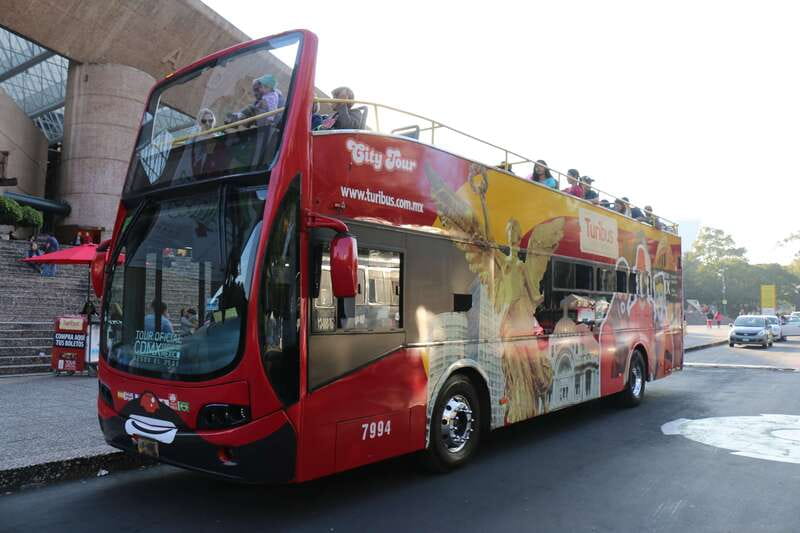
This is where your experience can swing from great to frustrating fast.
The buses use a multilingual digital audio system with many language channels. Spanish and English are available, plus German, French, Italian, Chinese, Japanese, Portuguese, and Russian. There’s also a special audio channel for kids.
But sound quality depends on the bus and how you set up your listening. A few consistent practical issues show up:
- Spanish narration can be very loud, sometimes making it hard to hear English even when you’re using the headset
- Some buses may have headset jack limitations, so you might want to rely on your own earphones instead
- Overhead stop announcements are only in Spanish, so don’t expect English announcements from the loudspeaker
- Headsets can be unreliable; one headset might shut off before an explanation finishes
What I recommend you do
- Bring your own headphones/earphones and test them when you board
- If you notice volume problems, move slightly on the upper deck and avoid sitting right by the bus’s sound equipment
- Expect that busy areas and street noise can interfere with clarity
If you get a quieter run or a better headset connection, the audio is a big part of the value. It turns the bus into a moving lesson plan instead of just a ride.
Getting around smoothly: stops, transfers, and traffic timing
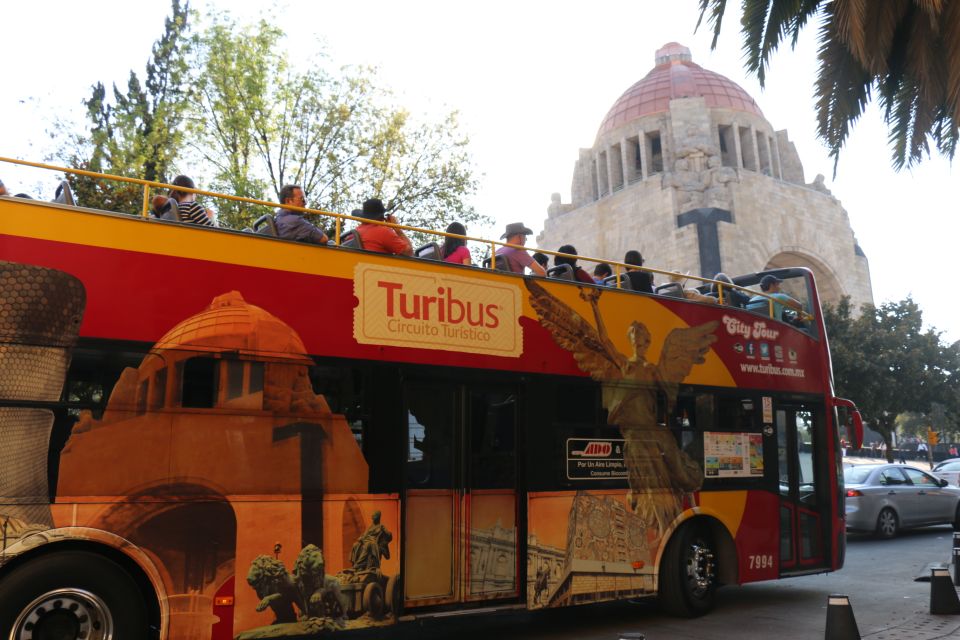
Hop-on hop-off is all about timing between buses. The frequency varies by route, and Mexico City traffic is not polite.
A few ways to make it easier:
- If you’re switching between circuits, plan your transfer buffer. Even when buses run often, you can still lose time waiting
- Don’t assume you’ll get perfect timing in heavy traffic. Expect delays and adjust your next stop
- Some stop locations can be slightly off from what you’re picturing. Use the printed or mapped guidance at the stops and look for clear signage to confirm the exact pick-up point
I also like the human side of this system: when staff are helpful, they can guide you on where to stand and how to time the next bus. You may meet staff who are especially praised for clarity and friendliness, including guides with names like Lillie, Ellie, Cristian, Diane, and Estefania.
Open-top comfort: sun, heat, and no-restroom planning
This is a small point that can matter a lot.
The buses are open-top double-decker, and there are no restrooms on board. That means you’ll want to plan breaks at places with facilities, not during long rides.
Also: the seats can get hot. On sunny afternoons, especially in warm months, the metal seating can feel brutal. If you’re sensitive to heat, consider:
- Riding the upper deck more in morning or later afternoon
- Using shade when you hop off
- Keeping water and snacks for your walking breaks (since lunch isn’t included)
And yes, because the bus is open-top, pay attention to overhead clearance in areas with low power lines.
Who should book this Turibus bus, and who should skip it
You’ll probably love it if you:
- Have 1–2 days and want to see multiple neighborhoods without over-planning
- Prefer flexible hop-on hop-off stops over a strict schedule
- Like learning via narration while you travel
- Want a practical budget alternative to repeated taxi rides
You might want a different plan if you:
- Expect a perfectly quiet, perfectly clear English narration the whole time
- Need restroom access on the vehicle
- Are trying to hit a very tight timetable with back-to-back museum reservations and little walking flexibility
Should you book? My honest take
I think this tour is a smart buy if your goal is to get oriented and cover big-ticket areas without turning your day into a logistics puzzle. The four-route structure, the one-bracelet access, and the audio guide across multiple languages make it a strong all-in-one tool for first-time visitors.
Just go in with eyes open: sound quality and headset reliability can vary, Spanish announcements come through over the loudspeaker, and traffic can mess with timing. If you bring your own earphones and give yourself transfer buffer time, the experience feels smooth and efficient.
If you’re short on time, I’d prioritize the Historic Downtown route for your foundation, add Polanco for modern contrast, use the South route for markets and Coyoacán energy, and use the Basilica route when you want a focused Guadalupe day.
FAQ
How long is the ticket valid?
Your ticket is valid for 1–2 days. You can check availability to see starting times, then use the hop-on/hop-off access within that window.
Do I have to start at one specific meeting point?
No. You can begin at any of the stops and show your printed or electronic voucher when boarding.
Are bathrooms available on the bus?
No. The buses are open-top double-decker and do not have restrooms.
What routes are available?
There are four routes: Historic Downtown, Polanco, South, and Basilica. Each route has its own set of stops.
What languages are included with the audio guide?
The digital audio system includes Spanish, English, German, French, Italian, Chinese, Japanese, Portuguese, and Russian, plus a kids audio channel.
Is the tour wheelchair accessible and can young children ride?
Yes, it is wheelchair accessible. Children up to age 3 travel free but must sit on a parent’s lap.