REVIEW · MEXICO CITY
Mexico bike tour
Book on Viator →Operated by Mexico Bike Tour · Bookable on Viator
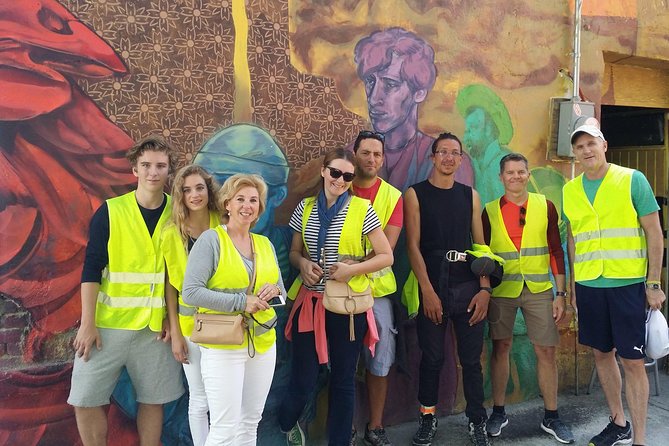
Four hours, but you mostly eat and learn. This Mexico City bike tour mixes academic-led city context with easy pedaling and real neighborhood stops, capped at 10 riders. It’s built for people who want to see more than they could on foot, without turning it into a suffer-fest.
What I really like is the low-stress pace: you pedal only about 60% of the time, and the rest is eating, resting, and chatting. I also like the food-focused structure, including a chocolate tasting or a cable car option and lunch tacos at Don Juan, with vegetarian choices.
One consideration: the route can include early climbs and you’re sharing city streets, so bike fit matters. There have been cases where shorter riders couldn’t reach the handlebars well enough to ride, and you may need to be comfortable navigating traffic gaps.
In This Review
- Key highlights to know before you ride
- Mexico City bike tour basics: small group, English, and a smart length
- Starting in Lomas de Chapultepec: where the ride begins (and why it helps)
- Getting on the bike: why gear use and fit matter in CDMX
- The ride plan: using Chapultepec Park and city streets without making it strenuous
- The “break stops” that make this tour feel different: chocolate or cable car
- Lunch at Don Juan: how the food stop fits the tour
- Guides who teach the city, not just landmarks (and how to use them)
- Riding in Mexico City traffic: what to do if you’re nervous
- Price and value: why $70 feels fair (when you compare to options)
- Who should book this Mexico City bike tour (and who should skip)
- Should you book it? My practical recommendation
- FAQ
- How long is the Mexico City bike tour?
- What’s the group size?
- Is the tour offered in English?
- What’s included in the price?
- Where does the tour start?
- What’s the usual tour time window?
- What food stops can I expect?
- Is private transportation included?
- What if the weather is poor?
- Can I cancel for free?
Key highlights to know before you ride
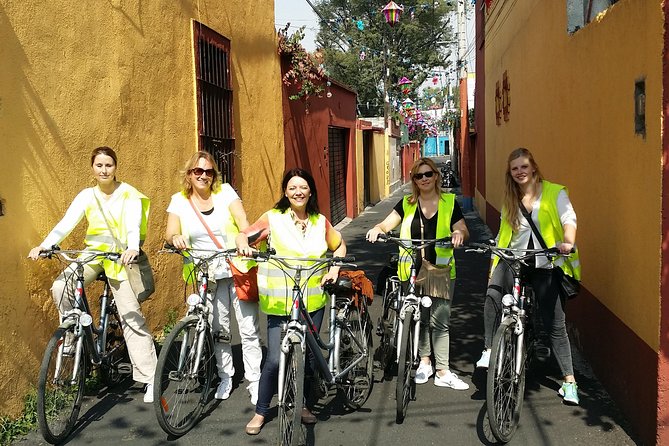
- 10-person maximum keeps it personal and easier to hear your guide
- Academic-style explanations connect food, architecture, and city life to what you’re seeing
- Ride only ~60% of the time, so it’s social and not punishing
- Chocolate tasting or cable car gives you a built-in break from biking
- Don Juan tacos for lunch includes vegetarian options
- Great first-time setup for cycling in CDMX traffic, with guidance on where and how to ride
Mexico City bike tour basics: small group, English, and a smart length
This is a half-day Mexico City bike tour priced at $70 per person and lasting about four hours. It runs from 10:00 AM to 2:00 PM (so you’ll likely start somewhere in that window), and it’s offered in English. You’ll get a mobile ticket, and you’ll confirm at booking.
The small size is a big part of the value. With a maximum of 10 travelers, you’re not stuck trying to keep up while the group stretches out and your guide turns into a traffic marshal. Instead, it stays conversational, and your guide can adjust pacing when streets get tighter.
Also note the practical side: bicycle and lunch are included. That matters in Mexico City, where the difference between a good tour and an expensive one can be as simple as what you’re paying for meals and how much private transport you’d otherwise need.
You can also read our reviews of more cycling tours in Mexico City
Starting in Lomas de Chapultepec: where the ride begins (and why it helps)
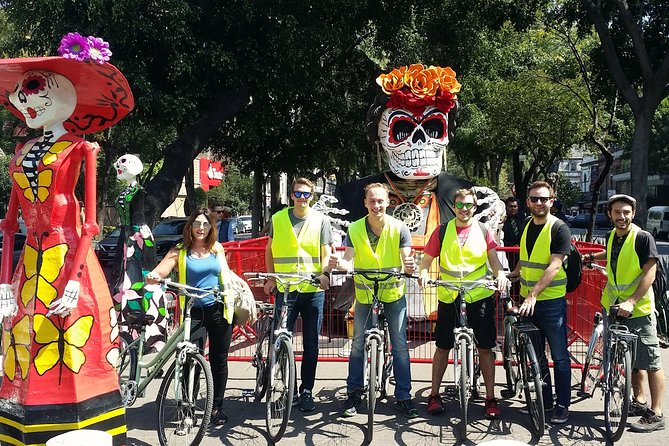
The meeting point is at Av. F. C. de Cuernavaca 217, Lomas–Virreyes (Miguel Hidalgo), 11000 Ciudad de México, CDMX. The tour ends back at the meeting point, so you’re not left figuring out transit after a few hours in the saddle.
This area is a useful starting point for a few reasons:
- You begin with a setup time that doesn’t feel rushed.
- You’re closer to major movement corridors in the city than you’d be if you started deep in the center.
- You get to learn the city’s rhythm while you’re still fresh, not after you’ve already biked around on your own.
One small but important detail: the tour says it’s near public transportation. That’s good if you’re planning to use Metro/metrobus after the ride, or if you don’t want a full-day logistics headache.
Getting on the bike: why gear use and fit matter in CDMX
The tour includes bike use, and it’s designed so that most travelers can participate. But Mexico City bike routes can involve traffic and climbs, so practical bike handling is part of the experience—even on an easy tour.
In the feedback provided, one theme comes up: don’t assume you can ride on habit alone. If you haven’t ridden a geared bike in a while, take a moment during the setup to get comfortable with the shifters before you roll out. One rider noted that a steep overpass came early, and they wished they had re-learned how to change gears on the handlebar levers.
There’s also the issue of rider height and reach. One family found that their child couldn’t safely reach the handlebars enough to ride, even though the tour described a child age as eligible. The takeaway for you is simple: if you’re traveling with kids (or anyone on the shorter side), you’ll want to be honest about fit, not just age.
The ride plan: using Chapultepec Park and city streets without making it strenuous
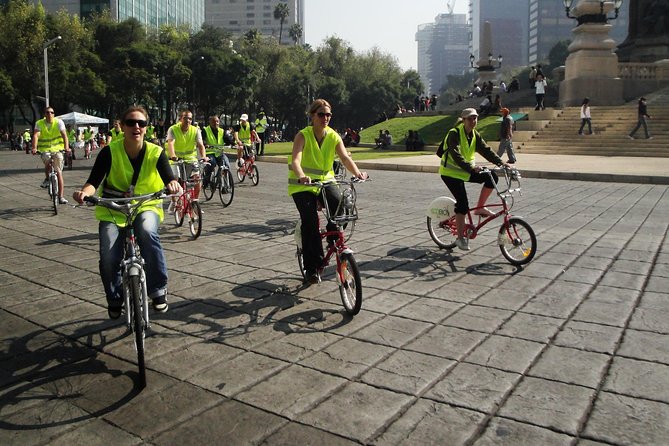
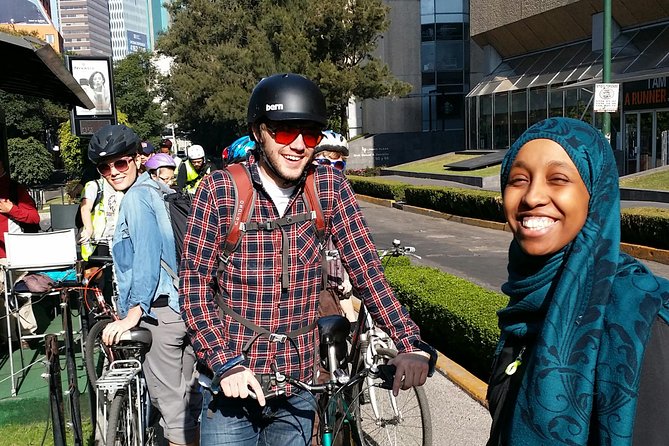
A core part of the tour is cycling through Mexico City’s urban fabric with stops tied to food, architecture, culture, and environment. The tone is set by the highlights: it’s not strenuous, and you’re only pedaling about 60% of the time.
That slower pedaling ratio is more than just comfort. It lets you do three things that a fast “sightseeing pedal tour” usually skips:
- Hear the explanation while you’re stopped.
- Take photos without sprinting back to the group.
- Learn how the city moves, including how to enter lanes and wait for safe gaps.
Chapultepec Park often shows up as a standout. One couple specifically praised it as a place where you really get value from biking rather than trying to wander it on foot. If you’ve never biked in CDMX, this is also where the experience becomes useful: it’s a controlled way to practice being a cyclist in a city that uses cars, buses, and bikes in very close quarters.
Yes, there can be moments where the guide’s line through traffic feels aggressive. If you’re cautious, it helps to know you might spend a moment waiting for gaps that you personally feel safe entering. That’s not a failure of the tour; it’s part of biking in a real city.
The “break stops” that make this tour feel different: chocolate or cable car
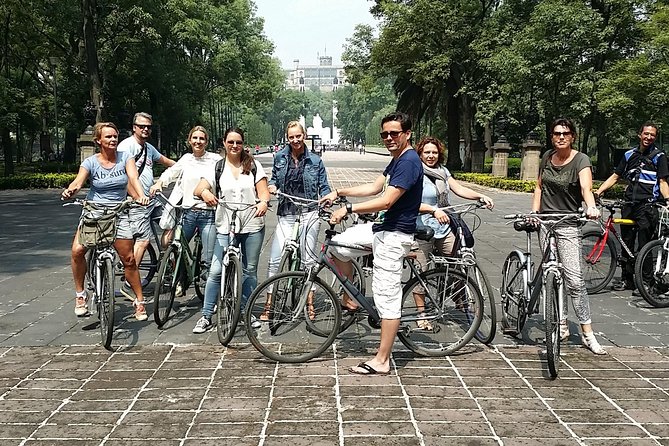
One reason this tour keeps winning people over is that it’s not just biking followed by lunch. It’s biking plus story breaks—moments where you stop, taste something, and connect what you see to where the city’s culture comes from.
For your first stop, you choose between:
- Chocolate tasting, or
- A cable car tour (described as a cable car option)
In the feedback, the cable car surprised at least one family. If you expect a simple bike-and-park route only, plan for the possibility of a cable car component. It also makes sense: a cable car segment naturally reduces riding stress and gives you a different vantage point without extra effort.
Chocolate tasting, meanwhile, is the kind of stop that works well even if you’re not a foodie. It’s a compact cultural experience: you get something sensory (taste) and then you’ll usually get context about how chocolate fits into Mexican food culture.
Either way, these stops do the same job: they give you a mental reset and keep the ride from feeling like nonstop “look at this, next block, next block.”



Lunch at Don Juan: how the food stop fits the tour
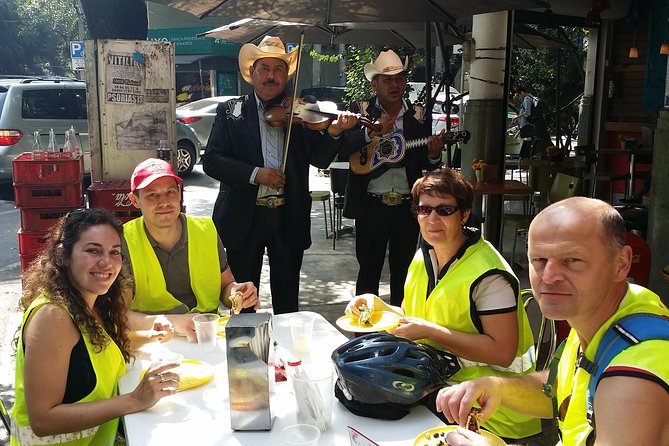
Lunch is included, and the menu is straightforward: tacos at Don Juan, with vegetarian options. If you’ve ever been on a sightseeing tour where lunch is just an afterthought, this kind of setup is a relief.
Here’s why it matters for your day:
- You don’t burn time hunting for food.
- You don’t lose the group dynamic (you’re already in the right place).
- You can focus on eating rather than logistics.
The tour’s structure also tends to keep lunch from being awkward. Since you’ve already spent time riding, stopping, and chatting, the meal feels like a natural break rather than a forced schedule checkpoint.
And if you chose chocolate tasting early (instead of cable car), lunch becomes your second food milestone, which is usually a crowd-pleaser. If you chose cable car first, lunch still lands as the main “reward” after a few hours of moving through neighborhoods.
Guides who teach the city, not just landmarks (and how to use them)
This tour is led by academics and people with backgrounds in urban planning and architecture. In practice, that shows up as explanations that connect what you see to how the city works: the built environment, local cultural norms, and how neighborhoods feel at street level.
Multiple guide names show up in the info you provided—Juan, Antonio, and Jimena—and the common thread is the ability to make the ride feel doable. People praise guides for being friendly, energetic, and genuinely invested in keeping the group together.
You can get even more out of your guide by treating them like a walking library with wheels. Ask practical questions while you’re stopped:
- What should I notice about the buildings here?
- How do locals handle traffic on bikes?
- What’s a neighborhood to explore next on my own?
One of the best things about a small group is that you can actually ask without the guide repeating themselves for every question. You’ll keep moving, and you’ll leave with a mental map.
Riding in Mexico City traffic: what to do if you’re nervous
Mexico City is not a quiet biking town. It’s busy. So even if the tour isn’t strenuous, you’ll still be in live traffic situations, and your comfort level matters.
Here are the best ways to set yourself up:
- Make sure you can shift gears confidently before you start (especially if you’re rusty).
- Stay close enough to your guide to understand the route plan, but don’t feel pressured to enter traffic faster than you want.
- Accept that short separation can happen. The goal is safe cycling, not perfect formation.
One rider described getting separated because the guide took routes they didn’t feel good entering, and they waited for a traffic gap they preferred. That’s an important mindset for you: in CDMX, your job is to ride defensively and calmly. The tour’s small group size and guided coaching are there to help, but your comfort drives the pace.
Also, keep your expectations realistic. This isn’t a car-free bike path experience. It’s a practical way to understand how cyclists actually function in the city.
Price and value: why $70 feels fair (when you compare to options)
At $70 per person for about four hours, this bike tour can be good value because it’s not just transportation. You’re paying for:
- A guided route led by people who explain the city (academics/urban planning/architecture backgrounds)
- A bicycle included
- Lunch included, not a snack-sized compromise
If you were to price it out on your own, you’d likely spend money on bike rental or bike access, then still need lunch, plus time spent figuring out an efficient loop. The tour reduces that friction.
And because the pacing is intentionally social—with plenty of rest and food time—it can feel like a high-yield way to learn Mexico City basics early in your trip, not a “check one activity” add-on.
Who should book this Mexico City bike tour (and who should skip)
This tour fits best if you want:
- A small-group introduction to Mexico City
- An easy rhythm with food breaks built in
- Guides who connect what you’re seeing to how the city is shaped
- A way to practice biking in traffic with support
It can also work well if you’re meeting a friend or partner and want the experience to feel more like a shared lesson than a race.
You might think twice if:
- You’re extremely uncomfortable entering traffic and want a completely protected route (the tour uses real streets).
- You’re traveling with a child who may struggle with bike reach. The tour says participation works for most travelers, but bike fit is essential and there’s an example of a kid who couldn’t reach handlebars well enough to ride.
- You expect a purely athletic workout. This is not that. It’s half cycling, half eating/resting/chatting.
Should you book it? My practical recommendation
Book this Mexico City bike tour if you want a fun, efficient half-day that mixes neighborhoods, architecture and food without draining your energy. The 10-person max, the included lunch, and the ride-friendly pace make it a solid way to get oriented—especially if it’s one of your first activities in CDMX.
I’d only hold off if you or your group needs a highly controlled, low-traffic environment, or if you’re unsure about bike fit for shorter riders. If that’s you, message the operator ahead and be candid about comfort and reach. With that sorted, this tour is the kind of experience you can talk about for a long time because it teaches you how the city works, not just what to photograph.
FAQ
How long is the Mexico City bike tour?
It lasts about four hours.
What’s the group size?
The tour has a maximum of 10 travelers.
Is the tour offered in English?
Yes, it’s offered in English.
What’s included in the price?
Lunch and use of the bicycle are included.
Where does the tour start?
It starts at Av. F. C. de Cuernavaca 217, Lomas–Virreyes, Miguel Hidalgo, 11000 Ciudad de México, CDMX.
What’s the usual tour time window?
The listed opening hours are Monday through Sunday from 10:00 AM to 2:00 PM.
What food stops can I expect?
You’ll have chocolate tasting or a cable car tour at the start (your choice), and lunch is tacos at Don Juan with vegetarian options.
Is private transportation included?
No, private transportation is not included.
What if the weather is poor?
The tour requires good weather. If it’s canceled due to poor weather, you’ll be offered a different date or a full refund.
Can I cancel for free?
Yes. It’s free cancellation up to 24 hours in advance for a full refund. If you cancel less than 24 hours before the start time, the amount paid is not refunded.