REVIEW · MEXICO CITY
Learn to Cook Mexican Bread
Book on Viator →Operated by Mexican Salsas · Bookable on Viator
Sweet bread lessons beat tourist meals. In Mexico City, this Pan de Muerto class is a hands-on way to meet people, learn old techniques, and understand why this bread matters beyond the plate. You’ll work from scratch on kneading, shaping, and baking, plus you’ll learn the role of orange and anise flavors and the symbolic bone-shaped decorations.
I also like that you get a proper pairing: a high-cacao hot chocolate to enjoy alongside what you bake. The one thing to think about first is that it is not gluten free, so if you need gluten-free, this won’t fit your diet.
In This Review
- Key things to know before you go
- Why Pan de Muerto bread belongs on your Mexico City list
- Meeting at Parroquia San Gabriel Arcángel in Tacuba
- A 3-hour bread lesson that teaches technique, not just a loaf
- Ingredients you’ll understand: orange, anise, and the dough’s sweet balance
- Shaping Pan de Muerto: kneading, shaping, and symbolic decoration
- Hot chocolate with cacao: the pairing that makes the class feel complete
- Market time for ingredients and local food cues (when included)
- What you take home: your Pan de Muerto plus recipes
- Price and value: is $65 per person worth it?
- Who this class is perfect for (and who should skip it)
- Practical tips so your loaf turns out better
- Booking check: should you choose this Pan de Muerto class?
- FAQ
- How long does the Mexican bread cooking class last?
- Where do I meet for the experience?
- Is it gluten free?
- What is included in the price?
- Do you make filled Pan de Muerto?
- Is transportation included?
- How big is the group?
- Is it available in more than one language?
- What happens if the weather is bad?
- What is the cancellation policy?
Key things to know before you go
- Tacuba’s meeting point: Start at Parroquia San Gabriel Arcángel, in the older heart of Mexico City’s Tacuba area.
- You bake, not just watch: The class covers ingredients, kneading, shaping, and baking techniques.
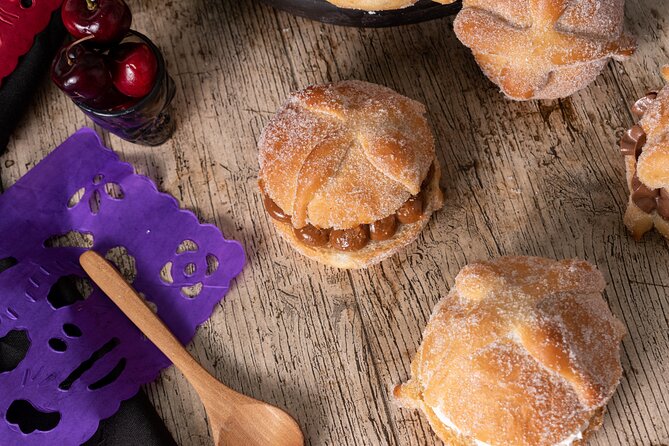
- Day of the Dead meaning built in: You’ll learn how the flavors and bone-style decoration connect to the tradition.
- Small groups: Maximum of 10 travelers, which makes it easier to get hands-on help.
- Chocolate pairing is included: You’ll make and enjoy high-cacao hot chocolate with your bread.
- Take-home results: You leave with your own Pan de Muerto and recipes to repeat at home.
Why Pan de Muerto bread belongs on your Mexico City list
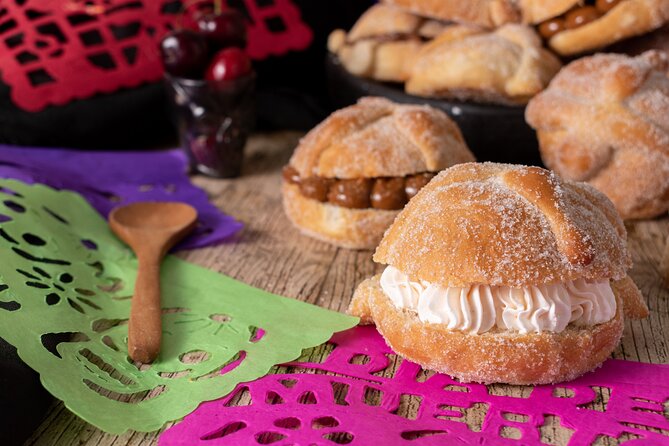
Pan de Muerto isn’t just a sweet bread you see around Day of the Dead. It’s a tradition you can taste, smell, and shape with your own hands. The class teaches you the technique behind the look—those bone-like elements—and the taste behind the aroma, especially the sweet perfume from orange and anise.
For me, this is one of the smartest “culture” activities because it’s practical. You’re not studying it from afar. You’re making it, which means you’ll remember the details later when you see Pan de Muerto in bakeries or during seasonal markets.
You can also read our reviews of more tours and experiences in Mexico City.


Meeting at Parroquia San Gabriel Arcángel in Tacuba
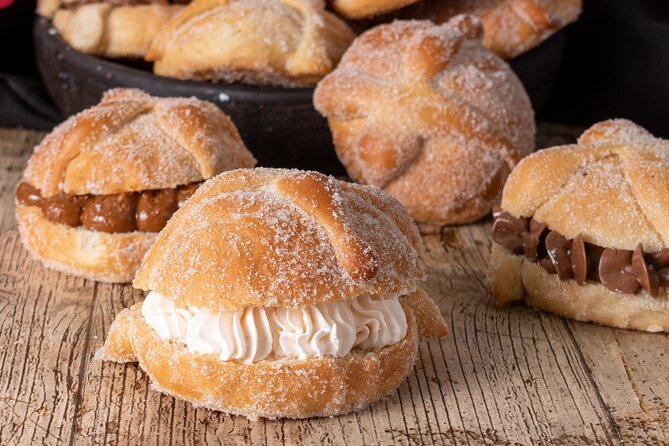
You’ll meet at Parroquia San Gabriel Arcángel, located in Tacuba, Mexico City. This matters because Tacuba is old—way back before the Spanish arrived—and that sense of continuity helps you feel the tradition as something local, not staged for visitors.
In practical terms, the meeting point is also a good sign for logistics: it’s near public transportation, and the activity ends back where it starts. So you’re not juggling multiple transfers just to start learning bread.
A 3-hour bread lesson that teaches technique, not just a loaf
The class runs about 3 hours, and with a maximum of 10 travelers, it stays focused. You’ll cover the full workflow: choosing ingredients, getting the dough texture right through kneading, then shaping it, and finally baking.
What you’re really taking home is method. If you can knead and shape with confidence, you can repeat this for future celebrations. If you’re new to baking, you’ll still have a clear path to follow, because the class is built around steps you can do at human speed, not rushed restaurant style.
Ingredients you’ll understand: orange, anise, and the dough’s sweet balance
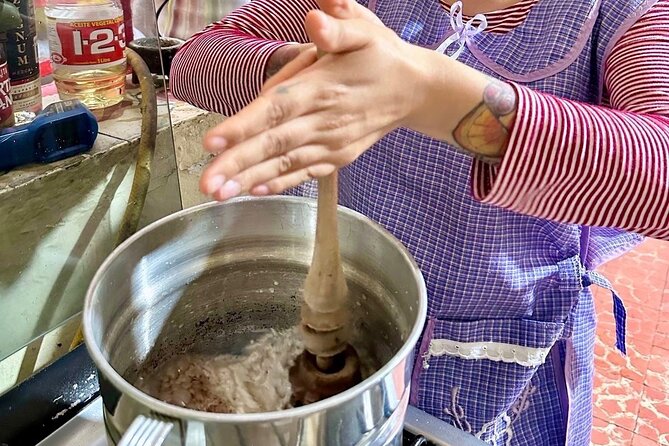
The experience is designed around what makes this bread distinct. You’ll learn about selecting ingredients and how they work together, especially the delicate sweet aromas of orange and anise. Those flavors are part of the bread’s identity, and once you understand how they show up in the dough, you’ll be able to recognize them in other Pan de Muerto you eat later.
One practical tip: if you’re the type who likes exact flavors, pay attention during the ingredient stage. With breads like this, small differences can change the scent and the final taste more than you’d expect.
Shaping Pan de Muerto: kneading, shaping, and symbolic decoration
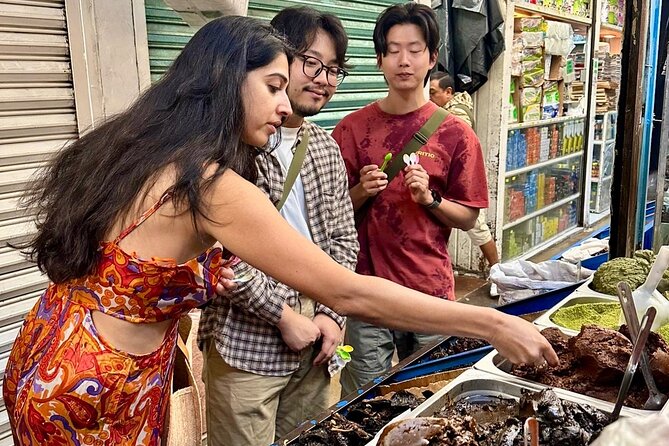
Here’s where this class becomes more than cooking. You’ll craft the loaf and learn about the bone-shaped decorations, which aren’t random garnish. They connect to the symbolism of the Day of the Dead tradition, and that context makes the shapes feel meaningful rather than decorative.
This part can be fun if you like detail work, but it can also be slightly tricky if your hands are new to dough. The upside is that you’ll be guided step-by-step, and the small group size helps. You should leave with bread that looks like it belongs on a family table, not like a science project.

Hot chocolate with cacao: the pairing that makes the class feel complete
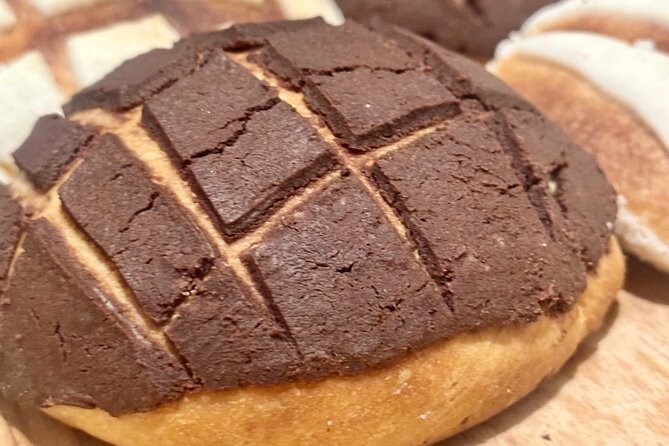
You won’t just bake bread and walk away. You’ll also prepare a rich hot chocolate with cacao, which is included. Pairings like this are common in home-style food traditions, and it makes the tasting feel like a full meal moment, not a snack break.
Cacao also balances the bread’s sweetness. If you’ve ever had sweet breads that feel like too much, this pairing helps prevent that. It turns your session into an experience you can repeat at home: bake the bread, then serve it with a comforting cup.
Market time for ingredients and local food cues (when included)
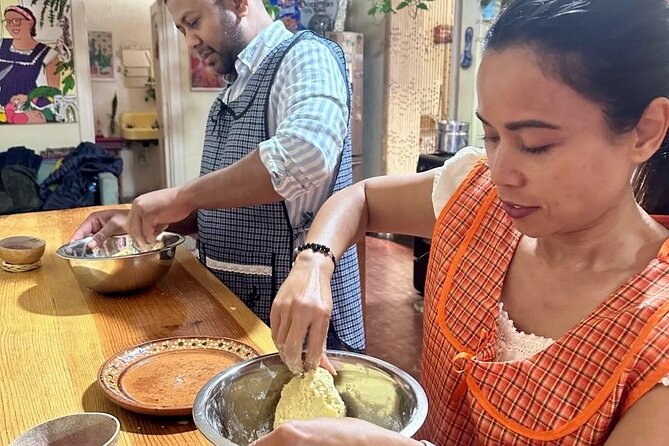
One highlight you may get—depending on the session—is time connected to a market area for ingredient context. In other words, it’s not only about flour and oven heat; it’s also about where the food culture shows up in daily life.
Even when it’s brief, this kind of stop can help you understand what you’re making. You start noticing labels, textures, and ingredient choices that don’t show up in a generic recipe book. It’s also a chance to see how friendly local sellers can be when you ask normal, respectful questions.
What you take home: your Pan de Muerto plus recipes
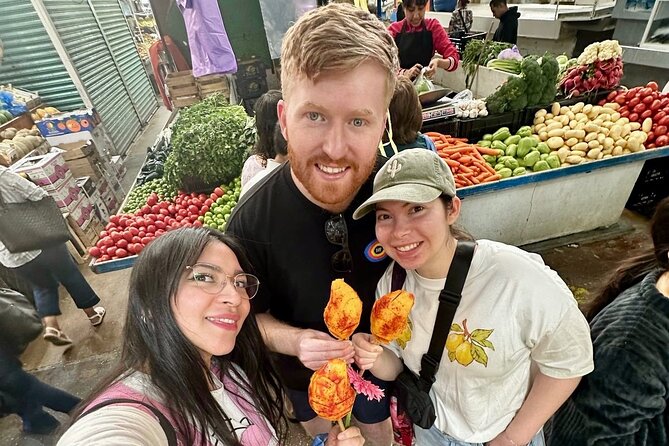
At the end of the class, you’ll have your own Pan de Muerto to take home, plus recipes so you can recreate it. That’s a big value point. A lot of cooking classes give you a quick taste and send you home empty-handed. Here, you get an edible souvenir—and instructions you can actually use.
You can also make Pan de Muerto filled if you choose the optional filling. That option gives you flexibility: go classic if you want the traditional route, or go filled if you like a richer bite. Either way, you’ll learn how to shape and bake in the Pan de Muerto style.
Price and value: is $65 per person worth it?
For $65 per person, you’re paying for more than ingredients. You’re paying for guided technique, included baking supplies, and food you make and eat—Pan de Muerto plus hot chocolate.
Here’s what makes it feel like solid value:
- You’re limited to 10 travelers, so it’s not a crowded demo.
- Equipment, snacks, and recipes are included, so you’re not adding hidden costs.
- You leave with a take-home loaf, which upgrades the experience beyond a tasting.
The main thing to factor in is what’s not included: private transportation. If you don’t already know your way around Mexico City, plan to arrive via public transit or local rides, since the meeting point is near public transportation.
Who this class is perfect for (and who should skip it)
This experience is a good fit if you want an easy entry into Mexican cuisine and you like food that has meaning. It also works well if you enjoy learning from local hosts who can explain the “why” behind flavor and shape—not just the “how.”
It’s especially suitable for:
- First-timers to Mexican food who want a gentle, hands-on introduction
- Day of the Dead fans who want more than a photo moment
- People who like small-group instruction and don’t want a rushed crowd environment
You may want to skip or choose something else if:
- You need gluten-free options (this one isn’t gluten free)
- You’re sensitive to needing good weather, since the activity requires it
Practical tips so your loaf turns out better
You’ll be working with dough, and dough rewards patience. Listen closely when the host talks about texture and handling, even if you think you already know what kneading feels like. If you learn the basics here, you’ll understand what you’re doing later when you bake on your own.
Also, if you’re choosing between standard and filled Pan de Muerto, decide early. Switching mid-process can slow you down, and bread doesn’t like delays. Finally, save your recipes before you leave—having instructions written down is what turns this class into a future tradition for you.
Booking check: should you choose this Pan de Muerto class?
I’d book it if you want a real Mexican food experience in Mexico City that mixes technique, tradition, and a warm meal moment. The small size, take-home bread, and included cacao hot chocolate make it feel complete for the price.
I’d think twice if gluten is a concern, since it’s not gluten free. And if you’re traveling on a tight schedule, remember the class depends on good weather. If those points work for you, this is the kind of activity that gives you something edible, meaningful, and repeatable.
FAQ
How long does the Mexican bread cooking class last?
The class runs for about 3 hours.
Where do I meet for the experience?
You’ll meet at Parroquia San Gabriel Arcángel, Calz México-Tacuba S/N, Tacuba, Miguel Hidalgo, 11490 Ciudad de México, CDMX, Mexico.
Is it gluten free?
No. The experience is not gluten free.
What is included in the price?
Included are cooking equipment, snacks (Pan de muerto, Pan de muerto filled optional), chocolate with cacao, and recipes.
Do you make filled Pan de Muerto?
Yes, Pan de muerto filled is optional.
Is transportation included?
No. Private transportation is not included.
How big is the group?
The activity has a maximum of 10 travelers.
Is it available in more than one language?
Yes. The experience can be held in more than one language simultaneously.
What happens if the weather is bad?
The experience requires good weather. If it’s canceled due to poor weather, you’ll be offered a different date or a full refund.
What is the cancellation policy?
You can cancel for a full refund up to 24 hours in advance. If you cancel less than 24 hours before the start time, the amount paid is not refunded.