REVIEW · MEXICO CITY
Guided Tour Zócalo to Palaces, Churches and Pyramids
Book on Viator →Operated by GM International Travel · Bookable on Viator
Mexico City’s center is walkable, and it teaches. I love how the tour stitches together big-picture change and street-level detail through architecture stories you can see with your own eyes, and I love the inside access to several major buildings where you get context before you start looking. One possible drawback: the pace is brisk, so if you like to linger for 30+ minutes in every room, you may wish you had more time.
You’ll keep moving with a small group (max 15) and a bilingual guide who explains as you go, not after the fact. The experience is built for an easy win on a first visit: you get a clean orientation of the historic core, plus a satisfying ending near the Templo Mayor area—no need to feel lost on arrival day.
In This Review
- Key highlights you’ll feel right away
- Hemiciclo a Juárez: why this spot matters before you start walking
- Palacio de Bellas Artes and Alameda Central: marble, myths, and city identity
- House of Tiles and Palacio Postal: the details that make the city feel real
- Museo Nacional de Artes and Madero Avenue: a walk that maps style and power
- Zócalo: government power, daily life, and architecture you can read
- Catedral Metropolitana: chapels, tabernacle details, and the Immaculate Virgin altar
- From the Zócalo’s old world to Templo Mayor’s ancient edge
- Price and value: what $53.46 buys you in real terms
- What you’ll be good at after the walk
- Who should book this tour?
- Tips for getting the most out of the tour
- Should you book this tour?
- FAQ
- How long is the tour?
- How much does the guided tour cost?
- Is the tour offered in English?
- Are there more than one stop and do we enter buildings?
- How big is the group?
- What’s included in the price?
- What’s the cancellation policy?
Key highlights you’ll feel right away

- Small group pacing (up to 15 people) keeps the walk from feeling crowded.
- Multiple major buildings include guided indoor stops, so you don’t just photograph facades.
- From Juárez reforms to colonial and modern Mexico, the route gives you a timeline you can follow.
- Specific artistic details matter here—marble, pre-Hispanic motifs, and a few surprise symbols.
- You finish outside the Templo Mayor archaeological zone, which helps connect the modern city to the ancient one.
Hemiciclo a Juárez: why this spot matters before you start walking
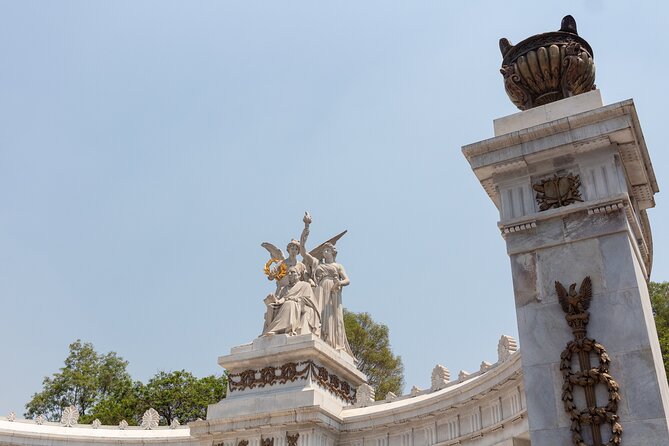
The tour begins at the Hemiciclo a Juárez, a strong starting point because it sets the theme: Mexico’s 19th-century reforms and the Porfiriato era shaped what later became the modern city you’re walking through now. Even if you’re not a history buff, you’ll feel the logic of the route—this isn’t random monument hopping.
Expect a quick orientation talk here (about 10 minutes). It’s enough time to get the political and cultural backdrop, but not so long that you lose momentum. If you’re prone to information overload on walking tours, this kind of timed stop is a plus.
You can also read our reviews of more guided tours in Mexico City
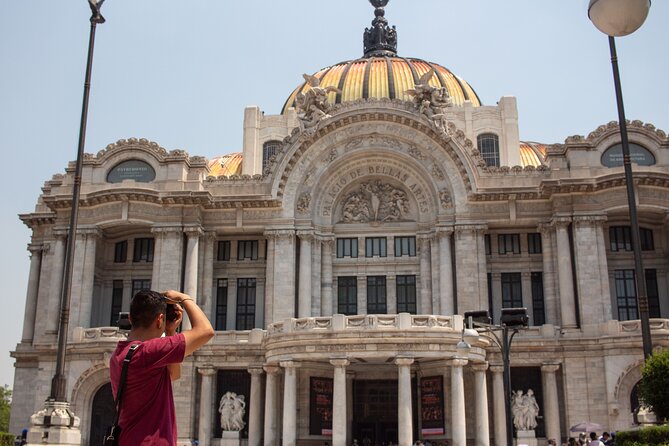
Palacio de Bellas Artes and Alameda Central: marble, myths, and city identity
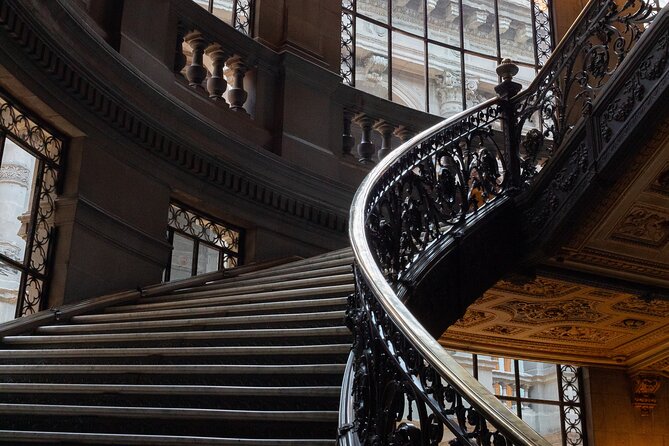
Next up is Palacio de Bellas Artes. You’ll enter and focus on the first floor interiors, where the guide points out standout elements like Mexican marble and those pre-Hispanic touches you can spot on doors and stairs. This is the kind of place where, left to your own devices, you might admire the look and miss the why. With the guide, you know what you’re looking at.
Then you head to Alameda Central, one of the earliest major public parks in the Americas. You’ll see sculptures connected to Greek gods, which is a fun contrast against all the Mexico-specific stories you’ve already been hearing. The takeaway: Mexico City’s public spaces absorbed global influences while still building its own identity.
Time-wise, these are short stops (around 10 minutes each). That works well for getting your bearings quickly, but it also means you’ll want to pick one or two places for a longer return later.
House of Tiles and Palacio Postal: the details that make the city feel real
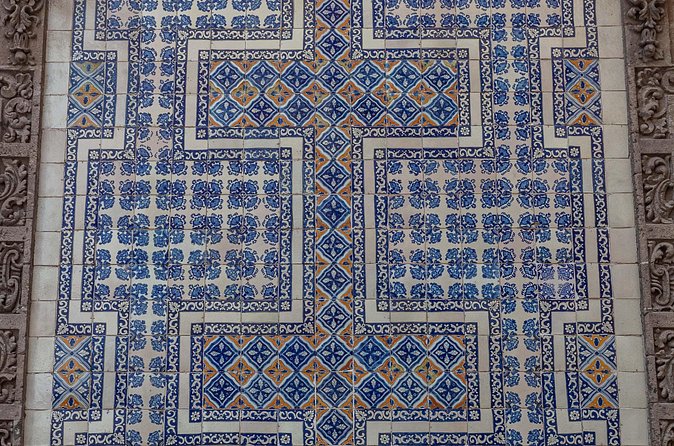
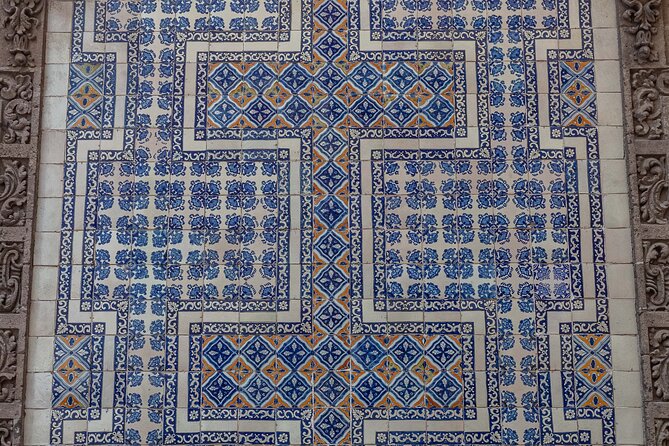
At the House of Tiles, you’re in for an “okay, wow” moment. This building is famous for its decorative surfaces, and the tour uses that fame the right way: you learn the interior details instead of just sprinting past the obvious exterior.
A highlight here is the mural by Clemente Orozco. The guide’s job is to help you see how art connects to Mexico’s broader cultural story—what the artist is doing, and why the mural belongs in this kind of space.
Then comes Palacio Postal, where the emphasis shifts from architecture-as-a-style to architecture-as-a symbol of national life. You’ll look at the luxury of its design and hear about the origin of mail in Mexico. One of the most memorable points is how national identity is expressed through artwork made from stamps—small objects arranged into meaning.
These are not “check the box” stops. The value is that you learn to notice: patterns, materials, and symbolism. You’ll also appreciate the practical rhythm—about 20 minutes at House of Tiles, then a short but focused visit inside Palacio Postal (around 10 minutes).
Museo Nacional de Artes and Madero Avenue: a walk that maps style and power
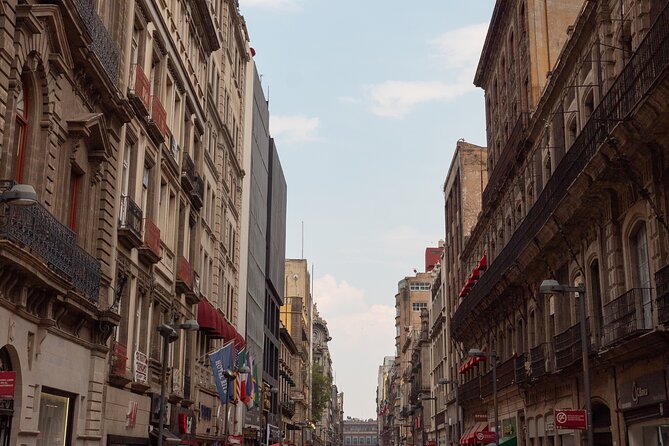
After that, you’ll pass through the flow of the historic center via Francisco I. Madero Avenue. This street is one of the most visited in CDMX, and the guide uses it to talk about baroque and neoclassical architecture in the area—plus the palaces that people tend to look for once they understand the layout.
What makes this section useful is that you start recognizing styles faster. You’ll stop thinking of the city as one big blur of buildings and start seeing how neighborhoods evolved and how wealth, religion, and politics showed up in stone.
You’ll also visit the Museo Nacional de Artes on the first floor of its neoclassical/Renaissance palace by Italian architect Silvio Contri. Even if you’re not planning to become an art critic by the end of the walk, you’ll benefit from having the setting explained. It’s one thing to see a handsome interior; it’s another to know why this building is the way it is.
The timing here is moderate (around 10 minutes at the museum and about 20 minutes walking/learning along Madero). That’s long enough to get the points without turning your legs into soup.
Zócalo: government power, daily life, and architecture you can read
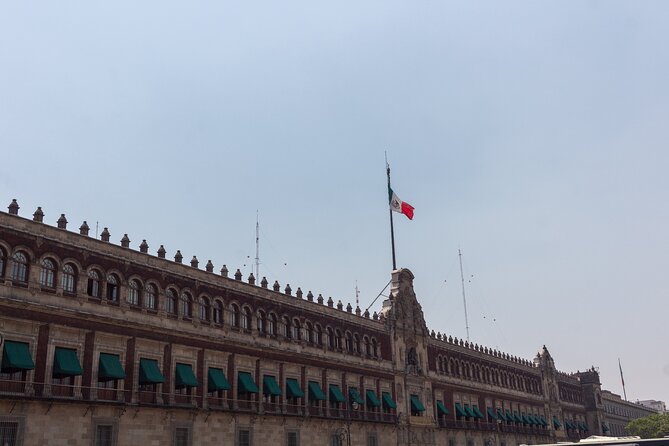
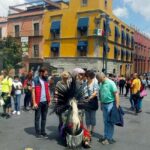
Then you arrive at the Zócalo, the big one: Mexico City’s most important square. The guide helps you see the architecture from the 16th and 17th centuries, while also connecting it to what you actually came here for—how the square functions as a shared public space.
You’ll look at the government palace, the national flag, and the city coat of arms in Talavera. And importantly, you’ll also notice the human side: families coming through, people gathering, everyday Mexico City moments happening right in front of you.
This stop is relatively brief (about 10 minutes), but it’s the kind of brief that works because you’re not just sightseeing. You’re learning how to “read” a city square—who’s represented, what’s symbolic, and how modern life occupies older spaces.
If you want extra time, this is your best candidate for a follow-on self-guided stroll. The square is right there when you’re done with the structured part of the tour.




Catedral Metropolitana: chapels, tabernacle details, and the Immaculate Virgin altar
Next is the Catedral Metropolitana de la Ciudad de México. This is where the tour gets more intimate. You’ll learn about the chapels and the tabernacle—parts of the cathedral that are easy to overlook if you’re just walking by the main structure.
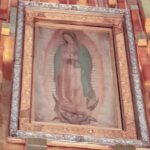
A specific moment to watch for is the beautiful altar with frescoes of the Immaculate Virgin. The guide’s explanations make the altar feel less like a background feature and more like a focal point with meaning.
This portion is short (around 10 minutes), so you won’t be able to absorb everything like you would on a longer church visit. Still, you’ll leave with a mental map: where to look again if you return.
Practical note: church interiors can feel cooler and quieter than the street outside. If you’re wearing layers, you’ll be happier as the light and temperature change.
From the Zócalo’s old world to Templo Mayor’s ancient edge
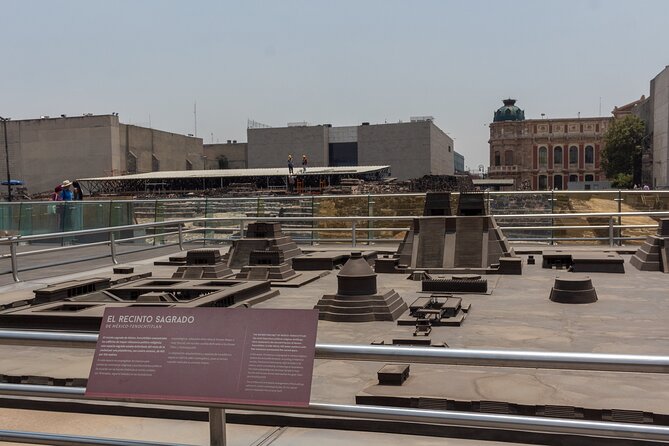
The tour ends outside the archaeological zone of Templo Mayor, at Seminario 8 in the Centro Histórico area. Even though you’re not going into the archaeological zone during the guided portion, this ending is smart: it creates a natural bridge between the colonial-and-modern city you just learned about and the deep pre-Hispanic roots right nearby.
Think of it as a visual transition. You’ve just been walking through symbols of empire, religion, and reform. Now you’re standing at the edge of what’s still literal evidence of the earlier city beneath and around the modern one.
If you have time after the tour, this is a good moment to decide whether you want to keep exploring the area on your own. The tour helps you arrive with better context, even if the final step is still for you to choose.
Price and value: what $53.46 buys you in real terms
At $53.46 per person for about 2 hours, the value comes from stacking multiple high-demand stops into one guided route with a bilingual guide. You’re not just getting a walking explanation—you also get indoor access at several key buildings, and the tour notes that admissions are free for the listed stops.
That matters because many historic-center buildings are “worth it only if you pay the entry fee” attractions. Here, you’re paying mainly for the guide’s translation of what you’re seeing into something you’ll remember.
Group size also affects value. With a maximum of 15 people, you’re more likely to have questions answered and not be stuck behind someone’s hat brim. Small-group tours are often pricier, so it’s fair to appreciate when this one keeps that model.
One caution: because this is structured and timed, you’re buying direction and context—not unlimited time. If you want slow travel, plan a second visit later to the places that pull you in.
What you’ll be good at after the walk
By the end, you should feel comfortable doing two things in the historic center:
1) Spot what’s important without needing a map in every sentence. You’ll know why the Zócalo is the anchor, why Bellas Artes belongs in the story, and how the cathedral fits into the power-and-faith mix.
2) Look with purpose rather than just gaze. When you see materials (marble), details (doors and stairs motifs), and symbolism (stamps as national art), you’ll understand what the guide wanted you to notice.
And if you came in thinking CDMX is only street food and museums, this route adds a third ingredient: how the city’s buildings explain the country’s changing identity over time.
Who should book this tour?
This is a strong fit for:
- First-time visitors who want a tight overview of the historic core
- People who like architecture and art but don’t want to guess what they’re looking at
- Travelers who prefer a comfortable pace with plenty of room to ask questions
It’s also a good choice if you’re mixing priorities: you want palaces and churches, but you still want that ancient-city connection at the end near Templo Mayor. Families can work well here too, since the key sights are in walkable proximity and the stops are short.
If you hate walking, or if you need long sits to take in every detail, you might find the timing a bit intense.
Tips for getting the most out of the tour
- Wear comfortable shoes. The route covers lots of ground, even if the individual stops are timed.
- Have your questions ready. The tour is designed for Q&A as you move, and that’s where a guide can really add value.
- Keep an eye on the “detail stops” like House of Tiles and Palacio Postal. Those are where the guide’s point-by-point explanations tend to stick.
Also: bring cash for tips if you choose to leave one. Tips aren’t included, and that’s a normal part of the experience here.
Should you book this tour?
If you want a smart, guided way to orient yourself in Mexico City’s historic center—especially around Zócalo, major palaces, and cathedral interiors—this is an easy yes. The price feels reasonable when you factor in the bilingual guide, the indoor access at several landmark buildings, and the fact that admissions for those stops are listed as free.
Book it if you’re the type who likes learning while walking and you want a starting “map in your head” for what to explore later. Skip it only if you prefer slow, unstructured time inside a single site. With this tour, you’re buying breadth and context—and then you can decide where to return for depth.
FAQ
How long is the tour?
It runs for about 2 hours.
How much does the guided tour cost?
The price is $53.46 per person.
Is the tour offered in English?
Yes. The tour is offered in English, and you’ll have a bilingual guide.
Are there more than one stop and do we enter buildings?
Yes. The tour includes multiple stops and several indoor visits (like Bellas Artes, House of Tiles, Palacio Postal, the Museo Nacional de Artes, and the Catedral Metropolitana).
How big is the group?
The maximum group size is 15 travelers.
What’s included in the price?
A bilingual guide is included, and the tour includes a mobile ticket.
What’s the cancellation policy?
Free cancellation is available up to 24 hours before the experience starts for a full refund.