REVIEW · MEXICO CITY
Guided Tour of the Museum of Anthropology
Book on GetYourGuide →Operated by Edith G. Tour Guide · Bookable on GetYourGuide
A single museum can teach you how whole civilizations thought about time, power, and place. This 3-hour guided walk-through at Mexico City’s Museum of Anthropology focuses on the big cultures that shaped Mexico—Teotihuacan, Mexica, Maya, Toltec, and the Gulf of Mexico—plus standout artifacts like the Sun Stone and the Coatlicue. What I like most is that the tour ties objects to meaning, not just names, and it also explains why the museum was built the way it is.
One more plus: you get a small group experience (up to 8 people), and the guide can answer your questions without rushing you out the door. The one drawback to plan around is simple: you’ll only see a portion of this huge museum in 3 hours, so you may still want extra time on your own afterward if you want the full breadth.
In This Review
- Key Things I’d Book This For
- Museum of Anthropology in 3 Hours: What You Really Get
- Meeting at the Entrance Next to the Mexican Flag
- The Museum Building Itself: Why the Space Matters
- Teotihuacan: Getting the Big Picture Before the Fine Details
- Mexica Highlights: Coatlicue and the Weight of Symbolism
- Maya Rooms: How Pakal’s Mask Changes What You Think You Know
- Olmec Heads and Toltec Connections: Tracing Influence Over Time
- Gulf of Mexico Culture: A Different Route Through the Story
- Gardens Around the Museum: The Unplanned Mental Reset
- Guides Make the Difference: Edith G. and Hector’s Approach
- Price and Value: Is $38 Worth It?
- What If You Want More After the Tour?
- Who Should Book This Tour (and Who Might Skip It)
- Should You Book This 3-Hour Museum of Anthropology Tour?
- FAQ
- How long is the guided tour of the Museum of Anthropology?
- What does the $38 price include?
- Are meals included?
- What languages are offered?
- How big is the group?
- Where do I meet the guide?
- What should I bring?
- When does the tour run?
- Can I cancel?
- Is there a way to book without paying right away?
Key Things I’d Book This For
- Small-group pacing (up to 8): enough time to ask questions without losing momentum.
- English federal-style guiding: live narration during the main rooms.
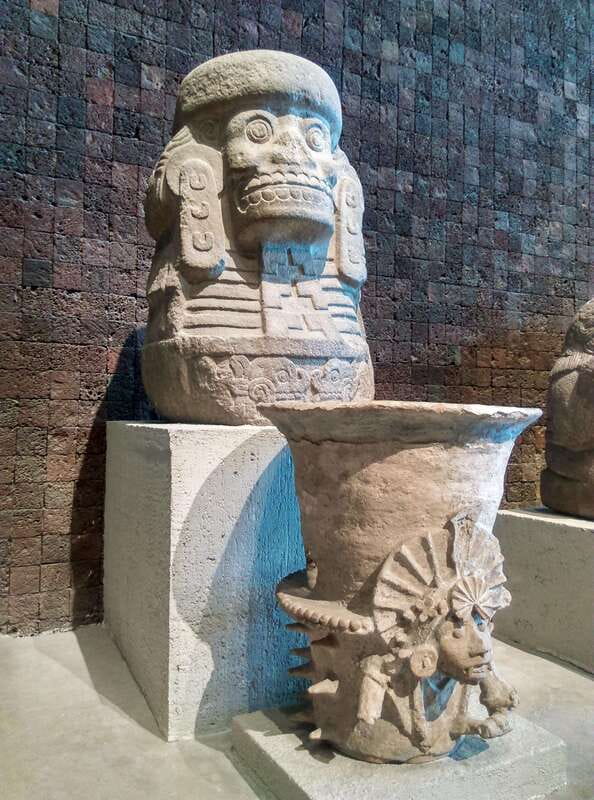
- Iconic artifacts, explained: Sun Stone, Coatlicue, Olmec Heads, Mask of Pakal.
- Culture-to-meaning connections: you hear the symbolism behind what you’re seeing.
- Gardens included: a slower reset between gallery rooms.
- Museum-building context: you learn the purpose behind the museum itself, not just the exhibits.
Museum of Anthropology in 3 Hours: What You Really Get
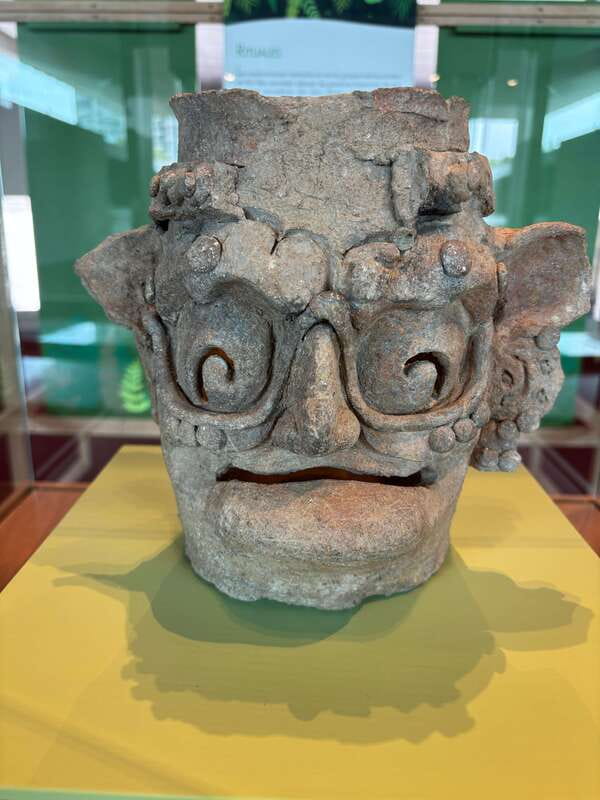
If you only have a half-day in Mexico City, this is one of the better ways to spend it. The Museum of Anthropology (Museo Nacional de Antropología) is enormous, and without help you can end up doing what most people do: skimming labels and walking past your favorites because nothing clicks.
This tour is built to do the clicking for you. In three hours, you move through the main areas that cover the big civilizations—Teotihuacan, Mexica, Maya, Toltec, and Gulf of Mexico cultures—while a guide connects the objects to the culture behind them. You’re not just looking at stone and pottery. You’re learning the logic: why certain figures mattered, how symbols worked, and what people were trying to say through art.
The value is also clear in what’s included. You pay $38 per person, and the ticket includes entrance plus a guided visit by a federal tour guide. That combination matters here because the museum’s scale makes self-guided exploring hit-or-miss unless you already know what you’re hunting for.
You can also read our reviews of more guided tours in Mexico City
Meeting at the Entrance Next to the Mexican Flag
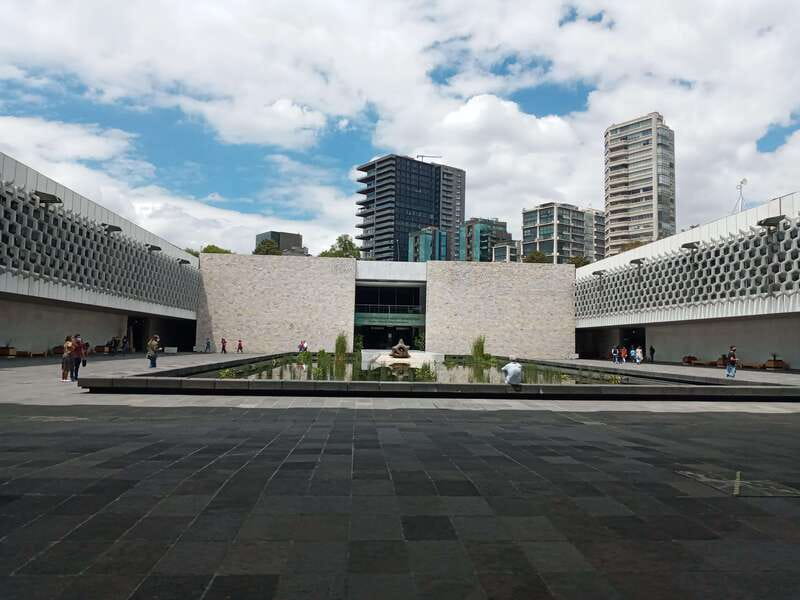
The meeting point is easy: the entrance to the Museum of Anthropology next to the Mexican Flag. That helps you avoid the most common early-tour stress: wandering around looking for the right entrance or the wrong line.
Plan to arrive with enough time to get comfortable on your feet before the group starts. This is not the kind of tour where you can casually show up in beat-up sandals. The museum is built for walking, and you’ll be moving between halls and then out into the gardens.
Bring comfortable shoes. That’s not a throwaway tip. It’s the difference between enjoying the tour and feeling like your ankles are negotiating for retirement.
The Museum Building Itself: Why the Space Matters
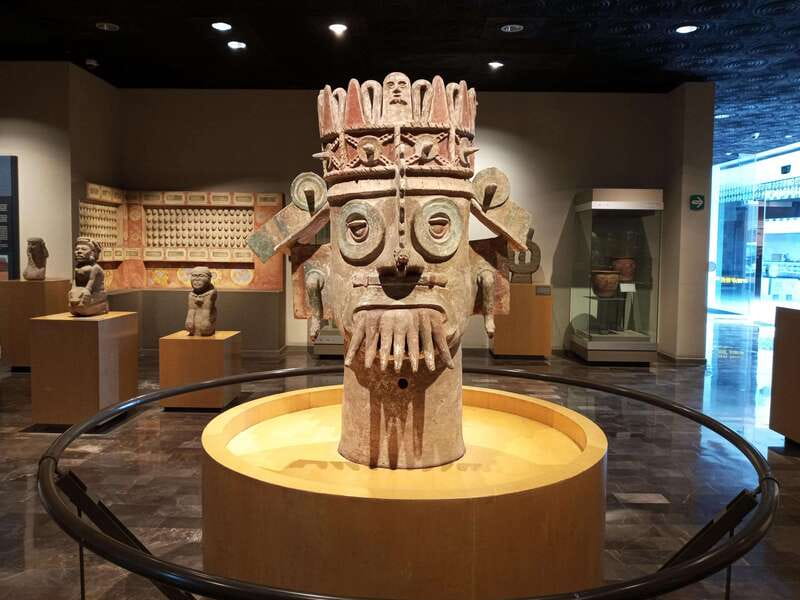
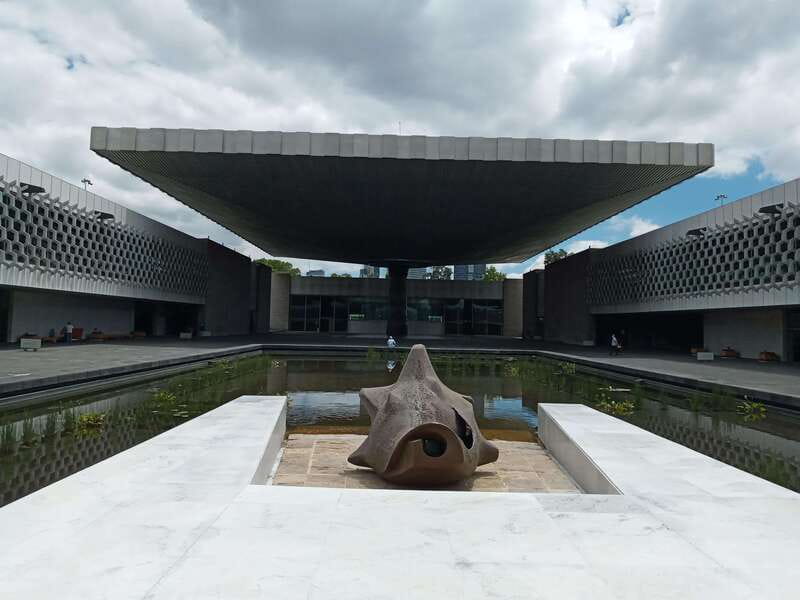
One smart part of this guided experience is that it doesn’t jump straight to artifacts. You also get an explanation of the construction of the museum and its purpose, while you’re still getting your bearings.
That context helps because the building is not just a container. It shapes how you read the exhibits. You learn how the museum’s layout supports the idea of presenting Mexico’s ancient cultures in a structured way—so when you move into the galleries, the story feels intentional instead of random.
This also helps if you’re the type who hates tours that feel like a lecture with a stopwatch. Here, the guide uses the space to pace your understanding: first you grasp the framework, then you zoom into the civilizations and the iconic objects people come to see.
Teotihuacan: Getting the Big Picture Before the Fine Details
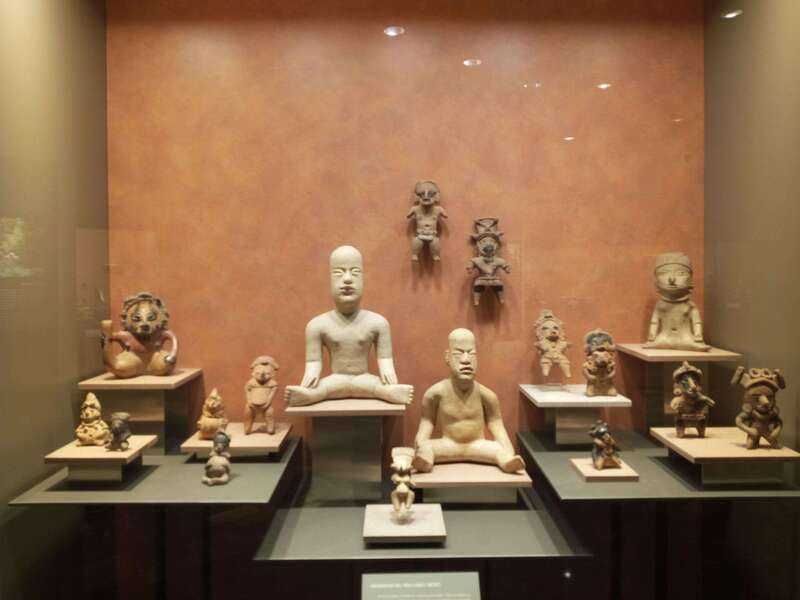
The tour includes the Teotihuaca (Teotihuacan) presence, and this is where a guide really earns their pay. Teotihuacan can feel intimidating at first because it’s famous, but the facts don’t always translate into meaning just by reading a quick label.
With guidance, you get the bigger picture first: how people organized their world, how art and symbolism helped express beliefs, and why certain styles show up repeatedly. The goal is to help you recognize patterns instead of treating each object like a separate museum clue.
In practical terms, this matters because Teotihuacan is often your first stop mentally. If you leave that section with a framework, you’ll understand what comes next much faster—especially when the tour shifts to cultures with different artistic language and different mythic themes.
Mexica Highlights: Coatlicue and the Weight of Symbolism
One of the standout pieces on the route is the Coatlicue. This isn’t a statue you can breeze past. It has the kind of presence that makes you stop even if you came in expecting a quick overview.
The guide’s job here is to explain symbolism in a way that makes the object feel alive. You’ll hear context around what it represents and how the visual language ties to Mexica beliefs and the way power and spirituality were expressed through art.
This is also a good place to ask questions, because the meaning behind symbolic figures often leads to follow-up curiosity. And because the group is limited to 8 participants, you’re less likely to get cut off mid-question.
You can also read our reviews of more museum experiences in Mexico City





Maya Rooms: How Pakal’s Mask Changes What You Think You Know
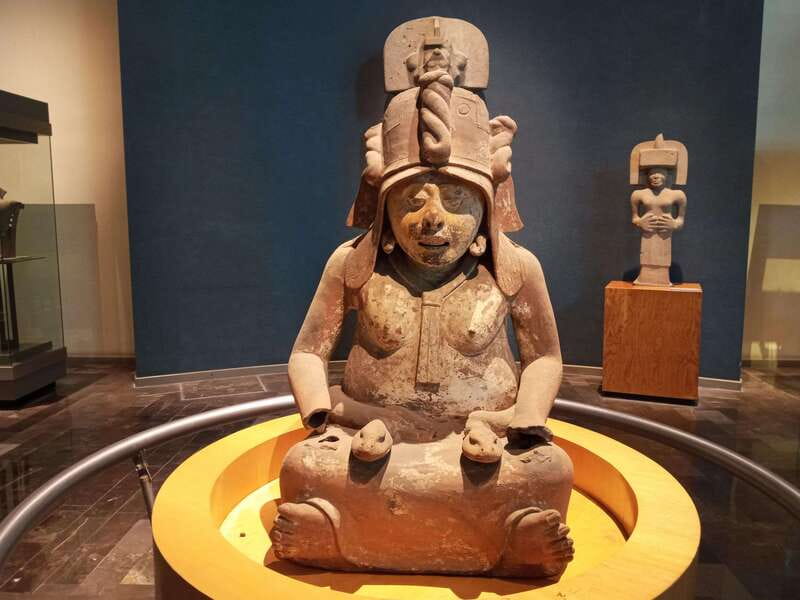
Another iconic highlight included in the tour is the Mask of Pakal. Pakal is one of those names that shows up in everything ancient-mexico related, but his mask becomes more than a famous artifact once you understand why it mattered.
The tour focuses on the symbolism and the cultural logic behind Maya art—especially related to identity, authority, and the way time and cosmic order show up in visual design. You don’t need to be an expert before you go. The guide helps you “read” the artifact like a message, not like decoration.
And here’s an important practical takeaway: Maya galleries can feel visually dense when you’re on your own. With a guided route, you avoid the common trap of trying to understand everything at once. Instead, you learn the key ideas the guide points you toward—and your own later wandering becomes way more rewarding.
Olmec Heads and Toltec Connections: Tracing Influence Over Time
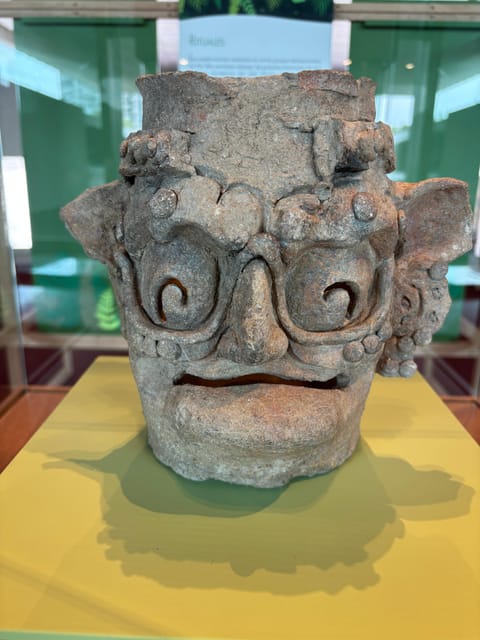
The tour also calls out Olmec Heads and covers Toltec culture. This is where the museum experience starts to feel like a long story rather than a set of unrelated exhibit rooms.
Olmec Heads are striking for their sculptural power, but what you take away on this tour is not just what they look like. You get context that helps explain why these forms carried meaning and how artistic traditions can echo through time. It’s a reminder that Mexico’s cultures weren’t isolated. They influenced each other, even across centuries.
The Toltec component helps you see the shift in style and themes, which makes the museum feel like an evolving conversation. If you’ve ever walked into a museum and thought, This is just a pile of old stuff, this part pushes back hard. You start noticing continuity—and change.
Gulf of Mexico Culture: A Different Route Through the Story
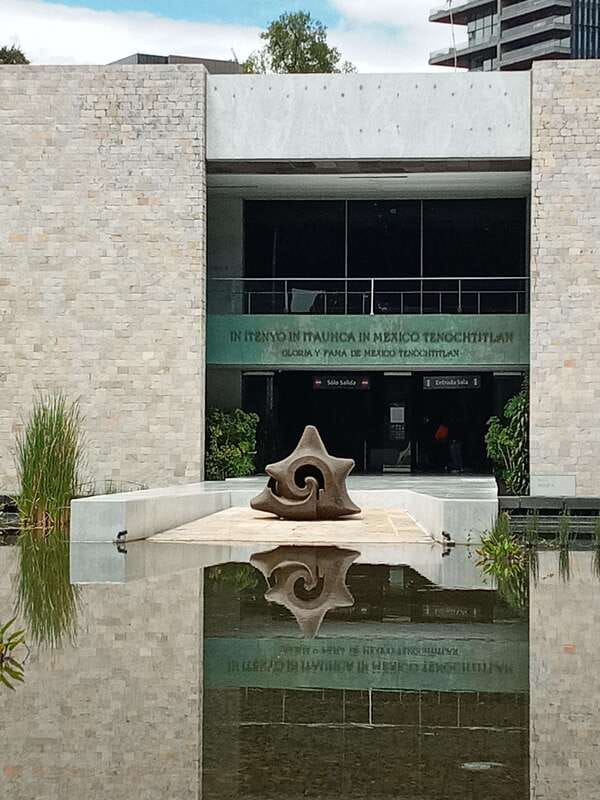
One of the cultures included on the tour is from the Gulf of Mexico. That matters because Mexico City’s biggest-name artifacts can sometimes pull you toward a single narrative.
Adding the Gulf of Mexico section helps broaden your mental map. You’ll get a sense that different regions developed their own strengths and traditions, even while sharing bigger themes across Mesoamerica. It’s the kind of perspective that sticks long after you leave the museum, especially when you later compare what you see in other parts of Mexico.
Gardens Around the Museum: The Unplanned Mental Reset
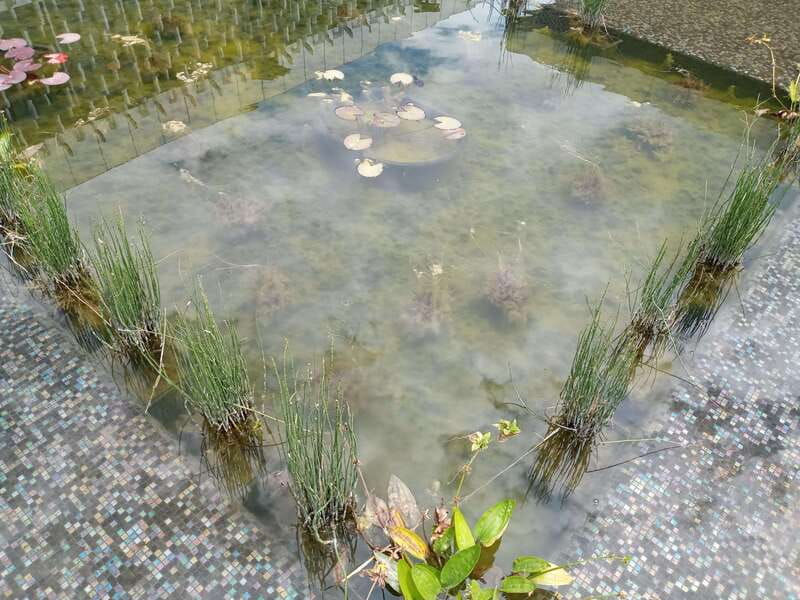
After the galleries, you also get access to the gardens surrounding the museum as part of the route. This is more than a pleasant walk. It changes your tempo.
Walking into garden space after hours of carved stone is like letting your brain breathe. The museum’s outdoor areas also help you remember that these objects weren’t made in a vacuum; they belonged to landscapes and daily life. If you’re visiting with kids, seniors, or anyone who gets museum fatigue, this garden segment makes the whole tour more humane.
You also get better photos here than in the busiest indoor areas, and you can take a minute to regroup before your final explanations and questions.
Guides Make the Difference: Edith G. and Hector’s Approach
What stands out in the experience is that the tour is led by a real person who can shape the flow. Edith G. is listed as the tour guide, and the tour has also been led by Hector for visitors in the past.
The best guided museum tours do two things: they explain what you’re looking at, and they keep the pace readable. With these guides, the vibe is friendly and question-friendly. The tour time is used to cover a lot of ground at an enjoyable pace, and the guide doesn’t treat your questions like distractions.
One more practical point for English speakers: some museum signage may not be translated into English. That’s exactly where having a live guide helps—you’re not left guessing what you’re staring at.
Price and Value: Is $38 Worth It?
At $38 per person for 3 hours, this is not the cheapest option you’ll find in Mexico City—but it’s also not priced like a luxury show. The reason it can be worth it is that you’re paying for the combination of:
- Entrance to the museum
- Guiding by a federal tour guide
- A curated route through the main cultures and iconic objects
- Small group size (up to 8)
If you tried to do the same learning without a guide, you’d likely either spend extra time hunting for context or miss the symbolism that makes the artifacts click. Museums like this charge nothing for being confusing. This tour helps you avoid that.
Also, the group size changes how you experience value. With too many people, your questions become background noise. With a small group, you get a real back-and-forth.
What If You Want More After the Tour?
This is the kind of museum where you’ll probably want follow-up time on your own. The tour covers the highlights and key cultural areas, but the museum is large. If you’re the type who wants to revisit things in peace, plan a little breathing room afterward.
Food is easy to think about at the wrong time—so here’s a helpful heads-up drawn from visitor experience: lunch may not be available until 1 pm in the dining area. If you arrive earlier, you might have more luck with a late breakfast or earlier options before lunch hours kick in, then you can recharge before your extra self-guided wandering.
Who Should Book This Tour (and Who Might Skip It)
This tour is a great fit if you:
- want a structured route through Teotihuacan, Mexica, Maya, Toltec, and Gulf of Mexico cultures
- care about the meaning and symbolism behind major artifacts
- prefer a small group and a guide who answers questions
- are visiting for a limited time and want the museum to make sense fast
You might skip it if you:
- already have deep familiarity with Mesoamerican cultures and want to go full self-guided without stopping
- want to spend most of your time in one gallery for a long, unbroken deep read (three hours is finite)
- aren’t able to walk comfortably for a multi-room museum route
Should You Book This 3-Hour Museum of Anthropology Tour?
Yes—if you want clarity, momentum, and meaning without spending hours figuring out what matters. The tour’s biggest strength is that it turns iconic objects like the Sun Stone, Coatlicue, Olmec Heads, and Mask of Pakal into part of a coherent story. You’ll walk out with symbols you can recognize later, and you’ll likely enjoy your independent time inside the museum more.
If you’re deciding between this and a self-guided visit, I’d choose the guided tour first. Then use your extra time afterward to go back to the pieces that made you pause the most.
And if you’re booking with flexibility, the experience offers free cancellation up to 24 hours in advance and a reserve now & pay later option, which is useful when plans are still shifting.
FAQ
How long is the guided tour of the Museum of Anthropology?
It lasts 3 hours.
What does the $38 price include?
The price includes entrance to the museum and a guided visit by a federal tour guide.
Are meals included?
No. Food and beverages are not included, and souvenirs aren’t included either.
What languages are offered?
The live tour guide is available in English.
How big is the group?
The tour is a small group limited to 8 participants.
Where do I meet the guide?
Meet at the entrance to the Museum of Anthropology next to the Mexican Flag.
What should I bring?
Bring comfortable shoes.
When does the tour run?
Tours are usually available in the morning and afternoon.
Can I cancel?
Yes. There is free cancellation up to 24 hours in advance for a full refund.
Is there a way to book without paying right away?
Yes. It offers reserve now & pay later, letting you book your spot and pay later.
If you want, tell me your travel dates and whether you prefer morning or afternoon—and I’ll help you plan what to do inside and outside the museum so your day feels smooth.