REVIEW · MEXICO CITY
Fly over to the Unexplored Parts of CDMX by Cable Car
Book on Viator →Operated by Warrior Gastro-Tours · Bookable on Viator
Cable cars over real neighborhoods. This tour uses the Cablebús to show Mexico City from a viewpoint most visitors never bother with, then grounds it with real neighborhood time in Iztapalapa. I really like how you pair the aerial views with stops that feel everyday, including a local market visit where the tacos hit and the murals pop. I also like that it runs on public transport, so you leave with a practical sense of how to get around.
The one drawback: it’s fast-paced and involves a lot of walking and stairs, plus noisy transit segments. If you move slowly, need quiet for conversation, or struggle to follow English in a crowd, this may feel like too much.
In This Review
- Key highlights to know before you go
- Why Iztapalapa and the Cablebús make CDMX click
- Meeting at Centro Histórico: easy to find, easy to start
- Stop 1: Museum of Cultures By Iztapalapa Passion (35 minutes)
- Stop 2: Walking Iztapalapa + cultural center + cable car time (about 1 hour)
- Stop 3: Mercado Quetzalcoatl (30 minutes) for tacos + mural spotting
- Stop 4: Pulquería finale with a pre-Hispanic-style drink (about 20 minutes)
- Public transit practice you can reuse after the tour
- Price and value: where the $58 goes
- Pace, stairs, and language considerations
- Who should book this tour (and who might skip it)
- Tips to get the most out of your Cablebús day
- Should you book Warrior Gastro-Tours for this Cablebús route?
- FAQ
- How much does the Cable Car tour in CDMX cost?
- How long is the tour?
- Is the tour offered in English?
- What’s included in the tour stops?
- Where do we meet and where does the tour end?
- What’s the group size?
- Can I cancel for a full refund?
Key highlights to know before you go
- Cablebús as transit: you experience the ride like locals, not like a theme park line.
- Iztapalapa, not the postcard route: street walking plus a cultural center stop helps you understand the area’s context.
- Museum stop that sets the tone: a dedicated stop on Iztapalapa’s history and traditions before you head out.
- Mercado Quetzalcoatl for tacos and murals: food plus art on a scale you won’t see near the main tourist lanes.
- Pulquería finish with a pre-Hispanic-style drink: a social end to a day that mixes learning and eating.
- Small group size: up to 20 travelers, which keeps the pacing and logistics manageable.
Why Iztapalapa and the Cablebús make CDMX click
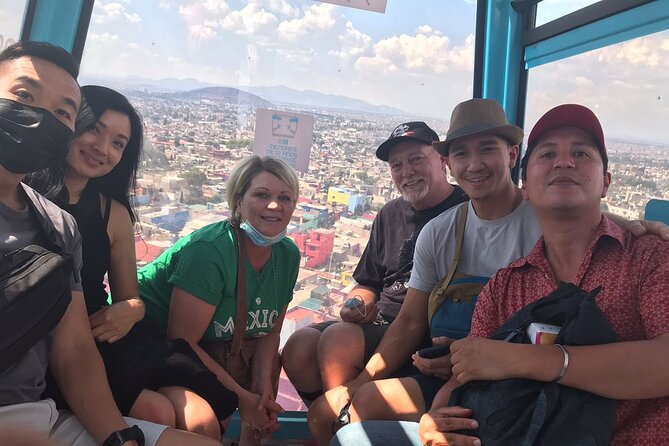
Mexico City is huge, and most visits accidentally teach you the city’s shopping street version. This tour does the opposite. It takes you into Iztapalapa, one of the biggest districts, and then lifts you up on the Cablebús so you can see what those neighborhoods look like from above.
That combo does something smart: it turns geography into a story. At street level, you get a feel for everyday life and local culture. From the cable car, you understand the scale, the density, and how the city sprawls beyond the usual viewpoints.
You can also read our reviews of more tours and experiences in Mexico City.


Meeting at Centro Histórico: easy to find, easy to start
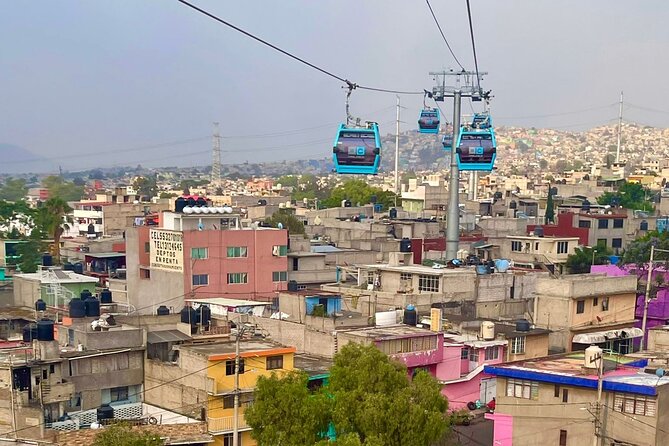
You meet at Churrería El Moro Centro in the Centro Histórico area (Eje Central Lázaro Cárdenas 42). It’s downtown and close to public transportation, so getting there is straightforward. The tour ends back in Centro Histórico at Pulquería La Risa on Calle de Mesones 71.
A small but important point: since your day is built around transit connections and walking, it helps to show up a few minutes early and keep your phone ready for the mobile ticket setup.
Stop 1: Museum of Cultures By Iztapalapa Passion (35 minutes)
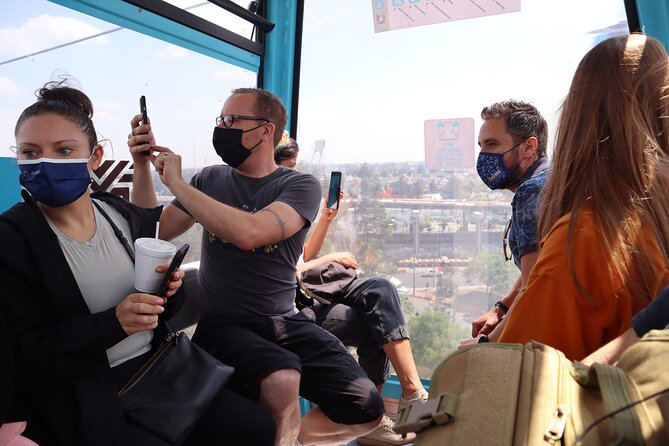
Your first stop is the Museum of Cultures By Iztapalapa Passion, with admission included. You’ll spend about 35 minutes there, focusing on the history and traditions of Iztapalapa.
Why this matters: if you go straight into a neighborhood without context, you mostly see surfaces. Starting with a museum primer helps you notice patterns when you later walk the streets—why certain cultural centers matter, how local traditions fit together, and what makes this district distinct in CDMX.
Practical note: museums are time-boxed on tours. You should expect a focused overview rather than a long, slow stroll. If you want to linger, plan to return later on your own.
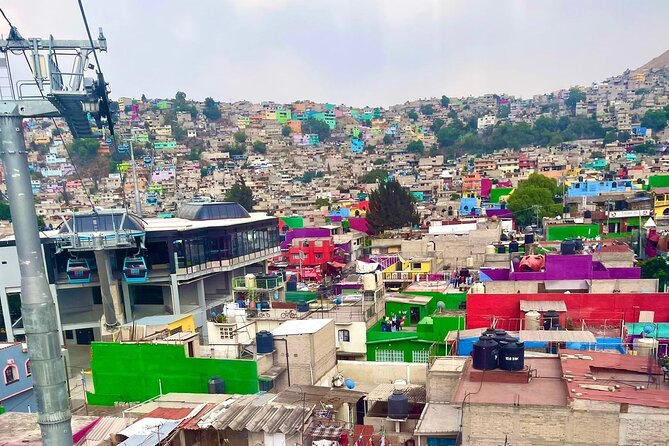
Stop 2: Walking Iztapalapa + cultural center + cable car time (about 1 hour)
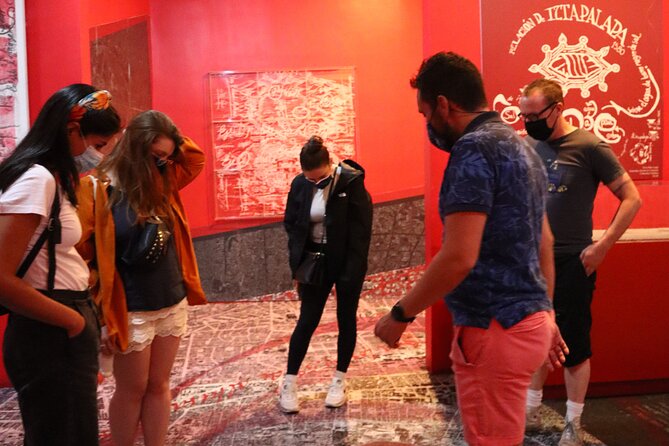
Stop 2 is the heart of the day. You’ll walk through Iztapalapa’s streets, visit a cultural center, and eat local food. Then you’ll take the cable car to appreciate the neighborhoods from above.
This is where the experience becomes more than sightseeing. Iztapalapa is large, and the streets feel lived-in, not curated. The guide commentary connects what you see to how the neighborhood developed and how local culture operates today.
From the ride in the air, you get a view that changes your mental map. Rooflines, murals painted on buildings, and the sheer density of homes all become easier to understand once you’ve actually been walking below them.
Two things to watch:
- This segment involves walking, and the overall tour has plenty of steps.
- Expect a “get around” day. The tour builds in public transportation practice, which is great for learning—but it can also feel busy.
If you want one reason to do this early in your trip: it teaches you how the city moves and how to read the city layout faster than you would by guessing from a map.
Stop 3: Mercado Quetzalcoatl (30 minutes) for tacos + mural spotting
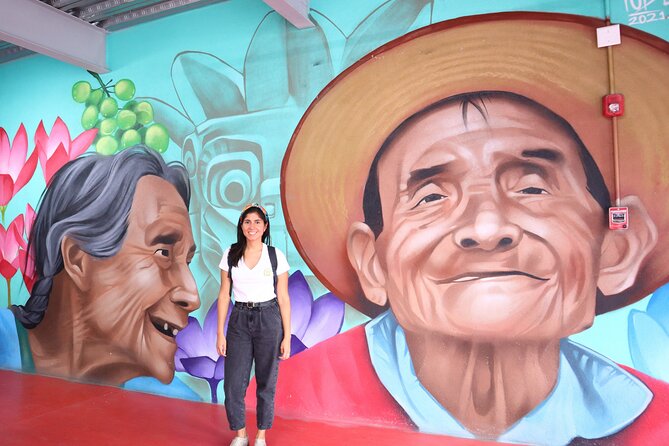
Next up is MERCADO QUETZALCOATL, again with admission included, for about 30 minutes. This stop is built around two wins: amazing tacos and really beautiful murals.
Tacos in Mexico City can be a minefield if you don’t know where to look. Here, the market stop is part of the structure, so you’re not left spending your whole time hunting for something good. You also get a built-in reason to look up. The murals aren’t just decoration; they’re part of how neighborhoods express identity.
If you’re the type who likes to take photos, be ready for a lot of “quick shots” rather than slow portrait-style framing. You’ll have a short window, so it’s smart to decide what you want most: food, art, or street scenes.


Stop 4: Pulquería finale with a pre-Hispanic-style drink (about 20 minutes)
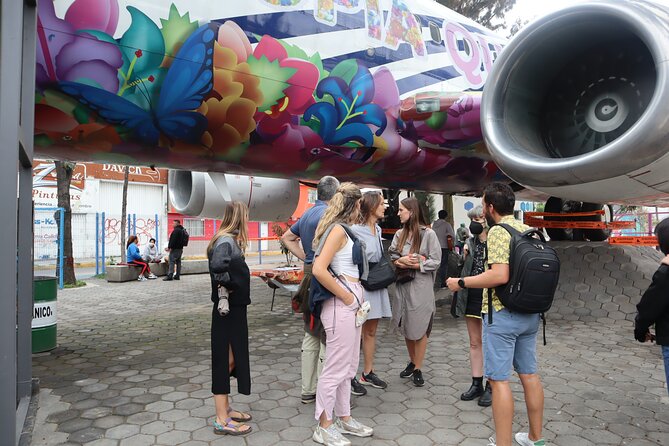
You’ll finish with a local bar visit for a pre-Hispanic-style beverage. The tour details list Pulquería Vacas Verdes Bellas Artes, while your meeting info says the tour ends at Pulquería La Risa in Centro Histórico. Either way, the finale is clearly a pulquería-style stop with a included drink.
This last block is only about 20 minutes, so think of it as a high-energy wrap rather than a long dinner. It’s also where the snack and alcoholic beverage element of the tour likely comes together in a relaxed setting.
It’s a good moment to ask your guide how to build a day after this tour—where to go next, what to skip, and how to avoid wasting time bouncing between far-flung areas.
Public transit practice you can reuse after the tour
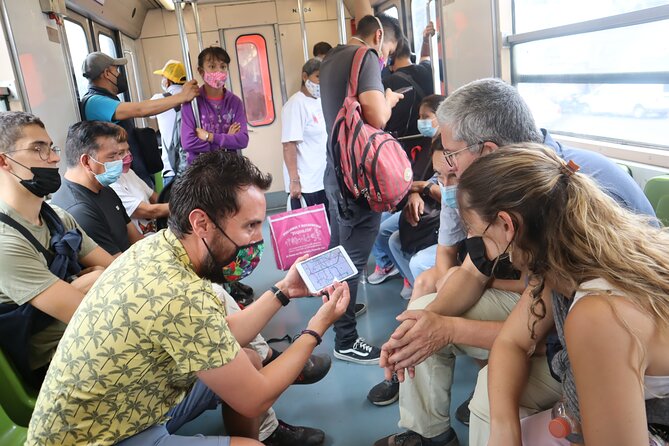
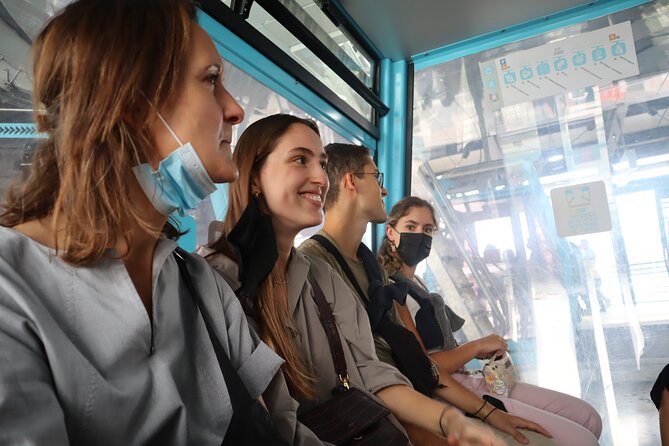
One of the strongest parts of this experience is the way it trains your brain to move around CDMX. You’re not just riding; you’re learning how to use the city’s transit system. The cable car ride is the standout visual, but the real value is that you start to understand how to get from one zone to another.
That matters because a lot of visitors burn time in traffic or overpay on private rides. When you know the basics—how routes connect, where you’re headed, and what to watch for—you travel with less stress.
Also, the guide’s English is a big factor. The tour is offered in English, and Fernando has been noted as very effective at explaining the history and the social context while you move. You’ll also hear the city described through real neighborhood logic, not just dates and landmarks.
Price and value: where the $58 goes
At $58 per person for about 4 hours 30 minutes, the price is easiest to justify when you look at what’s included.
You’re getting:
- Museum admission at the first stop
- Local market admission at Mercado Quetzalcoatl
- Included stops/entry and an end-bar experience
- A snack plus an alcoholic beverage during the tour
- A guided day that brings you into Iztapalapa and then up into the sky via the Cablebús
On paper, you might think, It’s just a few stops. In practice, you’re paying for a guided route that stitches together context, food, art, and transit know-how in a single day without you needing to research every connection.
A small note: it’s commonly booked about 20 days in advance on average. If you know your travel dates, don’t wait until the last week.
Pace, stairs, and language considerations
This is not a slow, museum-and-coffee kind of tour. It’s a “walk, ride, look, eat” format. Many parts of the day involve stairs and steady movement between public transportation and street-level stops.
Also, expect real-world noise. Metro and transit areas can be loud, and conversations can happen quickly while you’re moving. If you rely on very clear speech or need extra time to process in English, plan accordingly.
This tour also says most travelers can participate, and the group size stays under 20 travelers. That said, if you can’t manage a faster pace, or if hearing is an issue, it’s worth thinking twice.
Who should book this tour (and who might skip it)
Book it if you want:
- A CDMX view from above that shows everyday neighborhoods
- A real walk through Iztapalapa, not a quick photo stop
- Tacos + murals in a market setting
- A guide who connects transit and city life so you understand more than scenery
- A tour you can do early to get your bearings
Skip it if you:
- Need a very slow pace or want to avoid stairs
- Struggle with noisy transit and fast spoken explanations
- Prefer a purely classic tourist circuit with minimal movement
Tips to get the most out of your Cablebús day
A few practical moves make this smoother:
- Wear shoes you trust. This is a walking day, and it’s not just flat strolls.
- Bring a small bottle of water if you run thirsty easily. (Hydration helps when you’re moving through transit.)
- Keep your phone charged for quick mural photos, then put it away during food stops so you can actually enjoy the tacos.
- If you want to learn fast, ask your guide questions during transit moments. That’s when the context usually clicks.
Should you book Warrior Gastro-Tours for this Cablebús route?
I’d book this if you want CDMX beyond the usual center-of-town loops. The Cablebús ride gives you a perspective that’s hard to replicate on your own, and the day is built around understanding Iztapalapa through stops that connect history, food, and street art.
The biggest decision factor is your tolerance for walking and stairs. If you’re comfortable with a busy pace and you can follow English in lively public spaces, you’ll likely leave with two things: a stronger sense of the city’s layout and a food-and-art memory that feels genuinely local.
If you’re unsure, choose a day with good weather. The tour is weather-dependent, and you’ll want visibility for the cable car views.
FAQ
How much does the Cable Car tour in CDMX cost?
It costs $58.00 per person.
How long is the tour?
The duration is about 4 hours 30 minutes.
Is the tour offered in English?
Yes, it is offered in English.
What’s included in the tour stops?
Admission tickets are included at the Museum of Cultures By Iztapalapa Passion and at Mercado Quetzalcoatl. The Iztapalapa stop has admission marked as free, and the pulquería/drink stop includes admission.
Where do we meet and where does the tour end?
You start at Churrería El Moro Centro in Centro Histórico. The tour ends at Pulquería La Risa on Calle de Mesones 71, also in Centro Histórico.
What’s the group size?
The tour has a maximum of 20 travelers.
Can I cancel for a full refund?
Yes. You can cancel up to 24 hours in advance for a full refund. Cancellation within 24 hours isn’t refunded.