Bread with a neighborhood heartbeat. The afternoon rolls through Mexico City with Mercado de San Cosme at the center, then shifts to an at-home-style baking lesson with classic sweets—plus Oaxacan chocolate from Oaxaca. You also get cultural stops that aren’t just for show: a Michelin-star taqueria pause, an opera-house/cinema visit, and time in the area known for architects and artists like Remedios Varo.
I especially like the format: you shop for ingredients at the market before you start baking, so the class feels connected to real local life. I also love the hands-on payoff—when you leave, you take home recipes and the know-how to make conchas (shell-shaped sweet bread) or pan de muerto (dead bread) again yourself. One consideration: this is a small group class, so if you need a very slow pace or lots of extra time for questions, you may want to plan to be ready to move with the group.
In This Review
- Key Highlights You’ll Actually Feel
- San Cosme Market First: The Smart Way to Start a Baking Class
- Verónica’s Lesson Style: Friendly, Clear, and Built for Real Levels
- The Baking You’ll Make: Conchas vs. Pan de Muerto
- Oaxaca Chocolate With Your Bread: The Pairing That Makes Sense
- More Than Food: Taquería With a Michelin Star and a Cultural Stop
- Where the Cooking Happens: The Home-Like Feel
- Price and Value: What $70 Gets You in Real Terms
- Who Should Book This Bread Class (and Who Might Skip It)
- Should You Book Baking Delicious Traditional Mexican Bread?
- FAQ
- How long is the baking experience?
- Where does the tour start?
- Is this experience in English?
- What’s the group size limit?
- What bread will I learn to make?
- Will I have chocolate as part of the experience?
- What’s included in the price?
- Is transportation included?
- What do I take home at the end?
- When does the tour end?
Key Highlights You’ll Actually Feel
- San Cosme Market ingredients first so your baking starts with real shopping, not a pre-boxed kit
- Pan de muerto or conchas with a professional baking approach for home results
- Verónica’s warm, clear teaching with a friendly, home-kitchen feel
- Oaxaca chocolate paired on purpose for texture and flavor, not just as a snack
- Neighborhood culture stops including a Michelin-star taqueria and an opera-house/cinema area
San Cosme Market First: The Smart Way to Start a Baking Class
This is the kind of Mexico City food experience I trust because it starts where local food starts: at the market. The tour meets at Mercado de San Cosme in the San Rafael area, at C. Gabino Barreda 18 (Cuauhtémoc). From there, you’re not just walking past stalls—you’re using the market as your ingredient map.
Why that matters: it changes how you remember the lesson. If you know what flour, chocolate, or toppings look like in the places Mexicans actually buy them, the next time you try baking at home, you’re not guessing. You’re recreating.
The market visit also sets your expectations for the rest of the afternoon. This isn’t a big showy factory tour. It’s about taste, texture, and simple techniques you can repeat later—while still getting the fun side of food travel: smelling, browsing, and seeing how ingredients are handled in everyday life.
Group size is small—maximum 6 travelers—so you’re more likely to get real attention from the guide while you shop and bake. That also means the pace feels like a friend-led afternoon rather than a conveyor belt.
You can also read our reviews of more tours and experiences in Mexico City.


Verónica’s Lesson Style: Friendly, Clear, and Built for Real Levels
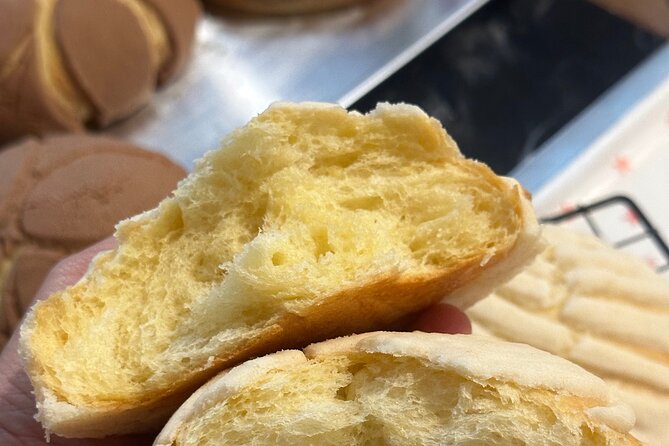
The class component is led by Verónica, and her teaching style is a big part of why this experience earns top marks. People describe her as warm, instructional, and very knowledgeable, but the vibe stays relaxed. You can ask questions without feeling like you’re holding up a production line.
A useful detail here: the class works for different experience levels. Even if you’ve never baked anything beyond toast, the steps are presented in a way that makes the process feel manageable. And if you’re more experienced, you’ll still appreciate learning the bread method and getting tips that help the final texture land right.
The practical value is that the lesson isn’t just about making something once. You also leave with recipes to prepare at home, which turns this from a one-off souvenir into something you can repeat. That’s the difference between eating a dish and learning a technique.
The Baking You’ll Make: Conchas vs. Pan de Muerto
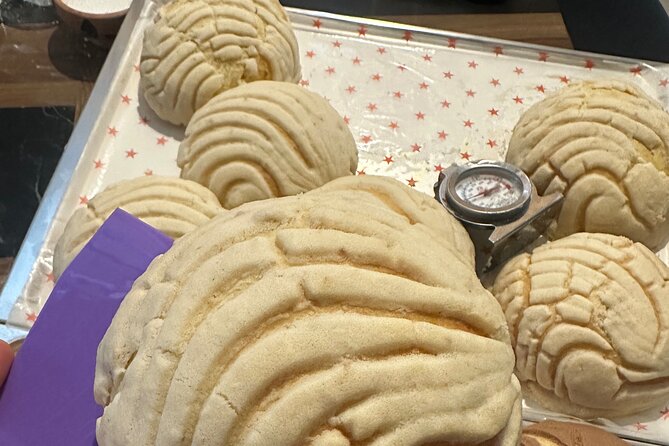
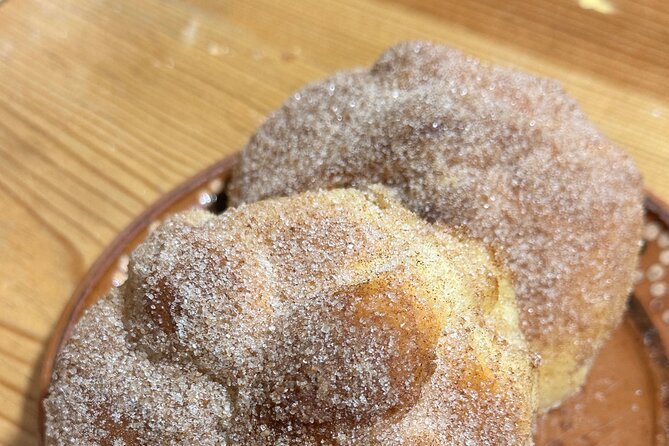
Here’s what you can expect to bake: conchas (often called shells) and/or pan de muerto (dead bread). Both are traditional Mexican breads, but they feel different in hands-on terms—especially in the shaping and decorative elements.
Conchas are the sweet-bread classic with that shell-like topping. The method is repeatable, but it looks more complex than it is. The biggest win in this kind of class is learning how to get the topping to behave so it bakes into a smooth, attractive texture rather than a messy blob.
Pan de muerto is a different mood: a fluffy bread that’s strongly associated with Dia de Muertos. The lesson aims for results that are tender and airy, not dry. It’s also the kind of bread where technique matters—how you handle dough, how you shape, and how you manage timing so it bakes up correctly.
If you’re choosing between them (or hoping for both), think about what you want to cook later. Conchas are great for anytime sweetness. Pan de muerto is special-occasion bread—and learning it means you can make a holiday tradition at home, not just admire it on a bakery shelf.
Oaxaca Chocolate With Your Bread: The Pairing That Makes Sense
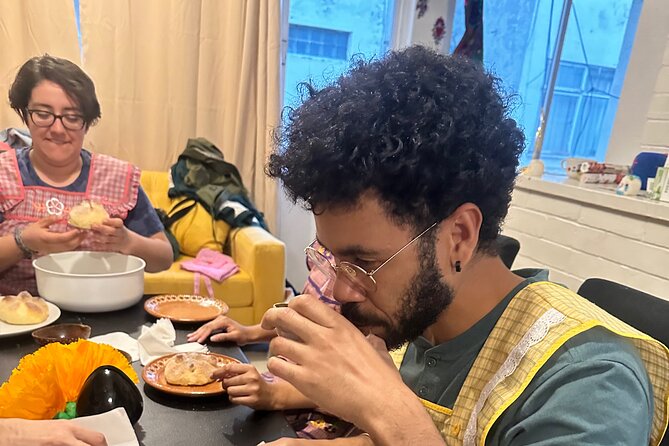
You’ll also prepare Oaxacan chocolate to accompany your bread. This is not treated like an afterthought. The lesson includes combining flavors and working with chocolate in a way that aims for an authentic outcome—and it uses chocolate brought directly from Oaxaca.
This matters because chocolate can make or break the “I want to recreate this at home” goal. If you only learn the bread but not the pairing, your results may fall flat. With this tour, you’re learning the complementary taste: how the chocolate supports the sweetness of conchas or rounds out the comforting flavor of pan de muerto.
One more practical angle: hot chocolate turns the whole afternoon into a satisfying rhythm. You’re baking, tasting, adjusting, and then finishing with the kind of warm pairing that makes the bread feel complete rather than like an isolated project.
If you love chocolate, keep an eye on the portioning and texture cues your guide gives. Those moments are usually where people pick up the real technique that helps at home.
More Than Food: Taquería With a Michelin Star and a Cultural Stop
Food tours can fall into two categories: eat-and-leave, or eat-and-learn. This one tries to do both without turning into a lecture.
One standout stop is a taquería described as the only taqueria in Mexico with a Michelin star. Even if you’re not chasing awards, it’s a smart pause because it gives you a comparison point. After shopping and baking, you see how another side of Mexican cuisine is treated with high standards. And since the tour also walks through the colony, you’re not just stepping into a restaurant—you’re learning how food fits the neighborhood.
You’ll also visit a major opera house that’s important locally and known as a key cinema stop. That part adds a sense of place: you’re learning that this area isn’t only about food. It’s also architecture, performance, and art.
Then there’s the “colony of architects” idea. You enter the neighborhood connected to artists such as surrealist painter Remedios Varo. That cultural thread is small but memorable, because it explains why the neighborhood feels different from purely commercial parts of the city.


Where the Cooking Happens: The Home-Like Feel
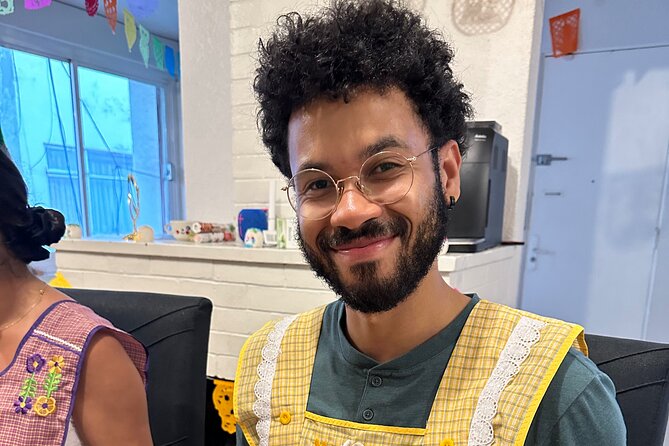
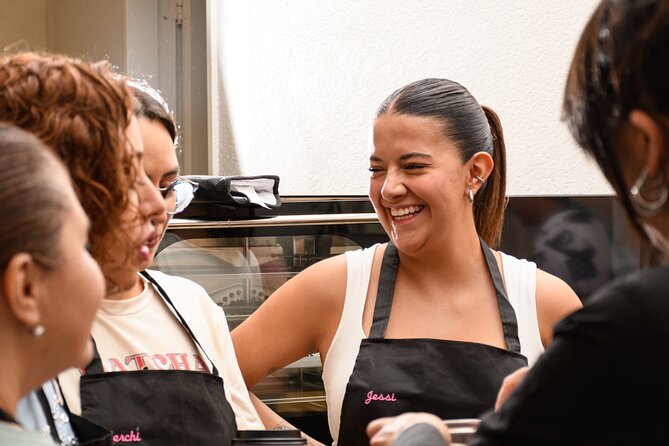
The baking portion takes place when you arrive at Verónica’s house, where you learn to prepare traditional Mexican bread. That shift—from market streets to a kitchen setting—is a big part of the comfort level.
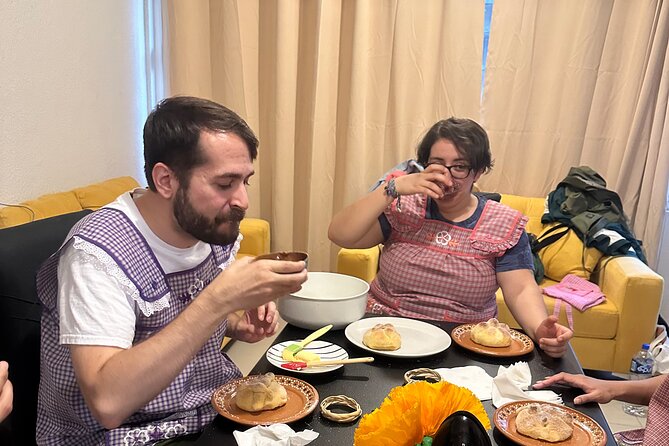
People’s descriptions of the experience repeatedly highlight the “friend in the home” feeling: warm hospitality, a relaxed atmosphere, and clear guidance while you work. That’s exactly what makes a class enjoyable rather than stressful. You’re focused on the bread, not on feeling watched or rushed.
Kitchen equipment is included, along with snacks, coffee and/or tea, and the guide. So you’re not arriving needing to bring tools or supplies. Your main job is showing up hungry, curious, and ready to work with your hands.
Because the group stays small, you’re not fighting for space or waiting too long. That’s how you get an afternoon that feels full instead of chaotic.
Price and Value: What $70 Gets You in Real Terms
At $70 per person for around 2 hours 30 minutes, this class offers value in three ways.
First, you’re paying for more than cooking. You’re paying for ingredient shopping at San Cosme Market, a guided cultural walk, and then the actual baking lesson plus the chocolate component. That’s a lot packed into one short block of time.
Second, you’re not just eating the results. You leave with recipes, which makes the cost easier to justify. If you bake even once more at home, you’ve already turned the experience into a skill, not just a meal.
Third, small-group size helps. Maximum 6 travelers means more attention, less waiting, and a better chance to get technique right.
One drawback to keep in mind: private transportation isn’t included. The meeting point is near public transportation, but you’ll still need to get there on your own. If you’re trying to minimize walking or transfers, plan your route ahead.
Who Should Book This Bread Class (and Who Might Skip It)
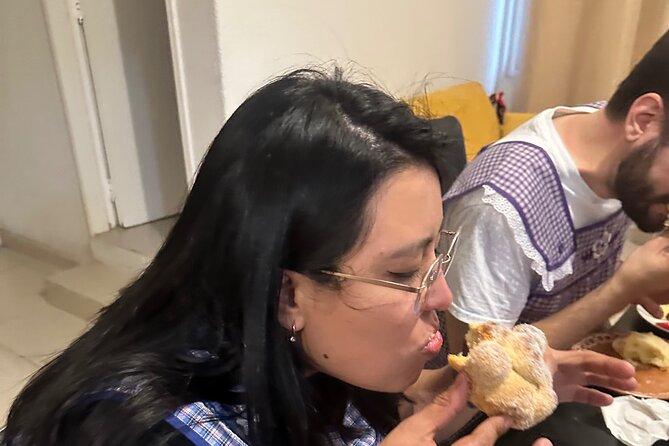
This tour is a strong fit if you want a hands-on Mexico City food experience with actual output. I’d especially recommend it if you like baking, enjoy traditional sweets, or want to bring home a recipe-based memory instead of a few photos.
It’s also a good choice for travelers who enjoy structure without stiffness. The afternoon mixes neighborhood culture with a cooking lesson, so you get variety without losing the focus.
If you’re traveling with kids or teens, it can work well because the class format is described as enjoyable for different ages and experience levels. One review even called it a great shared afternoon with a teenage granddaughter, which tells me the tone is approachable.
You might consider skipping it if you want only restaurant-style eating and zero hands-on time. This is a baking lesson. You’ll be doing the work.
Should You Book Baking Delicious Traditional Mexican Bread?
Yes—if you want something that feels both practical and genuinely local. The combination of San Cosme Market shopping, a small-group kitchen lesson with Verónica, and the pairing of bread with Oaxacan chocolate is the kind of mix that makes the experience useful after you leave Mexico City.
Book it when:
- you want recipes you can use at home
- you like learning technique, not just tasting
- you’re excited by pan de muerto and/or conchas
Skip it when:
- you dislike hands-on cooking
- you’re expecting a quick restaurant meal instead of a process-based class
- you don’t want to plan your own arrival by public transit
If you’re still deciding, lean toward booking. The value comes from the fact that you’re not only seeing the city—you’re taking a piece of it with you, in a form you can actually make again.
FAQ
How long is the baking experience?
It lasts about 2 hours 30 minutes.
Where does the tour start?
It starts at Mercado de San Cosme, C. Gabino Barreda 18, San Rafael, Cuauhtémoc, 06470 Ciudad de México, CDMX, Mexico.
Is this experience in English?
Yes, it’s offered in English.
What’s the group size limit?
The tour has a maximum of 6 travelers.
What bread will I learn to make?
You’ll learn to prepare traditional Mexican bread, including conchas (shells) and/or pan de muerto (dead bread).
Will I have chocolate as part of the experience?
Yes. You’ll prepare Oaxacan chocolate to accompany your bread, using chocolate brought directly from Oaxaca.
What’s included in the price?
Snacks, kitchen equipment, coffee and/or tea, and the guide are included.
Is transportation included?
No, private transportation isn’t included.
What do I take home at the end?
You’ll take the recipes to prepare at home.
When does the tour end?
It ends back at the meeting point.