REVIEW · MEXICO CITY
Special Pre-Hispanic Day of the Dead Tour
Book on Viator →Operated by Educando con Cultura · Bookable on Viator
One walk, four centuries of ideas. This Special Pre-Hispanic Day of the Dead tour links art, architecture, and Aztec beliefs about life and death in a tight 2 to 2.5 hours. I like that it starts with a major storytelling landmark and ends at the Templo Mayor Museum, so your day has clear momentum instead of a random hit list. I also appreciate the built-in pace: shorter museum stops and focused explanations keep you from burning out halfway.
Two things I genuinely like: you get included admission at Museo Mural Diego Rivera, and the other stops are mostly easy add-ons with free entry where listed. The tour also uses history as a theme, so you’re not just looking at buildings—you’re learning why they matter. One possible drawback: the stop times are short, so if you want to linger and read every label for 45 minutes, you may feel a bit rushed.
In This Review
- Key points before you go
- A pre-Hispanic Day of the Dead theme that doesn’t feel like a costume parade
- Meeting point to finish line: a simple route from Centro to Templo Mayor
- Stop 1: Museo Mural Diego Rivera and why it sets the tone for everything else
- Stop 2: Alameda Central—history in a park built in 1592
- Stop 3: Palacio Postal and the architecture-and-legends approach
- The theater of Esperanza Iris, plus a former Inquisition palace turned Medicine
- Stop 4: Museo del Templo Mayor—Aztec life-and-death worldview as the real finish
- Price and ticket value: $58.51 for a guided history sprint
- Language, group size, and how the tour actually feels
- Who should book this tour (and who should skip)
- Tips to get the most out of the day
- Should you book this Special Pre-Hispanic Day of the Dead Tour?
- FAQ
- How long is the Special Pre-Hispanic Day of the Dead Tour?
- Where does the tour start and end?
- Is the tour offered in English?
- What’s included in the price?
- Are there admission fees for the stops?
- How big is the group?
- Can I cancel for a refund?
Key points before you go
- Diego Rivera mural as your history “map”: get the big storyline first, then everything else makes more sense.
- Alameda Central with centuries of civic history: a 1592 park built by Viceroy Luis de Velasco.
- Palacio Postal architecture plus legends: a photogenic stop where details are part of the lesson.
- A stop for Esperanza Iris’s theater: you’ll connect performance history to the city’s older layers.
- Holy Office history, now the Palace of Medicine: the guide explains the Inquisition-era role of the site.
- Templo Mayor Museum ending: you leave with a clearer view of Aztec worldviews about life and death.
A pre-Hispanic Day of the Dead theme that doesn’t feel like a costume parade
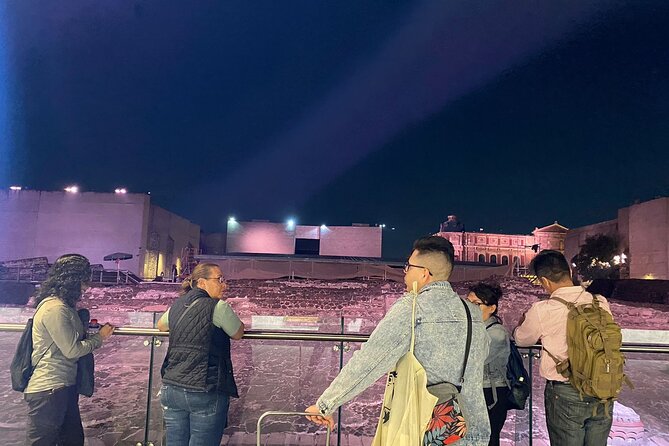
This tour is about the pre-Hispanic side of the Day of the Dead story. You’re not focused on decorations or supermarket-style “festive vibes.” Instead, the walk ties belief systems and rituals to real places in Mexico City.
That approach matters because it changes how you see the city. When you understand how the Aztecs thought about life and death, the symbolism behind the landmarks starts to click. And because the tour moves through multiple eras—early Spanish through the modern world—you get context instead of isolated facts.
The other big win is structure. You’re guided step-by-step, with a clear start and finish, and the stops are spaced so you can absorb what you’re hearing. With a group capped at 25 travelers, the pace stays workable and questions are less likely to disappear into the crowd.
You can also read our reviews of more tours and experiences in Mexico City.


Meeting point to finish line: a simple route from Centro to Templo Mayor
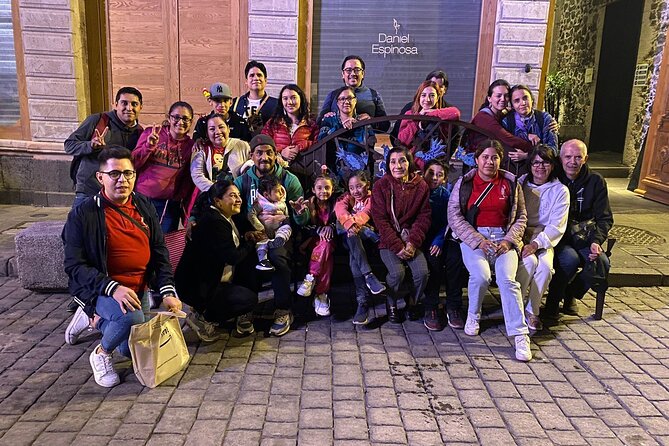
The start is at the Diego Rivera Mural Museum on Calle Colón Balderas s/n, in Colonia Centro. The tour ends at the Templo Mayor Museum, Seminario 8, Centro Histórico de la Cdad. de México.
That endpoint is a gift if you’re planning what comes next. You finish where a lot of people want to be anyway: near one of the city’s most important historical zones. You won’t be shuffled across town at the end.
Also, the tour is designed to be easy to join using public transportation. If you’re staying in Centro or nearby neighborhoods, this is one of those day-of-the-week plans that fits without needing a full transit strategy.
Stop 1: Museo Mural Diego Rivera and why it sets the tone for everything else
Your first stop is Museo Mural Diego Rivera, with about 25 minutes on-site and admission included. This is where the tour builds its “story engine.”
The mural lesson isn’t just about admiring paint. It’s about using the characters in the artwork to explain how Mexico’s history changed over time. When you start here, you get a broad timeline in your head early on. Then when you hit later stops—parks, postal palaces, and even Aztec ritual worldviews—you can connect the dots.
Why this works for value: if you’re paying for a guide, you want the guide to do the heavy lifting. Starting at the mural ensures the guide isn’t just pointing at random sights. You’ll understand the thread they’re pulling before you reach the more complex end of the tour at Templo Mayor Museum.
One practical note: murals like this can be visually dense. Twenty-five minutes is enough to grasp the key points, but if you like to stand and read every panel for a long stretch, you may feel you skimmed slightly. The tradeoff is that you’ll get more stops today.
Stop 2: Alameda Central—history in a park built in 1592
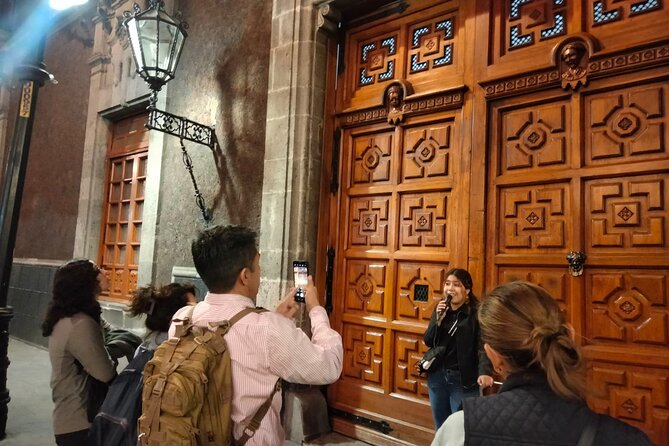
Next you head to Alameda Central for about 15 minutes. Admission is free (as listed), and you’ll look at the park’s classic sculptures and how it changed over time.
This is a great “reset” stop. Parks in historic city centers can become a blur if you walk through them without context. Here, the guide ties the space to a specific moment: it was ordered to be built by Viceroy Luis de Velasco in 1592.
That detail matters because it anchors the park in the colonial era, not just in today’s coffee-and-tourist-footsteps reality. If you’ve ever wondered why certain city centers feel old in more ways than one, this stop gives you a clean answer.
The downside is also simple: fifteen minutes is brief. It’s ideal if you like short, guided snapshots. It’s less ideal if you want to sit, take photos, and do “park people watching” for an hour.
Stop 3: Palacio Postal and the architecture-and-legends approach
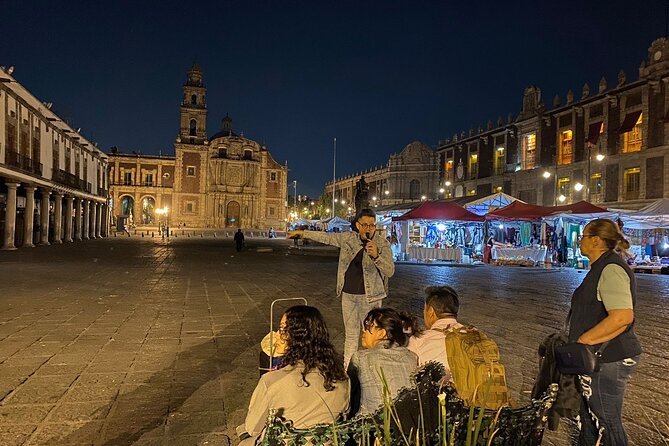
Then comes Palacio Postal, where you’ll spend about 15 minutes. Admission is listed as free. This stop is where the tour shifts from civic history to architectural storytelling.
You’ll see eclectic architecture up close and hear legends tied to the building, plus details in how the spaces are put together. I like this kind of stop because it trains your eye. Instead of you just thinking, wow, it’s pretty, you start noticing how style changes by influence and era.
It also balances the schedule. You’re not trapped in one indoor museum for too long, but you still get an explanation-worthy building. If you’re the type who likes architecture but worries you’ll get “only surface photos,” this is the right kind of guided format.

The theater of Esperanza Iris, plus a former Inquisition palace turned Medicine
After Palacio Postal, the tour includes two more major historical layers in the same central area.
First is a stop at one of the city’s early important theaters, created by the operetta queen Esperanza Iris. You don’t have to be a theater nerd to enjoy this. In a city like Mexico City, performance spaces often reflect power, culture, and who had access to leisure at different times.
Then the tour turns to a much heavier historical note: in colonial times the location was the Palace of the Inquisition, and today it’s the Palace of Medicine. The guide explains the Holy Office element of that era.
This pairing is meaningful. It shows how the same city map can hold very different meanings—public culture and institutional control—depending on the century. If you prefer tours that treat history as more than “nice buildings,” this portion is likely to stick with you.
A consideration: this part is brief, because the whole walk is built around moving on quickly. If you want long, detailed treatment of the Inquisition-era context, plan to follow up on your own after the tour using additional reading or a museum visit.
Stop 4: Museo del Templo Mayor—Aztec life-and-death worldview as the real finish
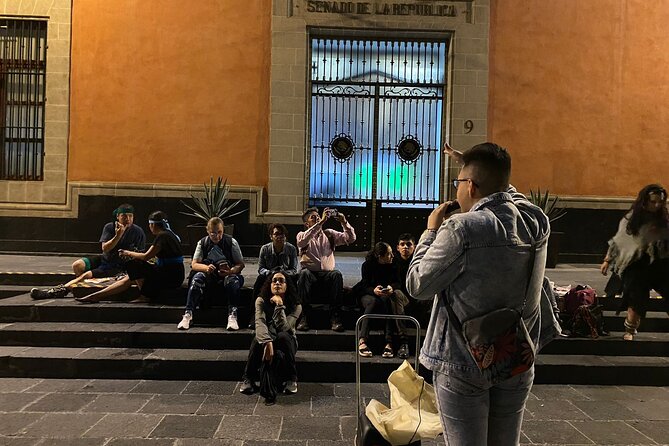
The final stop is Museo del Templo Mayor, with about 30 minutes. Admission is listed as free. This is where the Day of the Dead theme becomes more than a name.
Here, the guide ends by explaining the Aztecs’ worldview about life and death. You’ll hear how they connected rituals to their gods and what those ceremonies meant in their understanding of existence.
This is the “why” behind everything you’ve seen today. You’ve already learned Mexico’s story through time; now you get the belief system piece that explains how the past understood mortality. If you’re visiting around the Day of the Dead season, this ending gives you a more rooted perspective—less about trend, more about tradition.
Why this is valuable at tour speed: many Mexico City tours either focus on colonial-era architecture or on pre-Hispanic sites. This one ties them together, so you can hold both timelines in your head instead of treating them like two separate vacations.
If you want to linger, you can. The tour ends here, so you’re free to keep exploring after your guided time ends.
Price and ticket value: $58.51 for a guided history sprint
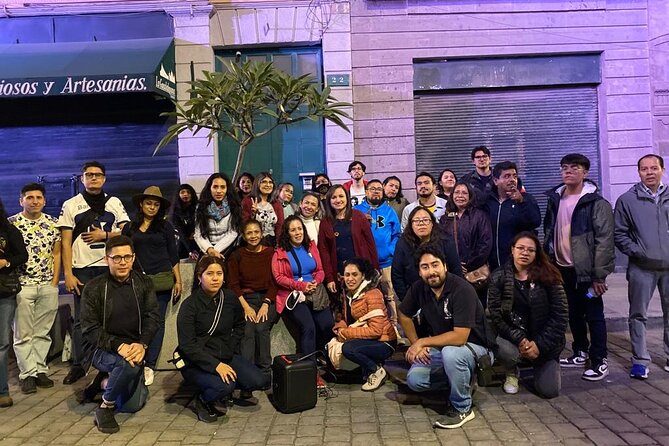
At $58.51 per person for about 2 to 2.5 hours, you’re paying for two things: a guide and included entry where listed.
The price includes tickets and the guide. Specifically, Museo Mural Diego Rivera has admission ticket included. Alameda Central, Palacio Postal, and Museo del Templo Mayor are listed as free admission in the tour description.
So you’re not paying for every stop to have an official paid ticket. You’re paying for the guide’s ability to connect all the stops into one theme—especially the part that explains the Aztec worldview and rituals at the end.
In practical terms, if you’re visiting Centro for the first time, this route can save you time figuring out what to prioritize. And with a maximum of 25 travelers, you’re less likely to feel lost or ignored in a giant group.
Language, group size, and how the tour actually feels
This tour is offered in English and uses a mobile ticket. Group size max is 25, which matters in two ways.
One: short stops need steady pacing. Two: when your guide is explaining cultural meaning, you benefit from hearing without straining over other people’s chatter.
Most travelers can participate, and service animals are allowed. It also says the tour is near public transportation, which is useful when you’re trying to build a tight day around museum timing.
Expect a guided walk with a mix of museum and street-side context. It’s not a slow museum crawl. It’s a “learn the city fast” format.
Who should book this tour (and who should skip)
I think this is a strong fit if:
- You want a pre-Hispanic Day of the Dead perspective tied to real places.
- You like history that explains meaning, not just dates.
- You’re new to Mexico City and want a route that gives you direction quickly.
- You enjoy architecture and public spaces but still want guided interpretation.
I’d suggest skipping or at least pairing with something longer if:
- You prefer very long museum time where you read everything calmly.
- You want a deep dive on any one subject (Aztec rituals, Inquisition history, or architectural legends) rather than a guided overview across eras.
Tips to get the most out of the day
Because the tour is paced and stop times are short, you’ll get better results if you show up ready to listen.
- Wear comfortable shoes. This is a city-walk format.
- Bring a charged phone for the mobile ticket.
- If you’re into photos, aim to take pictures right when the guide points to the key detail, not after everyone moves on.
- At Templo Mayor, give yourself a bit of mental space. That ending carries the whole theme.
And one small “real life” thought: history tours can feel heavy when they cover harsh topics. If colonial Inquisition history is hard for you, you can mentally pace yourself and take breaks when needed—especially around the park stop and Palacio Postal, where the tone tends to feel lighter.
Should you book this Special Pre-Hispanic Day of the Dead Tour?
Yes, if you want a clear, guided way to connect Mexico City’s layered history to a pre-Hispanic take on Day of the Dead. The route is compact, the guide-led storytelling is the point, and the ending at Museo del Templo Mayor gives you a strong theme payoff.
Book it especially if you’re short on time and want more than a sightseeing checklist. The included guidance and tickets at the mural make the price feel fair, and the group size keeps the experience from turning into a hurried stampede.
If you’re hoping for a long, unguided museum day, pick a longer standalone visit instead. But for a 2 to 2.5 hour hit of meaning—this is a good value way to understand what you’re looking at.
FAQ
How long is the Special Pre-Hispanic Day of the Dead Tour?
It runs about 2 hours to 2 hours 30 minutes.
Where does the tour start and end?
It starts at Museo Mural Diego Rivera (Calle Colón Balderas s/n, Colonia Centro). It ends at Templo Mayor Museum (Seminario 8, Centro Histórico).
Is the tour offered in English?
Yes, it’s offered in English.
What’s included in the price?
The tour includes tickets and the guide.
Are there admission fees for the stops?
Admission is listed as included for Museo Mural Diego Rivera. Alameda Central, Palacio Postal, and Museo del Templo Mayor are listed as free.
How big is the group?
The tour has a maximum of 25 travelers.
Can I cancel for a refund?
Yes. You can cancel for a full refund if you cancel at least 24 hours before the experience start time.