REVIEW · MEXICO CITY
Nevado De Toluca: Reach the Summit with Professionals
Book on GetYourGuide →Operated by Travesías México · Bookable on GetYourGuide
Nevado de Toluca hits hard in the best way. This is a guided summit climb to El Nevado de Toluca (about 4,680 meters) that uses the scenic Paso del Quetzal route, with panoramic views of woods and valleys plus crater lakes waiting near the top. I really like that you get a full package: transportation, guide, technical gear, mountain fees, lunch, insurance, and even a backpack loan so you’re not scrambling for basics. One thing to think through first: it’s genuinely altitude-demanding and gets rocky near the peak, so you need a solid fitness level and the right mindset.
The small-group setup matters here. With a limit of 12 people, you get steadier pacing and more attention—people also note guides checking in often and adapting to different abilities. I also like that guides operate with safety discipline, including weather awareness and summit timing, which is a big deal at altitude.
My one practical caution is simple: altitude sickness is not a theory. If you’re coming from sea level, or you don’t acclimatize in Mexico City ahead of time, the hike can feel much harder fast.
In This Review
- Key Things That Make This Summit Climb Worth It
- Nevado de Toluca Summit Day: What 4,680 M Feels Like in Real Life
- Meeting in Mexico City at Mercado Michoacán: Starting Without Stress
- The Route via Paso del Quetzal: Panoramas, Crater Lakes, and Rocky Sections
- Pro Guides and Included Technical Gear: The Stuff That Actually Matters
- Timing, Distance, and the Summit Cutoff You Should Plan Around
- Food, Water, and Breaks: How You Stay Functional at Altitude
- What to Bring: Cold Layers, Gloves, Shoes, and the “Dust Factor”
- The Day’s Risks: Who Should Skip This Summit Climb
- Price and Value: Is $162 Really Fair for a Summit Day?
- Bottom Line: Should You Book This Nevado de Toluca Tour?
- FAQ
- Where is the meeting point?
- What’s included in the $162 price?
- What should I bring?
- How high will I be hiking?
- How long does the tour take?
- Who is this not suitable for?
- What languages are the guides?
- Is alcohol included?
- What’s the cancellation policy?
Key Things That Make This Summit Climb Worth It
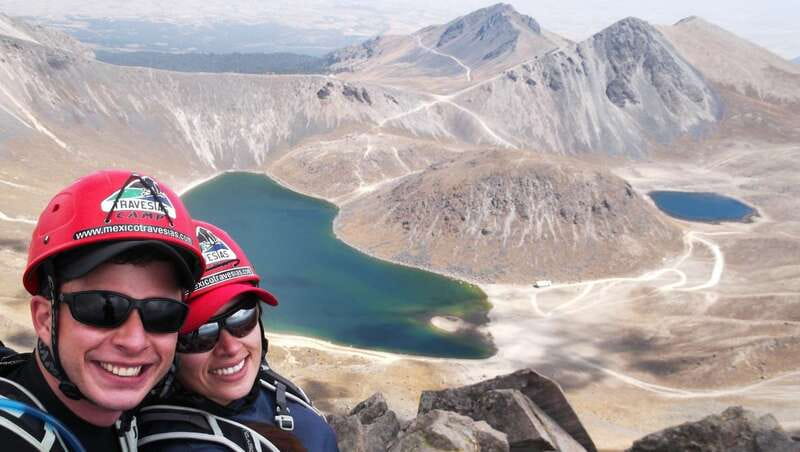
- Paso del Quetzal route: you’re climbing through dramatic mountain scenery rather than just hiking a straight line.
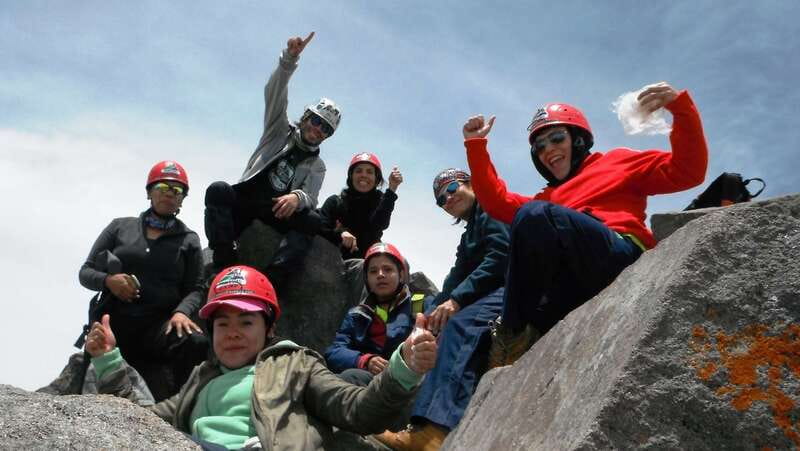
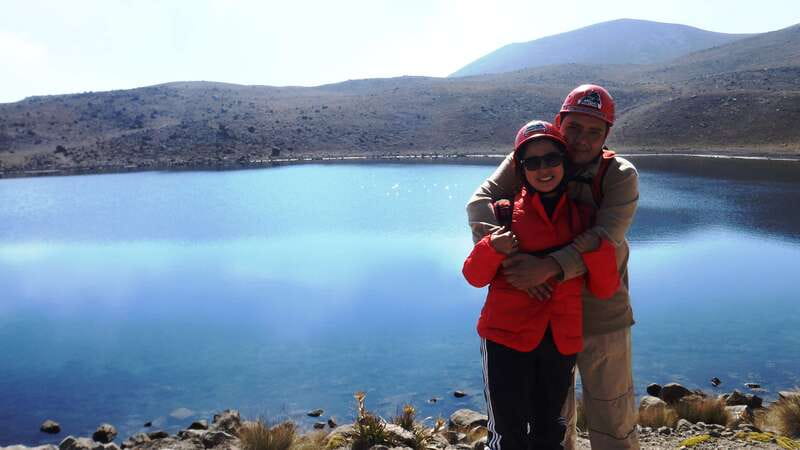
- Pros + included technical gear: helmets, walking poles, and a backpack loan remove a lot of guesswork.
- Crater lakes from the top: the payoff isn’t only the summit view; it’s the crater scenery too.
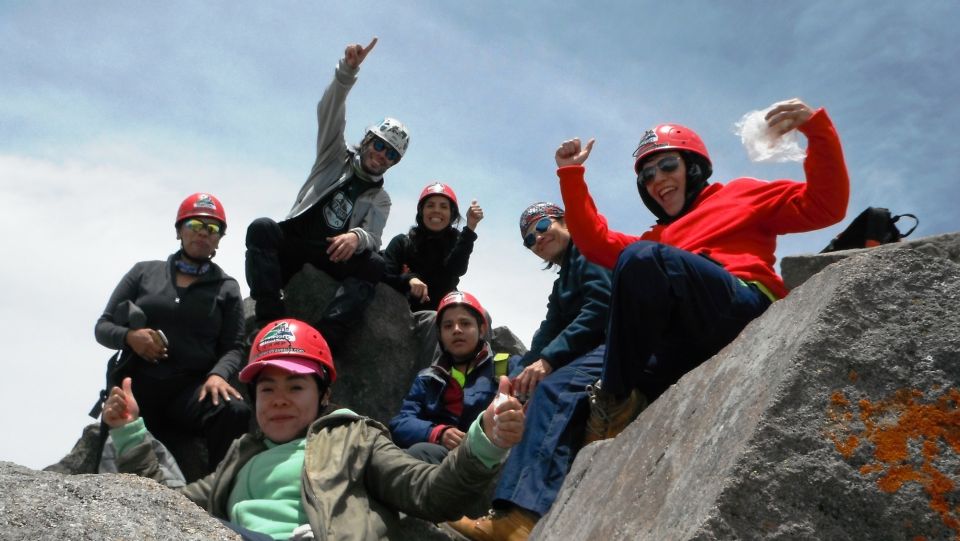
- Small group (max 12): easier pacing and better support when the terrain turns steep.
- Long, cold, changeable mountain weather: bring rain gear and layers even if Mexico City starts warm.
Nevado de Toluca Summit Day: What 4,680 M Feels Like in Real Life
Nevado de Toluca is high. The tour is built around a trek to the summit area of El Nevado de Toluca, around 4,680 meters, which means your body needs time and oxygen you don’t have at sea level. Even if you exercise regularly, expect the altitude to slow your legs and your breathing.
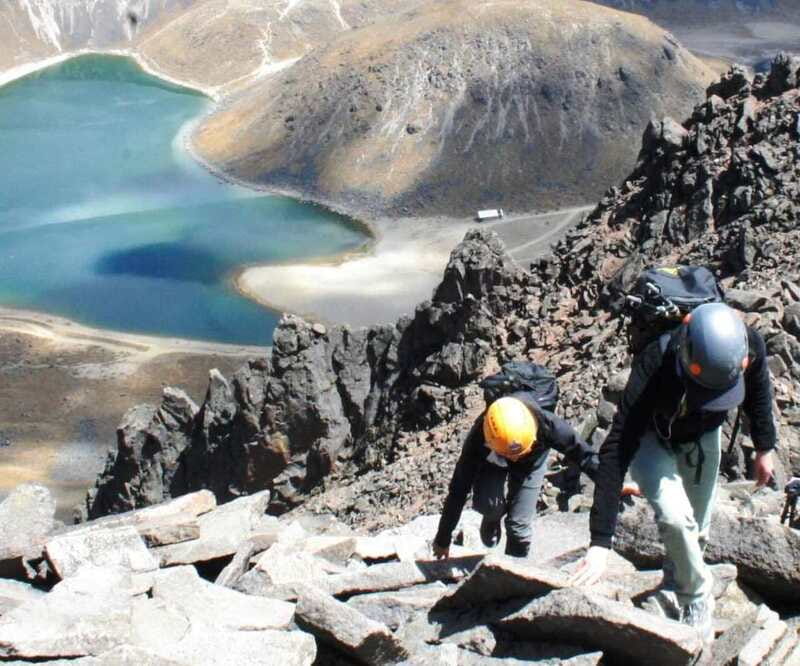
The terrain also earns respect. You’ll be hiking on volcanic ground with steep sections, and near the summit there can be scrambling or short, more technical moves over rock. One review even points out a short stretch of very steep rock climbing—so if you dislike heights or exposure, think carefully before setting summit goals.
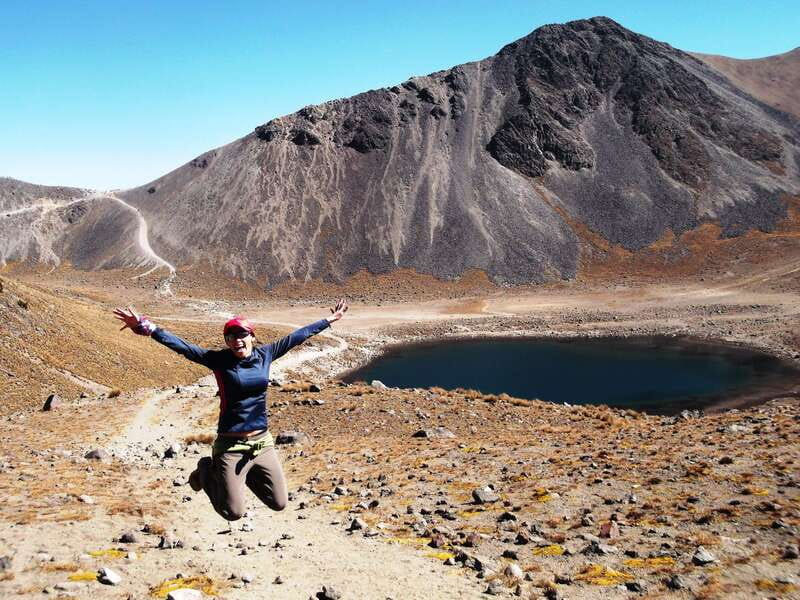
If you go in prepared, the reward is huge: broad views across woods and valleys, and crater lakes appearing inside the volcanic basin when you reach the top.
You can also read our reviews of more tours and experiences in Mexico City.

Meeting in Mexico City at Mercado Michoacán: Starting Without Stress
The day starts with a clear meet-up point: Mercado Michoacán, at the corner of Vicente Suarez and Michoacán. Meet your guide at the benches in front of the market.
This is one reason the tour format works for real people. You’re not trying to coordinate transfers on your own or figure out who’s driving where. You just show up, check in, and fall into a paced group plan.
Plan for an early start. Some guests recall leaving around 7:15 AM, and the whole day can stretch late because you’re driving up, hiking, and returning safely—one guest described a return around 9 PM.
The Route via Paso del Quetzal: Panoramas, Crater Lakes, and Rocky Sections
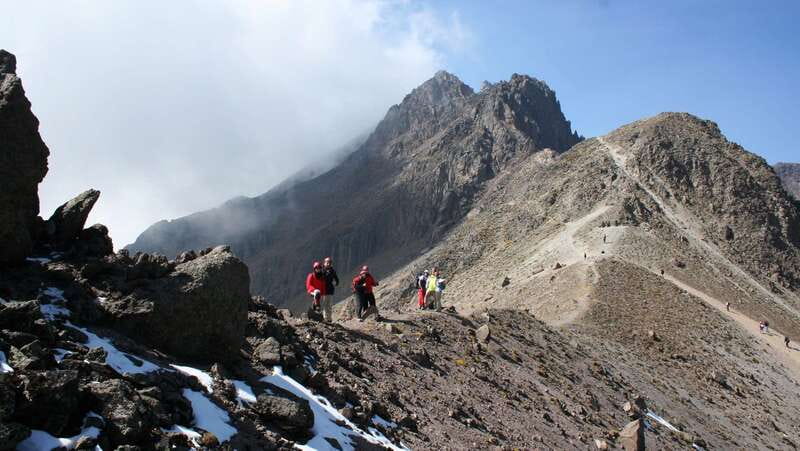
The star route is Paso del Quetzal, which takes you up through striking mountain sides. You start with a climb through the mountain’s outer terrain, and as elevation increases, the view window widens—woods below, valleys opening out, and long sightlines across the volcano.
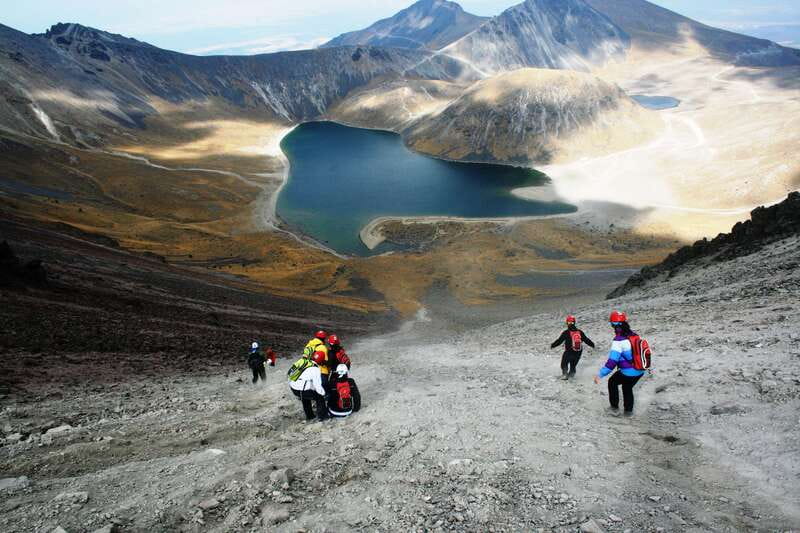
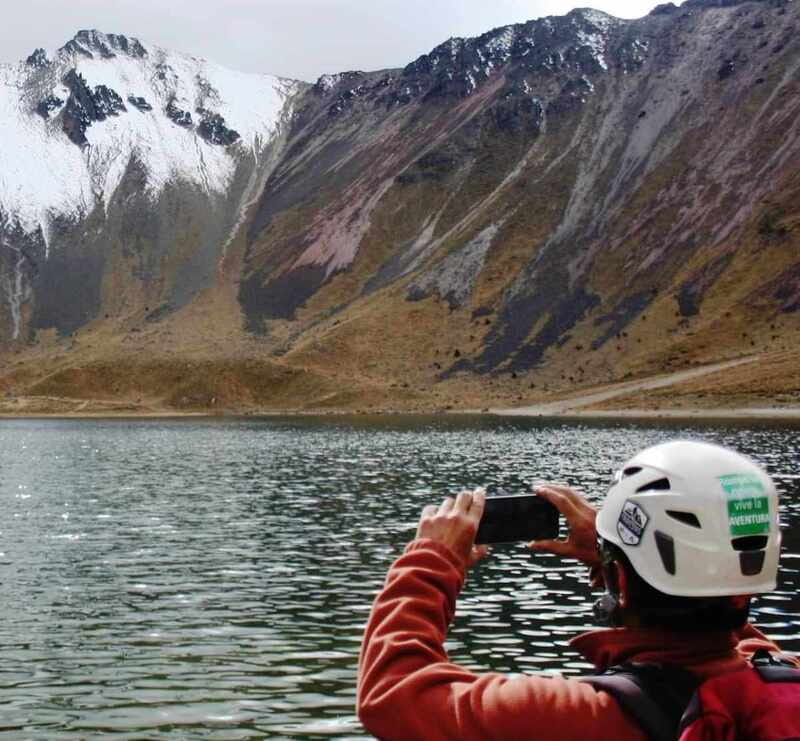
Once you’re at the top area, the crater scenery becomes the big moment. You can see lakes inside the crater, and the basin view gives you that rare feeling of standing inside a huge volcanic amphitheater. It’s the kind of moment that doesn’t translate well into photos. It’s wider, colder, and more dramatic in person.
On the way up and down, expect rough footing at times. Reviews mention sections with rock scrambling and a descent that can be slippery, sandy, and dusty. Dust is not a small issue on a volcano day; if you’re sensitive, consider bringing a simple face mask or covering so you’re not breathing dirt for hours.
Pro Guides and Included Technical Gear: The Stuff That Actually Matters
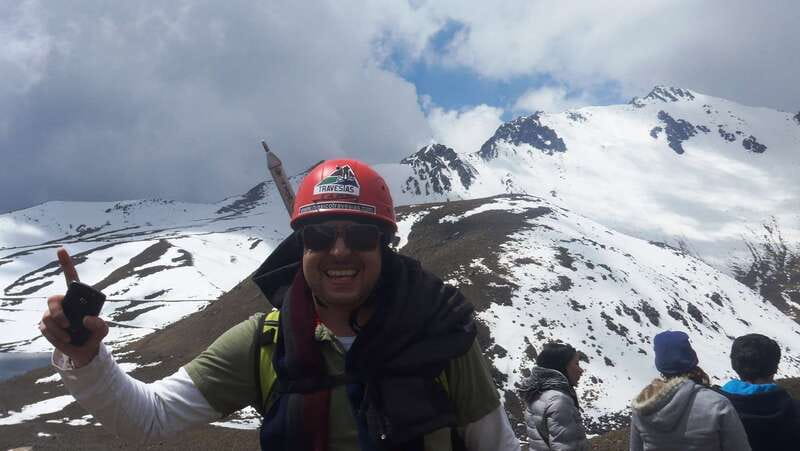
This tour is designed around professional guiding, and the included gear makes that guiding effective. You’re not just handed a map and sent out.
You get:
- Technical equipment (including things like helmets and walking poles, based on guest descriptions)
- A guide who keeps pacing and safety front-and-center
- Mountain fees handled for you
- Insurance
- A loan of a backpack
- Transportation
- Lunch plus food during the day
In practice, the guide role shows up when the terrain gets steep and when weather shifts. Several reviews praise guides for frequent check-ins and for watching limits—one guest even mentions a guide noticing altitude sickness risk and adjusting advice.
Guide names pop up often. Alan is described as fantastic and informative, Carlos as patient and helping people reach the top safely, and Santiago and Giovanni as safety-first professionals who planned pacing tightly. Others highlight Sergio and more guide teams for caring support and smart decisions when storms moved in.
Also: helmet + poles aren’t just “nice to have.” When the trail gets rocky or the ground changes texture, poles help you stay stable and reduce the stress on knees on the descent.
Timing, Distance, and the Summit Cutoff You Should Plan Around
This isn’t a casual stroll. Even with guides controlling pace, you’ll be out for most of the day.
Distance can vary depending on route choices and trail conditions. One guest described the hike ranging from about 7 to 11 km depending on the path taken, and the overall day ran close to 10 hours from pickup to drop-off.
There’s also a summit timing reality. One review notes a hard time cutoff of 1 PM to give the group enough daylight and time to descend safely. That’s a key detail: if you want a real summit attempt, you need to move steadily from the beginning, not sprint in the middle and hope for the best at the end.
A smart strategy: keep a controlled pace early. If you go out too fast, altitude will punish you later. Guides often help by adapting pacing to the group, and some tours split responsibilities (one guide pushing summit pace while others manage the descent or support a slower group).
Food, Water, and Breaks: How You Stay Functional at Altitude
You’ll eat during the day. Lunch is included, and the tour also provides food and water as part of the package in the way guests describe it. That matters because you can’t rely on convenience stores once you’re on a mountain schedule.
Hydration is also not optional at altitude. One review recommends a water bladder, which is helpful when it’s cold and you want to avoid constantly opening bottles. Even without a bladder, plan to sip regularly.
Breaks are where guides earn their keep. Guests describe guides checking in frequently, giving encouragement, and calling out when someone needs a slower tempo. You’re not just trying to reach the top—you’re trying to get there safely and still enjoy the descent.
What to Bring: Cold Layers, Gloves, Shoes, and the “Dust Factor”
The tour provides technical gear, but you still need the right clothing and comfort items. The essentials list includes:
- Hiking shoes
- Comfortable clothes in layers
- Rain gear
- Gloves
- Sunglasses
- A towel
- Change of clothes
- Weather-appropriate layers
Add a couple of practical thoughts from real mountain conditions. Expect quick temperature shifts. Even in fair weather, winds and cloud changes can bring cold fast. Reviews mention warm clothes quickly becoming necessary.
Boots matter. Several notes point out that trail conditions can get slippery and dusty, and dirt/rocks may kick up. If your footwear is only “okay,” that’s when your day gets harder than it needs to be.
Also consider dust protection. One review explicitly suggests a mask for the descent because the ground can turn into a dusty slide zone.
The Day’s Risks: Who Should Skip This Summit Climb
This is a demanding high-altitude hike, and the tour itself flags multiple “not suitable for” categories. Skip it if you have:
- respiratory issues
- epilepsy
- haemophilia
- mobility impairments
- back problems
- and it’s not recommended for pregnant women
Even if none of the conditions apply, consider your ability to handle steep rocky terrain and altitude. Reviews mention altitude sickness symptoms like headaches and shortness of breath when people didn’t acclimatize well. One strong takeaway is that acclimatizing to Mexico City first helps, and people who fly in from sea level and jump straight into the hike have a tougher time.
If you have any doubt, treat this as an “earn the summit” day, not a spontaneous activity.
Price and Value: Is $162 Really Fair for a Summit Day?
At $162 per person, you’re paying for more than a guide and a bus ride. This price includes transportation, guide service, mountain fees, insurance, lunch, technical equipment, and even a loan of a backpack.
That value adds up because the mountain itself requires logistics. You’re paying for access, safety equipment, and the cost of running a professional day at high elevation. You also remove a lot of friction: buying poles, renting gear, sorting insurance, and figuring out what’s required. You show up with clothing and shoes, and the tour covers the rest.
Is it cheap? No. But for a one-day summit climb at altitude with gear and fees handled, it lands in the “reasonable for what you get” category—especially if you don’t already own hiking poles, helmets, or the right system for carrying water comfortably.
Bottom Line: Should You Book This Nevado de Toluca Tour?
Book it if you:
- like a real hike challenge and want a guided summit attempt
- can handle altitude (ideally after spending time in Mexico City)
- have solid shoes, layers, and gloves
- want the crater lakes and panoramic volcanic views without figuring out logistics alone
Skip it if:
- you want a gentle day hike
- you dislike heights or vertical scrambling on rocky sections
- you have medical reasons listed as not suitable
- you don’t feel confident with altitude effort
If you go in with realistic expectations—slow and steady, layers ready, and summit timing in mind—you’ll come back with a story that feels bigger than the photos.
FAQ
Where is the meeting point?
Meet your guide at Mercado Michoacán, at the corner of Vicente Suarez and Michoacan, at the benches in front of the market.
What’s included in the $162 price?
The tour includes transportation, guide, mountain fees, technical equipment, lunch, food, insurance, and a loan of a backpack.
What should I bring?
Bring sunglasses, hiking shoes, comfortable clothes, rain gear, gloves, a towel, and a change of clothes, plus weather-appropriate layers.
How high will I be hiking?
The tour recommends climbing to the summit of El Nevado de Toluca, at about 4,680 meters.
How long does the tour take?
The duration is 1 day.
Who is this not suitable for?
It’s not suitable for pregnant women, people with back problems, mobility impairments, respiratory issues, epilepsy, or haemophilia.
What languages are the guides?
The live tour guide is available in English and Spanish.
Is alcohol included?
No. Alcoholic drinks are not included.
What’s the cancellation policy?
You can cancel up to 24 hours in advance for a full refund.