REVIEW · MEXICO CITY
Museum of Anthropology: a look at Mexico’s past
Book on Viator →Operated by Recorridos y Guías Xochitec A.C. · Bookable on Viator
Mexico City history can feel like a lot. That’s why this guided visit to the Museo Nacional de Antropología works so well. You’ll follow a clear path through the museum’s most emblematic rooms and get the pre-Spanish context that makes the artifacts click, especially with guides like Hector and Edith.
What I like most is the way the tour turns a huge museum into a story you can actually remember. You also get audio support through the audiobox setup when the group is 6+—so you’re not squinting at labels or straining to hear. A possible consideration: it’s not a kid tour (no one under 18), and you’ll be doing some steady walking for a few hours.
The museum itself is one of those places that can overwhelm you fast. With a licensed, federally certified guide, you get an organized view of the cultures and villages that lived in Mexico before the arrival of the Spanish, plus the mythology and symbols behind what you’re seeing.
Just note the group is capped at 6 travelers. That keeps things personal, but it can also mean you may need to pick your dates carefully.
In This Review
- Key highlights you’ll actually care about
- Museo Nacional de Antropología: why a guided route matters
- Where you start in Polanco, and why location helps
- The one big stop: emblematic rooms and a pre-Spanish storyline
- What you can expect as you move through the museum
- A practical note on pacing
- Guides who connect symbols to the rest of your trip
- Audiobox and headsets: the difference between hearing and missing
- Small group size (max 6) and what it changes
- Practical value: what’s included and what to plan on your own
- Included
- Not included
- What to wear and how to prepare
- Who should book this museum tour, and who might skip it
- Should you book Museum of Anthropology: a look at Mexico’s past?
- FAQ
- How long is the Museum of Anthropology tour?
- Where is the meeting point?
- Is museum admission included?
- What language is the tour offered in?
- Is there audio equipment?
- How many people are in the group?
- Is the tour suitable for children?
- Is bottled water or lunch included?
- What’s the cancellation window?
Key highlights you’ll actually care about
- SECTUR-certified guide who explains the story behind the objects, not just dates on plaques
- Audio support via audiobox/headsets (for groups of 6+), which makes a real difference in a big museum
- Pre-Spanish focus with themes that connect gods, symbolism, politics, geography, and daily life
- Small group size (max 6) for questions and slower pacing
- Good “first museum day” option so you’ll recognize symbols and themes later around Mexico City
Museo Nacional de Antropología: why a guided route matters
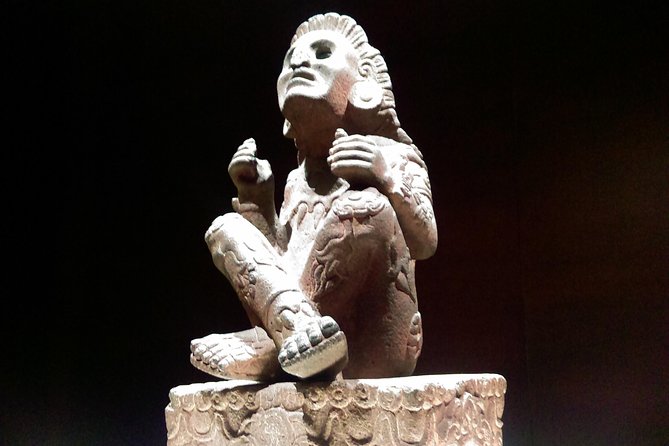
The Museo Nacional de Antropología is famous for a reason. It’s also big, information-heavy, and spread out in a way that can make you bounce from one object to the next without a sense of how it all fits together.
That’s where this tour earns its keep. You don’t just “see art.” You get a guided narrative through the museum’s key rooms so you can connect cultures, time periods, and meaning. Think of it as training wheels for a place that would otherwise be a lot of work.
Guides like Hector and Edith are especially strong at turning the displays into stories. In practice, that means you’re more likely to remember what you saw because you understand why it mattered.
You can also read our reviews of more museum experiences in Mexico City


Where you start in Polanco, and why location helps
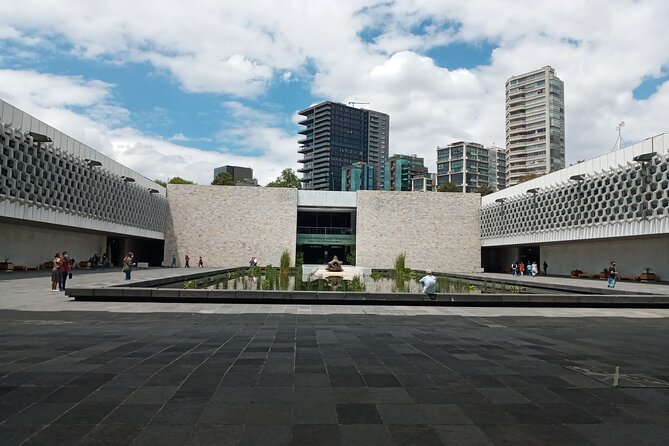
The meeting point is at Av. P.º de la Reforma s/n, Polanco, by the Bosque de Chapultepec area (Miguel Hidalgo), right near a major hub for getting around. The tour ends back at the same meeting point, which keeps logistics simple when you’re juggling the rest of your Mexico City day.
It’s also close to public transportation. You’ll want that, because the museum area is one of those places where taxis can be convenient but not always the fastest option.
If you’re pairing this with other Chapultepec-area plans, this is a smart anchor. You’re already in the neighborhood, and you’re not stuck trying to figure out how to reconnect across the city after the tour.
The one big stop: emblematic rooms and a pre-Spanish storyline
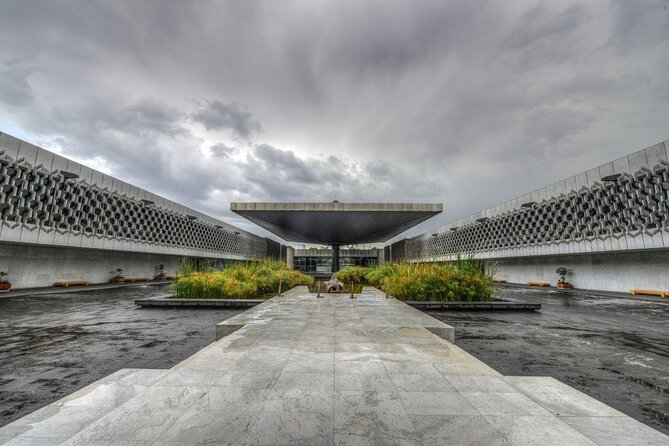
This experience is built around one main visit: the Museo Nacional de Antropología and its most emblematic rooms. The goal is to understand the cultures and villages that lived in Mexico before the Spanish arrival, and to see the artifacts as part of real societies—not as isolated objects behind glass.
A strong part of this tour is the way it keeps you oriented. Instead of guessing what belongs together, you follow the guide’s thread—how themes develop over time, how symbolism shows up across different cultures, and how belief systems connect to daily life.
What you can expect as you move through the museum
You can expect the guide to focus on key themes that show up repeatedly across the pre-Hispanic world, including:
- Mythology and gods (and what different figures represented)
- Religion and ritual as lived practice, not just religion as theory
- Politics and geography, since where people lived shaped how they organized and traded
- Conflict and change, because history here is not static
Even if you’ve read a little about Mexico’s past, a guided route helps you place the details in order. And if you’re starting from zero, you’ll get enough structure to avoid feeling lost.
A practical note on pacing
One thing I really appreciate is that the tour isn’t treated like a sprint. The pacing includes moments to reset—some seating breaks to make the museum experience more comfortable. That matters because even when the tour is only around 2 to 3 hours, museum legs add up quickly.
The upside of the small group is that the guide can slow down when you ask questions. With more space and more ears in a crowd, questions can get swallowed. Here, your curiosity is more likely to land.


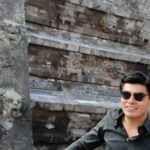
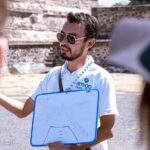

Guides who connect symbols to the rest of your trip
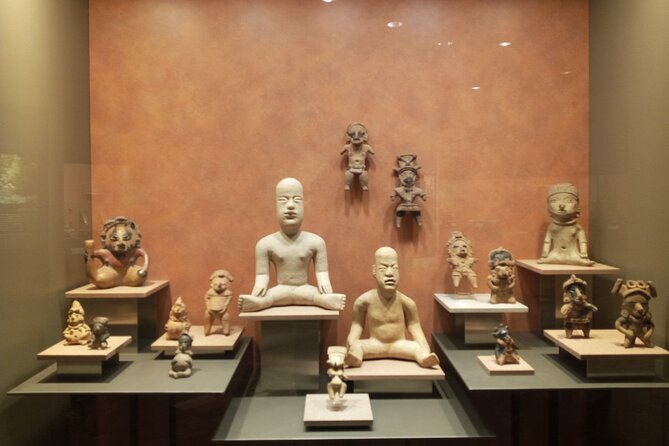
Here’s what stands out across the experience: the guide’s explanations help you see patterns you’d otherwise miss.
Many people leave with the sense that the museum is no longer a one-day event. After a strong guided visit, you start noticing symbolism and references in everyday life around Mexico City—because you finally know what you’re looking at.
That’s not vague marketing. It’s a concrete result of the way guides link artifacts to themes like mythology, power, and belief. When you understand the logic of the symbols, the museum becomes a reference point instead of a checklist.
And the guide matters. Names like Hector and Edith appear repeatedly, and the consistent takeaway is that their storytelling makes the museum feel less overwhelming. Even when the subject matter is heavy—gods, religion, conflict—the explanation is organized enough to feel manageable.
If you like history that reads like human life (not just timelines), you’ll probably enjoy this format a lot.
Audiobox and headsets: the difference between hearing and missing
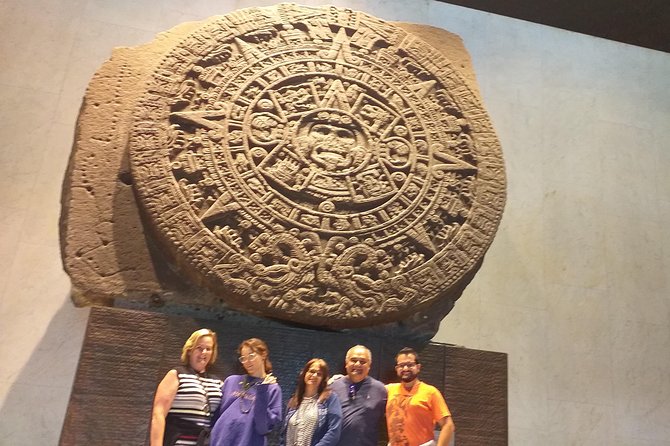
Museums are noisy in their own way. Even when there isn’t a lot of sound, you still end up competing with your surroundings, your distance from the guide, and the fact that you’re trying to read small labels.
This tour includes audio equipment via audiobox for groups of 6 or more. People also note that the headsets provided are helpful, which is a big practical win in a large building.
Why it matters: when you can clearly hear the explanation, you can focus your eyes on the artifacts and the guide’s pointing. You stop “half listening” while scanning labels. That’s when a museum visit transforms from sight-seeing into actual understanding.
If you’re sensitive to crowds or distractions, this is one of the details worth valuing.
Small group size (max 6) and what it changes
A max of 6 travelers is not a throwaway detail. It changes how the tour feels.
In a larger group, guides have to keep the pace moving and your questions have to wait. In a group this size, the guide can adjust—answering follow-ups and giving you a chance to ask what you really want to know.
This tour also has a clear time frame (about 2 to 3 hours). With a small group, it’s more likely that the time stays productive instead of being eaten by confusion or bottlenecks.
If you like your cultural tours structured but not stiff, this format fits.
Practical value: what’s included and what to plan on your own
Here’s the practical side, the part that affects how smooth your day will be.
Included
- Museum admission ticket
- Federally licensed guide certified by SECTUR
- Use of audiobox equipment when the group is 6+
That combination is a real value factor. You’re not just buying access to the building—you’re paying for interpretation by a certified guide, which is often the difference between seeing artifacts and understanding them.
Not included
- Private transportation
- Lunch
- Bottled water
So plan a meal nearby before or after. And since bottled water isn’t included, bring your own or be ready to buy it around the area.
What to wear and how to prepare
The tour calls for moderate physical fitness. That usually means comfortable shoes and a willingness to walk through museum spaces at a steady pace. You’ll also be happier if you bring a light layer—museums can vary in temperature.
Also, it’s offered in English, so you’re good if that’s your working language.
Who should book this museum tour, and who might skip it
This is a great match for you if:
- you want an organized introduction to Mexico’s pre-Hispanic past
- you enjoy mythology, symbols, and the meaning behind objects
- you prefer a smaller group where questions are realistic
- you want a guided first museum visit so your later exploring makes more sense
You might consider skipping if:
- you want a completely self-paced museum day with no guidance
- you’re traveling with younger kids (this one isn’t available for anyone under 18)
- you’re expecting a short stop-and-go photo session rather than a guided story through key rooms
One more thought: this tour is especially useful if you’re only in Mexico City for a limited time. It helps you get structure fast, which saves you energy for the rest of your trip.
Should you book Museum of Anthropology: a look at Mexico’s past?
I’d book it if you want your first Museo Nacional de Antropología experience to feel coherent and memorable. The biggest win is the combination of SECTUR-certified guidance, clear focus on the pre-Spanish world, and audio support that keeps you connected to the story.
If you’re the type who reads every label and doesn’t mind wandering, you could do the museum solo. But if you’d rather understand the meaning behind what you’re seeing—and leave with symbols you can spot later—this guided format is a smart use of your time.
FAQ
How long is the Museum of Anthropology tour?
It runs for about 2 to 3 hours (and the guided museum visit is listed at around 3 hours).
Where is the meeting point?
You meet at Av. P.º de la Reforma s/n, Polanco, Bosque de Chapultepec I Secc, Miguel Hidalgo, 11560 Ciudad de México, CDMX, Mexico. The tour ends back at the meeting point.
Is museum admission included?
Yes. Museum access ticket is included.
What language is the tour offered in?
The tour is offered in English.
Is there audio equipment?
Yes. Audiobox equipment is provided for groups of 6 clients or more.
How many people are in the group?
The experience has a maximum of 6 travelers.
Is the tour suitable for children?
No. It is not available for children under 18 years of age.
Is bottled water or lunch included?
No. Lunch and bottled water are not included, so plan to get those separately.
What’s the cancellation window?
You can cancel for a full refund if you cancel at least 24 hours before the experience starts.