REVIEW · MEXICO CITY
Mountaineering Iztaccihuatl (5220m)
Book on Viator →Operated by México Travesías · Bookable on Viator
Iztaccihuatl is a serious workout with payoff. This two-day trek takes you from Mexico City to Paso de Cortes and up to the Altzomoni refuge, then pushes for a summit schedule timed to give you views and daylight. Small group size (up to 10) plus guided pacing makes the whole trip feel more controlled than a solo grind.
I especially like that you’re not left guessing about cold-mountain fundamentals: you get helmet, lamp, crampons, and an ice ax. And the itinerary is built around acclimatization on day 1, so day 2 isn’t just a random jump into “go time.”
One consideration: this is high altitude and requires strong fitness, and the summit push starts very early (2:00 am), so you’ll want to plan your energy like a pro.
In This Review
- Key things that make this climb worth it
- Iztaccihuatl at 5,220m: why this trip feels iconic
- Day 1: Paso de Cortes registration, Altzomoni refuge, and a smart acclimatization climb
- Day 2: the 2:00 am summit start and what the timing buys you
- Safety gear that’s actually useful on a cold mountain
- Popocatépetl views and why the summit moment counts
- Food and recovery: breakfast, dinner, and a traditional end in Amecameca
- Price and value: what $579.45 really covers
- Who should book this (and who should think twice)
- How the meeting point works (and why convenience matters here)
- Should you book Mountaineering Iztaccihuatl (5220m)?
- FAQ
- How high is Mount Iztaccihuatl on this climb?
- Where does the tour start?
- How many days is the experience?
- What time do you start the summit day?
- What’s included in safety equipment?
- Are meals included?
- Is alcohol included?
- What group size should I expect?
- What fitness level is required?
- What is the cancellation policy if weather is bad?
Key things that make this climb worth it
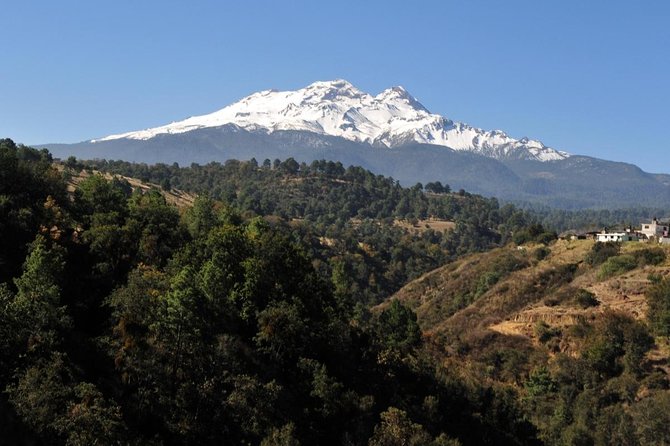
- 5,220m challenge without guesswork: the plan includes acclimatization, shelter time, and a structured summit push
- Provided technical gear: helmet, headlamp, crampons, and ice ax are included for the cold and snow/ice conditions
- Up to 10 people: a smaller group helps keep the pace and organization tight on a route like this
- Early start for summit views: the day 2 schedule is designed to get you up and back before the day gets too late
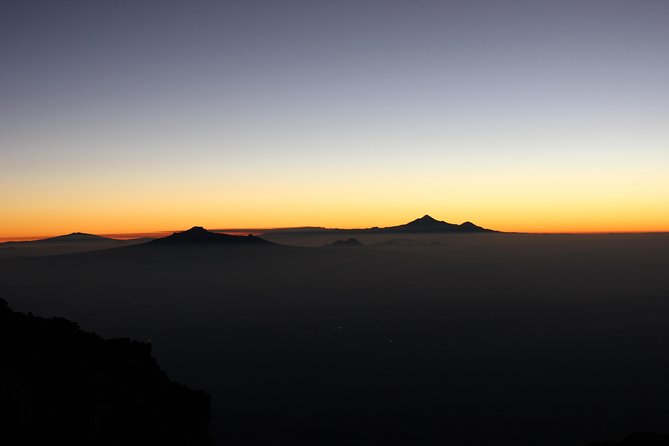
- Popocatépetl views: the top gives you striking sightlines over to the active volcano
- Amecameca meal after the climb: you end with a traditional regional stop, not just a drop-off
Iztaccihuatl at 5,220m: why this trip feels iconic
Iztaccihuatl (5220m) has a reputation in Mexico for a reason: it’s one of the big names, it’s emblematic, and it’s a true altitude test. This climb also sits in Iztaccihuatl and Popocatépetl National Park, so you’re moving through scenery and atmosphere that feels different from typical day hikes.
What makes it “worth doing” is that it’s not just a linear slog. The structure matters. You start day 1 by getting set up at a base area and doing an acclimatization ascent toward the first gate before settling into the refuge. That rhythm helps your body adjust before the summit attempt.
And the reward is personal. Even if you’ve done other mountains, you still get that moment when the summit comes into reach and the effort turns into a view you can’t fake. In one standout note from the trip operation, Bernardo is described as running a great setup, and the top views toward Popo (the nearby active volcano) are called out as breathtaking. That’s the kind of payoff that stays with you.
You can also read our reviews of more tours and experiences in Mexico City.
Day 1: Paso de Cortes registration, Altzomoni refuge, and a smart acclimatization climb
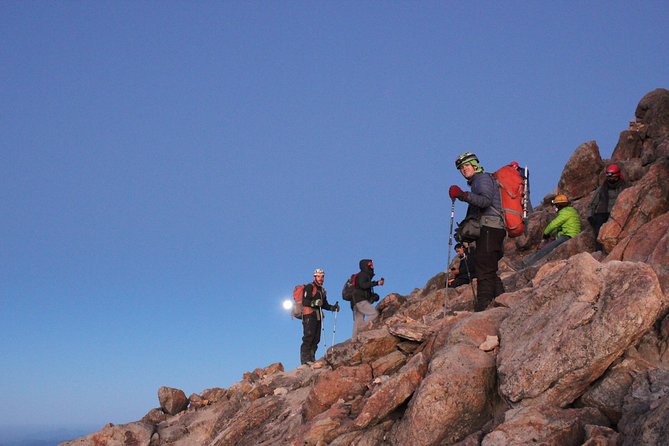
Day 1 starts with travel out of Mexico City to Paso de Cortes. You’ll register there, then continue on to the Altzomoni refuge. For a high-altitude itinerary, the “register + get to the refuge” piece isn’t just paperwork. It’s the practical foundation that helps the rest of the climb go smoothly.
Once you’re at the refuge, you do an acclimatization ascent toward the first gate, then return for dinner and early rest. That’s exactly the approach you want at altitude: move upward enough to trigger adjustment, then come back down to recover. The return to the refuge is what lets you sleep and eat like tomorrow is real—because it is.
Why this matters for your comfort:
At 5,000m-ish elevations, the goal on day 1 isn’t to “win” the climb. It’s to give your body a rehearsal. If your body’s ready, day 2 feels tough but manageable. If not, day 2 can turn into a survival situation.
The possible drawback:
You’ll need to accept that day 1 is active but not the summit day. Some people come to the mountain expecting a nonstop grind. This itinerary is more methodical. If you love chaos and speed, you might find the pacing calmer than you expected.
Day 2: the 2:00 am summit start and what the timing buys you
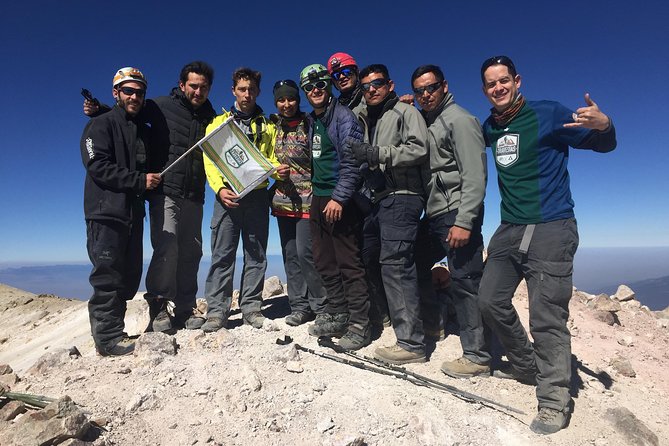
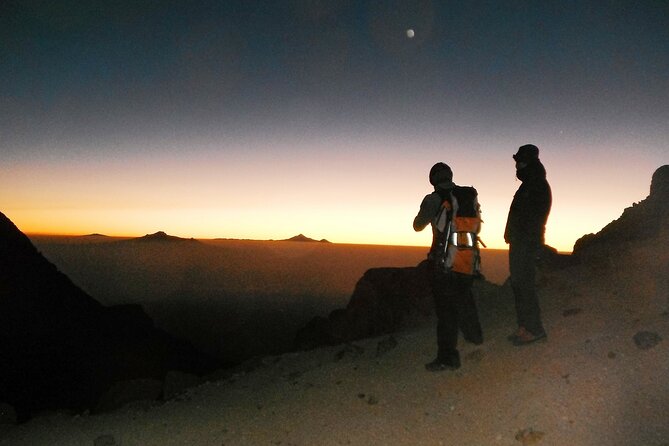
Day 2 is where the trip earns its reputation. The schedule has you getting up at 2:00 am, aiming to reach the summit at about 12:00 pm. Then you get a moment to take in the view before heading back down to the truck.
That early start isn’t just tradition. It’s a strategy. Sunrise-to-afternoon timing helps with safer conditions, workable visibility, and a more predictable descent window. Even if you’re fit, a mountain like Iztaccihuatl punishes poor timing—so the fact that this plan is built around a set window is a big deal.
After the summit and return to the truck, you head to Amecameca for a traditional meal. This is more than a nice extra. After a long altitude effort, you want calories and warmth, and you want the day to end with something satisfying and local, not just a drive home hungry.
What you’ll feel on day 2:
Expect cold, long hours, and the mental challenge of moving when your body would prefer to rest. The good news is you’re not doing it alone. A smaller group and provided gear mean fewer points where you might struggle with “Do I have the right thing?” or “How do I handle this step?”
Safety gear that’s actually useful on a cold mountain
This tour includes key cold-weather climbing items: helmet, lamp, crampons, and ice ax. That coverage matters because on an icy/snowy mountain, your equipment isn’t optional comfort—it’s part of safety.
Here’s why these items matter in plain terms:
- A helmet helps protect you from the everyday risks that come with climbing conditions.
- A lamp matters because summit timing starts in the dark.
- Crampons are what turn a boot into something that can grip properly on snow and ice.
- An ice ax is your control tool, especially when the footing and slopes demand careful movement.
You’re also in a group limited to maximum 10 travelers, which usually translates to better organization and fewer “lost people” issues. And since the trip includes private transportation, you’re not trying to coordinate multiple transfers on your own while under-acclimatized and tired.
The only “gear note” you should keep in mind: the tour provides technical tools, but you still need to show up in strong physical shape. The listing specifically calls for strong physical fitness, and it’s not recommended for children under 14.
Popocatépetl views and why the summit moment counts
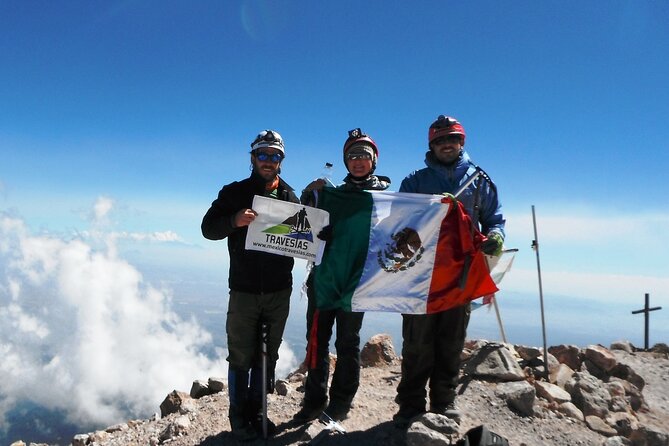
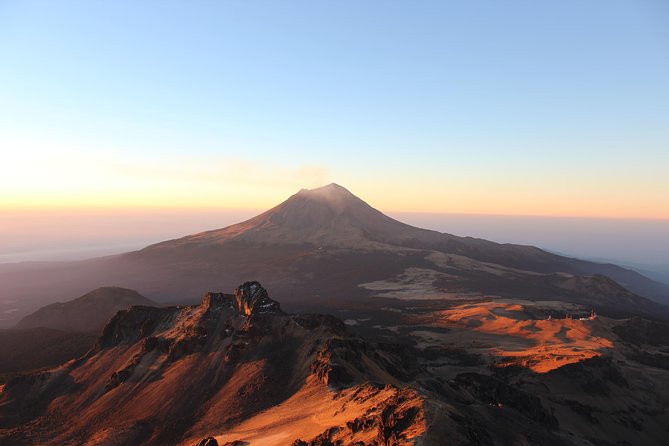
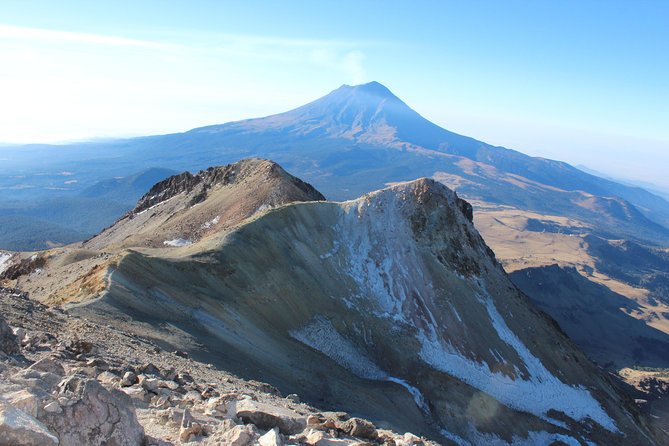
One of the most praised parts of the experience is the view from the top—especially sightlines toward Popocatépetl, the nearby active volcano. That’s not a small detail. When you’re spending hours working uphill at altitude, the view is what turns effort into something memorable.
Also, the itinerary gives you time for that moment. You reach the summit around midday, take in the view, and then descend. That “see it, then move” rhythm is a better plan than forcing a long stop that can drain you in cold air.
If you’re the kind of person who likes photos, you’ll have chances. If you’re the kind of person who likes quiet, you’ll also get that. Either way, your summit time is intentionally placed, not rushed.
Food and recovery: breakfast, dinner, and a traditional end in Amecameca
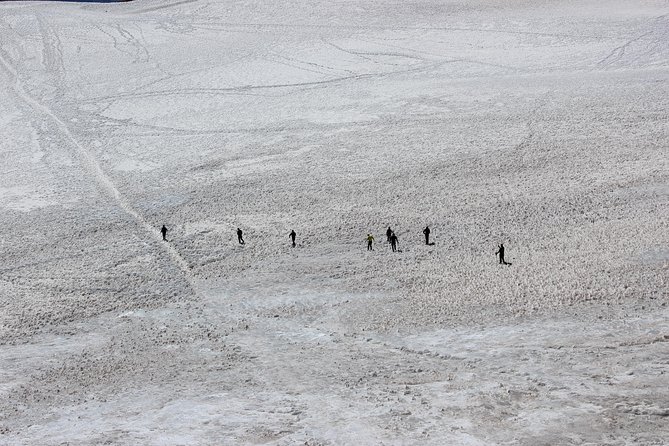
Meals are included: breakfast, dinner, and lunch is listed (lunch appears twice in the included items). The itinerary also points to dinner at the refuge on day 1, and a traditional regional meal after the summit in Amecameca.
Why I care about this as a travel writer: at altitude, eating on schedule is one of the simplest ways to stay functional. When you’re climbing early, it’s a relief that your plan includes fuel instead of leaving you hunting for food at inconvenient times.
One small note: alcohol isn’t included. That’s good for summit logistics, since you don’t want to trade your sleep and recovery for a “maybe one drink” decision.
Price and value: what $579.45 really covers
At $579.45 per person for about two days, this climb isn’t cheap. But it’s also not just you and a guide wandering uphill. You’re paying for a bundle of real costs: private transportation, guided structure, provided technical safety equipment (helmet, lamp, crampons, ice ax), and meals across the two days.
What you’re getting that you’d otherwise need to solve:
- Logistics out of Mexico City (private transport)
- The cold-mountain gear package
- A plan that includes acclimatization time and an early summit window
- Meals that support the day-by-day rhythm of altitude climbing
There’s also a practical value factor: the group maximum is 10, which usually keeps the experience more organized than larger bus-style departures.
If you’re comparing options, don’t just compare price tags. Compare what’s included. A cheaper trip that expects you to rent or source crucial gear can quietly turn into extra costs and extra stress right when you don’t need it.
Who should book this (and who should think twice)
This climb suits you if you:
- Have strong physical fitness
- Want a structured two-day summit attempt rather than a casual hike
- Prefer a smaller group with provided gear
- Are excited by views toward Popocatépetl from a high-altitude summit
You should think twice or look for a different option if:
- You’re not comfortable with very early mornings (2:00 am start on summit day)
- You’re bringing young kids—this one is not recommended for children under 14
- You’re still working on consistent endurance at altitude or cold-weather movement
One more planning reality: the experience requires good weather. If the mountain doesn’t cooperate, the operator will offer a different date or a full refund, so you’ll want flexibility in your schedule.
How the meeting point works (and why convenience matters here)
The trip starts at Av. Vicente Suárez 38, Colonia Condesa, Cuauhtémoc, 06170 Ciudad de México and ends back at the meeting point. That kind of “out and back” convenience can be a big deal when you’re dealing with early starts and a long day of travel.
Since the operator provides private transportation, you don’t have to piece together multiple transit steps while managing gear and cold-weather prep.
Also, confirmations are handled at booking time in most cases, with fast turnaround if you book close to departure time (within two hours of travel, subject to availability).
Should you book Mountaineering Iztaccihuatl (5220m)?
I’d book it if you want a real mountain challenge with clear structure, provided safety equipment, and a summit plan that respects altitude. The best reasons to choose it are simple: the gear is covered, the two-day pacing includes acclimatization, and the summit views toward Popocatépetl are a major highlight.
I’d hold off if you’re not ready for demanding physical effort and cold early-morning climbing. This is not a “stand there and take it easy” experience. It’s active, technical enough to matter (hence the crampons and ice ax), and it depends on the weather.
One last practical tip: since this is often booked about 17 days in advance, planning early helps you lock in a date and avoid last-minute scramble.
FAQ
How high is Mount Iztaccihuatl on this climb?
The climb is for Mountaineering Iztaccihuatl (5220m).
Where does the tour start?
The start point is Av. Vicente Suárez 38, Colonia Condesa, Cuauhtémoc, 06170 Ciudad de México, CDMX, Mexico.
How many days is the experience?
It runs for 2 days (approximately).
What time do you start the summit day?
You get up at 2:00 am to reach the summit at approximately 12:00 pm.
What’s included in safety equipment?
The tour includes helmet, lamp, crampons, and ice ax.
Are meals included?
Yes. Meals included are breakfast, dinner, and lunch (lunch is listed twice in the included items). A traditional regional meal in Amecameca is part of the itinerary.
Is alcohol included?
No, alcoholic beverages are not included.
What group size should I expect?
The tour has a maximum of 10 travelers.
What fitness level is required?
Travelers should have a strong physical fitness level.
What is the cancellation policy if weather is bad?
There is free cancellation. You can cancel up to 24 hours in advance for a full refund. The experience requires good weather, and if it’s canceled due to poor weather, you’ll be offered a different date or a full refund.