REVIEW · MEXICO CITY
Mexico City Must-see Buildings & Palaces
Book on GetYourGuide →Operated by Amigo Tours LATAM · Bookable on GetYourGuide
Pacing through Mexico City’s most photogenic buildings feels like flipping pages of the country’s story. This tour strings together Palacio de Bellas Artes, the Museo Nacional de Artes (MUNAL), the Postal Palace, and Banco de México’s bill-factory visit, all with a guide in English or Spanish. I like that you’re not just staring at façades—you get explanations that help the architecture and artworks make sense.
Two highlights for me are the chance to see art spanning the late 1500s through the early 1900s at MUNAL, and the way Palacio de Bellas Artes is treated like a living cultural center, not a frozen monument. One thing to keep in mind: the MUNAL stop can be inaccessible for force majeure, so you should have flexible expectations if that museum part changes.
If you want a structured hit of major sights in a tight timeline, this works. It’s also a good choice if you enjoy learning how Mexico’s identity shows up in buildings, murals, and even money.
In This Review
- Key things I’d mark on your mental map
- Palacio de Bellas Artes: the white-marble anchor for the whole tour
- MUNAL at Museo Nacional de Artes: art from the late 1500s to the early 1900s
- Banco de México and the bill-factory visit: the Peso’s real origin
- Palacio de Correos de México: a post office with an architecture debate
- Back to Bellas Artes: top-floor murals and the culture hub feeling
- How the walking plan and timing affect your experience
- Price and value: why $48 can be worth it here
- Should you book this Mexico City buildings and palaces tour?
- FAQ
- Where do I meet the guide?
- How long is the tour?
- What stops are included?
- Is the Palacio de Bellas Artes included at the start and end?
- What languages is the live guide available in?
- Are entrance fees included?
- Is food included in the price?
- Does the tour skip the line?
- Is the tour wheelchair accessible, and can I book a private group?
- What if MUNAL is inaccessible?
Key things I’d mark on your mental map
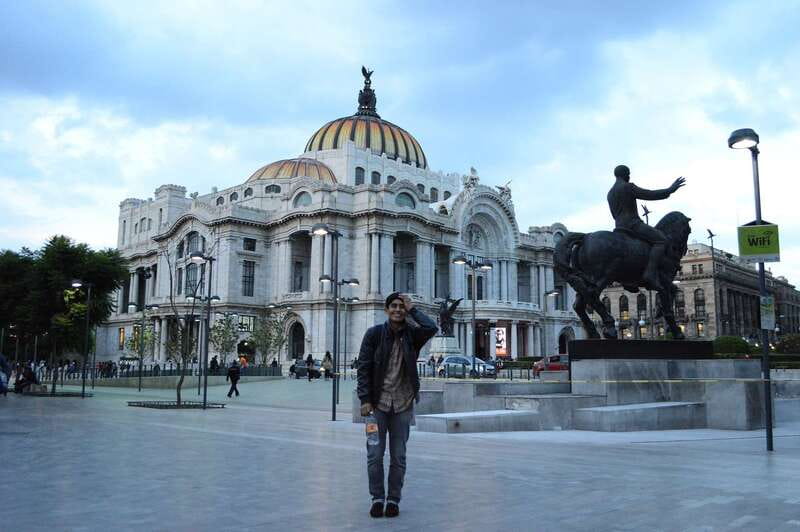
- Bellas Artes start and finish: meet at 9:50 a.m., then end with more time to take in the white marble and the top-floor murals
- MUNAL’s long art timeline: collection covers the second half of the 1500s to the first part of the 1900s
- Working architecture at Palacio de Correos: you’ll spot a mix of influences, and the gold-plated interior is the real reward
- Banco de México’s Peso story: see the bill-factory and learn how Mexican money is produced (with self-guided time)
- Skip the hassle: express security check plus a certified professional guide
Palacio de Bellas Artes: the white-marble anchor for the whole tour
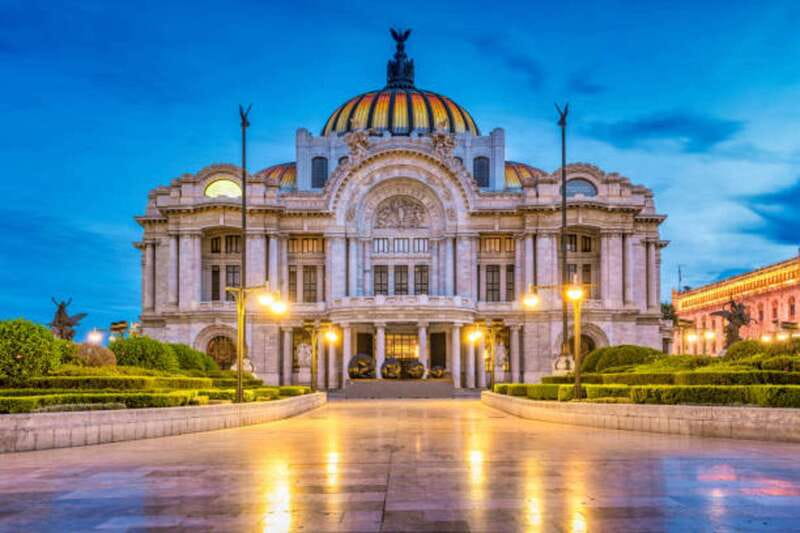
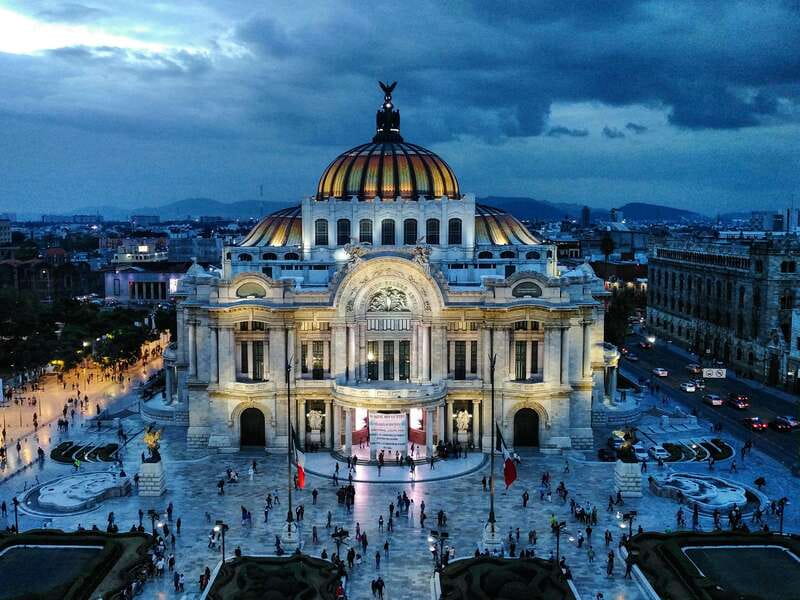
You start right where the city’s art-and-performance mood is strongest: Palacio de Bellas Artes. The meeting point is at 9:50 a.m., and the plan is to begin with guided sightseeing for about an hour. That’s a smart move because this building sets the tone for everything that follows—architecture as a message, not just decoration.
The palace’s look is instantly memorable: white marble and a grand, theatrical feel. And yes, you’ll be circling back later, but starting here first helps you notice details faster during the rest of the day. The top-floor murals are part of what makes Bellas Artes special, and the tour structure makes sure you don’t only get a quick glance. You also get that practical benefit of ending in the same area, so you’re not scrambling to navigate an extra “where do we go now?” after a guided walk.
Because you’re walking between stops, having this big anchor early matters. It gives you a reference point when streets, crowds, and street sounds start blending together.
One more thing: your guide’s explanations matter here. In particular, having a guide who can connect Bellas Artes to Mexico City’s artistic life makes the building feel purposeful—like it belongs to the city’s daily rhythm, not just its postcards.
You can also read our reviews of more city tours in Mexico City


MUNAL at Museo Nacional de Artes: art from the late 1500s to the early 1900s
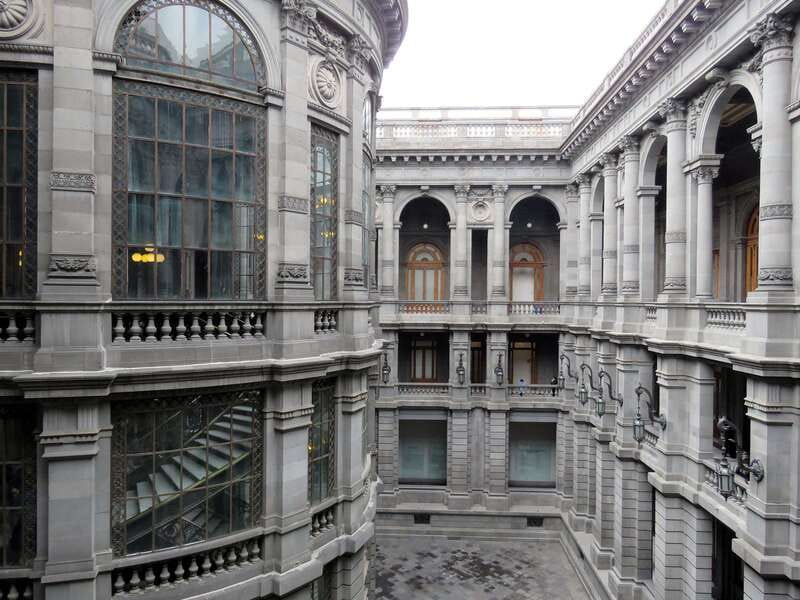
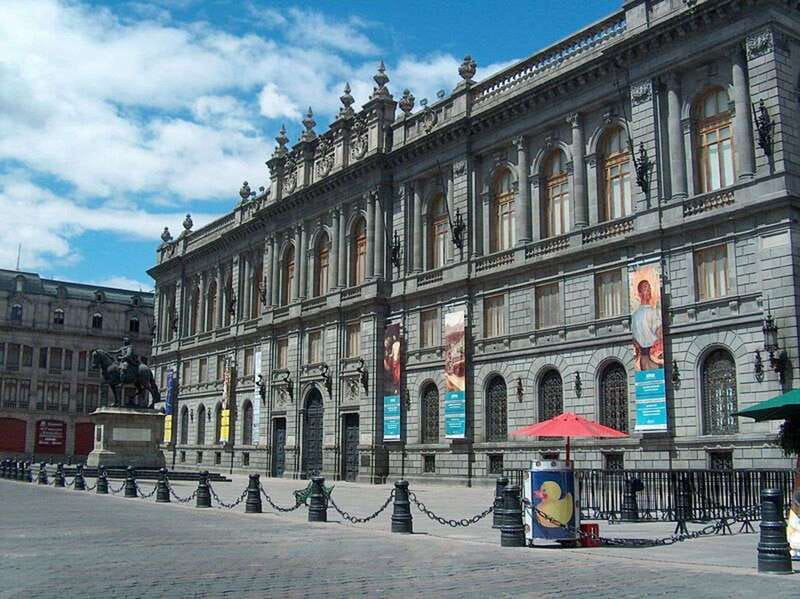
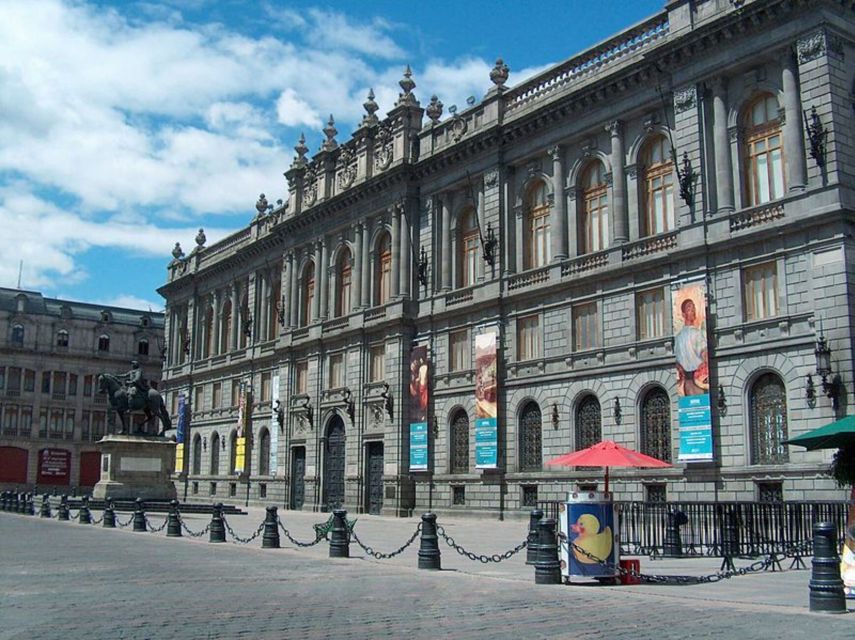
The Museo Nacional de Artes (MUNAL) is where the tour shifts from exterior drama to human creativity. You’ll have guided time here—about 40 minutes—plus a chance to explore with your camera ready.
What makes MUNAL worth prioritizing is the span of the collection. You’re looking at art from the second half of the 16th century through the first part of the 20th century. That wide timeline gives you a quick lesson in how styles and themes change as Mexico’s society changes.
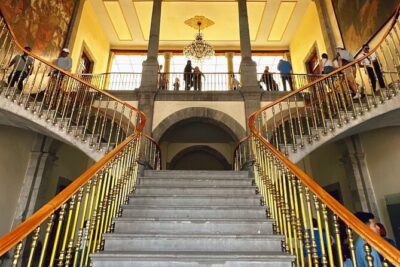
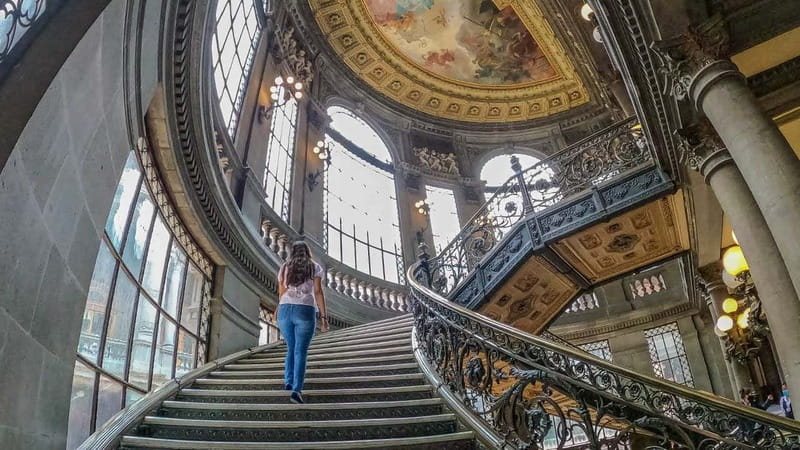
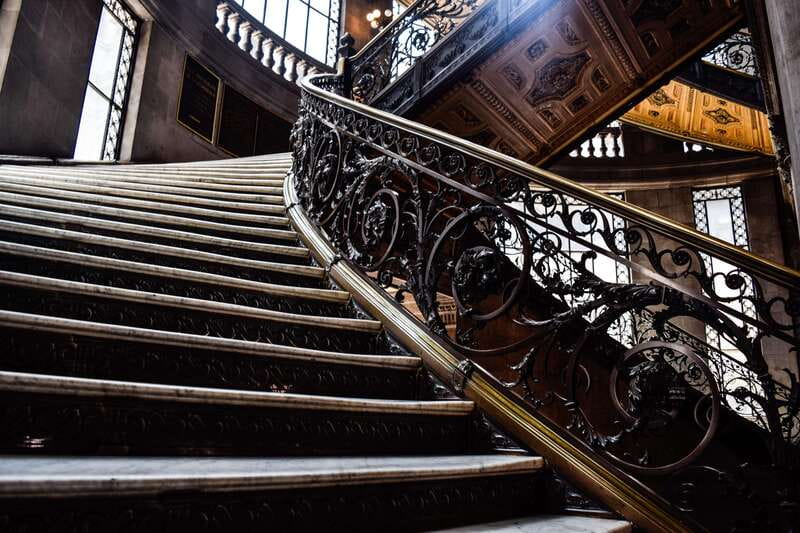
You’ll also see museum architecture up close, not just paintings. There’s a memorable spiral stair area that’s especially good for photos. Even if you’re not a “museum person,” the building’s internal design gives you something to react to right away.
A gentle reality check: 40 minutes passes fast in a museum, even a focused one. This is not a slow, deep research visit. But that’s kind of the point—this tour is a taste that helps you decide what you want to return to later on your own.
If you’re hoping to keep the day efficient, MUNAL is a good stop. You get a broad view of art history in a way that’s easy to understand, and then you’re moved along while your attention is still fresh.
Banco de México and the bill-factory visit: the Peso’s real origin
Next comes the stop that turns your attention from buildings and artworks to the machinery behind the national economy. The tour visits Banco de México – Fábrica de Billetes, with about 35 minutes for sightseeing that’s self-guided.
This is the kind of visit that can feel either fascinating or slightly niche, depending on your interests. If you like the story of how a country funds itself and circulates money, this is one of the most direct experiences on the route. You get the chance to see how Mexican money is produced, which makes the Peso feel less abstract.
If you prefer art, murals, and architecture only, this could be your “pause and appreciate what you’re seeing” moment rather than your favorite part. One practical tip: give yourself permission to treat this as context. Even if you don’t go home with a new passion for monetary systems, understanding the factory side of money adds a different angle to Mexico City’s identity.
Timing also helps. Since the visit is self-guided, you can move at your own pace inside the time you’re given. And if you want to spend more time looking at certain areas, this is the stop where you’re more in control.
The tour also mentions return to your hotel or accommodation in Mexico City, which can be a relief after a day of walking and indoor time.
Palacio de Correos de México: a post office with an architecture debate
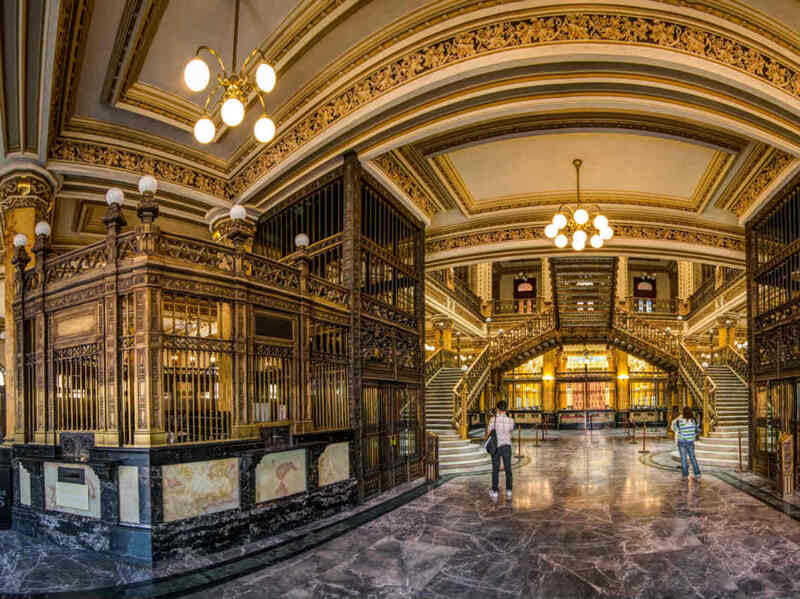
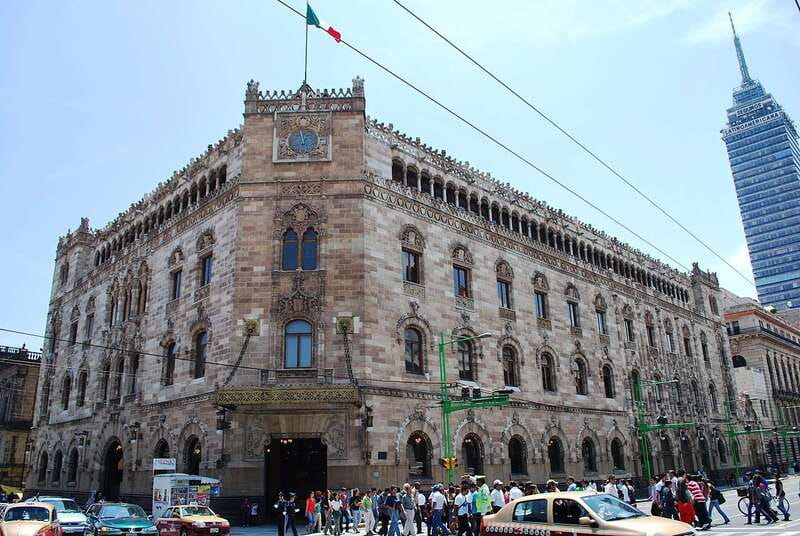
Then you reach Palacio de Correos de México, also called the Postal Palace. You’ll spend about 20 minutes here with guided sightseeing.
Here’s what makes this stop fun: the building’s design has sparked arguments about which styles influence it most. Scholars point to combinations like Art Nouveau, Moorish, Venetian Gothic Revival, and Baroque. Others argue for Neoclassical. That sounds like trivia until you’re standing inside and noticing the details that support different theories.
And the interior matters. The tour highlights a gold-plated interior, which is exactly the kind of payoff that makes a short visit worthwhile. Even if you only have 20 minutes, that kind of visual reward gives you a strong memory anchor.
Also, you’re not visiting some abandoned relic. This is a working postal building, and that gives the architecture extra weight. A place that still functions keeps the experience grounded. It feels less like sightseeing in a theme park and more like watching history still do its job.
If you like buildings that are “more interesting than they look at first glance,” Palacio de Correos is a standout on this route.
Back to Bellas Artes: top-floor murals and the culture hub feeling
You’ll end at Palacio de Bellas Artes, where the tour finishes with more time at the palace—especially the murals on the top floors. This is one of those arrangements that makes sense: you start here to get oriented, then you return when your eyes are sharper and your attention is warmed up.
What you should focus on during the final stretch is not only the building’s marble look, but the mural placement and how the palace presents art as part of daily public life. The palace is described as a center for artistic and cultural activities in Mexico, and the final stop reflects that idea. You’re not leaving with just one more exterior photo—you’re leaving with the sense of why this place matters.
It’s also a calmer ending. After visiting indoor sites and switching between guided and self-guided time, finishing at a cultural centerpiece gives you a gentler landing. You’re still in “architecture mode,” but it feels more like appreciation than logistics.
If the tour includes a drop-off at the Bellas Artes area, you’re in a good spot to keep your day going nearby. And if there’s a second drop-off option connected to Banco de México, that means your route is designed to avoid forcing everyone to travel back the same way.




How the walking plan and timing affect your experience
The tour is built around short walking connections—about 10 minutes between key sights—and concentrated time inside. That matters because Mexico City can throw crowds and street noise at you fast. Keeping the gaps short helps you stay in control of your energy and not feel like you’re constantly rushing.
You’ll also benefit from the express security check and the fact that entrance fees for several key stops are included. When you’re on a fixed 4-hour schedule, cutting down on waiting time is real value, not just convenience.
The whole experience is 4 hours total, starting at 9:50 a.m. at Palacio de Bellas Artes. That means you’ll likely be done before midday plans fully expand. It’s a good format if you want a morning culture and architecture “core,” then leave the afternoon flexible.
One practical note: food and drinks are not included. So if you’re prone to getting hungry midday, you’ll want to plan around that. Bring water if you can, and don’t rely on the tour to solve your snack situation.
Also, because the MUNAL stop may be inaccessible for force majeure, the timing could shift. If the museum part changes, your best move is to accept that you’re still getting the route logic: Bellas Artes, money context, postal architecture, then Bellas Artes again.
Price and value: why $48 can be worth it here
At about $48 per person for a 4-hour guided format, the big value question is: what’s included beyond just “a walk with a guide”?
Here’s where this one holds up:
- You get a certified professional guide during the guided portions.
- Entrance fees are included for key stops like the National Museum of Arts, the National Bank of Mexico, the postal palace, and Palacio de Bellas Artes.
- You use express security, which can save you real time in a city where lines can eat your schedule.
- The route isn’t random. It’s built around recognizable themes: art, architecture, and national identity through the production of money.
If you tried to piece this together on your own, you’d spend extra time figuring out what to see, how long each stop needs, and how to fit it into one morning. The guide compresses that decision-making.
Also, the guide’s impact comes through strongly in the best cases. One guide name that’s stood out is Ruben, who is praised for deep explanations that bring the places to life—especially around Palacio de Bellas Artes. That kind of interpretation is what turns “I saw a building” into “I understood why this building matters.”
Still, there’s a fair consideration: if Banco de México’s bill-factory visit doesn’t sound interesting to you, that part could make the tour feel less balanced. In that case, think of it as context for the rest of the day. If you already love the subject of money and economics, it becomes a bonus, not a detour.
Should you book this Mexico City buildings and palaces tour?
I’d book it if you:
- want a tight, structured morning that hits major sites without you micromanaging the schedule
- like learning how art and architecture connect to national identity
- want a guide who can explain what you’re seeing, not just point directions
I might skip it (or adjust expectations) if you:
- only want murals and fine art and don’t care about the money-production angle
- hate museums when your time is limited, since MUNAL is guided but not long-form
For most first-timers, this is a smart way to get your bearings fast and still leave with a few “I’m glad I learned that” moments—especially around Bellas Artes and the Postal Palace.
If you’re flexible about museum access on the day (MUNAL can be affected by force majeure), you’ll get a solid value-packed tour that feels like a curated morning, without being too precious about it.
FAQ
Where do I meet the guide?
You meet your guide at Palacio de Bellas Artes at 9:50 a.m..
How long is the tour?
The tour lasts 4 hours.
What stops are included?
It visits Museo Nacional de Artes (MUNAL), Banco de México – Fabrica de Billetes, Palacio de Correos de México, and Palacio de Bellas Artes.
Is the Palacio de Bellas Artes included at the start and end?
Yes. You start at Palacio de Bellas Artes and the tour ends there as well.
What languages is the live guide available in?
The guide is available in Spanish and English.
Are entrance fees included?
Yes. Entrance fees are included for the National Museum of Arts, National Bank of Mexico, Postal Palace of Mexico City, and Palace of Fine Arts.
Is food included in the price?
No. Food and drinks are not included.
Does the tour skip the line?
It includes an express security check.
Is the tour wheelchair accessible, and can I book a private group?
Yes, it is wheelchair accessible, and private group options are available.
What if MUNAL is inaccessible?
The tour notes that MUNAL may be inaccessible for reasons of force majeure, so you should expect the plan could adjust on the day.