REVIEW · MEXICO CITY
Mexico City: Monarch Butterflies, Sierra Chincua & Angangueo
Book on GetYourGuide →Operated by Vibe Adventures · Bookable on GetYourGuide
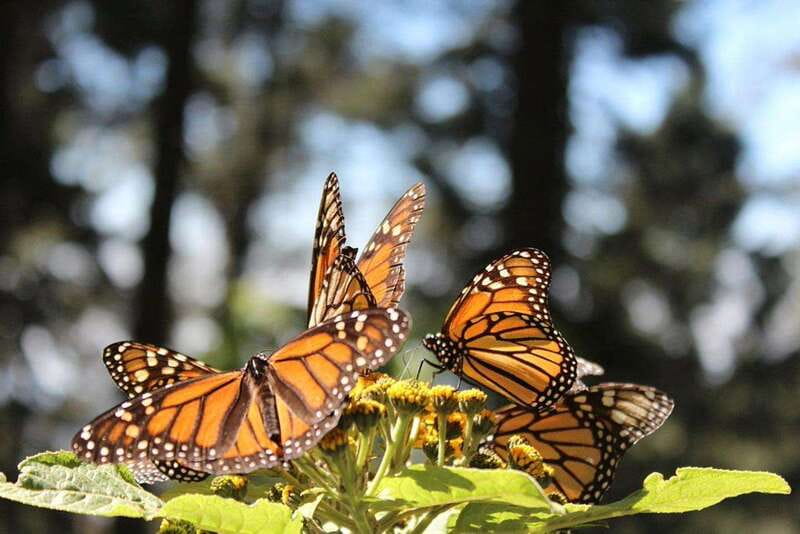
Monarch butterflies turn the mountains into a show. In Sierra Chincua, you’ll see thousands of monarchs cluster during the migration season, inside a UNESCO biosphere reserve. I love how this tour pairs the butterfly spectacle with a visit to Angangueo, a charming mountain town with cobbled streets and big Alpine-style views.
The one thing to think through: this is a 12-hour day, so you’ll spend a lot of time traveling before you get your main butterfly moment. If you’re prone to altitude discomfort or motion sickness, plan smart and don’t underestimate the uphill hike.
In This Review
- Key points worth knowing before you go
- Price and what $169 usually covers in real life
- The long road from Mexico City, and why the pickup point matters
- Entering Sierra Chincua: the monarch moment you came for
- The hike to the colony: altitude, pace, and the horse option
- Horse rides: helpful, but not a shortcut miracle
- What the guide role really adds (and why it can vary)
- Angangueo, the “Magic Town” stop: cobblestones, views, and shopping time
- Timing reality: travel hours versus butterfly minutes
- Comfort and logistics: what to do so you’re not stuck mid-day
- What to bring for Sierra Chincua and Angangueo
- Who this tour suits best
- Should you book the Monarch Butterflies and Angangueo day trip?
- FAQ
- What months are best for monarch butterfly viewing?
- How long is the hike in Sierra Chincua?
- Are there horses available to help with the steep sections?
- Where do I meet the guide?
- What’s included in the tour price?
- What should I bring?
Key points worth knowing before you go
- Sierra Chincua is one of the official monarch sanctuaries, with peak viewing typically happening from December to February
- You hike for the colony, and the walk can mean serious altitude (around 9,200–11,150 feet) even if the distance is short
- Horses can help on steeper sections, but they only cover part of the route and cost extra
- Angangueo feels like a real mountain town, not just a photo stop, with shopping and guided strolling
- The day is run by a live multilingual guide, and you can book private or small-group options
Price and what $169 usually covers in real life
At $169 per person for a 12-hour outing, you’re paying for a full-day package: hotel pickup/drop-off in Mexico City, transportation to Michoacán, a local guide, and entry fees. That structure matters because monarch tours aren’t just a casual stroll. You’re traveling far enough that logistics can make or break the day.
What’s not included is just as important. The tour data lists personal expenses and travel insurance as not included. Since meal handling can be confusing in the real world (more on that below), I’d treat lunch as something you may need to budget for anyway, especially if you have a tight schedule or limited cash.
Net: the price feels fair if you want a guided, organized route during the best monarch months and you value not figuring out transport and local access on your own.
You can also read our reviews of more city tours in Mexico City
The long road from Mexico City, and why the pickup point matters
This tour is designed to pick you up in Mexico City and run you back to the Angel of Independence area. The meeting point is specific: meet the guide at the entrance of Hotel City Express Plus by Marriott, and do not go into the hotel—stand outside where the guide meets people. It’s close to the Angel of Independence, which is a huge help for orientation.
In a day like this, small delays snowball fast. You’re dealing with highways, mountain roads, and elevation changes. That means a smooth start helps a lot:
- Be on time, even if you’re early
- Keep your phone available for day-of contact (this is explicitly part of the setup)
- If you’re booking a hotel pickup, confirm exactly where your guide will find you
Also, the drive is part of the experience. You’ll go through the Valley of Mexico en route to Sierra Chincua, which means the scenery shifts as you climb. It’s not thrilling like a theme park ride, but it keeps you from feeling stuck waiting around.
Entering Sierra Chincua: the monarch moment you came for
Sierra Chincua is one of five official monarch butterfly sanctuaries, and it’s famous for scenery and for being tied to the annual monarch migration. The main season runs November to March, with the biggest stretch often landing December to February.
Here’s the reality check that makes or breaks expectations: the butterflies are the main event, but the viewing time depends on where the colony is that day and how the walk unfolds. The habitat is living and shifting with climate and seasonal conditions, so even in the same sanctuary, the route and exact experience can vary.
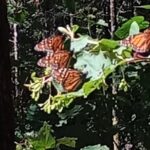
Still, when it’s working, the effect is hard to describe without sounding dramatic: thousands of monarchs grouped in the forest create a natural show. This is the kind of wildlife moment where your best plan is simple—stay quiet, watch, and let the scene do the talking.
The hike to the colony: altitude, pace, and the horse option
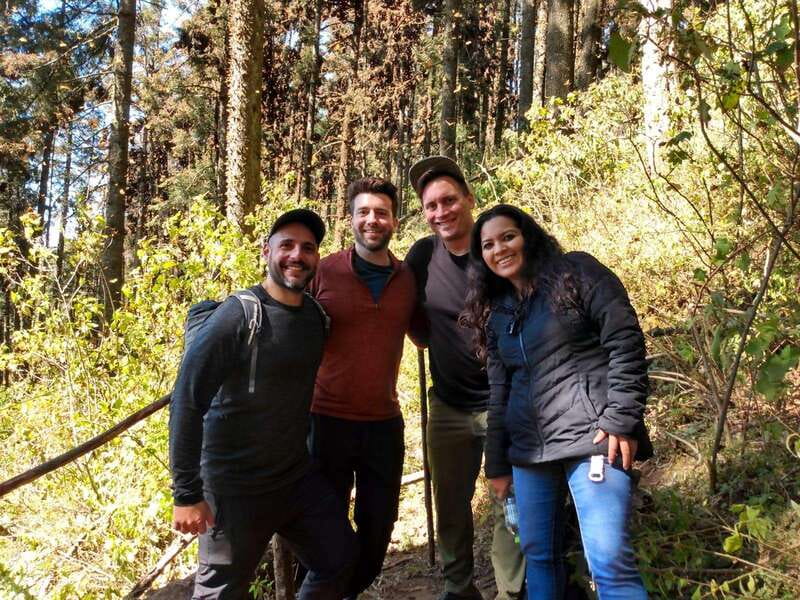
This is the part you should respect. The trail ascends from about 2,800 meters to 3,400 meters (9,200–11,150 feet). You’ll also see meaningful elevation gain—anywhere from roughly 220 to 800 meters—even though the trail length can be around 1.2 to 3 kilometers depending on where the butterflies are.
The tour experience includes a guided walk (listed as about 2.5 hours), and the sanctuary approach is described as typically 1 to 2 hours of hiking, depending on your fitness level and the butterfly location. That means your effort won’t be just about distance. It’s about altitude.
Two practical tips based on how these days actually feel:
- Choose comfortable shoes over stylish ones. Stone and uneven paths plus altitude is not the place for experimenting.
- Don’t plan to speed-run this. A steady pace helps your breathing and keeps you from arriving stressed.
Horse rides: helpful, but not a shortcut miracle
You can hire horses locally to assist with the steeper sections. Important details from the tour info: it’s at your own cost, and horses cover about half the hike. So if you’re hoping for an easy ride for the whole route, that’s not how it works. Still, for steeper climbs, it can take the edge off.
What the guide role really adds (and why it can vary)
This tour runs with a live guide, and the supported languages include English, Spanish, French, Italian, and German. That’s a real advantage in a place where you want context: why the migration happens, how the colonies form, and what locals do to protect the habitat.
In particular, guides who explain the monarch migration in practical terms make the butterfly moment more satisfying. One guide named Andrés is specifically noted for redirecting to a different monarch sanctuary when conditions are better, plus for sharing information about migration, ecosystem, and conservation challenges.
Not every guide visit will follow that exact pattern, but the overall point stays true: if your guide is active and informative, the day feels longer in a good way. You’ll leave with an understanding of what you saw, not just a pile of photos.
Angangueo, the “Magic Town” stop: cobblestones, views, and shopping time
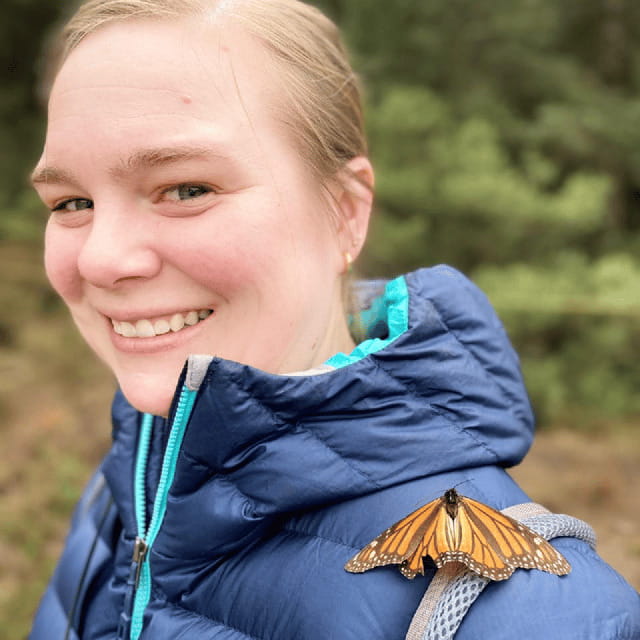
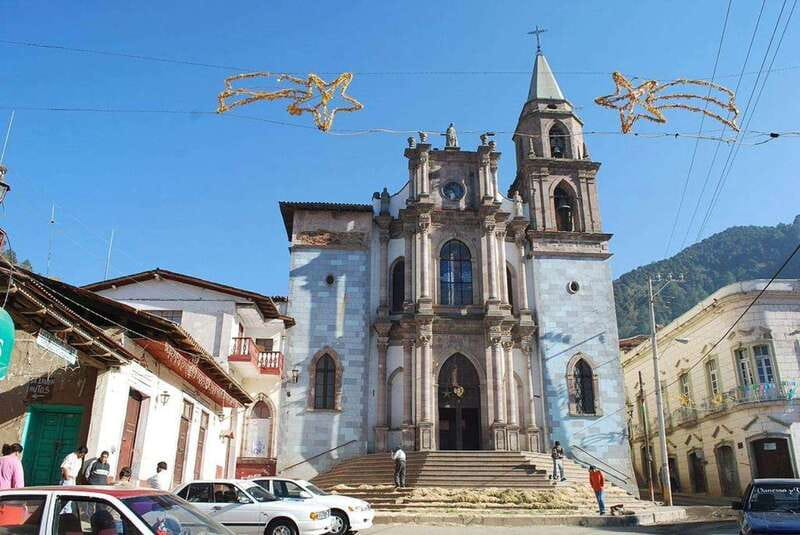
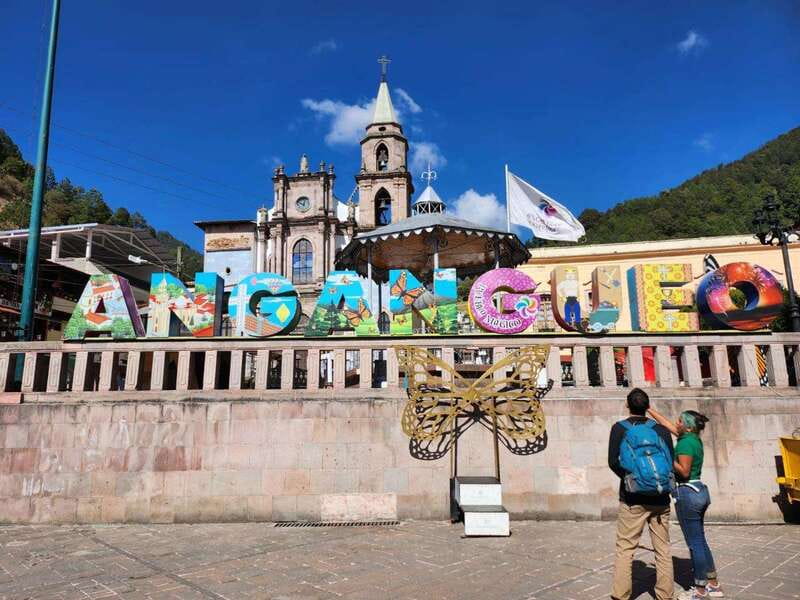
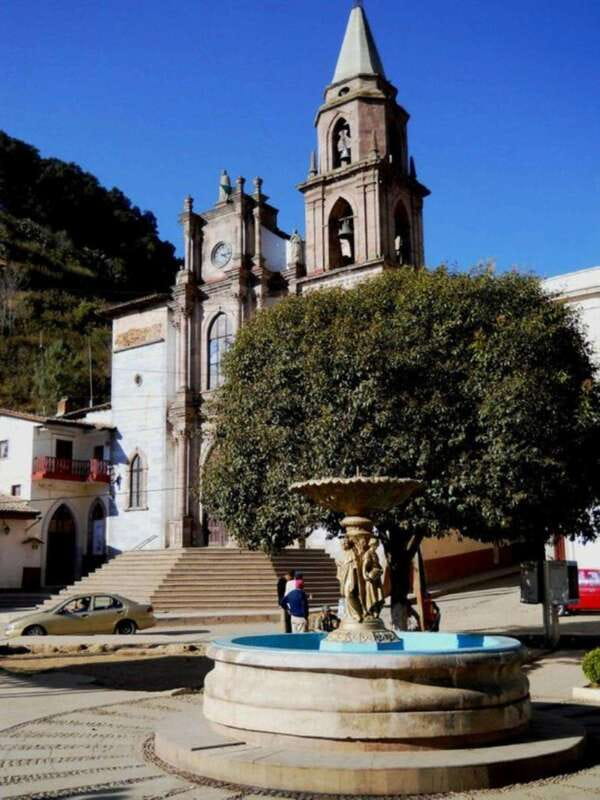
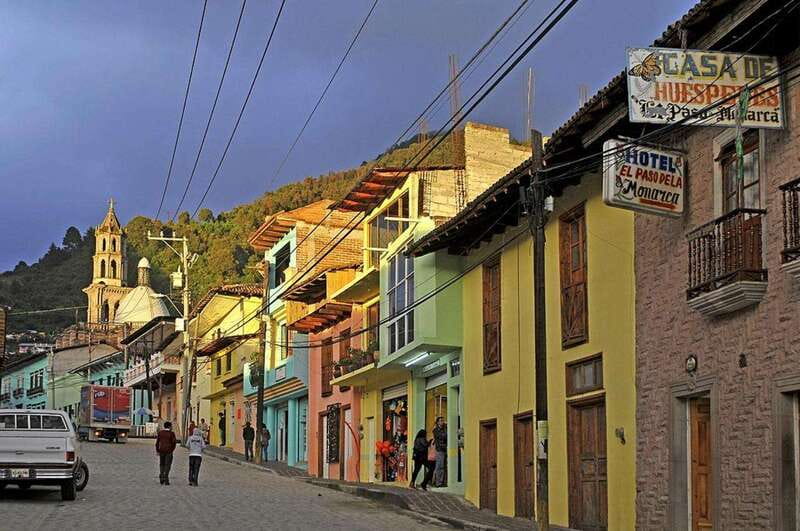
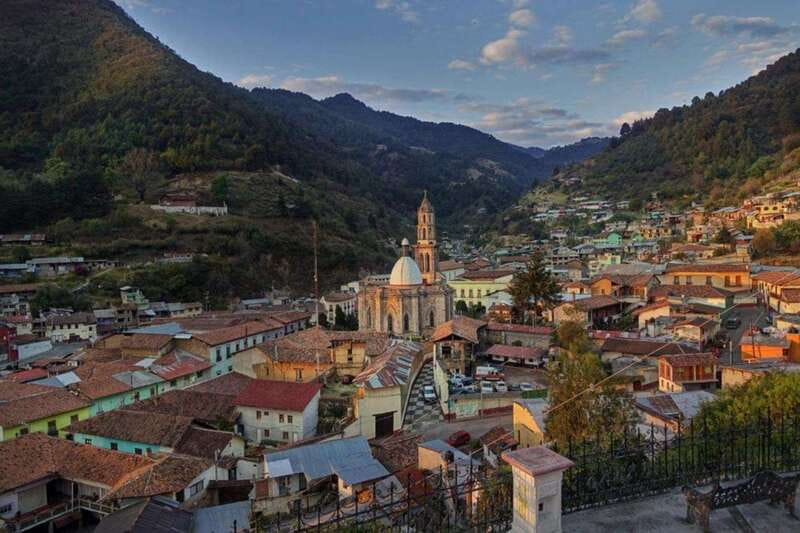
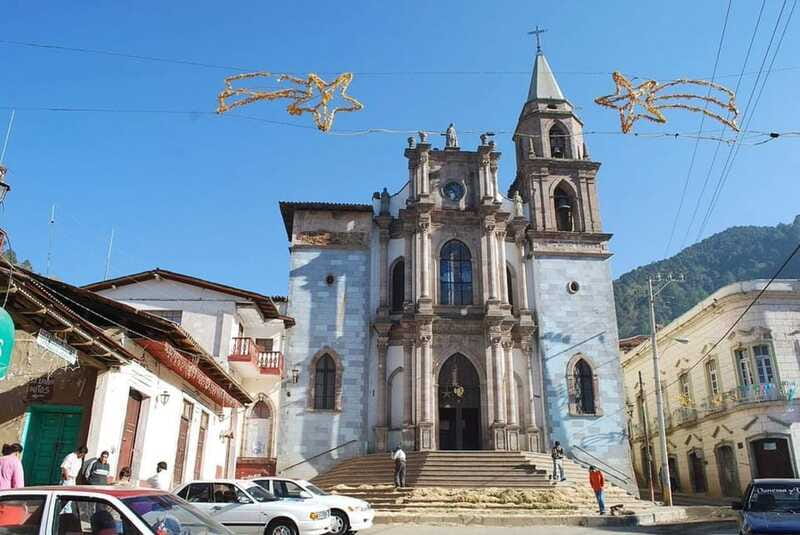
After the sanctuary, you head to Angangueo, a town described as a Magic Town and connected to monarch conservation. It’s also described as having a mining past, which explains some of the town’s older character and layout.
This portion of the day is built for walking and browsing. You get a guided tour and time to:
- Explore cobbled streets
- Enjoy Alpine-style panoramic views
- Do shopping and sightseeing
The guided stroll is listed at about 3 hours, plus an optional 1-hour lunch. That timing matters because it shifts the day from physical to social. You go from uphill effort to a slower pace where you can look around, take photos without rushing, and actually soak up small-town rhythm.
One thing to keep in mind: some days run later than planned when roads or pacing get affected. If you have dinner plans back in Mexico City, I’d keep them flexible. This tour returns you to the Angel of Independence area, and late arrivals can happen if the day runs tight.
Timing reality: travel hours versus butterfly minutes
The structure of a full-day tour like this makes the time trade-off unavoidable. You’ll likely spend a big chunk of your day on the road, especially from Mexico City to Michoacán and back. Then you get a focused window for the colony viewing and the hike.
That’s why the best mindset is not to count minutes like a stopwatch. Instead, count what you’re controlling:
- your fitness and shoe choice
- how early you start your pace on the climb
- whether you’re ready for altitude
- whether you pack what you need for comfort (sunscreen, sunglasses, and layers)
If you’re expecting a long sit-down butterfly party, you may feel disappointed. If you treat it as a serious field hike and wildlife encounter with a real town afterward, it lands much better.
Comfort and logistics: what to do so you’re not stuck mid-day
A few operational issues come up in experiences shared by past participants, so here’s how I’d protect yourself without panicking:
- Van comfort and nausea risk: the long road can be rough. If you know you get motion sick, plan for it. This is one of the most common “small comfort” issues in remote day trips.
- Meals and timing mismatch: the itinerary mentions lunch, but the tour’s included items only clearly list entry fees. Because of that mismatch, plan to have backup money and snacks you can buy on the spot if lunch doesn’t match what you expect.
- Cash and payment: some local stores may not take card or foreign currency, so bring Mexican pesos if you can.
- Sanctuary guide coverage: in a well-run day, you’ll have guided interpretation where it counts—at the colony. If something feels off, communicate quickly with your guide in the moment.
None of this cancels the fact that the monarch sighting can be spectacular. It just helps you avoid a day that feels unnecessarily stressful.
What to bring for Sierra Chincua and Angangueo
The tour’s own packing list is solid. Bring:
- Comfortable shoes
- Sunglasses
- Sunscreen
- Comfortable clothes
- ID card (a copy is accepted)
- Travel insurance (listed as not included, but you should still have it)
For clothing, altitude can mean you’ll feel different temperatures than you did in Mexico City. Dress for changing conditions and keep your comfort high. That’s not about being fancy—it’s about making the climb feel manageable.
Who this tour suits best
This works best if you:
- Visit during the monarch season (November to March)
- Want a guided day that takes you to Sierra Chincua and then gives you a real town stop in Angangueo
- Can handle a moderate uphill effort at altitude (or you’re willing to use the horse option for the steepest sections)
It may not be ideal if you:
- Hate long travel days and want a short, local excursion
- Are sensitive to altitude or motion sickness
- Expect meals to be fully handled exactly as you imagine without needing cash or flexibility
Should you book the Monarch Butterflies and Angangueo day trip?
I’d book this if you’re traveling for the monarch migration during peak season, and you want a single organized day that combines wildlife and a mountain-town walk. The Sierra Chincua sanctuary is the core reason to go, and Angangueo is a genuinely pleasant payoff afterward.
Before you pay, do three quick checks:
- Confirm your meeting point and keep your phone ready for day-of contact.
- Ask what to expect on lunch and whether you should bring extra money just in case.
- Be honest about your comfort with altitude and uphill walking, since the climb is part of the experience—not a decorative add-on.
If you handle those points, you’ll be set up for a memorable monarch day with real scenery and a town you can actually enjoy.
FAQ
What months are best for monarch butterfly viewing?
The monarch butterfly season runs from November to March, with peak viewing typically happening December to February.
How long is the hike in Sierra Chincua?
Reaching the sanctuary area usually takes 1 to 2 hours of hiking, depending on the butterfly location and your fitness level. The guided walk portion is listed as about 2.5 hours.
Are there horses available to help with the steep sections?
Yes. Locally available horses can be hired at your own cost to assist with steeper parts of the trail, and they cover about half of the hike.
Where do I meet the guide?
Meet your guide at the entrance of Hotel City Express Plus by Marriott, outside the hotel near the Angel of Independence.
What’s included in the tour price?
The tour includes a local guide, hotel pickup and drop-off, transportation, and entry fees.
What should I bring?
Bring comfortable shoes, sunglasses, sunscreen, comfortable clothes, and an ID card (a copy is accepted).