REVIEW · MEXICO CITY
Learn How To Cook Mexican Food
Book on Viator →Operated by Eat Mexico Culinary Tours · Bookable on Viator
A proper salsa starts with hands and patience, not shortcuts. This 3-hour class in Roma Nte. gets you cooking real Mexican techniques at a relaxed pace, with a max group size of eight. I like that you’re taught basics you can actually repeat, from green salsa to masa shaping and cooking nopales.
You’ll also leave with written recipes for the dishes you make, plus food you can keep eating after class. One possible drawback: private transportation isn’t included, so you’ll want to plan your own ride or use public transit to reach Tonalá 194.
Small class, real kitchen, clear teaching, and a friendly vibe. Chef Julieta Carrion runs the show in a working professional kitchen tied to her pastry business, and the energy stays practical and easy to follow. The hands-on portion is the point here, so if you’re hoping for a quick food tasting only, this might feel a bit more work than you want.
In This Review
- Key points at a glance
- Why This Roma Cooking Class Feels Like a Local Skill, Not a Show
- Entering the Working Kitchen: Chef Julieta and a Small-Group Setup
- What You Learn: Green Salsa, Chiles, Masa Shaping, and Nopales
- Menu Breakdown: Sopes and Nopales Salad to Start
- Sopes
- Nopales (cactus) salad
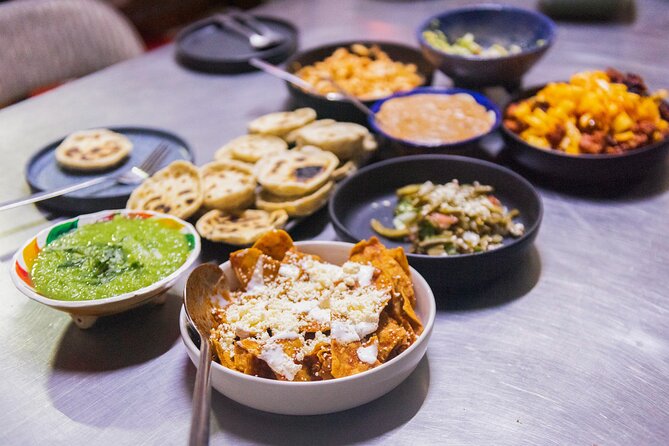
- Main Dishes: Tinga, Papas con Chorizo, and Chilaquiles Rojos
- Tinga (chicken or oyster mushroom)
- Papas con chorizo
- Chilaquiles rojos
- What’s Included: You Eat What You Cook, Then You Take It Home
- Price and Value: Is $149.28 Worth It?
- Practical Tips for a Smooth 6:00 pm Cooking Session
- Who Should Book This Class (And Who Might Skip It)
- Should You Book This Cooking Class?
- FAQ
- How long is the cooking class?
- How many people are in the class?
- Is the class taught in English?
- What dishes will I cook?
- Do I get to eat what I cook?
- Is transportation included?
- What is the cancellation policy?
Key points at a glance
- Max 8 people means you get time, not just a seat at the counter
- Chef Julieta Carrion keeps the pace enjoyable and the instruction clear
- You learn techniques like green salsa, chiles, masa, and nopales
- The sample menu includes crowd-pleasers like tinga and chilaquiles rojos
- Written recipes help you recreate everything at home
- You can eat what you cook, then take leftovers in containers
Why This Roma Cooking Class Feels Like a Local Skill, Not a Show
Mexico City is full of food experiences. Most fall into one of two buckets: eat and watch, or cook and hope. This one aims squarely at cooking with structure. You walk into a working kitchen and learn the fundamentals that Mexican home cooks use every day.
The biggest value for me is the way the class teaches you technique first. You’re not just following steps to one finished dish. You get the core moves behind flavor: how salsas change with ingredients and heat, how chiles behave, and how corn masa turns into something you can shape by hand. That’s the difference between a meal you remember and a meal you can recreate.
The second big plus is the teaching pace. The group cap is eight, and that matters. It means you’re not waiting for someone else’s questions to end before you can understand what to do next. It also makes the whole evening feel more like a small workshop than a production line.
You can also read our reviews of more food & drink experiences in Mexico City

Entering the Working Kitchen: Chef Julieta and a Small-Group Setup
This class runs in a professional working kitchen in Roma, at Tonalá 194 in Cuauhtémoc. Roma is a smart choice for many visitors: it’s lively enough to feel like you’re in the city, but not so chaotic that getting there is a nightmare. You’ll also be near public transportation, which makes a 6:00 pm start time easier to handle.
Inside, you’re guided by Chef Julieta Carrion. Her background is rooted in her own pastry business that supplies restaurants and coffee shops, and she teaches Mexican food classes in the same kitchen. That blend matters. You can expect the environment to be organized, the tools to be ready, and the flow to feel practiced rather than improvised.
You’re given an apron for the class. It’s a small detail, but it helps you relax. You don’t have to worry about what you’re wearing or immediately changing plans if you splatter something while learning.
And yes, the vibe is friendly. The class is described as professional, engaging, and fun. That lines up with how a hands-on lesson should feel: focused, but not stiff.
What You Learn: Green Salsa, Chiles, Masa Shaping, and Nopales
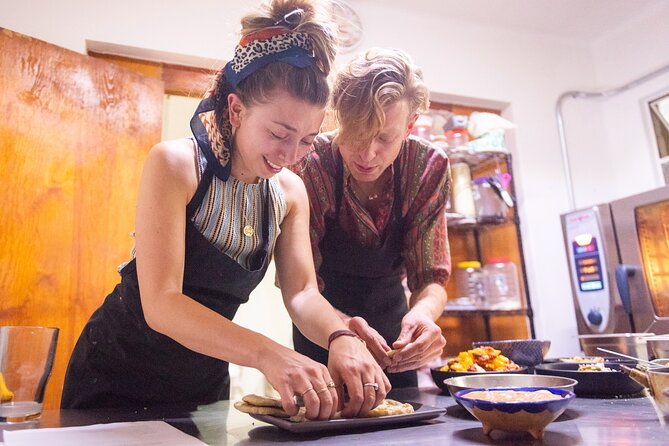
The core promise here is confidence. You’re learning techniques that people grow up mastering at home, the kind you’d never pick up from a menu description.
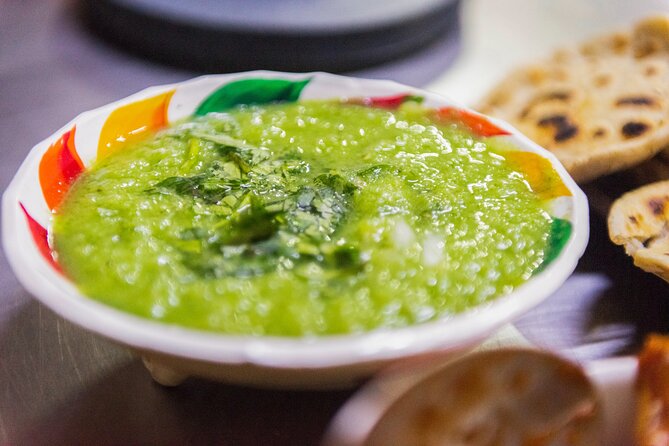
You’ll learn how to make a basic green salsa. Green salsa in Mexico isn’t one flavor in one jar. It’s a process. The vegetables, the balance of acidity, and the chile influence decide whether it’s bright and mild or deeper and more assertive.
You’ll also learn how to use fresh and dried chiles. This is huge if you’ve ever cooked Mexican food before and felt stuck. Dried chiles are not just “stronger chile.” They add different flavors and textures because of how they’re prepared and used. Fresh chiles do their own thing too. Knowing when each one fits turns recipes from guesses into tools.
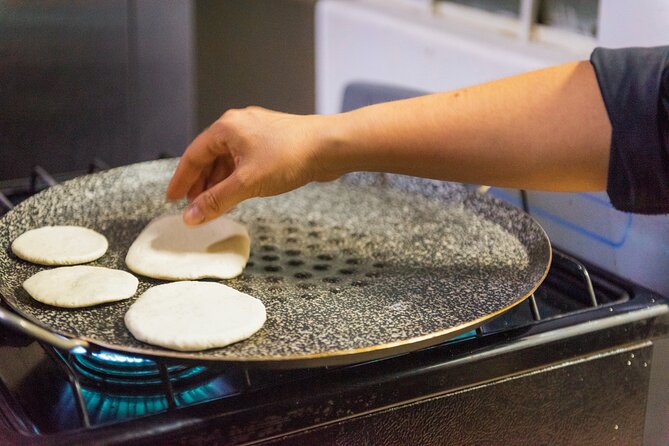
Another key skill is working with corn masa—handling it and shaping it with your hands. Masa isn’t just an ingredient; it’s a medium. Once you learn how it should feel and how to form it, you can expand into other dishes later.
Finally, you learn how to cook nopales. Nopales, the cactus paddle, can be intimidating if you only know it as a menu item. Cooking it well changes texture and reduces that sharpness some people dislike. Learning the method helps you use it beyond one salad.
The class also includes cooking steps that support what you’ll eat: salsas, chile seasoning, and building dishes with the right balance. Even if you don’t catch every detail, the takeaway is real. You’ll understand what’s driving the flavor.
Menu Breakdown: Sopes and Nopales Salad to Start
The class menu begins with two starters that teach you how Mexican food builds layers.
Sopes
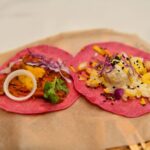
You’ll make sopes, round-shaped patties made from nixtamalized corn dough. Then comes the topping logic: refried beans, salsa, and onion and cilantro if desired. This is a clever first dish because it forces you to practice masa handling and shaping early, when you’re still learning the feel of the dough.
Sopes are also a smart learning dish because they show how textures work together. The base is firm enough to hold toppings. The beans bring richness. Salsa adds acidity and heat. Onion and cilantro sharpen everything at the edges.
You can also read our reviews of more tours and experiences in Mexico City



Nopales (cactus) salad
Next is a nopales salad, described as fresh and delicious with health benefits. Even if you’re not chasing health trends, you’ll learn how nopales fit into a meal as a fresh, vegetal component rather than something that only appears in stews.
This starter pairs well with the class theme. You’re not just cooking nopales; you’re seeing how they work alongside salsa and herbs for a lighter start.
Main Dishes: Tinga, Papas con Chorizo, and Chilaquiles Rojos
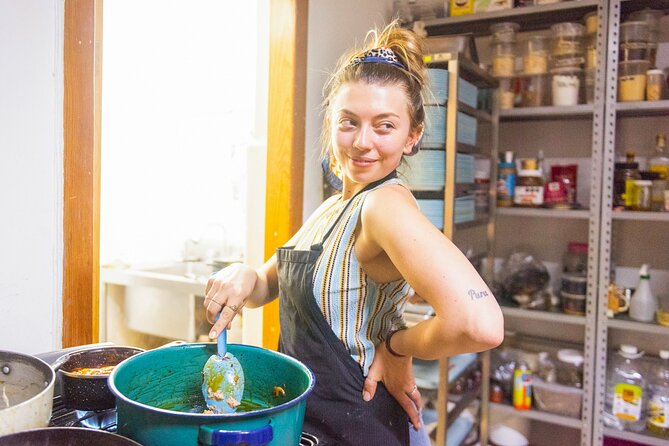
The main portion is where the class becomes satisfying fast. You’re cooking several recognizable staples, including both meat and vegetarian-friendly options.
Tinga (chicken or oyster mushroom)
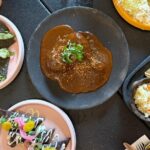
You’ll cook tinga, seasoned with smoked chipotles. You can choose chicken or, for vegetarians, oyster mushroom. The key lesson here is the role of chipotle smoke. Even when the recipe is not spicy-hot, smoked chile flavor can make the dish feel complex.
The class also emphasizes that you can set the spice level to your preference. That’s practical. It’s also exactly how Mexican home cooks think: control the chile intensity so the dish stays enjoyable.
Papas con chorizo
Next is papas con chorizo, potatoes with chorizo that are mildly spiced. This one is valuable because it teaches seasoning harmony. Potatoes absorb flavors, so you learn how the chile-spiced elements should balance the starchy comfort.
If you’ve only had chorizo in tacos, this helps you see it as a building block. It’s not just a topping. It’s flavor you can cook into the dish.
Chilaquiles rojos
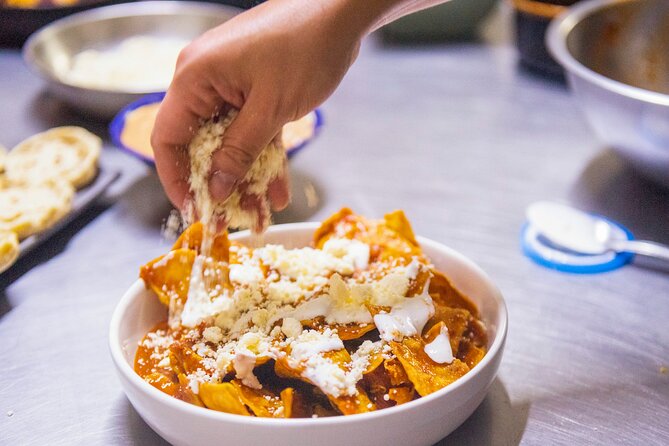
Finally, you make chilaquiles rojos: crunchy tortilla chips dipped in red salsa and topped with thick crema. Chilaquiles are a great capstone because the salsa and chips relationship is the trick. You get a feel for how much liquid to use and how quickly chips soften without turning soggy.
This dish also teaches a common plating rhythm: chips for crunch, salsa for bite, crema for balance and richness. The result is a meal you can understand instantly, which helps when you try to recreate it later.
What’s Included: You Eat What You Cook, Then You Take It Home
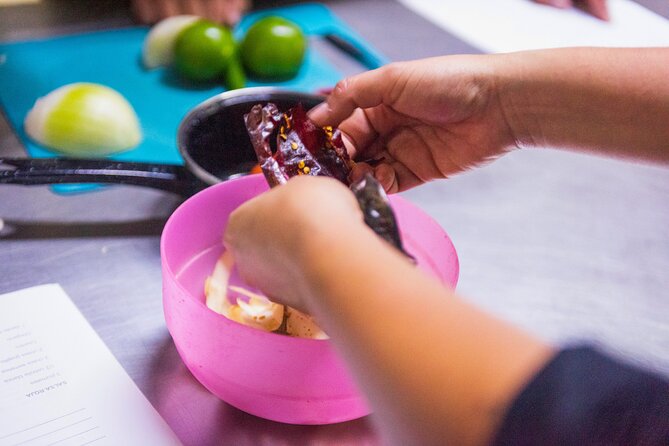
This class isn’t one of those “watch them cook while you taste a bite” situations. Dinner is included in the sense that everything you cook is for you to eat.
Once the class is over, you can keep eating as much as you want. If you don’t finish, containers are provided so you can take leftovers. That’s a real value point. In Mexico City, food is easy to find, so a cooking class has to justify itself with more than entertainment. Here, the meal keeps going after you learn.
You’ll also take home written recipes for the dishes you prepare. Written recipes matter more than most people think. Even when you know cooking basics, Mexican techniques often rely on subtle ingredient choices. Having recipes in hand makes it easier to replicate your results instead of trying to reverse engineer them days later.
An apron is provided, and all ingredients for the class are included. That keeps the cost focused on instruction and cooking time rather than shopping.
Price and Value: Is $149.28 Worth It?
At $149.28 per person for about 3 hours, the price can look steep if you compare it to street tacos or even a casual restaurant dinner. But a cooking class like this should be judged differently.
Here’s why it likely feels fair:
- Small group size (max eight): that instruction time has overhead, and eight seats is more personal than many classes.
- Multiple dishes cooked: you’re making several recognizable plates, not just one starter.
- Food included, with leftovers: you’re not paying only for the lesson; you’re also getting the meal.
- Written recipes: it’s an investment in repeatable skills, not a one-night snack.
Also, the class is typically booked about 24 days in advance on average. That suggests demand, which usually correlates with consistent quality and fewer empty seats.
If you like cooking, the value is strongest. If you’re mainly looking for a guided food tour with minimal effort, you might prefer something else. This experience rewards people who are ready to work at the stove, with support.
Practical Tips for a Smooth 6:00 pm Cooking Session
You’ll start at 6:00 pm at Tonalá 194 in Roma Nte. The activity ends back at the meeting point. That’s helpful: you won’t be dropped in a far-away area after dinner.
A few practical ideas to make the evening go well:
- Plan to arrive a touch early. Even if you’re near public transportation, you want time to get oriented.
- Wear comfortable clothing you don’t mind getting a little kitchen-adjacent. The apron helps, but not miracles.
- Come hungry. Since everything you cook is for you to eat, you’ll want to actually enjoy the meal, not just sample.
- If you’re vegetarian, you’ll have a choice in the menu. Tinga includes a vegetarian option using oyster mushrooms.
The class is offered in English, so you can follow along without guessing based on visuals alone. And you’ll get a mobile ticket, which usually makes arrival faster.
Who Should Book This Class (And Who Might Skip It)
This class is a great fit if you want practical Mexico City cooking skills. You’ll especially like it if you’ve tried making salsa at home and felt like the result never tastes quite right. Learning how to handle chiles and how to work with masa makes a big difference.
It’s also ideal for couples, friends, or solo travelers who enjoy small group learning. The max eight-person setup helps you feel involved, and Chef Julieta’s teaching style sounds like it keeps people comfortable and confident.
If you hate prep work, measuring, and cooking steps, you may find it too hands-on. Also, if you only want a quick taste and zero cooking, you might feel like this is more work than necessary.
Should You Book This Cooking Class?
I’d book it if you want to go home with real technique and recipes. The combination of small group size, hands-on instruction, and a menu that teaches multiple staples makes it more than a one-off meal. Chef Julieta Carrion also sounds like the kind of teacher who makes a cooking class feel manageable, not intimidating.
Skip it only if you’re looking for a passive experience. This is a kitchen lesson. If you show up ready to cook, you’ll leave with food you can eat that night, plus written recipes and confidence you can use next time you shop for chiles and masa.
FAQ
How long is the cooking class?
It’s approximately 3 hours.
How many people are in the class?
The class has a maximum of eight travelers.
Is the class taught in English?
Yes, it’s offered in English.
What dishes will I cook?
You’ll prepare items including sopes, nopales salad, tinga (with chicken or an oyster mushroom option for vegetarians), papas con chorizo, and chilaquiles rojos. You’ll also learn techniques like green salsa, using fresh and dried chiles, working with masa, and cooking nopales.
Do I get to eat what I cook?
Yes. Everything you cook is for you to eat, and you can eat as much as you want after the class. If you don’t finish, you can take leftovers in provided containers.
Is transportation included?
Private transportation is not included.
What is the cancellation policy?
You can cancel for a full refund up to 24 hours in advance of the experience start time. If you cancel less than 24 hours before, the amount paid isn’t refunded.