REVIEW · MEXICO CITY
La Catrina & Muralism: Diego Rivera’s Legacy & Frida Kahlo
Book on GetYourGuide →Operated by Diana Orozco · Bookable on GetYourGuide
Diego Rivera plus Frida Kahlo in three hours? Yes, and it actually works. This guided route links Mexico’s mural movement to the people, politics, and symbolism behind the art, starting at the birthplace of muralism and ending at Palacio de Bellas Artes.
I especially like how the tour explains the hidden meaning inside the paintings, not just the names and dates. You’ll also get a clear look at the relationship between Rivera and Kahlo, with guides like Sam and Jesús described as especially strong on symbolism and story, including how their romance shaped much of the work. One thing to plan for: you’ll be walking and you can’t bring luggage or big bags, so pack light and wear shoes you trust.
If you want Mexico City art that feels personal, this tour is for you. I like the focus on La Catrina—the Day of the Dead figure recognized far beyond Mexico—and how it connects mural art to everyday traditions. The only drawback I can flag is practical: there’s no meal stop, so plan to eat before or after.
In This Review
- Key things to know before you go
- Starting at Colegio de San Ildefonso: where muralism gets its footing
- Museo Vivo del Muralismo: art and memory in the same room
- The romance story without the fluff: Rivera and Frida’s connection
- Diego Rivera Mural Museum: learning the technique behind the message
- La Catrina and Day of the Dead: why an image travels the world
- Palacio de Bellas Artes: finishing with context, not just a photo
- Price and value: what $58 buys you in real learning time
- Who this tour suits best
- Practical tips so you enjoy every stop
- Should you book La Catrina & Muralism: Diego Rivera’s Legacy & Frida Kahlo?
- FAQ
- Where does the tour meet?
- How long is the tour?
- What languages are available?
- What’s included in the experience?
- What should I bring?
- What is not allowed during the tour?
- Is the tour wheelchair accessible?
- Can I cancel or change plans?
Key things to know before you go
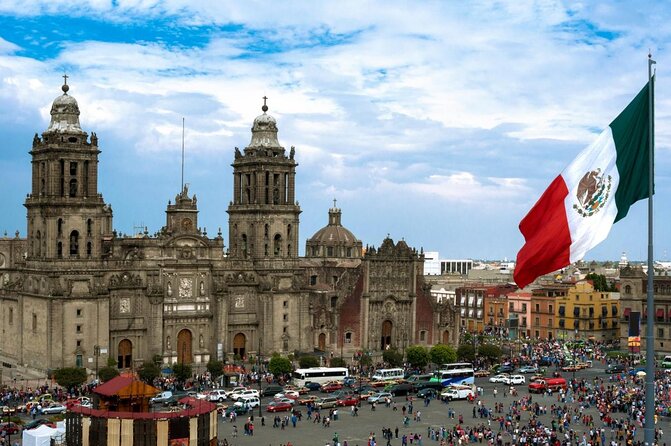
- Birthplace of muralism start point: You begin at Colegio de San Ildefonso, a strong foundation for understanding why Rivera matters.
- Meaning over memorization: Guides are praised for explaining symbolism, not just describing surfaces.
- La Catrina and Day of the Dead context: You’ll see how this iconic image fits into Mexican cultural memory.
- A route built around major mural spaces: You cover multiple mural-focused sites with guided time at each.
- Rivera through a local voice: The tour keeps the story grounded in real Mexican culture, with guides like Jesús, Luís, Aldo, and Sam mentioned for their passion and clarity.
- Short and walkable: It’s a 3-hour tour, so it’s ideal if you want a strong primer without using your whole day.
Starting at Colegio de San Ildefonso: where muralism gets its footing
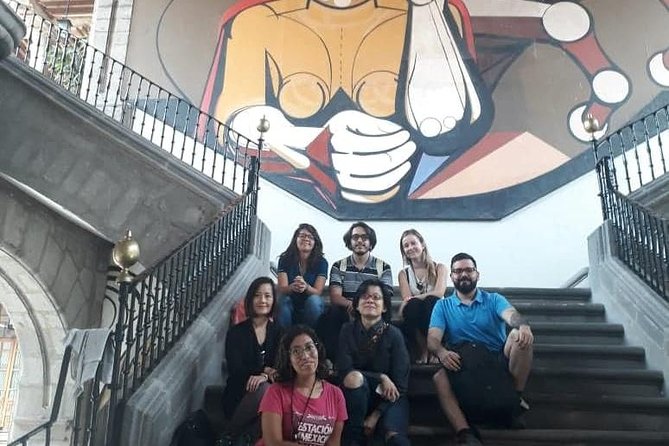
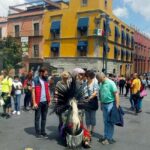
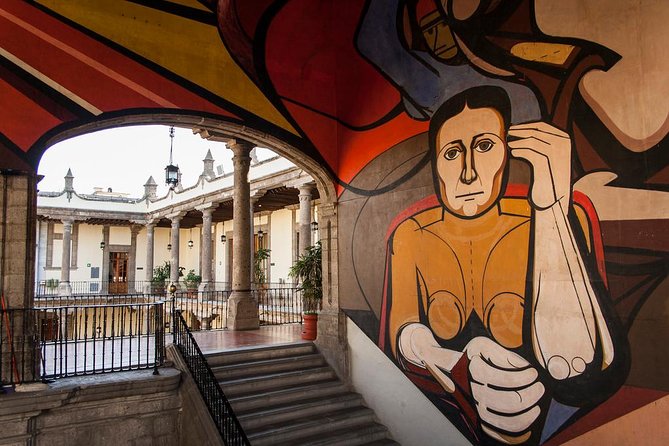
Your morning (or afternoon) starts outside the entrance of Colegio de San Ildefonso. Look for the guides in pink shirts and umbrellas. That small detail helps because the meeting point matters here: you’re stepping into a story that begins at the start of Mexico’s mural movement, not in some distant art-history classroom.
This opening stop is valuable because it gives you a framework for seeing Rivera differently. Instead of treating murals like giant paintings you pass by, you learn to see them as public art with a job to do: teach, argue, remember, and reflect society. When guides explain what Rivera wanted murals to accomplish, you start noticing how often murals are built like public speeches—composed, symbolic, and aimed at real people in real places.
It’s also a good “first day” activity. One review highlighted it as an excellent start to a first-time, family trip, and I get why. You come away with enough context to understand what you’re seeing for the rest of your Mexico City days—especially if you plan to look at more mural art later.
You can also read our reviews of more tours and experiences in Mexico City.


Museo Vivo del Muralismo: art and memory in the same room
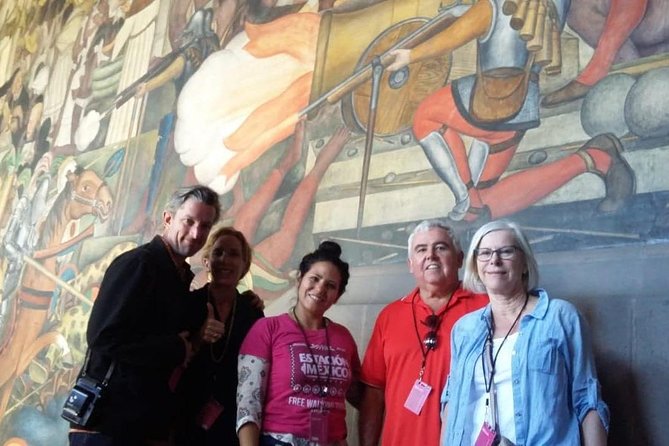
From there, you move to Museo Vivo del Muralismo, another guided stop that helps connect the movement’s origins to what muralists were trying to communicate. The phrase museum alive fits the vibe here: murals aren’t just preserved objects. They’re presented as living cultural memory—social critique mixed with craft and tradition.
This is where you’ll likely start picking up the tour’s real skill: it helps you read visual language. You learn that a mural can carry multiple meanings at once—beauty plus political message, personal story plus national identity. In other words, you’re not just sightseeing; you’re being taught how to look.
If you’re the type who loves the how and why behind art, this part will feel satisfying. Several guides are praised for clear explanations, including Luís for giving information in a way that made learning history and culture through Rivera’s work feel straightforward.
The romance story without the fluff: Rivera and Frida’s connection
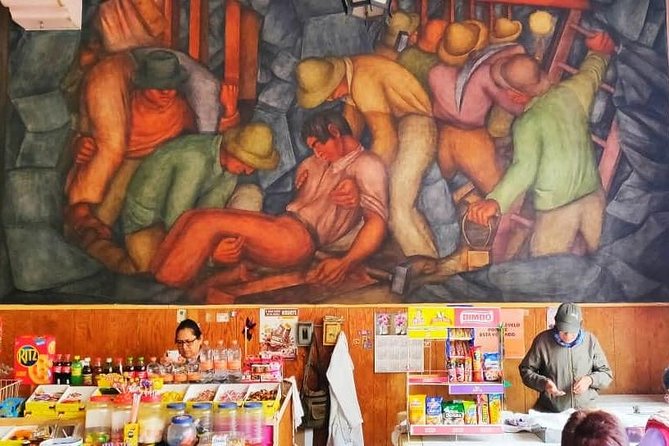
A tour like this has to tackle the Rivera–Kahlo story, and this one does it in a way that helps you understand why their personal lives became artistic fuel. You’ll hear about where the relationship began—described as passionate and turbulent—and how that dynamic shaped Rivera’s work.
This matters because many people see Kahlo and Rivera as two separate icons. The tour steers you toward a more useful idea: they’re intertwined in the mural legacy. Even if you’re not a specialist, you’ll leave with a clearer sense of how artists’ relationships can influence the themes you see on walls—identity, suffering, dignity, symbolism, and national pride.
One review mentioned an an amphitheater where Frida Kahlo was encountered during the story context. Even if you don’t catch every detail, you’ll walk away with a stronger mental map of where art-world moments fit into the bigger cultural narrative.
Diego Rivera Mural Museum: learning the technique behind the message
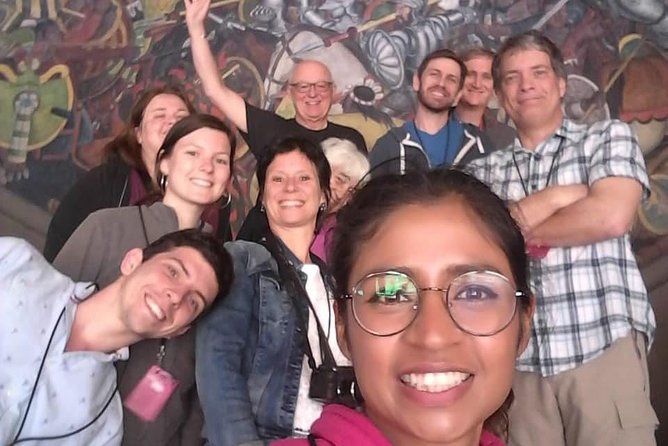
Next comes the Diego Rivera Mural Museum, a guided visit focused on the murals’ world—historical context, techniques, and stories behind the paintings. This stop can feel like the tour’s brain. If earlier stops gave you perspective, this one helps you understand how the murals were built to communicate.
Technique matters here. Even simple decisions—what goes in the frame, how figures are arranged, what symbols repeat—help turn a mural into a message you can read over time. And you’ll also learn how Rivera’s work connects to Mexico’s cultural identity, not just to his own career.
This is also where the symbolism lessons tend to land hardest. A reviewer specifically called out Sam for excellent insight into the symbolism and meaning below the surface of Rivera’s murals. That’s the kind of guide skill that changes your experience: you stop treating the murals like they’re only “impressive,” and start treating them like they’re meaningful.
Practical note: since this is a walking tour with multiple guided indoor segments, it helps to keep water in mind even though you can’t bring food. Comfortable shoes really matter.
La Catrina and Day of the Dead: why an image travels the world
Then you get to La Catrina, the iconic Day of the Dead symbol that the tour connects to Mexican culture and public tradition. The key point isn’t only that La Catrina is famous. It’s that you learn why she’s famous: she’s a figure that plays with humor, memory, and mortality—turned into an image people recognize internationally and still carry at home in Mexico.
This stop is useful because it ties a mural movement to an ongoing cultural practice. You’re seeing how art can reinforce tradition, not just decorate it. The tour also connects La Catrina to modern visibility—mentioned as appearing in films and linked to Mexico City’s famous Day of the Dead parade.
If you’ve ever seen a Dia de los Muertos display and thought it looked “artsy” rather than meaningful, this is the part that clarifies the difference. You’ll understand why people return to these symbols year after year.

Palacio de Bellas Artes: finishing with context, not just a photo
Your day ends at Palacio de Bellas Artes. It’s a fitting finish because the building itself belongs to Mexico City’s idea of high culture—yet this tour has framed murals as equally important public art.
That contrast is the payoff. You’re not just leaving with a handful of impressive murals. You’re leaving with a sense that Mexican art has multiple “lanes” that overlap: museums and public walls, fine art and everyday tradition, personal story and national identity.
If you’re curious about where Rivera’s legacy sits in modern Mexico City, finishing here helps you place the story in the broader cultural landscape you’ll keep encountering after the tour. Think of it as a visual punctuation mark: now you know what you’ve been looking at.
Price and value: what $58 buys you in real learning time
The tour costs $58 per person for about 3 hours. On paper, that seems like a lot until you compare it to what you actually get: multiple guided museum and mural-focused visits, plus walking time between them, plus dedicated interpretation of Rivera, Kahlo, and La Catrina.
This price feels most fair if you know you’ll spend time looking anyway. If you’re the type who would visit at least one major mural site, a paid guide can turn your self-guided hours into actual understanding. The reviews back this up through comments about clear explanations and guides who help you connect art to history.
It’s also a good value for families. One review notes the guide included kids ages 12 and 10, keeping them engaged and helping them learn. That suggests the explanations aren’t locked behind adult-only art jargon.
Heads-up on what isn’t included: meals and drinks. So treat it like a focused art block and plan food before or after. Also, transportation to the starting point isn’t included, so factor that into your morning plan.
Who this tour suits best
This is a strong fit if you:
- Want a first-time primer for Mexico City art and culture
- Care about meaning and symbolism, not just famous names
- Like guided storytelling that connects art to real cultural traditions
- Travel as a couple, solo, or with kids who can handle a few museum stops
It may be less ideal if you:
- Hate walking or want a mostly seated experience
- Need to carry large bags or luggage (you can’t)
- Rely on flash photography (it’s not allowed), or bring food into stops
Practical tips so you enjoy every stop
Here are the small things that make the tour smoother:
- Wear comfortable shoes since it’s a walking route with guided visits at several sites.
- Bring sunscreen, especially if your schedule has sunny segments between indoor stops.
- Travel light: no large bags, and no food.
- If you like to photograph, plan for it: flash photography isn’t allowed, so focus on steady, low-light-friendly shooting.
- Expect the tour to run with live guides in Spanish and English, and you’ll have a better experience if you choose the language you’re most comfortable with.
Should you book La Catrina & Muralism: Diego Rivera’s Legacy & Frida Kahlo?
I’d book it if you want a guided route that teaches you how to read mural art. The strongest reasons are consistent: the guides get praised for connecting Rivera’s murals to symbolism and story, and the tour ties La Catrina to Day of the Dead tradition in a way that makes the imagery feel personal, not just famous.
Skip it only if you’re chasing downtime over interpretation. This tour is about learning and walking between key mural spaces, not about casual sightseeing.
If your goal is to leave Mexico City with more than photos—if you want context you can carry into every mural you see afterward—this one is a smart use of three hours.
FAQ
Where does the tour meet?
The guides meet you in front of the entrance of Colegio de San Ildefonso. Look for them wearing pink shirts with umbrellas.
How long is the tour?
The tour lasts 3 hours.
What languages are available?
The live guide speaks Spanish and English.
What’s included in the experience?
It includes guided visits to the birthplace of muralism, museums and mural-focused spaces tied to Rivera, explanation of Rivera’s artistic vision, discussion of the Rivera–Frida Kahlo relationship, and time exploring La Catrina and the stories behind the murals.
What should I bring?
Bring comfortable shoes and sunscreen.
What is not allowed during the tour?
You can’t bring luggage or large bags, and you also can’t bring food. Flash photography isn’t allowed, and bags are not allowed. Baby carriages aren’t allowed either.
Is the tour wheelchair accessible?
Yes, the tour is wheelchair accessible.
Can I cancel or change plans?
Yes. There’s free cancellation up to 24 hours in advance for a full refund, and you can reserve now & pay later.
If you tell me your travel dates and whether you’re traveling with kids or planning other mural visits, I can help you build the best art-day plan around this tour.