REVIEW · MEXICO CITY
Full Visit of the Virgin of Guadalupe’s village in private tour
Book on Viator →Operated by Epic Journey · Bookable on Viator
Tepeyac feels personal when you go with a guide. This private visit takes you through the Guadalupe complex step by step, from the basilicas tied to the 1531 story to the hilltop chapel with gardens and waterfalls. You’ll get an insider explanation of what you’re looking at, plus the chance to slow down for photos, candles, and even mass.
What I like most is the way the tour turns a huge site into something you can actually follow. I also love that you walk up the Hill of Tepeyac instead of treating it like a quick drive-by. The one catch: expect lots of walking and, on busy days like Sundays, thicker crowds than you’d want to manage without a guide to help you keep your rhythm.
In This Review
- Key things to know before you go
- Meeting by Pope John Paul II: how to start smoothly
- Inside the Basilica complex: tilmas, basilicas, and the 1531 story in plain language
- Up Tepeyac Hill: flowers, waterfalls, and Mexico City views you can feel
- The Offering and Holy Water chapel: the finishing stops that land well
- Private guide value: what you gain from a person, not a script
- Price, timing, and getting there by public bus
- Should you book this Guadalupe village private tour?
- FAQ
- How long is the private tour?
- What does the $30 price cover?
- Is this tour private?
- Do you need lunch during the tour?
- Where do we meet the guide?
- Is the tour offered in English?
- Is admission included?
- Can we attend mass during the visit?
- Is transportation included?
- What is the cancellation policy?
Key things to know before you go
- Meet by the Pope John Paul II statue so you don’t waste time hunting around the complex.
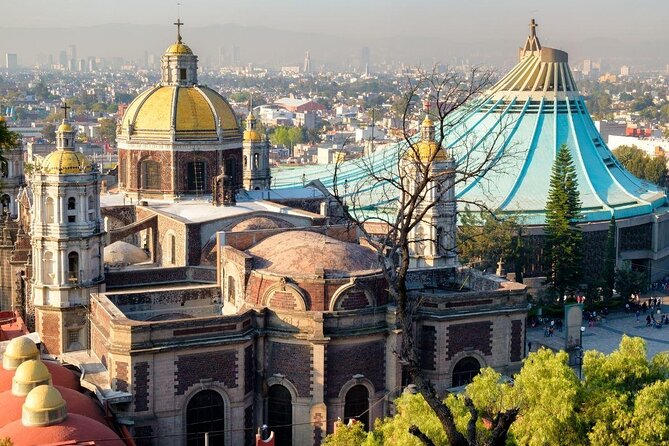
- Full sweep of the complex: new basilica, old basílica, saint area, hilltop chapels, and key monuments.
- Admission is free for this experience, so your money goes to the guide and the route.
- Round-trip by public bus is included, which can save you from guessing taxi logistics.
- Time for mass can be requested, if you’d like a more spiritual, not just sightseeing, visit.
- Comfortable shoes matter; you’ll be climbing and walking through multiple areas.
Meeting by Pope John Paul II: how to start smoothly
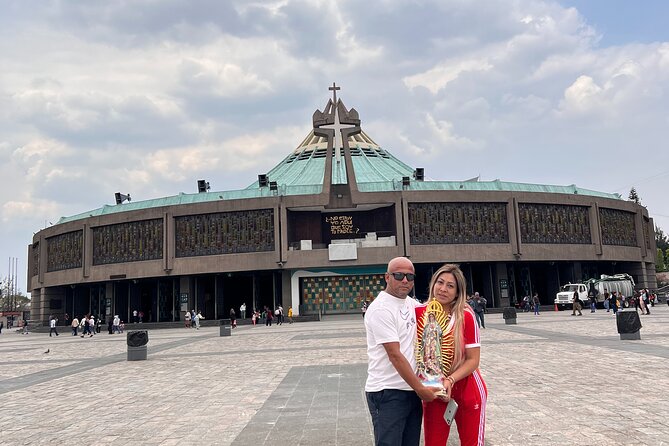
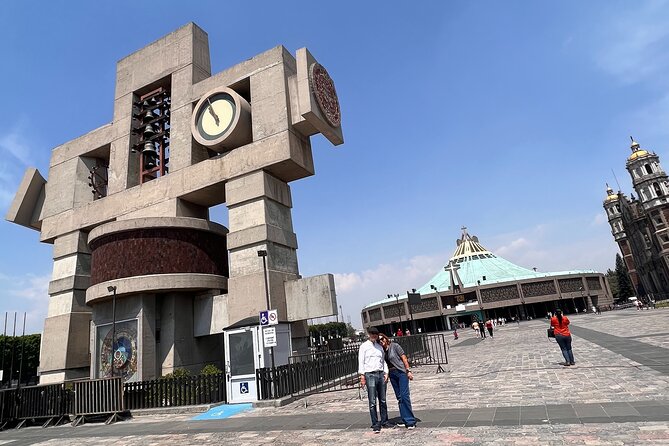
The tour starts at the Monument of Pope John Paul II, at Allende 9, Villa Gustavo A. Madero. It’s a clear landmark, which matters because the shrine area has multiple entrances and side streets, and it’s easy for a rideshare drop-off to land you near the wrong spot.
Here’s my practical advice: plan to arrive a few minutes early and take a quick moment to confirm you’re at the statue area—not just outside the basilica zone in general. A couple of guides in recent tours have had to help guests who were unsure about the meeting point, so doing the small check at the start can prevent a frustrating wait later.
You’ll notice the tour is designed for people who want structure without feeling herded. Since it’s private, you’re not sharing your guide with strangers, and that often means your first 10 minutes set the tone—what to look for, what to skip, and how to pace the climb.
You can also read our reviews of more private tours in Mexico City



Inside the Basilica complex: tilmas, basilicas, and the 1531 story in plain language
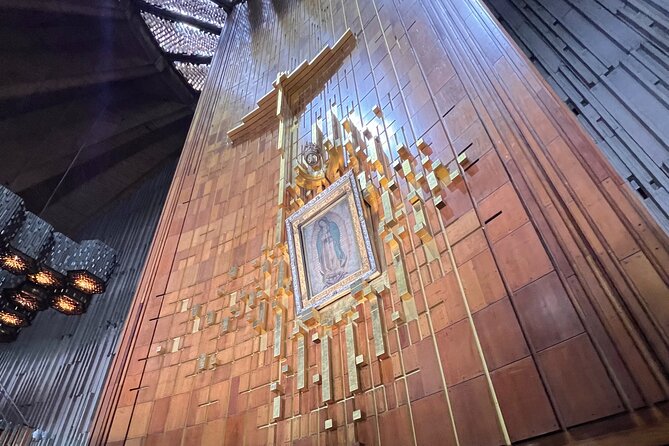
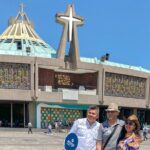
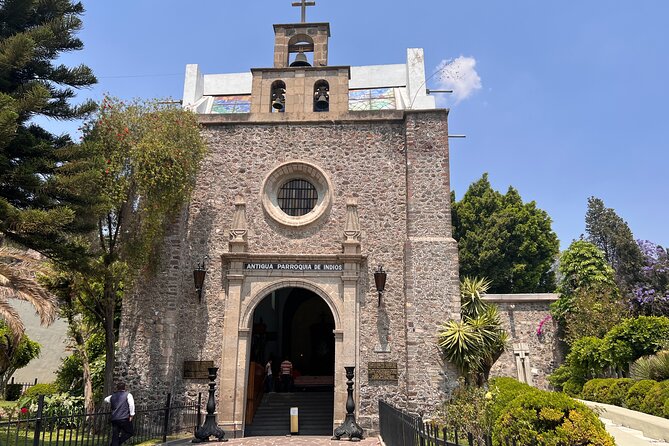
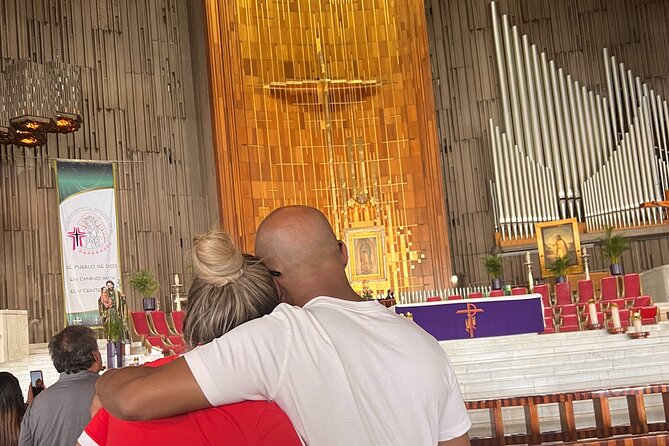
Once you’re at the Basilica de Santa Maria de Guadalupe complex, the tour focuses on what you’re seeing and why it matters. You’ll visit the new basilica, where the original and miraculous tilma from 1531 is preserved, and then you’ll continue to the old and first basilica areas tied to the earliest accounts of the apparition story.
I like how the guide approach keeps the site from feeling like a blur of chapels. Instead of guessing what every statue or plaque is saying, you get a guided thread: Juan Diego’s story in 1531, what the shrine represents, and how the different buildings and chapels connect to specific moments in the tradition.
Guides such as Roberto, Andrea, and Diego have been praised for making the experience feel both informative and heartfelt. In real terms, that usually means you’re not just walking from room to room—you’re hearing what to pay attention to. And since English is available, you can focus on meaning instead of translating everything yourself.
A quick practical detail: you’ll have a chance to buy religious items inside the complex. If that’s on your list, I’d budget a little time near the end of the visit so you don’t feel rushed while you’re deciding.
Up Tepeyac Hill: flowers, waterfalls, and Mexico City views you can feel
After the basilicas, you’ll walk upstairs to the Hill of Tepeyac. This is one of the most memorable parts because it turns the visit from indoor stops into a landscape with movement—small waterfalls, gardens, and that uphill sense of arriving somewhere important.
On top, you’ll visit the chapel of the flowers, tied to the moment when Juan Diego gathered the miraculous flowers in his cloak. The site is structured so you can feel the story as part of the geography. You’re not only learning about the apparition—you’re literally walking the steps toward the viewpoint where the tradition says those flowers were collected.
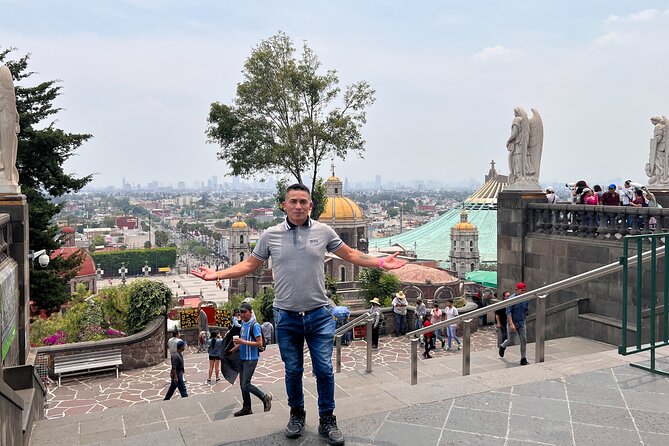
You’ll also get a view of Mexico City from the top. That matters more than it sounds. The shrine is famous worldwide, but the moment you look out across the city, it clicks that you’re in a living neighborhood, not a museum set. It’s one thing to hear the place is special. It’s another to see the skyline framed by the hill.
The guides I’ve seen mentioned here—like Omar and Guillermo—often help you slow down at the key spots. If you care about photos, this is where you’ll do your best work. If you care about reflection, it’s where the pace naturally slows because you’re moving through space that feels designed for both.
The Offering and Holy Water chapel: the finishing stops that land well
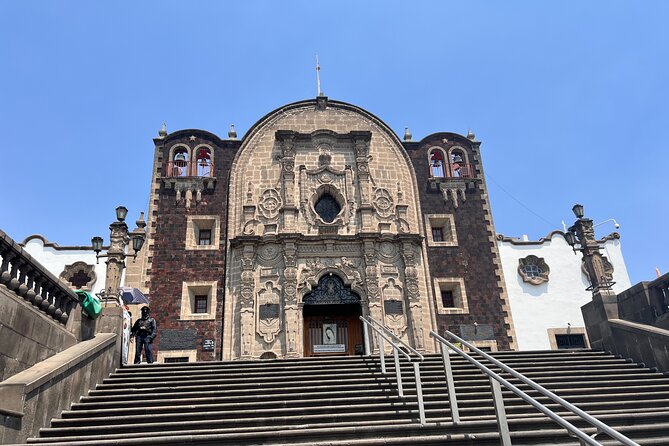
From the hilltop areas, the tour continues to major sculptures and quiet chapels that people can miss if they’re moving too fast. One standout is the monumental sculpture called The Offering, which features two waterfalls. It’s a strong visual pause point—something you can watch while your guide connects it to the broader meaning of the site.
Then you’ll finish with the small chapel dedicated to Holy Water. This last stretch tends to feel different from the big “look at the famous thing” zones. It’s more intimate, more specific, and it’s the kind of stop where you’ll likely notice how other visitors are behaving—some praying, some lighting candles, some simply pausing.
Two practical notes. First, there’s a lot of walking overall—so keep your water bottle handy even though bottled water is included. Second, these areas can be crowded, so patience helps. When the crowds build (especially around Sundays), a good guide can reroute your path and keep you from getting stuck in slow-moving clusters.
If you’re the type who likes to sit for a moment, this ending portion is a good place to do it. You won’t feel like you’re rushing to check boxes, because the space itself encourages a slower rhythm.
Private guide value: what you gain from a person, not a script
A private tour sounds nice on paper, but the real value here is how the guide helps you read the shrine. At a place this meaningful—and this complex—you need someone to explain what you’re looking at, where to focus, and how to connect the dots between buildings, chapels, and story elements.
That’s where the best guides in the reviews really show up. Roberto and Andrea have been praised for being enthusiastic and making the explanations feel easy to follow. Diego has been described as competent and knowledgeable about the whole place, and Axel and Ruben were highlighted for sharing the Virgen Guadalupe and Juan Diego appearance story in a way that actually sticks. Even when guides are not overly long-winded, they tend to cover the key points that English signage may not fully handle for you.
I also like the flexibility some guides bring. Omar, for example, helped one group make a personalized request after the core routing—showing a different way to reach a destination using the Mexico subway. That doesn’t mean every change is guaranteed, but it’s a strong signal that your guide is thinking about your day, not just their calendar.
And yes, you can request time to hear mass. If that matters to you, tell your guide early. You’ll want the rest of the visit paced around that, so you don’t end up sprinting through the last areas trying to catch a service.



Price, timing, and getting there by public bus
The price is $30.00 per person for a private tour of about 2 hours 30 minutes. For many people, that’s the sweet spot: long enough to see the full complex, short enough to stay energetic on foot. Admission ticket is free for the experience, and bottled water is included, which keeps the day from turning into a string of small add-on costs.
The other value point is the included round-trip transfer by public bus. That’s not glamorous, but it can be smart. You avoid the uncertainty of figuring out transport routes in a big city while your guide is already handling the flow inside the shrine area.
Here’s what you should plan for. You’ll do plenty of walking, including an uphill climb. Wear comfy shoes, the kind you can stand in and walk in for a while. One reviewer put it plainly: expect lots of walking, so don’t go in wearing brand-new shoes.
If you’re visiting on a Sunday, assume crowds will be part of the plan. One guide reportedly rearranged the normal routine to handle dense crowds and still hit the key parts—so don’t feel like you’ll miss anything if things get busy. Just go with the flow, and let your guide manage the crowd math.
Lunch is not included, so plan around it. If you want a snack, build in time before you start or after you finish—especially since the tour can be a full experience even without a sit-down meal.
Should you book this Guadalupe village private tour?
If you want your visit to feel organized, meaningful, and easier to understand, I’d book it. At $30, you’re paying mainly for a guide who can connect the story to the places—plus a route that covers the big basilica areas and the hilltop stops without wasting time.
This is also a strong choice if you care about the spiritual side, not only the sightseeing side. The option to request time for mass, plus the quiet chapels like Holy Water, can make the day feel more grounded.
I’d think twice only if you hate crowds or you’re not comfortable with a steady amount of walking. The climb and the complex layout are part of the experience, so you’ll get the most out of it if you can handle that.
If your goal is: see the tilma area, walk up Tepeyac, hit the chapel of the flowers, and understand what everything means without getting lost—this private tour is a practical, high-value way to do it.
FAQ
How long is the private tour?
It’s about 2 hours 30 minutes.
What does the $30 price cover?
The tour includes a private guide experience, bottled water, and round-trip transfer by public bus. Admission ticket is free for the experience.
Is this tour private?
Yes. It’s private, so only your group participates.
Do you need lunch during the tour?
No. Lunch is not included.
Where do we meet the guide?
The meeting point is next to the Monument of Pope John Paul II at Allende 9, Villa Gustavo A. Madero, Gustavo A. Madero, 07050 Ciudad de México, CDMX, Mexico.
Is the tour offered in English?
Yes, it’s offered in English.
Is admission included?
The admission ticket is free for this experience.
Can we attend mass during the visit?
You can request time to hear mass.
Is transportation included?
Yes. Round-trip transfer by public bus is included.
What is the cancellation policy?
Free cancellation is available up to 24 hours in advance for a full refund. If you cancel less than 24 hours before the start time, the amount paid is not refunded.