REVIEW · MEXICO CITY
From Mexico City: Puebla and Cholula Day Tour
Book on GetYourGuide →Operated by MEXITOURS · Bookable on GetYourGuide
Cholula and Puebla in one long day. You get Baroque Indigenist churches plus the world’s largest pyramid, all wrapped into a smooth day plan with a bilingual guide. I like that it hits the top icons fast, yet still gives you guided context before you wander on your own. I also like the Puebla pay-off: the Cathedral in the main square and the Rosario Chapel are the kind of sights that make the whole trip feel worth it.
The main thing to keep in mind is pacing. This is a highlights format with long van rides and short free times, so you won’t have hours for deep exploring, climbing, or slow shopping. If you’re going on a Tuesday, the Cholula stop is panoramic, which can change how active your visit feels.
In This Review
- Key things I’d circle before you go
- From Mexico City to Tonantzintla: baroque-indigenous meets the road
- Santa María Tonantzintla: where the details do the talking
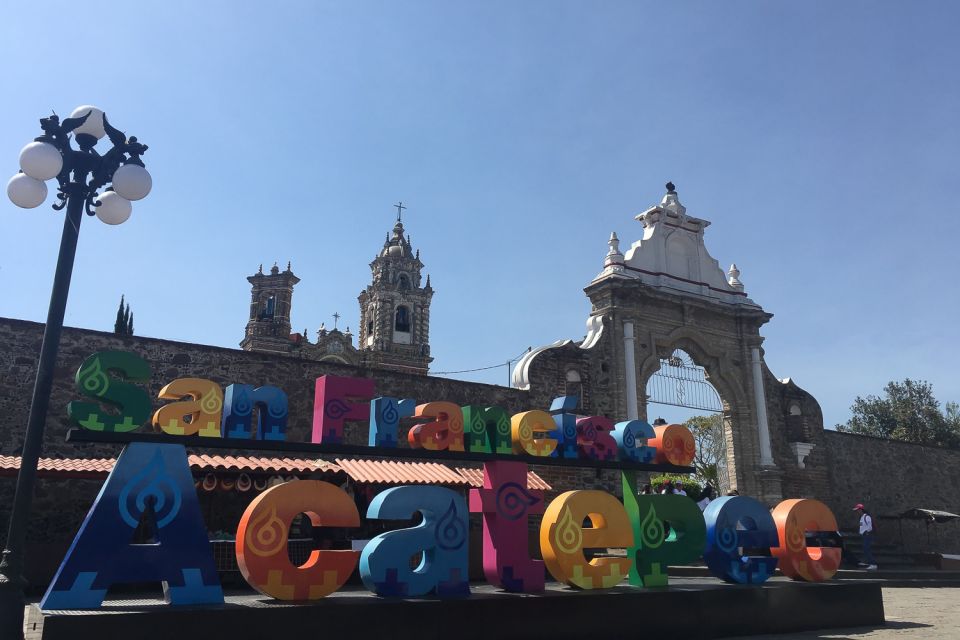
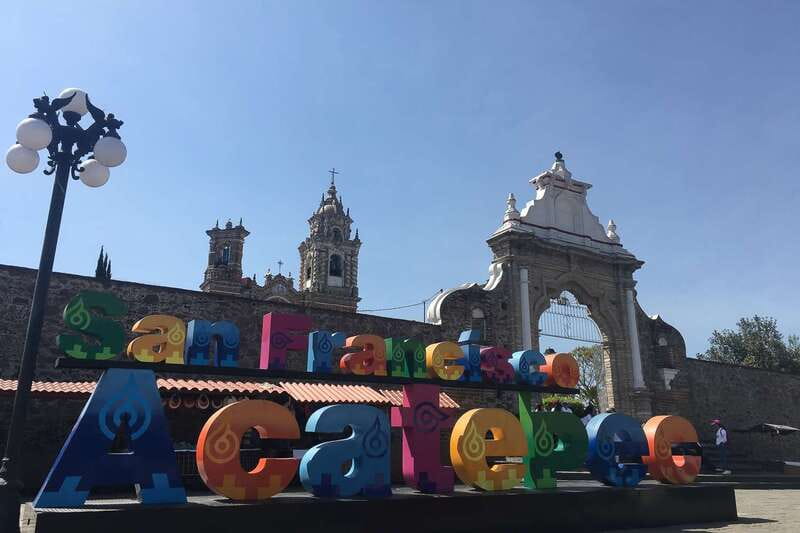
- San Francisco Acatepec: the second church hit that keeps momentum
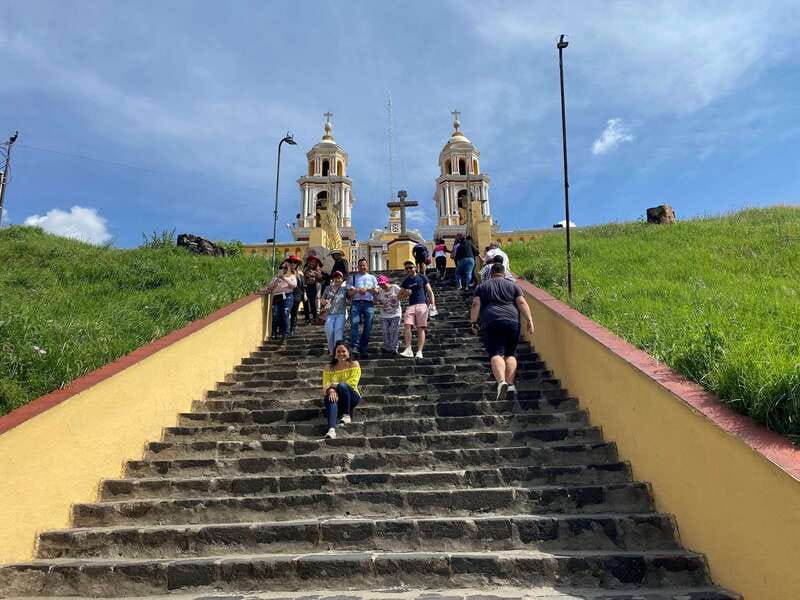
- Cholula’s Great Pyramid and the 365 churches: the main spectacle
- Puebla’s UNESCO core: Cathedral views and the Rosario Chapel effect
- Talavera and onyx craftsmen: the practical shopping piece
- Lunch timing and food reality on a 12-hour day
- Van rides, bilingual guidance, and how to catch every word
- Practical do’s and don’ts: what you’ll feel on your feet
- Price and value at $68: who it’s for
- Should you book this Cholula and Puebla day tour?
- FAQ
- How long is the Cholula and Puebla day tour?
- What’s included in the price?
- Is lunch included automatically?
- What languages is the guide available in?
- Where can I be picked up in Mexico City?
- Is Cholula visited the same way every day?
- What should I bring, and what isn’t allowed?
Key things I’d circle before you go
- Cholula’s Great Pyramid + 365 churches for one of Mexico’s most eye-catching “layered” sacred landscapes
- Santa María Tonantzintla and San Francisco Acatepec where Baroque details meet Indigenous spirit
- Puebla’s UNESCO core with the Cathedral and the Rosario Chapel front and center
- Talavera and onyx craftsmen you can actually see and shop from during the free time
- Bilingual guide on a shared service, so you’ll want to manage expectations about language mix
- Big driving day (12 hours), best if you like structured sightseeing more than lingering
From Mexico City to Tonantzintla: baroque-indigenous meets the road
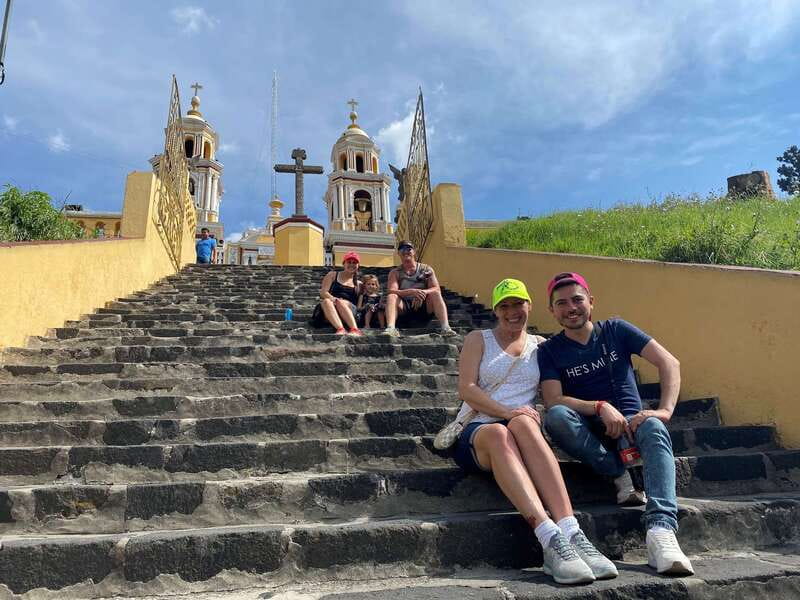
You start with a van ride out of Mexico City that’s long enough for the day to feel like a mini-journey, not a quick hop. Pickup is offered from several convenient options, including Av. de la República 154, Zócalo Central Hotel, InterContinental Presidente Mexico City, and Royal Reforma. Pickup begins about an hour before departure, depending on which meeting point you choose, and return timing can shift with traffic or roadworks.
The first major stop is Santa María Tonantzintla, and this is where the tour’s tone becomes special. These aren’t just old churches with pretty walls. The guided time helps you notice the visual language: ornate Baroque forms mixed with strong Indigenous identity, which makes the building feel like a conversation across time. If you like “look closer” places—where details reward attention—this first church is a great start.
One practical note: the tour walks and stands, and you’ll be moving through busy areas. Wear comfy shoes and keep your plan simple. This day works best when you travel light and focus on the big sights.
You can also read our reviews of more city tours in Mexico City


Santa María Tonantzintla: where the details do the talking
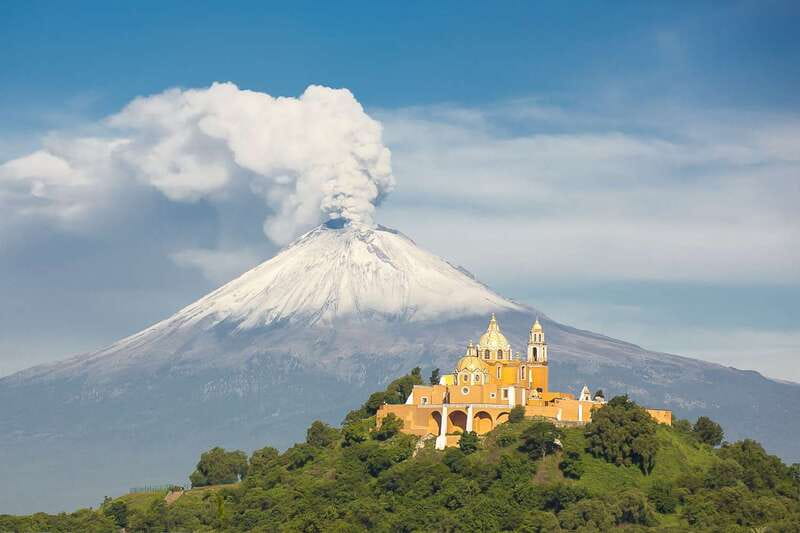
Santa María Tonantzintla is all about surfaces, patterns, and symbolism. With a guided tour, you get the short version of what you’re seeing, instead of just taking photos and guessing. That matters here, because the attraction isn’t one single view—it’s a whole set of visual cues you’re meant to connect.
You’ll get guided context plus sightseeing time, and the flow usually makes it easier to take in what’s in front of you without getting lost in the crowd. If you tend to feel rushed inside churches, aim to slow down at the moments your guide points out—those are the parts that usually make people stop and stare.
Also, this stop sets up what comes next. The Baroque-indigenous feel continues as you head to the second church, so by the time you arrive at San Francisco Acatepec, you’re already reading the visual style more confidently.
San Francisco Acatepec: the second church hit that keeps momentum
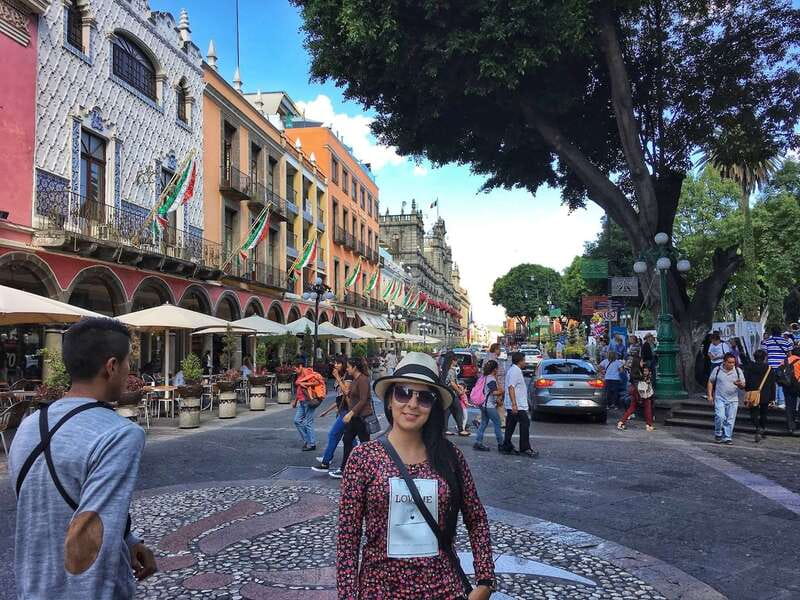
After Santa María Tonantzintla, you head to San Francisco Acatepec for another guided visit. This stop is shorter than Puebla, but it’s long enough to pick up the key ideas and still feel like you saw something distinct rather than repeating the same theme.
What I like about having two church stops back-to-back is rhythm. You’re not waiting until the afternoon to start appreciating the “why” behind the architecture. You also get a comparison: different church spaces can communicate different kinds of faith and local identity, even within the same broader Baroque-indigenous blend.
The tour includes guided time and sightseeing, so you’re not on your own to interpret every carving and ornamental flourish. Still, give yourself a little personal time in addition to the group pace. In places like this, you’ll usually get more out of the visit if you spend 5 minutes just looking quietly, not just checking items off a list.
Cholula’s Great Pyramid and the 365 churches: the main spectacle
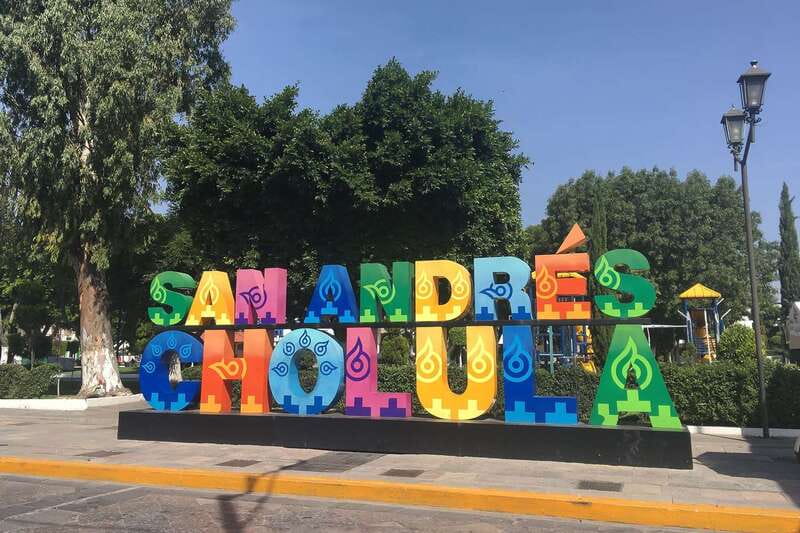
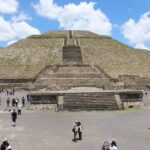
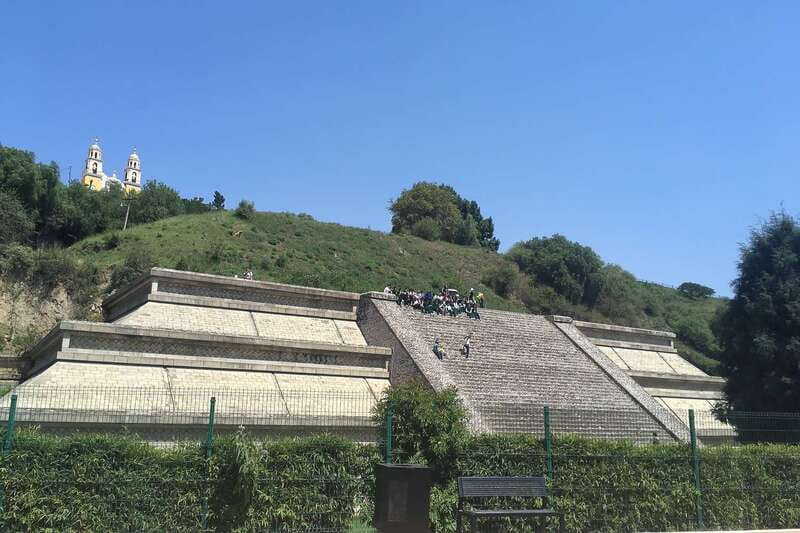
Cholula is the headline. You reach the Cholula Archaeological Zone and get a guided visit plus free time (15 minutes). Even with limited free time, it’s enough to orient yourself, learn what you’re looking at, and enjoy that “how is this real?” feeling when you see how massive the pyramid is.
Cholula’s Great Pyramid is described as the world’s largest pyramid, and the area’s story connects to the famous number 365 churches. That’s not just trivia—it’s a hint that Cholula is built on layered sacred space. In other words, you’re looking at one site that has held many meanings over centuries.
Here’s the key consideration: the visit is timed and fairly short at the site level. One review noted they couldn’t climb the pyramid and had less time than expected for certain viewpoints. So if your dream is an active climb or a long linger up top, plan on the reality of a bus day schedule. You’ll still see the pyramid and important church highlights, but this is not built for slow, athletic exploration.
And if your day is Tuesday, expect a panoramic visit to Cholula. That’s official, and it changes the character of the stop, so it’s worth knowing up front.
Puebla’s UNESCO core: Cathedral views and the Rosario Chapel effect
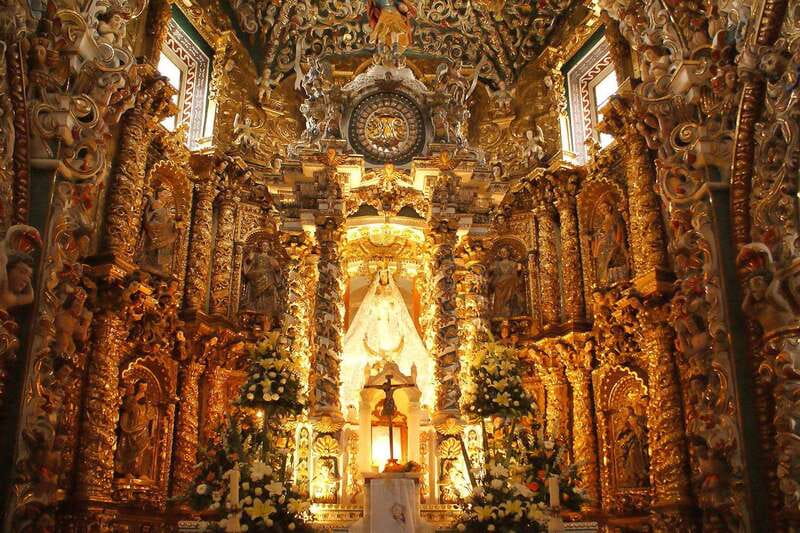
Next comes Puebla, a UNESCO World Heritage City, and the tour shifts from “church details and ruins” to “grand colonial streets and major icons.” You get a photo stop and then guided time that focuses on the core sights in Puebla’s central area.
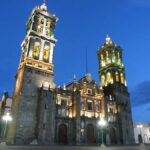
The big anchors are the Cathedral in the main square and the Rosario Chapel, often described as the eighth wonder of the art world. This is the part of the day that tends to feel like a payoff. The Cathedral gives you the main civic-religious framing, while the Rosario Chapel is where your eyes start working harder—ornamentation, craft, and design. If you’re the type who enjoys religious art as a style of storytelling, Puebla’s centerpiece stops are a strong match for you.
Timing matters here. The afternoon schedule includes walking and shopping time, but it’s still a day-trip pace. If you want to do extra browsing beyond the main sights, you may feel the clock ticking. I’d think of Puebla here as a “see the stars” day, not a “wander every side street for hours” day.
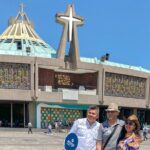


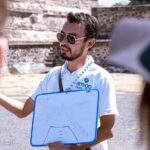

Talavera and onyx craftsmen: the practical shopping piece
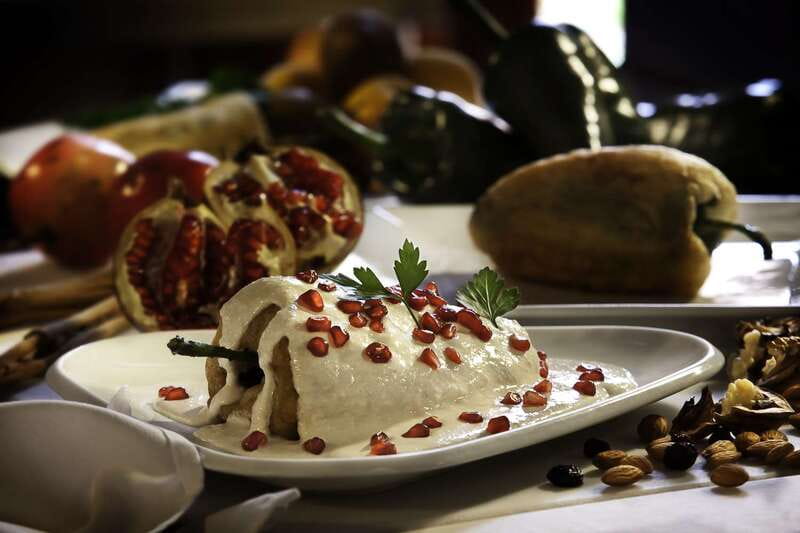
One of the tour highlights is that you’ll admire the work of talavera and onyx craftsmen. That’s a big reason this day trip feels more grounded than a straight museum run. You get a chance to connect the art you’re seeing to the local materials and skills Puebla is known for.
This part of the day is tied to the time you have for shopping and walking while you’re in central Puebla. Some people like this format because it avoids factory-tour vibes and keeps the emphasis on products you can actually buy if you want—ceramics and carved stone are easy souvenirs to understand at street level.
Still, keep your expectations realistic: craft shopping takes time, and this tour doesn’t give you all day in Puebla. If you’re the type who enjoys comparing pieces for quality (glaze, finish, pattern), you might wish you had more room to browse.
My advice: pick one or two craft goals—say talavera for gifts and onyx for something personal—so you don’t burn your limited time wandering without a plan.
Lunch timing and food reality on a 12-hour day
Lunch is included only if you choose the option that adds it, and beverages are not included. Based on what’s been shared about the food, the lunch experience is often a buffet-style stop with Mexican dishes plus pasta. One standout description mentioned a meal at a place called Hotel Colonial, which apparently made the food the highlight for that day.
If you’re food-motivated, don’t treat lunch like a minor break. In a long day that runs about 12 hours, lunch can make or break your energy for the afternoon walking. Also, since beverages aren’t included, budget for water or drinks separately.
If you’re the kind of eater who gets shaky when you miss meals, plan for the fact that this schedule can put lunch later in the day than you expect. Bring the right mindset: you’re not getting a lazy midday lunch in a restaurant courtyard. You’re getting a solid, filling stop so you can keep sightseeing.
Van rides, bilingual guidance, and how to catch every word
This is a shared service with a bilingual guide in English and Spanish. The guide can switch smoothly between languages, but it’s still a shared format, meaning your experience may depend on how many people are in each language group.
If you really care about understanding everything the guide says, sit where you can hear clearly. One review specifically suggested sitting near the front if you want to catch every word on the way to Puebla. That’s practical advice on any day tour, especially on long van segments when the guide is likely talking through travel time.
The tour tends to do well on organization and driving, and reviews often mention drivers who take safety seriously—especially in weather changes like rain. That matters when you’re spending half a day on the road and walking in public areas.
Bottom line: bring patience for the shared-van vibe. If you accept that this isn’t a private tour, you’ll likely enjoy how the guide keeps the story moving.
Practical do’s and don’ts: what you’ll feel on your feet
This day tour involves walking and standing, and it’s not suitable if you have back problems or mobility impairments. That’s not about the sites being unreachable—it’s about the total load of church steps, crowds, uneven areas, and the rhythm of group movement.
What to bring:
- Passport (or passport/ID card, as allowed by the tour info)
What not to bring:
- Baby strollers
- Luggage or large bags
Also, the tour mentions you should watch pictures for the list of pickup locations, because meeting points vary by option. And because your return time can shift due to traffic or roadworks, keep your evening plan flexible.
My simple packing advice: keep what you need in a small day bag, wear closed shoes, and bring sun protection. Even if you’re mostly inside churches, you’ll still be in daylight during stops and photos.
Price and value at $68: who it’s for
At $68 per person for a 12-hour day trip, the value depends on what you want out of the day. This price includes a bilingual guide and round-trip transfers from select locations, plus guided visits at key stops. Lunch is included only if you picked the option that includes it.
That setup is strong if you want the best-known highlights—Tonantzintla, Acatepec, Cholula, and central Puebla—without coordinating vans, tickets, and timing yourself. It’s also a good fit if you enjoy structured explanations, because the guide’s role is built into the schedule.
Where the value gets weaker is if you want depth. Some accounts describe the day as somewhat “superficial,” mainly because time is tight and free time at sites can be short. You won’t have the kind of flexibility you’d get on a private tour or if you’re traveling slow.
So ask yourself: do you want the major sights in one day, with a guide and transportation handled? Or do you want long lingering and optional climbs? This tour leans hard toward the first option.
Should you book this Cholula and Puebla day tour?
I’d book this if your goal is a high-impact day: Baroque-indigenous churches, the spectacle of Cholula’s Great Pyramid, and Puebla’s Cathedral + Rosario Chapel, all with a bilingual guide and convenient transfers.
I would hesitate if you’re hoping for lots of free time, extra climbing time at Cholula, or extended shopping in Puebla. The schedule is busy, and some people feel the pull of the clock.
If you do book, come ready for a guided highlights day. Sit where you can hear, wear comfortable shoes, and pick a couple of craft goals for talavera and onyx so you don’t lose time wandering.
FAQ
How long is the Cholula and Puebla day tour?
The tour lasts about 12 hours.
What’s included in the price?
You get a bilingual guide, round-trip transfers from select pickup locations, and lunch only if you choose the lunch option.
Is lunch included automatically?
Not always. Lunch is included only if you select the option that includes it. Beverages are not included.
What languages is the guide available in?
The guide is available in English and Spanish.
Where can I be picked up in Mexico City?
Pickup is offered from several locations, including Av. de la República 154, Zócalo Central Hotel, InterContinental Presidente Mexico City, and Royal Reforma.
Is Cholula visited the same way every day?
On Tuesdays, the Cholula visit is panoramic until further notice.
What should I bring, and what isn’t allowed?
Bring a passport (or passport/ID card, depending on what’s allowed). Baby strollers and luggage or large bags aren’t allowed.