REVIEW · MEXICO CITY
Exclusive tour to Templo Mayor in CDMX
Book on Viator →Operated by Chill N' Go · Bookable on Viator
Templo Mayor hits you fast. This exclusive CDMX tour pairs skip-the-line access with an English-speaking guide who helps you read the Mexica world. I especially like the museum + archaeological zone combo, because the story doesn’t stop at stones—it moves into the artifacts and meanings behind them. One possible drawback: it’s about 2 hours, so if you want to linger on every detail, plan time for extra wandering after.
You’ll also get practical support beyond the human guide: a digital guide on your phone and a simple entry process that includes a COVID sanitization checkpoint. Guides I saw mentioned by name—like Maite, Cinthya, Violeta, Tiara, Isaac, Ivan, Rodrigo, Leonor, Omar, Yann, and Tiare—come up again and again for explaining clearly, answering questions, and keeping the pace comfortable. If you’re sensitive to standing and walking, just know the site has uneven areas and you’ll want comfortable shoes and a moderate stamina level.
In This Review
- Inside Templo Mayor: where Mexica power becomes visible
- Museo del Templo Mayor: artifacts that cover before, during, and after
- Skip-the-line entry, then the COVID sanitization checkpoint
- The 2-hour structure: what you can expect (and what you can’t)
- What the guides do that actually improves the visit
- English support + digital guide: your backup when attention drifts
- Price and value: $65.72 for two hours of guided access
- Who this tour fits best in Mexico City
- Should you book this Templo Mayor tour?
- FAQ
- Is the tour offered in English?
- How long is the experience at Templo Mayor?
- What does the tour include?
- Do I need to buy tickets separately?
- What should I know about tickets and entry?
- Are there optional extras during the visit?
- Is the site suitable if I have limited mobility?
- What’s the cancellation like if plans change?
Inside Templo Mayor: where Mexica power becomes visible
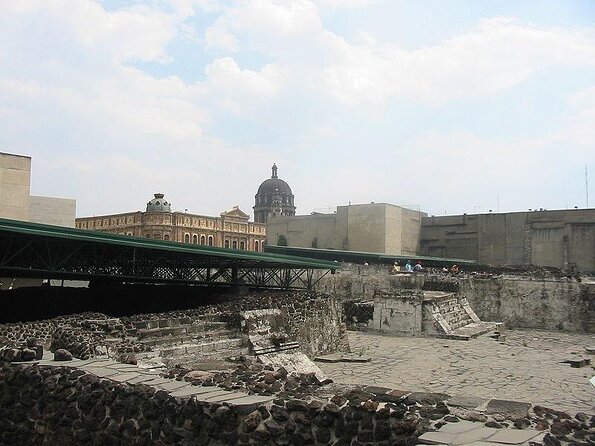
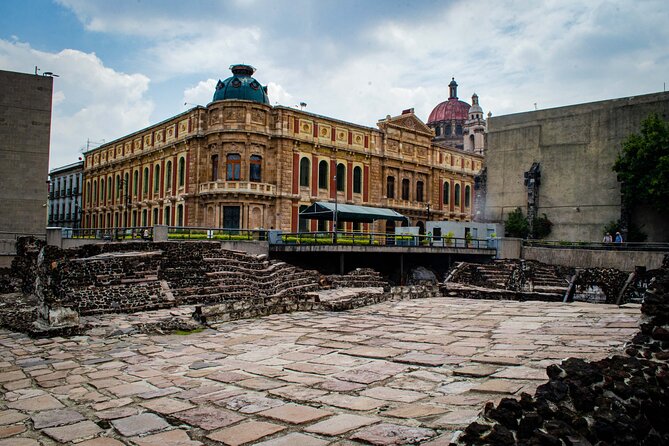
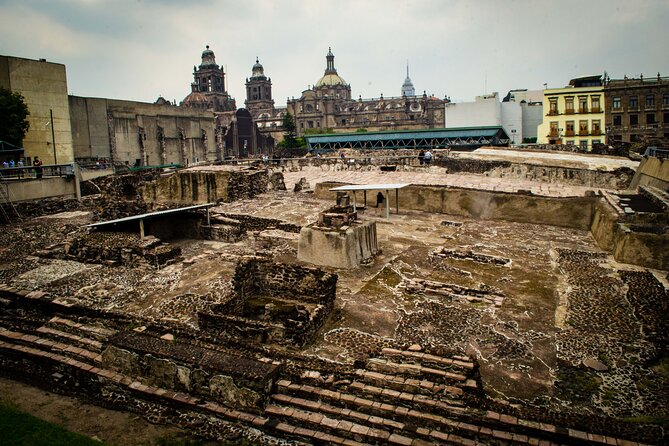
This tour’s heart is the archaeological zone inside Museo del Templo Mayor. You’re not just looking at ruins—you’re learning how this ceremonial center fit into Mexica life in Tenochtitlan, the capital that grew into one of the most powerful cities in the region.
The key idea I like here is context. The Mexica didn’t build a temple complex just for show. Templo Mayor was the focus of public ritual, tied to beliefs about the cosmos, authority, and the seasons. When you stand where parts of the temple once rose, the stones stop feeling abstract. With an in-person guide, you start connecting why certain structures were placed where they were, and how the site’s layout supported ceremonies.
And there’s a payoff that’s hard to replicate on your own: your guide can point out the differences in what you’re seeing. In a museum setting, it’s easy to get lost in scale. At Templo Mayor, scale matters. It explains how monumental projects communicated power—then, later, how the Spanish colonial period changed what people could preserve, reuse, and interpret.
A tip that helps: if you ask questions as you go, you’ll get more out of the “ruins part” than you might expect. Several guides highlighted this kind of back-and-forth style—short questions, quick answers, and the chance to redirect the tour if your interests lean toward religion, everyday life, or conflict.
Museo del Templo Mayor: artifacts that cover before, during, and after
Right at the site, the museum portion does something really useful: it connects Tenochtitlan before the conquest, the period of disruption, and what happened afterward. That arc matters, because it prevents a common mistake: treating Aztec history like a museum display sealed in time.
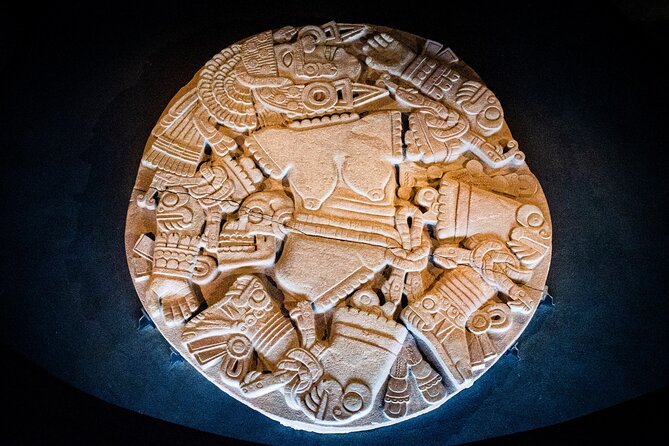
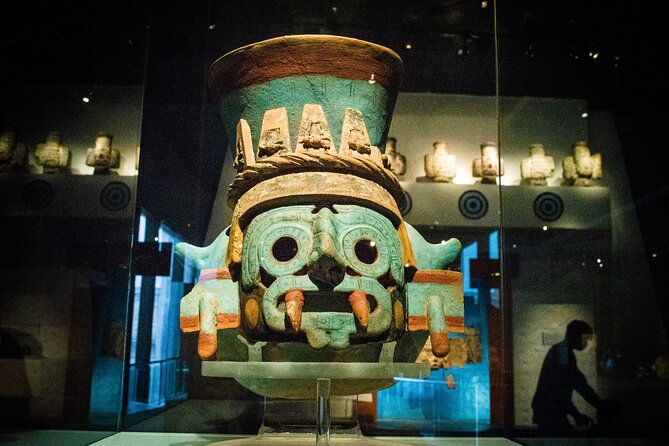
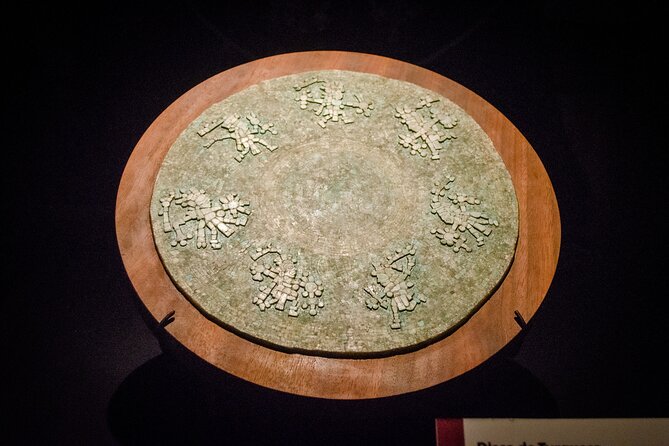
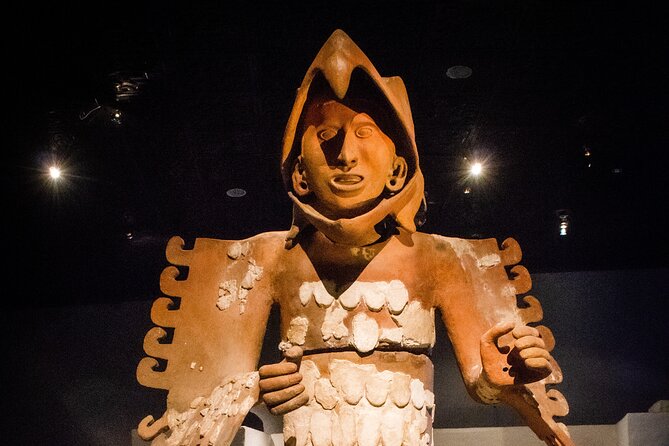
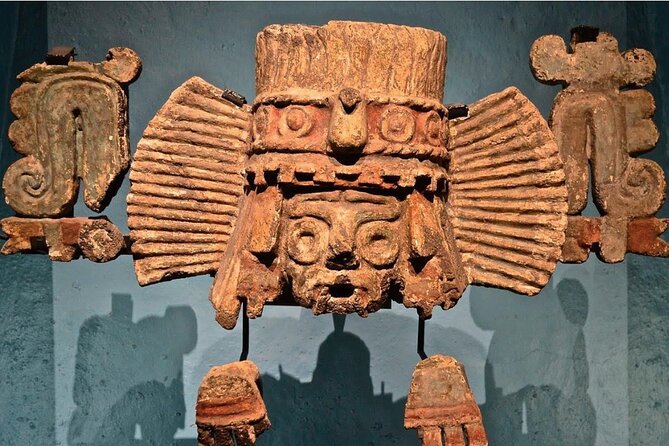
You’ll see archaeological pieces tied to the Mexica world and the temple complex itself. The museum also highlights cultural and historical aspects of the era—customs, traditions, and even the role of war. This is one of those museum environments where a guide makes a difference. Without help, you might read labels and still wonder how the objects connect to what you just saw outside.
With a guide, the objects start behaving like evidence. A carved element isn’t only decoration—it points you toward the belief system, the political message, or the ritual practice that produced it. And because the museum includes material from multiple periods, you can track change instead of freezing time at one moment.
One detail I’d pay attention to as you move through: pacing. In this tour format, you don’t race. Guides mentioned by name—like Maite, Cinthya, Violeta, Tiara, and Isaac—keep people moving at a comfortable speed, with time to ask questions and to look closely. That’s especially valuable in a museum that can feel huge once you start walking.
You can also read our reviews of more tours and experiences in Mexico City.


Skip-the-line entry, then the COVID sanitization checkpoint
Timing is part of the experience here, not just logistics. You get skip-the-line entry, plus you pass through a COVID sanitization checkpoint before you begin. That means less waiting around while other people filter in, and more time spent inside with your guide.
Plan for a short pre-start moment where you’re checking in and getting oriented. Once you’re in, the tour flows through the archaeological area and the museum space as one story. For many visitors, the smooth start is the difference between enjoying the site and feeling mentally behind.
If you need a place for ticket pickup, there’s an option at iQuit Bakery (Tabasco 97b, Roma Nte). You can also choose home delivery (with delivery made between 7 days and 1 day before your visit) to hotels, hostels, accommodations, and private addresses. If you like to reduce stress while traveling, using mobile tickets and digital support can be a real time saver once you’re in Mexico City.
Finally, note that the tour is offered in English and uses an in-person guide. So even if your Spanish is basic, you can still follow the story without feeling like you’re guessing.
The 2-hour structure: what you can expect (and what you can’t)
This is about 2 hours total, and it focuses on one main stop: Museo del Templo Mayor, including both the archaeological zone and the museum. There’s no tour of the Zócalo or surrounding areas included in the core experience.
That focus is good news if you care about getting depth at one place. It also means your guide will likely do the hard work of prioritizing the main highlights so you don’t end up wandering randomly.
Still, here’s the honest trade-off: 2 hours can feel short when you’re seeing a site packed with carvings, layers, and objects that each have their own story. Some guides were praised for hitting the high points well, but visitors also noted the temptation to stay longer after the tour to see details not covered in the allotted time.
My practical advice:
- Go in ready to look closely, not just to take photos.
- Ask one or two questions early, so you get a clearer mental framework for the rest.
- If you’re the type who likes to read every label and sit with what you find, budget extra time afterward.
Physical note: the experience calls for moderate physical fitness. Even if you’re not doing anything extreme, you’ll likely stand for periods and walk through museum and outdoor areas.
What the guides do that actually improves the visit
The “best guide” problem is real in travel. Many tours offer facts. Fewer help you understand what facts mean in context.
Here, the repeated strengths are clear:
- Guides explain complicated ideas in plain terms, with a friendly tone.
- They answer questions patiently, even when visitors don’t speak Spanish.
- They adjust pacing so you can keep up without feeling rushed.
- Many guides are described as interactive—asking questions and inviting your thoughts rather than lecturing nonstop.
I also noticed a theme in the way some guides handle safety and comfort. For example, one guide was praised for waiting until a rideshare arrived to help ensure a smooth, safe departure. Another was praised for being respectful and helpful with a wheelchair user. Those are small things, but they shape the overall experience—especially if you value a calmer pace and better care at transition points.
Because this tour includes an in-person guide plus an admission ticket, you’re not stuck doing the “read the label, guess the meaning” loop. You’re guided through the site with someone able to connect the dots.
English support + digital guide: your backup when attention drifts
You’ll have more than one way to absorb the story. The tour includes a digital guide to support what you’re seeing, which helps when your brain gets overloaded in a busy museum environment.
I like this kind of setup because it gives you control:
- If you want more detail, you can follow what the digital guide offers.
- If you want a quick overview first, you can listen to your guide’s talk and then use the digital guide to reinforce key points.
- If your attention drifts while you look at an object closely, the digital support can help you re-sync without feeling lost.
For many visitors, that means fewer frustration moments. And since the tour is in English, you can spend your energy looking at the site, not translating in your head.


Price and value: $65.72 for two hours of guided access
At $65.72 per person for about 2 hours, this tour prices itself like a “high-impact specialty visit,” not a casual city stroll. The value comes from what’s included:
- Access to the archaeological zone and Museo del Templo Mayor
- An in-person guide
- Admission ticket included
- All fees and taxes
When a museum visit includes only entrance, you typically do it on your own—and then your experience depends heavily on your interest in reading labels. Here, you’re paying for interpretation plus on-site guidance. That tends to be worth it at Templo Mayor, where context changes how the ruins and objects land.
What’s not included is simple: tips. Optional extras exist too—souvenirs like alebrijes or mezcal bottle, optional photo shooting during your visit, and optional transportation service. If you like to keep costs tight, you can ignore those without affecting the core experience.
Booking timing: the tour is commonly booked around 23 days in advance on average. If you’re traveling during a peak period and you have a specific day in mind, I’d lock it in earlier rather than waiting for last-minute availability.
Who this tour fits best in Mexico City
This is a strong pick if you want one focused cultural experience instead of spreading your time across multiple neighborhoods. You’ll get a concentrated visit to one of CDMX’s most important historical sites, with a guide who helps you understand what you’re seeing.
You’ll likely enjoy it if:
- You’re interested in the Mexica and the story of Tenochtitlan.
- You learn well with conversation and Q&A, not just signage.
- You want to feel oriented fast and avoid wandering in circles.
- You’d rather spend your limited time on depth at Templo Mayor than on a wider city loop.
You might want to adjust your expectations if:
- You want a full day at the museum and grounds. This is 2 hours, not a half-day linger fest.
- You expect to roll into other stops like the Zócalo as part of this package. The core tour stays at Templo Mayor and its museum.
For solo travelers, couples, and even families, this style can work well because the focus is clear. Several guides were praised for being patient and for tailoring pacing—useful when you don’t want to feel like you’re stuck in a rigid group schedule.
Should you book this Templo Mayor tour?
I’d book it if you care about understanding what you see at Templo Mayor. The combination of skip-the-line entry, admission to both the ruins and the museum, and an English-speaking guide gives you better context than a do-it-yourself visit.
Skip booking only if your plan is to spend hours reading every label and you’re totally comfortable working through the site without interpretation. Also, if your schedule is fragile, keep an eye on weather—this experience requires good weather, and in bad conditions you may be offered a different date or a refund.
FAQ
Is the tour offered in English?
Yes. The tour is offered in English, and it includes a presential guide.
How long is the experience at Templo Mayor?
It’s about 2 hours.
What does the tour include?
You get access to the archaeological zone and the Museo del Templo Mayor, along with a presential guide. Admission tickets are included.
Do I need to buy tickets separately?
No. The admission ticket is included in the tour price.
What should I know about tickets and entry?
You’ll have a mobile ticket, and you’ll also pass a COVID sanitization checkpoint as part of entry. Skip-the-line access is included.
Are there optional extras during the visit?
Yes. Souvenirs (like alebrijes or a mezcal bottle), photo shooting, and transportation service are optional.
Is the site suitable if I have limited mobility?
The tour asks for moderate physical fitness. Service animals are allowed. If mobility is a concern, it’s smart to choose comfortable shoes and plan for some walking and standing.
What’s the cancellation like if plans change?
You can cancel for a full refund if you cancel at least 24 hours before the experience start time. The experience can also be canceled due to poor weather, with a different date offered or a full refund.