REVIEW · MEXICO CITY
Eat in a local house & access to restricted areas in Teotihuacan
Book on Viator →Operated by dePataLarga · Bookable on Viator
Teotihuacan feels bigger when you get inside it. This small-group tour pairs a guided visit to the pyramids, including a restricted INAH-monitored mural art temple, with a genuinely local meal at Erica’s home, where you’ll eat blends of pre-Hispanic and colonial ingredients. I especially like the small group size (max 12) and the way the guide connects what you see in the ancient city to how people live today nearby. The one drawback to consider is simple: it starts early and the day is tightly paced, so you’ll want comfortable shoes and patience for transit.
You’ll meet at one of two coffee spots in Mexico City—Almanegra café in Roma Norte (8:00 am) or 1401 café in Col Juárez (8:30 am)—then ride out in an air-conditioned vehicle. After about an hour at Teotihuacan (plus the restricted-area access), you’ll have a short drive to the home-cooked lunch and then return to Mexico City about an hour later.
With a price of $90 per person for roughly 6 hours, the value comes from the combination: guided archaeological access + coffee + a full local-style lunch (with options for vegetarians, vegans, and celiac needs).
In This Review
- Key things I’d plan around
- Two coffee pickups, then straight to Teotihuacan
- Comfort on the ride, and a guide who ties past to present
- The pyramids visit, with four construction stages to keep you oriented
- The restricted area: a mural art temple tied to INAH research
- Lunch at Erica’s home: mole, huitlacoche, nopal, and pre-Hispanic dessert
- What the meal choices mean for you (and when to adjust expectations)
- Time on the site: short, focused, and not built for wandering
- Why $90 feels fair for what you get
- Who should book this Teotihuacan experience
- Should you book this Teotihuacan experience?
- FAQ
- Where do I meet the group?
- How long is the tour?
- Do I need to print anything?
- Is the tour in English?
- What’s included besides the Teotihuacan visit?
- Do I get access to restricted areas at Teotihuacan?
- What kinds of food are served in the home meal?
- Is the lunch suitable for vegetarians, vegans, or celiac disease?
- How big is the group?
- What’s the cancellation policy?
Key things I’d plan around
- Restricted-area access at a mural art temple under INAH investigation, with an art-study angle you won’t get on the standard circuit
- Four construction stages explained from 100 B.C. to 650 A.D., so the city stops feeling like one flat stop
- Specialty coffee included at the start, with two different morning meeting points to fit your neighborhood
- Erica’s home cooking: mole, quesadillas (including huitlacoche and nopal), and a pre-Hispanic-style dessert
- Small-group pace (max 12) that keeps the day from feeling like a conveyor belt
Two coffee pickups, then straight to Teotihuacan
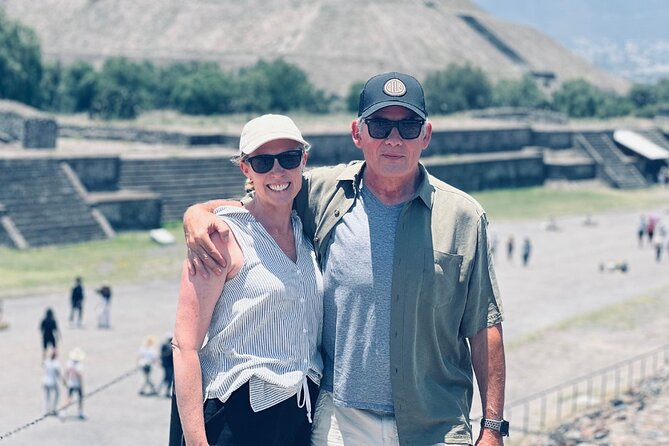
I like the way this tour gives you options right away. You can start at Almanegra café in Roma Norte at 8:00 am or at 1401 café in Col Juárez at 8:30 am, and you get specialty brewed coffee as part of the morning. It’s a small thing, but it helps you get your bearings fast—especially if you’re meeting a group in a city where everyone else also seems to be in a hurry.
From there, you’re picked up for the drive in an air-conditioned vehicle. That matters because Teotihuacan is where the sun can do what it wants, and air-con on the ride out makes the morning feel easier. The tour is also in English and capped at 12 travelers, which generally means you spend less time waiting and more time listening.
The overall timing is about 6 hours total. That’s long enough to cover the main pyramids, the special restricted area, and the home meal—without turning into one of those days where you feel like you’re moving from one seat to another.
You can also read our reviews of more tours and experiences in Mexico City



Comfort on the ride, and a guide who ties past to present
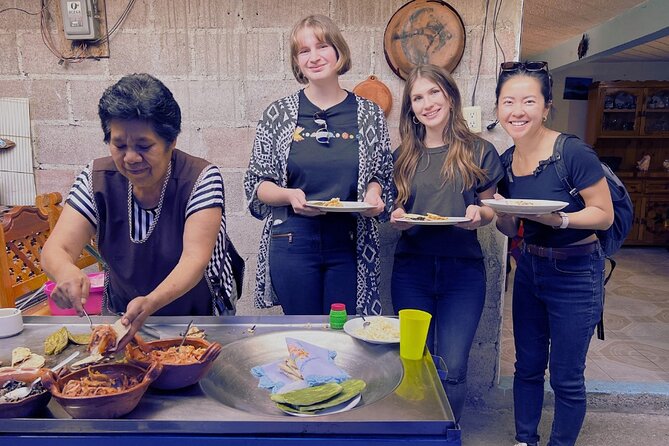
The structure here is simple: coffee, then travel, then Teotihuacan, then lunch, then back. But the guide uses that travel time and the Teotihuacan time to connect the dots. On the way there, you’ll pick up insights about social dynamics across districts such as Indios Verdes and Ecatepec.
It’s not random modern trivia. The idea is to show how today’s city connects to the outskirts and how people navigate distance and access. You’ll also hear about government initiatives aimed at improving connectivity, including the hanging cable cars concept. Even if you don’t end up riding one yourself, it changes the way you look at the route and the neighborhoods you pass.
For me, this is part of the charm: Teotihuacan isn’t presented as something sealed off from real life. You learn where the city you’re standing in now comes from, and you see how infrastructure questions are still shaping everyday movement.
The pyramids visit, with four construction stages to keep you oriented
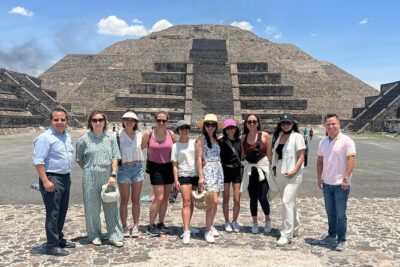
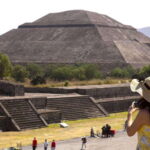
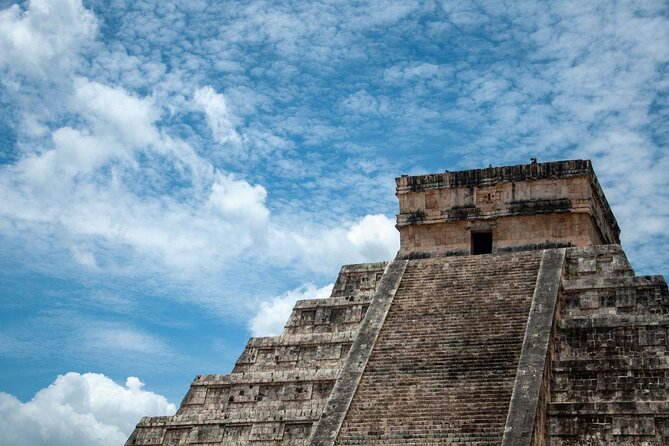
Once you arrive, the guide leads you through the city’s construction story in four stages, spanning roughly 100 B.C. to 650 A.D. This is one of the best ways to visit an archaeological site without feeling lost.
Instead of seeing Teotihuacan like a collection of big shapes, you learn how the city developed over time and why it mattered culturally and commercially. That time framing also helps you understand why certain areas are discussed the way they are—because they belong to different eras, not just different photo angles.
You’ll also have guide-led context around what you’re looking at, including explanations of the city’s major significance. If you’ve visited ruins before and felt like you were only reading placards, this style usually lands better. It gives you a storyline, and your brain stops “floating” between monuments.
One practical note: the Teotihuacan portion is about an hour. That’s not a long sit-and-stare visit. Come ready to walk, look up, and keep your attention. If you want a slow, sketchbook-style pace, you might find this schedule a bit brisk.
The restricted area: a mural art temple tied to INAH research
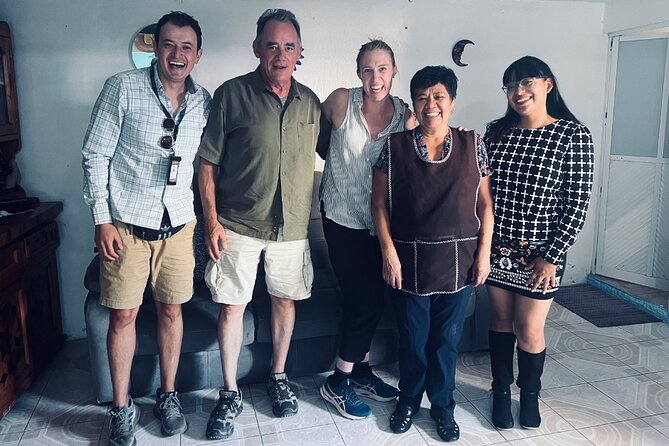
Here’s the headline feature: you get exclusive access to a site described as the temple of the ancient masters of mural art. The area is under investigation by INAH, and it’s presented as something that was once an art study and exploration space.
What makes this more interesting than the usual pyramid-only tour is the angle. You’re not just looking at structures; you’re looking at how artists worked and how mural knowledge was developed. The tour also references techniques used there, including cochineal painting methods. That single detail helps you picture materials and craft—not just architecture.
Restricted access like this matters because it often means the visit is quieter and more intentional. Instead of chasing the biggest viewpoint, you get a chance to understand a specific function within Teotihuacan. It’s the difference between visiting a city and visiting a workshop inside a city.
Also, because the area is under INAH investigation, the guide’s explanations help you remember that archaeology is an ongoing process. You’re seeing something that’s still being studied, not a finished museum story locked behind glass.
Lunch at Erica’s home: mole, huitlacoche, nopal, and pre-Hispanic dessert
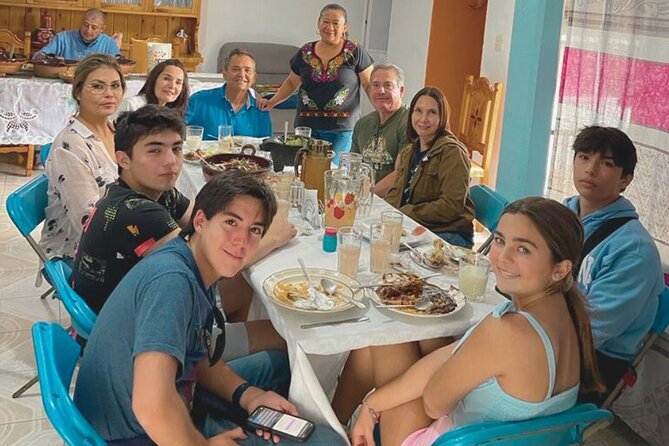
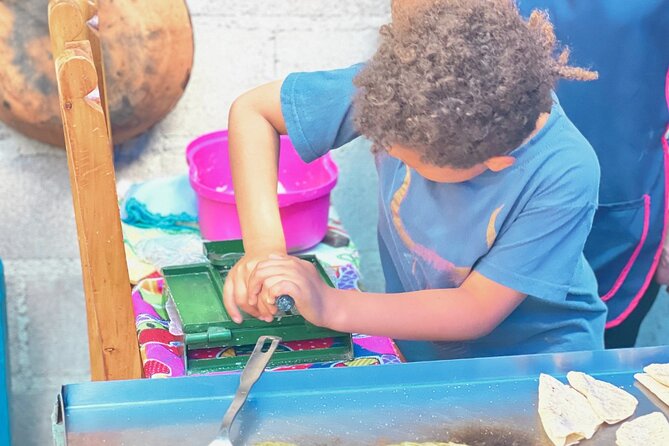
After Teotihuacan, the tour shifts quickly from stones to food. You’ll take a short ten-minute drive to Erica’s home, where you’ll enjoy the culinary part of the day—one of the most consistently praised aspects of this experience.
The menu gives you a strong sense of place. For starters, you’ll have homemade quesadillas, including options with Oaxacan cheese, huitlacoche, mushrooms, and nopal. Even if you usually play it safe with food, this is the kind of menu where you can try multiple tastes without needing to order three separate meals.
For the main course, the standout is described as the best mole ever, including chicken with mole plus sides like guacamole, grasshoppers, maguey worms, and pork rinds in green sauce, along with rice and beans. If you’re adventurous, this is where you’ll feel the “real deal” element of the tour. If you’re not, you still get a range of Mexican flavors and dishes that aren’t generic tourist fare.
Then comes dessert: a pre-Hispanic dessert featuring xoconostle fruit with cinnamon. That matters because it signals the blend of ingredients and techniques the meal is aiming for, not just a sweet finish that could belong anywhere.
It’s also worth noting that this lunch is set up to be compatible with vegetarians, vegans, or people with celiac disease. That’s not always the case with home-style meals, so it’s a real plus for planning.



What the meal choices mean for you (and when to adjust expectations)

This is a food experience designed around authenticity, not around bland crowd-pleasers. The inclusion of items like grasshoppers and maguey worms signals that the kitchen is presenting traditional ingredients rather than swapping everything for safe versions.
If you’re a strict vegetarian or vegan, or if celiac needs require careful handling, you should treat the tour’s stated compatibility as your guide—but still plan to communicate your needs clearly when you book. The good news is that the tour explicitly says it can accommodate those needs, so the experience is structured for it.
Also, because the lunch is in a home setting, you’re not in a restaurant where you can endlessly re-order. If you’re the type who wants complete control, you may feel boxed in. But if you’re the type who enjoys trying what’s served, this format usually feels more personal and less staged.
Time on the site: short, focused, and not built for wandering
Let’s talk pacing. The overall day is about 6 hours, and the Teotihuacan visit is about an hour. That means the guide has to cover the highlights efficiently: the pyramids area, the staged construction story, and the restricted mural-art temple access.
You’ll feel the difference between “guided focus” and “free roam.” You’ll get context at key points, but you likely won’t have hours to drift off in your own direction. That’s not a flaw; it’s just the model. For a first visit to Teotihuacan, this can be ideal because it prevents the most common problem: spending a limited day at a massive site without understanding what matters.
After lunch, you’ll head back to Mexico City, taking about one hour. You end the day without another big stop, which keeps the schedule from turning into a zig-zag marathon.
Why $90 feels fair for what you get
At $90 per person for roughly 6 hours, this tour isn’t trying to be the cheapest option. It’s also not priced like a full private guide experience. The value comes from three bundled elements you’d otherwise have to arrange separately:
- Guided access to Teotihuacan, including a restricted area
- A start with specialty brewed coffee included
- A home-cooked lunch with a specific menu and accommodation for vegetarian/vegan/celiac needs
When a tour includes food and more-than-standard site access, the price stops being just transportation plus talking. It becomes a package built around experiences that are harder to replicate on your own—especially the INAH-monitored restricted area component.
So if you’re aiming for a Teotihuacan day that feels more human and less checklist-driven, the cost makes sense. If you only want broad pyramid photos and don’t care about the mural-art temple access or the home meal, then you might feel it’s more than you need.
Who should book this Teotihuacan experience
This tour fits best if you want Teotihuacan to come with context and character.
Book it if you:
- Like guided archaeology with a clear storyline (the four-stage construction explanation helps)
- Care about cultural craft, not just monuments (the mural art temple access is the point)
- Want a real meal in a local home instead of a generic restaurant stop
- Have dietary needs and want a tour that explicitly mentions vegetarian, vegan, and celiac accommodations
You might skip it if you:
- Want a very long, self-paced hangout at Teotihuacan
- Are uncomfortable with a menu that includes traditional ingredients, even if there are options
Should you book this Teotihuacan experience?
Yes, I’d book it if your ideal Teotihuacan visit includes more than pyramids. The biggest reason is the combo: restricted access to the mural art temple plus Erica’s home cooking. That pairing gives you both the art-and-meaning side of Teotihuacan and the everyday human side, right after.
If you’re flexible on pace and you’re okay with a structured day that runs about six hours, this is likely to feel worth it.
FAQ
Where do I meet the group?
You can choose between two meeting points in Mexico City: Almanegra café in Roma Norte at 8:00 am or 1401 café in Col Juárez at 8:30 am. Morning coffee is included.
How long is the tour?
The tour runs for about 6 hours (approx.).
Do I need to print anything?
No. You’ll receive a mobile ticket.
Is the tour in English?
Yes, the tour is offered in English.
What’s included besides the Teotihuacan visit?
The experience includes specialty brewed coffee at the meeting point and lunch at Erica’s home, featuring a set menu.
Do I get access to restricted areas at Teotihuacan?
Yes. The tour includes exclusive access to the temple of the ancient masters of mural art, an area under investigation by INAH.
What kinds of food are served in the home meal?
The menu includes items such as homemade quesadillas with huitlacoche, mushrooms, and nopal; chicken with mole; guacamole; and other dishes, plus a pre-Hispanic dessert with xoconostle and cinnamon.
Is the lunch suitable for vegetarians, vegans, or celiac disease?
The tour states it is suitable for vegetarians, vegans, or people with celiac disease.
How big is the group?
The tour has a maximum of 12 travelers, making it small-group.
What’s the cancellation policy?
You can cancel for a full refund up to 24 hours in advance of the experience’s start time. After that cutoff, the amount paid is not refunded.